Where Is the TPMS Switch Located on Your Car Right Now
Knowing where the TPMS switch is located on your car can save you time, money, and headaches. The TPMS switch position varies by vehicle make and model, but it is typically found near the steering column, under the dashboard, or inside the glove box. This guide walks you through every possible location so you can find yours fast.
If you have ever wondered where is the TPMS switch located, you are not alone. Many car owners search for this exact question when their tire pressure warning light comes on and they cannot find the reset button. The truth is, TPMS switch location varies a lot depending on your vehicle make, model, and year.
TPMS stands for Tire Pressure Monitoring System. It is a safety feature that alerts you when your tire pressure drops below the recommended level. When the system detects low pressure, it triggers a warning light on your dashboard. But sometimes, you need to manually reset the system after you fix the tire issue. That is where the TPMS switch comes in.
Finding the TPMS reset button can feel like a scavenger hunt in some cars. Manufacturers hide it in different spots to keep the dashboard clean and uncluttered. In this article, we will walk you through every possible TPMS switch location on your vehicle. We will also cover how the system works, common problems, and tips to keep your tire pressure sensors in great shape.
Key Takeaways
- Steering Column Area: Most common TPMS switch location under the dashboard near the steering column.
- Glove Box or Center Console: Some vehicles hide the TPMS reset button inside the glove box or center console.
- Under the Hood: Certain models place the TPMS module near the engine bay or firewall.
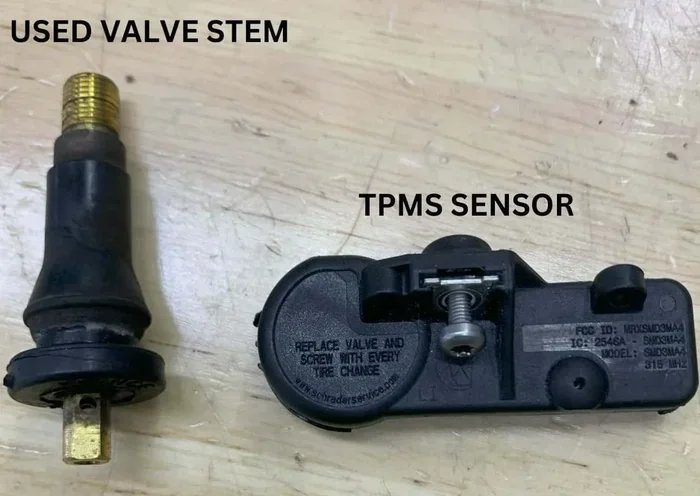
- TPMS Sensor Location: The individual tire pressure sensors sit inside the tire valve stems on each wheel.
- Vehicle-Specific Variations: Always check your owner’s manual for the exact TPMS switch location for your car.
- Common Issues: Dead sensor batteries, corrosion, and faulty wiring are the most frequent TPMS problems.
📑 Table of Contents
- What Is a TPMS Switch and Why Does It Matter?
- Where Is the TPMS Switch Located? Common Places to Check
- How to Find Your TPMS Switch in 5 Simple Steps
- TPMS Switch Location by Popular Car Brands
- How to Reset Your TPMS After Finding the Switch
- Common TPMS Problems and How to Fix Them
- Quick Tips for Maintaining Your TPMS System
- Expert Insights on TPMS Switch Location
- Key Takeaways
- Conclusion
What Is a TPMS Switch and Why Does It Matter?
The TPMS switch is a small button or sensor that controls your Tire Pressure Monitoring System. It allows you to reset the warning light after you have checked and adjusted your tire pressure. Without knowing the TPMS switch location, you cannot easily clear a false alarm or reset the system after a tire repair.
There are two main types of TPMS systems in modern vehicles. Understanding the difference helps you know what to look for when searching for the TPMS reset button.
Direct TPMS Systems
Direct TPMS uses a small sensor inside each tire valve stem. These sensors measure the actual air pressure in each tire and send a wireless signal to your car’s computer. When the pressure drops below the recommended level, the dashboard warning light turns on. Direct TPMS is more accurate and provides individual tire readings. Most TPMS sensor batteries last between 5 and 10 years before needing replacement.
Indirect TPMS Systems
Indirect TPMS does not use physical sensors inside the tires. Instead, it relies on the vehicle’s anti-lock braking system (ABS) sensors. The system monitors the rotational speed of each wheel. A tire with low pressure has a smaller rolling radius and spins faster than a properly inflated tire. The car’s computer detects this difference and triggers the warning light. Indirect systems use the TPMS reset button to recalibrate the baseline after you adjust tire pressure.
Where Is the TPMS Switch Located? Common Places to Check
The TPMS switch location depends entirely on your vehicle. Automakers design the layout differently for each model. Below are the most common places to find the TPMS reset button on your car.
Under the Dashboard Near the Steering Column
This is the most common TPMS switch location across many vehicle brands. When you sit in the driver’s seat, look directly below the steering column. The button may be tucked behind a small plastic cover or panel. In many vehicles, you will find it to the left of the steering column, near the driver’s knee area.
Some cars have the TPMS reset button integrated into the steering wheel controls. You might need to press a specific combination of buttons on the steering wheel to access the TPMS menu. Check your owner’s manual for the exact steps.
Inside the Glove Box
Several popular car brands place the TPMS switch inside the glove box. Open the glove box door and look for a small button on the side wall or the top of the glove box interior. In some models, you need to remove the glove box entirely to access the TPMS reset button.
This location is common in many Honda, Toyota, and Ford models. The glove box approach keeps the dashboard area clean while still giving easy access to the TPMS switch location.
On the Center Console or Shift Knob Area
Some vehicles place the TPMS reset button on the center console near the gear shift. Look for a small button labeled with a tire icon or the letters “TPMS.” In certain luxury vehicles, the TPMS switch is built into the infotainment system. You would navigate through the touchscreen menu to find the reset option.
Under the Hood Near the Firewall
In a few vehicle models, the TPMS module and switch are located under the hood. The TPMS switch location near the firewall is less common but still exists in certain trucks and SUVs. Look for a small black box with a wiring harness connected to it near the engine bay.
On the Driver’s Side Door Frame
A small number of cars have the TPMS reset button on the driver’s side door frame or door panel. Open the driver’s door and look along the door frame or on the side of the door panel. The button might be hidden behind a trim piece or a small removable cover.
How to Find Your TPMS Switch in 5 Simple Steps
Finding your TPMS switch location does not have to be difficult. Follow these simple steps to locate the reset button quickly.
- Grab your owner’s manual. The manual is the best resource for finding the exact TPMS switch location for your specific vehicle model.
- Start the car and turn the ignition to the “ON” position. Do not start the engine. Just turn the key or press the start button so the dashboard lights come on.
- Look under the dashboard first. Check the area below the steering column for a small button with a tire icon.
- Open the glove box and look inside. Check all walls and corners for a hidden TPMS reset button.
- Search the center console and door panels. If you did not find it in the first two spots, check the center console area and the driver’s side door frame.
If you still cannot find the TPMS switch, search online for your specific vehicle make, model, and year combined with the phrase “TPMS reset button location.” This usually brings up quick results with exact directions.
TPMS Switch Location by Popular Car Brands
Different car brands place the TPMS switch location in unique spots. Here is a quick reference guide for some of the most popular brands.
| Car Brand | Common TPMS Switch Location |
|---|---|
| Toyota | Under the steering column or inside the glove box |
| Honda | Inside the glove box or under the dashboard |
| Ford | Under the dashboard on the driver’s side or on the center console |
| Chevrolet | Under the steering column or integrated into the infotainment system |
| Nissan | Inside the glove box or on the driver’s side door panel |
| BMW | Through the infotainment screen menu (no physical button in many models) |
| Jeep | Under the dashboard or on the center console |
Remember that these are general guidelines. Your specific vehicle model and year may differ. Always double-check with your owner’s manual before assuming the TPMS switch location for your car.
How to Reset Your TPMS After Finding the Switch
Once you have found the TPMS switch location, resetting the system is straightforward. Follow these steps to clear the tire pressure warning light.
Step-by-Step TPMS Reset Process
- Check all tire pressures. Use a reliable tire pressure gauge to check each tire, including the spare. Inflate all tires to the recommended PSI listed on the driver’s side door jamb sticker.
- Locate the TPMS switch. Use the steps above to find the TPMS reset button in your specific vehicle.
- Press and hold the TPMS switch. With the ignition in the “ON” position, press and hold the button for about 3 to 5 seconds. You may hear a beep or see the warning light blink.
- Release the button and start the engine. The TPMS warning light should turn off after a few seconds of driving.
- Drive for 10 to 20 minutes. The system needs time to recalibrate. The tire pressure light should stay off once the recalibration is complete.
If the warning light comes back on after resetting, there may be a deeper issue. A TPMS sensor battery could be dead, or one of the tire pressure sensors might be malfunctioning. In this case, a professional diagnostic check is recommended.
Common TPMS Problems and How to Fix Them
Even after you find the TPMS switch location and reset the system, problems can still occur. Here are the most common TPMS issues and how to address them.
Dead TPMS Sensor Battery
The TPMS sensor battery has a limited lifespan, usually around 5 to 10 years. When the battery dies, the sensor cannot send pressure readings to the car’s computer. The warning light stays on even if your tires are properly inflated. Replacing the sensor battery or the entire sensor unit is the fix. A mechanic can handle this quickly and affordably.
Corroded Valve Stems
The TPMS valve stem is the small metal or rubber piece that sticks out of the wheel. Over time, exposure to road salt, moisture, and debris can cause corrosion. Corroded valve stems lead to slow air leaks, which trigger the tire pressure warning light. Inspect your valve stems regularly and replace them if you notice any rust or damage.
Faulty TPMS Module
The TPMS module is the car’s computer component that receives signals from the tire pressure sensors. If the module fails, none of the sensors will work properly. Symptoms include a constantly illuminated warning light or intermittent flashing. A diagnostic scan tool can identify module faults, and replacing the module usually resolves the issue.
TPMS Light After Tire Rotation or Replacement
It is very common for the TPMS warning light to come on after you rotate your tires or install new ones. This happens because the system needs to recalibrate to the new sensor positions. Simply finding the TPMS reset button and following the reset steps usually fixes this problem immediately.
Quick Tips for Maintaining Your TPMS System
Keeping your TPMS system in good shape saves you from unexpected warning lights and costly repairs. Here are some quick tips to follow.
- Check tire pressure monthly. Use a quality tire pressure gauge at least once a month. Proper inflation improves fuel economy and tire life.
- Replace TPMS sensor batteries on schedule. If your vehicle is over 5 years old, ask your mechanic to check the sensor batteries during routine maintenance.
- Keep valve stems clean and capped. Always use valve stem caps to prevent dirt and moisture from entering the TPMS valve stem.
- Reset the system after every tire change. Whether you rotate tires, replace a flat, or install new wheels, always reset the TPMS system afterward.
- Read your owner’s manual. The manual contains specific information about your vehicle’s TPMS switch location and reset procedure.
Expert Insights on TPMS Switch Location
According to experienced automotive technicians, the TPMS switch location has become more varied in recent years. Many newer vehicles have moved away from physical reset buttons entirely. Instead, they use a digital reset option through the infotainment screen. This trend means that older methods of finding a physical button may not work on the latest car models.
Certified mechanics also recommend keeping a copy of your owner’s manual in the glove box. When the tire pressure warning light comes on at an inconvenient time, having immediate access to the reset procedure can save you a trip to the repair shop. Additionally, many techs note that understanding your specific TPMS switch location helps you diagnose whether the issue is a simple reset or a more serious sensor problem.
One important tip from seasoned professionals: never ignore a flashing TPMS light. A solid light usually means low tire pressure, which you can fix yourself. A flashing light often indicates a malfunction in the TPMS system itself, which requires professional diagnosis. Knowing where your TPMS reset button is located helps you distinguish between these two scenarios quickly.
Key Takeaways
- Under the Steering Column: The most common TPMS switch location is directly below the steering column, often behind a plastic cover.
- Inside the Glove Box: Many vehicles hide the TPMS reset button inside the glove box for a clean dashboard look.
- Center Console and Door Panels: Some brands place the switch on the center console near the shift knob or on the driver’s door frame.
- Digital Reset Options: Newer vehicles may not have a physical button. Instead, they offer a digital reset through the infotainment system.
- Always Check the Manual: Your vehicle’s owner manual is the most reliable source for the exact TPMS switch location for your specific model.
- Regular Maintenance Matters: Keeping your TPMS sensors and valve stems in good condition prevents false warnings and system failures.
Conclusion
Finding the TPMS switch location on your car is easier than most people think. Whether it is under the steering column, inside the glove box, or hidden in the center console, the TPMS reset button is always within reach once you know where to look. Understanding your vehicle’s tire pressure monitoring system empowers you to handle low-pressure warnings quickly and confidently.
Regular tire maintenance goes hand in hand with a healthy TPMS system. Check your tire pressure monthly, keep your valve stems clean, and replace sensor batteries before they die. These simple habits keep the tire pressure warning light off and your tires performing at their best.
Now that you know exactly where the TPMS switch is located on your car, you can handle tire pressure issues like a pro. The next time that little warning light pops up on your dashboard, you will know exactly what to do. Stay proactive, keep your tires properly inflated, and enjoy a safer, smoother ride every time you hit the road.
Frequently Asked Questions
Can I drive with the TPMS light on?
It is not recommended to drive with the TPMS warning light on for an extended period. The light indicates that one or more tires have low pressure, which can reduce fuel efficiency, cause uneven tire wear, and increase the risk of a blowout. Check your tire pressure as soon as possible and inflate to the recommended level.
How much does it cost to replace a TPMS sensor?
The cost to replace a single TPMS sensor typically ranges from $50 to $100 per sensor, including parts and labor. Some vehicles require specialized sensors that cost more. The total cost depends on your vehicle make and model and whether you replace all sensors at once or just the faulty one.
How do I know if my TPMS sensor battery is dead?
A dead TPMS sensor battery causes the warning light to stay on even after you properly inflate all tires. The light may also flash briefly when you start the car and then remain solid. A mechanic can use a diagnostic tool to confirm whether the sensor battery needs replacement or if the entire sensor unit requires swapping.
Do I need special tools to reset the TPMS system?
Most vehicles allow you to reset the TPMS system using the physical TPMS reset button with no special tools. However, some newer models require a diagnostic scan tool or a digital reset through the infotainment system. In these cases, you may need to visit a mechanic or auto parts store that offers free TPMS reset services.
Can I replace TPMS sensors myself?
Yes, many car owners can replace TPMS sensors themselves with basic tools like a tire pressure gauge, a valve core tool, and a tire changer. The process involves removing the tire, replacing the old sensor with a new one, and then resetting the system. However, if you are not comfortable working with tires, a mechanic can do the job quickly and safely.
What causes the TPMS light to come on even when tires are properly inflated?
Several issues can trigger the TPMS light even when tire pressure is correct. Common causes include a dead sensor battery, a faulty TPMS module, corroded valve stems, or a need to recalibrate the system after a tire rotation. Finding the TPMS switch location and performing a reset often resolves this issue. If the light persists, a professional diagnostic check is the best next step.