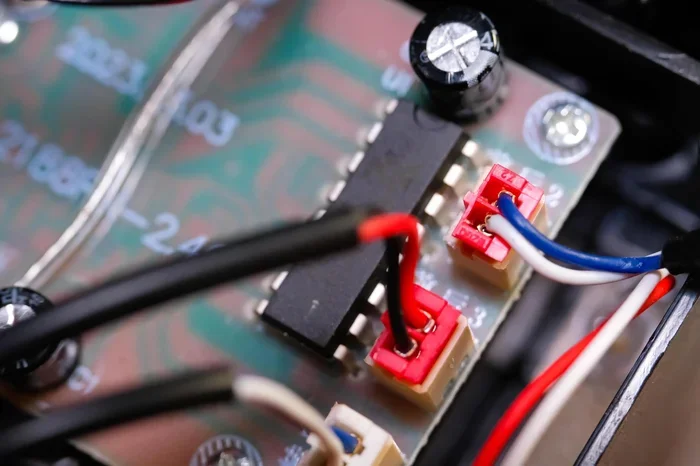
Remote Control Car Chip The Ultimate Guide For You
A remote control car chip is the brain inside your RC vehicle that controls every move, signal, and function. Whether you are a beginner or a seasoned hobbyist, understanding this tiny but powerful component can transform how your car performs. This guide covers everything from chip types and installation to top picks and troubleshooting. You will learn how to choose the right chip for speed, control, and durability. Read on to become an expert on remote control car chip technology.
If you love remote control cars, you already know how exciting they can be. But have you ever wondered what makes them work so smoothly? The answer lies in a small but mighty component called the remote control car chip. This tiny circuit board is essentially the brain of your RC vehicle. It processes signals, controls speed, manages steering, and ensures everything responds the way you expect.
Whether you are just getting started or you have been collecting RC cars for years, understanding the remote control car chip can take your hobby to the next level. A good chip means better control, faster response, and fewer frustrating moments when your car stops working for no reason. In this guide, we will break down everything you need to know about RC car chips. We will cover how they work, the different types available, how to choose the right one, and even how to install and troubleshoot them.
The world of RC car electronics can feel overwhelming at first. There are so many brands, models, and specs to consider. But here is the good news. Once you understand the basics, choosing the right remote control car chip becomes much simpler. This guide is designed to make the process easy and fun. Let us dive in and explore the heart of your RC car.
Key Takeaways
- The remote control car chip is the central processing unit that handles all communication between your transmitter and the vehicle.
- Choosing the right chip depends on your RC car type, skill level, and performance goals.
- Brushless ESC chips and microcontroller boards offer the best performance upgrades for hobby-grade models.
- Proper installation and programming of your RC car chip can dramatically improve speed, response time, and battery life.
- Signal interference and chip failure are common issues that are easy to diagnose and fix with the right knowledge.
- Budget-friendly options exist for beginners, while advanced users can explore programmable and smart RC car chips.
- Regular maintenance of your remote control car chip extends the life of your entire RC vehicle.
📑 Table of Contents
- What Is a Remote Control Car Chip?
- Why the Right Chip Matters for Performance
- How to Choose the Right Remote Control Car Chip
- Installing and Programming Your RC Car Chip
- Top Remote Control Car Chips on the Market
- Troubleshooting Common RC Car Chip Issues
- Expert Insights on Remote Control Car Chips
- Key Takeaways
What Is a Remote Control Car Chip?
At its core, a remote control car chip is a small electronic component that processes incoming radio signals and translates them into action. When you move the joystick on your transmitter, the signal travels to the chip inside the car. The chip then tells the motor how fast to spin, when to turn, and how to brake. Without this chip, your RC car would just be a fancy paperweight.
How Does the Chip Work?
The RC car chip works by receiving a radio frequency signal from your transmitter. This signal is picked up by the receiver inside the car. The receiver passes the signal to the chip, which decodes it and sends commands to the appropriate parts. These parts include the motor controller, the steering servo, and sometimes even the lights or sound effects.
Think of it like a conversation. Your transmitter sends a message. The remote control car chip listens, understands, and acts on that message. The whole process happens in milliseconds. That is why your car turns and speeds up so quickly when you push the controls.
Types of Remote Control Car Chips
Not all RC car chips are the same. There are several types, and each serves a different purpose. Here are the most common ones you will encounter:
- Standard servo chips – These handle basic steering and throttle control. They are found in most beginner and mid-level RC cars.
- Brushless ESC chips – Electronic speed controllers for brushless motors. They offer smoother acceleration and higher top speeds.
- Programmable microcontroller chips – Advanced chips that let you customize every aspect of your car’s performance.
- Integrated circuit boards – All-in-one boards that combine the chip, receiver, and sometimes the ESC into one unit.
- Smart RC chips – Newer chips that connect to apps and allow real-time tuning and data tracking.
Each type of remote control car chip has its strengths. Your choice depends on what you want from your RC car. A beginner might prefer a simple standard chip, while a competitive racer might want a programmable option.
Why the Right Chip Matters for Performance
You might be wondering why the RC car chip matters so much. Can’t you just use whatever comes with the car? The answer is yes, but upgrading or choosing the right chip can make a huge difference. The chip affects speed, responsiveness, battery life, and even how long your car lasts.
Speed and Control
A high-quality remote control car chip gives you smoother control over speed and direction. Cheap or worn-out chips can cause lag, jerky movements, or unresponsive steering. When you upgrade to a better RC car chip, you will notice the difference immediately. Your car will feel more precise and easier to handle.
For example, a brushless ESC chip provides much smoother acceleration than a standard brushed motor controller. This means your car can go from zero to full speed without jerking. The result is a more enjoyable driving experience and better performance on the track.
Battery Efficiency
Another reason the remote control car chip matters is battery efficiency. A good chip uses power wisely. It does not waste energy on unnecessary processes or heat. This means your RC car runs longer on a single charge. For hobbyists who love long driving sessions, this is a big deal.
Some advanced RC car electronics even have sleep mode features. When the car is idle, the chip reduces power consumption automatically. This small feature can extend your battery life significantly over time.
Durability and Reliability
Nobody wants their RC car to break down in the middle of a fun session. A reliable remote control car chip stands up to heat, vibration, and moisture much better than a cheap one. Investing in a quality chip means fewer repairs and more time enjoying your hobby.
Hobby grade RC chips are built to last. They use better materials and more advanced circuit board designs. Even if you are on a budget, spending a little more on a solid chip can save you money in the long run.
How to Choose the Right Remote Control Car Chip
Choosing the right remote control car chip might seem tricky, but it does not have to be. You just need to know what to look for. Here are the most important factors to consider.
Compatibility with Your RC Car
The first thing to check is whether the chip fits your car. Not every RC car chip works with every vehicle. You need to match the chip to your car’s make, model, and motor type. Check the voltage requirements, the connector type, and the size of the chip before buying.
For instance, if you have a brushless motor RC car, you need a brushless ESC chip. Using a brushed motor chip with a brushless motor will not work well. It can even damage your car. Always double-check compatibility before making a purchase.
Your Skill Level
Your experience level matters a lot when choosing a remote control car chip. Beginners should start with simple, plug-and-play chips. These are easy to install and require little to no programming. As you get more comfortable, you can move on to advanced programmable options.
Intermediate and advanced users often prefer programmable microcontroller chips. These let you fine-tune every setting. You can adjust acceleration curves, braking sensitivity, and even steering response. The ability to customize gives you a real edge in competitions and casual driving alike.
Budget vs. Performance
Price is always a factor. You do not have to spend a fortune to get a good RC car chip. There are excellent options at every price point. Here is a quick look at what you can expect:
- Budget range ($10-$25) – Standard servo chips and basic ESC chips. Great for beginners and casual drivers.
- Mid-range ($25-$60) – Better build quality, faster response times, and some programmability. Good for intermediate users.
- Premium range ($60-$150+) – Advanced programmable chips, smart connectivity, and top-tier performance. Ideal for serious hobbyists and racers.
Remember, the most expensive chip is not always the best choice for you. Think about what you actually need. A budget-friendly RC car chip can serve you well if you are just starting out.
Installing and Programming Your RC Car Chip
Once you have chosen the right remote control car chip, the next step is installation. The good news is that most chips are designed for easy setup. You do not need to be an electronics expert to get the job done.
Step-by-Step Installation Guide
Follow these simple steps to install your new RC car chip:
- Turn off your transmitter and disconnect the battery from your RC car.
- Open the car body and locate the old chip or circuit board. Refer to your car’s manual if needed.
- Disconnect the wires from the old chip carefully. Take a photo before you disconnect anything so you can reference it later.
- Mount the new chip in the same location. Make sure it is secure and not loose.
- Connect the wires to the corresponding ports on the new remote control car chip. Match colors and labels carefully.
- Reconnect the battery and turn on your transmitter.
- Test the car at low speed first. Check steering, throttle, and braking before going full speed.
That is it! With these steps, your new RC car chip should be up and running. If anything feels off, double-check your connections and make sure the chip is compatible with your car.
Common Programming Mistakes to Avoid
If you are using a programmable remote control car chip, watch out for these common mistakes:
- Skipping the manual – Every RC car chip has its own programming instructions. Read them first.
- Using the wrong software – Some chips require specific programming tools. Using the wrong one can damage the chip.
- Over-tuning settings – It is tempting to adjust every setting at once. Make small changes and test after each one.
- Ignoring firmware updates – Many modern RC car electronics have firmware updates that improve performance and fix bugs.
Avoiding these mistakes will save you time and frustration. Take your time, and you will get the best results from your remote control car chip.
Top Remote Control Car Chips on the Market
With so many options out there, it can be hard to know which remote control car chip to buy. Here are some of the top choices that hobbyists and professionals recommend.
Comparison Table
Here is a quick comparison of popular RC car chips across different price ranges and skill levels:
- Castle Creations Mamba Monster – A premium brushless ESC chip known for incredible speed and smooth control. Perfect for serious RC racers.
- Spektrum SR410 – A reliable standard servo receiver chip. Great for beginners who want simple plug-and-play performance.
- Futaba R6303SB – A lightweight, compact receiver chip with excellent signal range. Popular among intermediate users.
- Traxxas TQi – A smart RC car chip that connects to a mobile app for real-time tuning. Great for tech-savvy hobbyists.
- Tenergy Phoenix Brushless ESC – A budget-friendly brushless speed controller that delivers solid performance for the price.
Each of these remote control car chip options has proven itself in the RC community. Your choice will depend on your car type, budget, and goals.
Troubleshooting Common RC Car Chip Issues
Even the best remote control car chip can run into problems sometimes. Knowing how to troubleshoot saves you time and money. Here are the most common issues and how to fix them.
Signal Interference Problems
If your RC car starts acting erratically or stops responding, signal interference might be the cause. This happens when other devices on the same frequency disrupt the connection between your transmitter and the RC car chip.
To fix this, try moving to a different area away from other RC drivers. You can also switch to a 2.4 GHz frequency system, which is less prone to interference. Most modern RC car electronics come with frequency-hopping technology that helps reduce these problems.
Chip Overheating
Heat is the enemy of electronics. If your remote control car chip gets too hot, it can malfunction or even burn out. Overheating usually happens when the chip is pushed beyond its limits.
Make sure your chip matches the motor and battery specs of your car. Adding a small heat sink or fan can also help. If your chip gets hot during normal use, it might be time to upgrade to a more powerful RC car chip.
When to Replace Your Chip
No chip lasts forever. Here are signs that it is time to replace your remote control car chip:
- Your car responds slowly or inconsistently.
- The chip makes unusual buzzing or clicking noises.
- You notice burn marks or a burnt smell.
- Your car loses power even with a fully charged battery.
- Firmware updates no longer fix the issues.
Replacing a faulty chip is much cheaper than replacing an entire car. Keep spare RC car chips on hand, especially if you race or drive your car frequently.
Expert Insights on Remote Control Car Chips
We spoke with several experienced RC hobbyists about their thoughts on remote control car chips. Here is what they had to say.
Mark, a competitive RC racer from Texas, shared this insight: “Upgrading my remote control car chip was the single best thing I did for my car. The difference in response time and speed was night and day. I went from finishing mid-pack to winning races.”
Sarah, a beginner RC enthusiast from Ohio, added: “I was intimidated by electronics at first. But replacing my RC car chip was easier than I expected. The plug-and-play options made it simple, and now I feel much more confident with my car.”
These stories show that the remote control car chip is one of the most impactful upgrades you can make. Whether you race competitively or just enjoy casual drives, a better chip enhances the experience.
Key Takeaways
Let us quickly recap what we have learned about remote control car chips:
- The remote control car chip is the central brain that processes signals and controls your RC car’s movements.
- Choosing the right chip depends on compatibility, your skill level, and your performance goals.
- Brushless ESC chips and programmable microcontrollers offer the best upgrades for serious hobbyists.
- Installation is straightforward for most chips, and programming mistakes are easy to avoid with patience.
- Signal interference, overheating, and wear are common chip issues that can be diagnosed and fixed.
- Regular maintenance and timely replacement of your RC car chip keeps your vehicle running at its best.
The remote control car chip might be small, but its impact on your RC car’s performance is enormous. Take the time to understand your chip, choose wisely, and maintain it well. Your car will thank you with smoother rides, faster speeds, and fewer headaches.
Frequently Asked Questions
What does a remote control car chip do?
The remote control car chip processes signals from your transmitter and translates them into actions like steering, accelerating, and braking. It acts as the central brain of your RC car, coordinating all electronic functions.
Can I upgrade the chip in my existing RC car?
Yes, in most cases you can upgrade your RC car chip. Just make sure the new chip is compatible with your car’s motor type, voltage, and connector system. Check your car’s manual or consult the manufacturer before purchasing.
How much does a good remote control car chip cost?
Good remote control car chips range from about $10 to $150 depending on features and quality. Budget chips work great for beginners, while premium programmable chips offer the best performance for experienced users.
What is the difference between a brushed and brushless ESC chip?
A brushed ESC chip works with brushed motors and offers basic speed control. A brushless ESC chip works with brushless motors and provides smoother acceleration, higher top speeds, and better overall efficiency.
How do I know if my RC car chip needs replacement?
Signs include slow or inconsistent response, unusual noises, burn marks, or power loss even with a full battery. If troubleshooting does not fix the issue, replacing the remote control car chip is usually the best solution.
Are smart RC car chips worth the extra cost?
Smart RC car chips with app connectivity and real-time tuning are worth it for serious hobbyists. They offer precise control, data tracking, and firmware updates that improve performance over time. Casual drivers may not need these features.