Why Is My Key Not Unlocking My Car Try These Fixes
Why Is My Key Not Unlocking My Car? This frustrating problem has several common causes, from a dead key fob battery to a frozen lock cylinder. You can often fix it yourself with simple steps like replacing the battery or warming the lock. Understanding the root cause saves time, money, and stress. We will walk you through every possible reason and the best fix for each one. Read on to get back on the road quickly.
You walk up to your car after a long day. You grab your keys. You press the button or insert the key into the door lock. Nothing happens. Your heart sinks. Why Is My Key Not Unlocking My Car? This question runs through your mind, and suddenly your simple errand turns into a stressful situation.
The good news is that this problem is more common than you think. In most cases, the fix is quick and inexpensive. Whether your key fob stopped working suddenly or your physical key won’t turn, there is a logical explanation. This guide will help you understand every possible reason and walk you through the solutions step by step.
We will cover everything from dead batteries to frozen lock cylinders. You will learn what to check first, what to try at home, and when to call a professional. By the end of this article, you will have the knowledge to handle this problem confidently. Let us get started.
Key Takeaways
- Dead key fob battery: This is the #1 reason keys stop working. A quick battery swap usually solves it.
- Frozen lock cylinder: Cold weather can freeze moisture inside the lock, blocking the key.
- Worn key blade: Keys wear down over time and may no longer match the lock tumblers.
- Faulty lock actuator: The motor inside the door lock can fail, preventing the door from opening.
- Transponder chip issues: The car’s immobilizer may reject the key if the chip is damaged or not recognized.
- Call a locksmith: If DIY fixes don’t work, a professional locksmith can diagnose and repair the problem safely.
📑 Table of Contents
Common Reasons Why Your Key Won’t Unlock Your Car
When your key fails to unlock your car, the cause usually falls into one of several categories. Understanding these reasons helps you troubleshoot faster. Each problem has a clear fix once you identify it. Here are the most common culprits behind this annoying situation.
Dead Key Fob Battery
The single most common reason for a key fob not working is a dead battery. Key fobs run on small coin-cell batteries that last one to two years. When the battery dies, the remote signal becomes too weak to reach the car’s receiver. You may still be able to use the physical key blade, but the remote lock function stops working.
Replacing the battery is simple and costs less than a few dollars. Most key fobs use a CR2025 or CR2032 battery. You can pop open the back of the fob with a small flathead screwdriver. Slide out the old battery and insert the new one. The fix takes under two minutes.
If replacing the battery does not work, the battery may not be the only issue. The contacts inside the fob could be corroded. Or the fob itself may be damaged. But always start with the battery. It is the easiest and cheapest thing to check.
Worn or Damaged Key Blade
Physical keys wear down over time. The teeth on the blade get rubbed smooth from thousands of insertions. When the key blade wears too much, it no longer aligns with the tumblers inside the lock cylinder. You may feel the key wiggle but not turn. Or it may go in but not catch the right pins.
Keys made from cheaper metals tend to wear faster. If you have had your key for several years, inspect the blade closely. Compare it to a new key if you still have a spare. If the teeth look flattened or rounded, that is likely your problem.
The fix here is straightforward. Get a duplicate key cut from the original code. Most hardware stores and locksmiths can do this for a small fee. Always keep a spare key in a safe place. A worn key is one of the top reasons Why Is My Key Not Unlocking My Car.
Frozen Lock Cylinder
Cold weather is a serious enemy of car locks. Moisture can get inside the lock cylinder and freeze during winter. When ice forms, it blocks the internal pins from moving. The key goes in but will not turn. This happens more often than people realize, especially in northern climates.
If you suspect a frozen lock, do not force the key. Forcing it can snap the key inside the cylinder, which makes the problem much worse. Instead, use a lock de-icer spray. These are available at auto parts stores for a few dollars. Spray a small amount into the keyhole and wait a minute or two.
You can also try warming the key with your hands or breath before inserting it. The heat from your body can help melt the ice inside. Some people keep a can of lock de-icer in their winter emergency kit. It is a small investment that pays off big time.
Faulty Lock Actuator
Inside each door lock, there is a small electric motor called an actuator. This motor moves the lock linkage when you press the remote button or turn the key. Over time, the actuator motor can wear out or the electrical connections can corrode. When this happens, the lock simply does not respond.
A failing actuator often makes a clicking or grinding sound when you try to lock or unlock the door. If you hear that noise but the door does not move, the actuator is likely the problem. Replacing an actuator is a moderate repair that a mechanic or locksmith can handle.
The cost varies by car model. Some actuators are inexpensive and easy to access. Others are buried deep inside the door panel and require more labor. A locksmith can give you a quote before starting the repair. This is one of those Why Is My Key Not Unlocking My Car issues that needs professional attention.
Central Locking System Failure
Modern cars use a central locking system. This system controls all the doors from one module. If the central locking module has a glitch, all doors may stop responding to the remote. This can happen after a battery disconnect, a power surge, or an electrical short.
Sometimes resetting the system fixes the problem. Disconnect the car battery for 15 minutes and reconnect it. This resets the car’s computer and often clears minor electrical glitches. If that does not work, the module itself may need to be reprogrammed or replaced.
A central locking failure can also be caused by a wiring problem. Corroded wires or loose connectors behind the doors can interrupt the signal. This is harder to diagnose on your own. A professional mechanic or locksmith can trace the wiring and find the fault.
Key Fob Problems and How to Fix Them
Key fobs are convenient but they can develop problems over time. The remote function may stop working even if the physical key still turns the lock. Understanding fob-specific issues helps you narrow down the cause quickly.
Key Fob Not Detected by the Car
Some cars have a push-button start system. The car must detect the key fob inside the cabin before it will start. If the fob is not detected, you may not be able to start the engine. This does not always mean the car door lock is affected, but it is part of the same key system.
The most common cause is a weak fob battery. The signal may be strong enough to lock or unlock the door from a distance but too weak for the car to detect it up close. Try placing the fob directly against the start button or against the steering column. Many cars have a backup detection point for this exact scenario.
If placing the fob close does not work, the battery is likely too weak to send any signal at all. Replace it and try again. If the problem persists, the fob’s internal antenna or circuitry may be damaged. In that case, you need a replacement fob.
Reprogramming Your Key Fob
Key fobs sometimes lose their programming. This can happen after a battery change, a power outage, or after the car battery has been disconnected. When the fob loses its pairing with the car, the car will not recognize it. The doors may not unlock and the engine may not start.
Reprogramming a key fob is different for every car model. Some cars have a simple self-programming procedure. You can find the steps in your owner’s manual. The process usually involves pressing buttons on the fob and the car in a specific sequence.
Other cars require a diagnostic tool to reprogram the fob. This is where a locksmith or dealership comes in. They have the equipment to pair a new or reset fob with your car. Reprogramming is usually quick and affordable, especially compared to buying a brand-new fob.
When to Replace the Key Fob Entirely
If you have replaced the battery and reprogrammed the fob but it still does not work, it is time for a new fob. Water damage is a common cause of fob failure. If the fob has been dropped in water or exposed to heavy moisture, the internal electronics may be fried.
Physical damage also matters. A cracked case or broken buttons mean the fob can no longer send a consistent signal. In these cases, replacement is the only option. You can buy a replacement fob from a dealership or an aftermarket supplier.
Aftermarket fobs are often much cheaper than dealership prices. Many aftermarket fobs come pre-programmed and can be self-installed. Just make sure the fob is compatible with your car model and year. A quick online search or a call to the seller can confirm compatibility.
Ignition and Transponder Key Issues
Your car’s ignition system plays a big role in the key not working problem. If the key turns in the door lock but not in the ignition, the issue is different from a door lock problem. Understanding the ignition side helps you solve the full picture.
Transponder Chip Malfunctions
Most modern car keys contain a small transponder chip. This chip communicates with the car’s immobilizer system. The immobilizer prevents the engine from starting unless it recognizes the correct chip code. If the chip is damaged or not reading properly, the car will not start even if the key turns in the ignition.
A transponder chip can fail from wear and tear or from water exposure. Sometimes the chip simply stops sending a signal after years of use. When this happens, the car thinks someone is trying to hot-wire it and blocks the engine entirely.
The fix is to get a new transponder key cut and programmed. This must be done by a locksmith or dealership with the right equipment. Trying to bypass the immobilizer is not recommended. It can cause electrical problems and void your car’s warranty.
Ignition Switch Failure
The ignition switch is the mechanism you turn when you insert your key. Over time, the internal contacts of the ignition switch wear out. When they wear, the electrical connection becomes unreliable. You may turn the key and nothing happens. Or the car starts and then stalls immediately.
Ignition switch failure is a serious issue that should not be ignored. A failed switch can leave you stranded. It can also cause electrical problems throughout the car if the switch cannot send power to the dashboard and engine systems.
Replacing an ignition switch requires some mechanical skill. If you are comfortable working on cars, you can do it yourself with a repair manual for your specific model. Otherwise, take it to a trusted mechanic. The cost is usually reasonable, and the repair is straightforward for a professional.
Step-by-Step Fixes You Can Try at Home
Before you call a locksmith or mechanic, there are several fixes you can try yourself. These steps address the most common causes of Why Is My Key Not Unlocking My Car. Work through them in order, starting with the simplest solutions.
- Replace the key fob battery. Open the fob and swap in a fresh CR2025 or CR2032 battery. This alone solves the problem in most cases.
- Try the physical key. If the remote is not working, use the manual key blade to unlock the door directly. This tells you whether the problem is the fob or the lock itself.
- Warm the lock cylinder. In cold weather, use lock de-icer or breathe warm air onto the keyhole. Do not force the key.
- Check the car battery. A dead car battery can disable the electronic lock system. Jump-start the car and try again.
- Reset the central locking system. Disconnect the car battery for 15 minutes, then reconnect it. This clears minor electrical glitches.
- Reprogram the key fob. Follow the programming steps in your owner’s manual. If you do not have the manual, search online for your car model’s procedure.
- Inspect the key blade. Look for wear, cracks, or bends. A damaged key blade needs to be replaced.
If none of these steps work, the problem is likely mechanical or electrical in nature. That is when you should call in a professional. Do not keep forcing the key. You risk breaking it inside the lock, which turns a simple fix into an expensive repair.
When to Call a Professional Locksmith
Some car lock problems are beyond DIY fixes. Knowing when to call a locksmith saves you time and prevents further damage. A professional locksmith has the tools, training, and experience to handle complex lock issues safely.
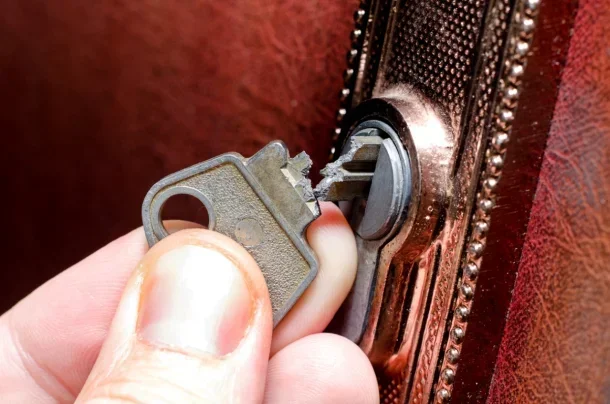
Call a locksmith if your key breaks inside the lock cylinder. A broken key fragment stuck inside the lock is a job for a pro. Trying to remove it yourself can push the piece deeper and jam the lock completely.
Also call a locksmith if the lock cylinder is severely corroded or damaged. Rust inside the lock mechanism can make the key impossible to remove or turn. A locksmith can extract the old cylinder and install a new one.
If your car has a smart key or proximity fob system, a locksmith with advanced diagnostic tools can reprogram or replace it. Dealerships often charge much more for the same service. A mobile locksmith can come to you and handle the job on the spot.
Always choose a licensed and insured locksmith. Check reviews and ask for a quote before work begins. A reputable locksmith will be transparent about pricing and will not perform unnecessary repairs.
Preventive Tips to Avoid Key Lockout Problems
The best way to deal with Why Is My Key Not Unlocking My Car is to prevent the problem before it happens. A few simple habits can save you from a lot of frustration and expense.
- Replace your key fob battery every year. Even if the fob still works, a fresh battery prevents sudden failures. Set a reminder on your phone to make it a habit.
- Keep a spare key in a safe place. Store a backup key at home or with a trusted friend. A spare key is a lifesaver if your primary key fails unexpectedly.
- Protect your key from water damage. Keep your fob away from moisture. If it gets wet, open it up and let it dry completely before using it.
- Use lock de-icer in winter. Keep a small bottle in your glove box during cold months. A few sprays can prevent a frozen lock from becoming a major problem.
- Do not force the key. If the key does not turn easily, stop and investigate. Forcing a worn or stuck key can cause it to break inside the lock.
- Get your keys inspected regularly. A locksmith can check the key blade and lock cylinder for early signs of wear. Catching problems early saves money on bigger repairs later.
These preventive steps are simple and low-cost. They take just a few minutes but can save you hours of stress. A little maintenance goes a long way in keeping your car locks working smoothly.
Conclusion
Dealing with Why Is My Key Not Unlocking My Car can be frustrating, but it is almost always solvable. The most common causes are a dead key fob battery, a worn key blade, a frozen lock cylinder, or a faulty lock actuator. In many cases, you can fix the problem yourself with a new battery or a simple warming trick.
For more complex issues like transponder chip failures or ignition switch problems, a professional locksmith is your best bet. They have the right tools and expertise to get you back on the road quickly. The key is to stay calm and work through the troubleshooting steps in order.
Prevention is the ultimate fix. Replace your fob battery regularly, keep a spare key, and protect your locks from the elements. These small habits make a big difference. Next time you face a stuck lock, you will know exactly what to do. You will fix it fast and get back to your day with confidence.
Frequently Asked Questions
What should I do if my key fob battery dies and I cannot unlock my car?
Most cars have a manual key blade hidden inside the key fob. Use this physical key to unlock the door directly. Then replace the fob battery as soon as possible. This quick fix gets you back inside even when the remote is dead.
Can cold weather really freeze my car lock?
Yes, cold weather can freeze moisture inside the lock cylinder. This is especially common in humid climates during winter. Using a lock de-icer spray or warming the key before insertion can quickly resolve this issue. Avoid forcing the key when the lock is frozen.
How much does it cost to replace a car key fob?
A replacement key fob typically costs between $50 and $200. Aftermarket fobs are cheaper, while dealership fobs cost more. Programming fees vary, but a locksmith usually charges less than a dealership for the same service.
Why does my key turn but the car does not start?
This usually means the transponder chip in the key is not being recognized by the immobilizer. The ignition switch may also be failing. A locksmith or mechanic can diagnose whether the issue is with the key chip or the ignition system.
Is it safe to use a locksmith instead of a dealership for key problems?
Yes, licensed locksmiths are trained to handle car lock and key issues safely. They often charge less than dealerships and can come to your location. Always verify their credentials and read reviews before hiring.
How can I prevent my car key from failing unexpectedly?
Replace your key fob battery annually, keep a spare key stored safely, and protect your key from water damage. Using lock de-icer in winter and avoiding forcing a stuck key also helps prevent lockouts and expensive repairs.