Car Reverse Sensor Price Everything You Need to Know
Car reverse sensor price varies widely based on type, brand, and installation method. Whether you need a basic single-sensor setup or a full parking sensor system, expect to pay between $20 and $300 for the sensors alone. Understanding what drives the cost helps you make a smart choice without overspending.
Every driver knows that moment of parallel parking in a tight spot. You inch backward, squint through the rear window, and hope for the best. It is stressful. It is nerve-wracking. And it is exactly the kind of situation where car reverse sensor price becomes worth every penny.
Backup sensors have become one of the most popular car safety accessories on the road today. They help drivers avoid costly bumper damage, prevent injuries to pedestrians, and make parking feel effortless. But here is the thing most people do not expect: the cost of these systems varies a lot. A basic single sensor might set you back less than $30. A full multi-sensor kit with a dashboard display can easily cross $300.
This guide breaks down everything you need to know about car reverse sensor price. We will look at the different types available, what factors drive the cost up or down, and how to pick the right system for your vehicle and budget. By the end, you will know exactly what to expect and how to get the best deal.
Key Takeaways
- Wide Price Range: Car reverse sensor price spans from budget-friendly single sensors to premium multi-sensor kits costing over $300.
- Type Matters: Ultrasonic sensors are the most common and affordable, while camera-based systems cost more but offer better visibility.
- OEM vs Aftermarket: OEM sensors deliver perfect fit but come at a premium. Aftermarket options provide excellent value for most drivers.
- Installation Costs Add Up: Professional installation can add $50 to $150 on top of the sensor cost.
- DIY Saves Money: Many kits are designed for easy self-installation with basic tools.
- Brand and Features Matter: Premium brands like Bosch and ParkSense offer reliability, while budget brands work well for basic needs.
- Value Over Price: The cheapest option isn’t always the best. Consider durability, warranty, and compatibility when choosing.
📑 Table of Contents
- What Is a Car Reverse Sensor and Why Does It Matter?
- Types of Reverse Sensors and Their Price Range
- Factors That Affect Car Reverse Sensor Price
- OEM vs Aftermarket Reverse Sensors: Cost Comparison
- Installation Costs and DIY vs Professional Setup
- Best Reverse Sensor Brands to Consider
- How to Choose the Right Reverse Sensor for Your Car
- Common Mistakes to Avoid When Buying Reverse Sensors
- Quick Tips for Getting the Best Deal on Car Reverse Sensors
- Key Takeaways
- Conclusion
What Is a Car Reverse Sensor and Why Does It Matter?
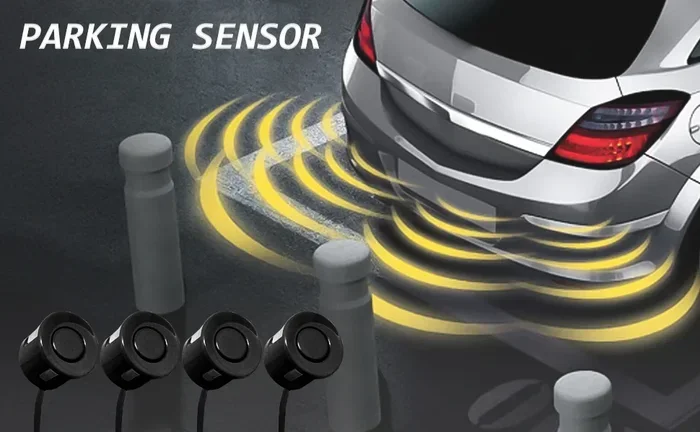
A car reverse sensor is a small device mounted on the rear bumper of your vehicle. It uses ultrasonic technology to detect obstacles behind your car when you shift into reverse. When an object comes within a certain distance, the sensor sends a warning signal. Most systems produce a beeping sound that gets faster as you get closer to the object.
These sensors are part of a broader category called parking assistance systems. Some cars come with them factory-installed. Others need aftermarket additions. Either way, the goal is the same: help you park safely and avoid expensive repairs.
Why does this matter so much? Rear-end collisions in parking lots are incredibly common. They happen in driveways, garages, and tight street spots. A reverse parking sensor gives you an extra layer of awareness that mirrors and cameras alone cannot provide. For families with young children, for older drivers, or for anyone who frequently parks in crowded areas, this small investment can make a big difference.
How Reverse Sensors Work
Most car reverse sensors use ultrasonic waves. Here is a simple breakdown of how they work:
- The sensor sends out ultrasonic pulses when you put the car in reverse.
- These pulses bounce off objects behind the vehicle.
- The sensor calculates the distance based on the time it takes for the pulse to return.
- The system triggers a warning beep when the object is within a set range, usually between 0.3 and 2.5 meters.
- More advanced systems adjust the beep frequency, getting faster as you get closer.
Some modern setups also include a dashboard display monitor that shows a visual representation of the distance. This makes it even easier to judge how close you are to an obstacle.
Types of Reverse Sensors and Their Price Range
Not all reverse sensors are the same. The type you choose has a big impact on car reverse sensor price. Let us look at the main options available.
Single Ultrasonic Sensors
A single ultrasonic sensor is the most basic and affordable option. It is a small bumper-mounted device that provides audible warnings when you reverse into something. These are great for drivers who just need a simple safety boost.
Typical price range: $10 to $30 per sensor. Most kits include one or two sensors.
Multi-Sensor Kits
Multi-sensor kits are the most popular choice for aftermarket installations. They typically include four sensors that cover the full width of the rear bumper. This gives you complete coverage and eliminates blind spots on both sides.
Typical price range: $40 to $150 for a complete four-sensor kit.
Sensor Systems with Display Monitors
If you want the full experience, a reverse sensor system with a display monitor is the way to go. These kits include sensors, a small screen that mounts on the dashboard or rearview mirror, and sometimes even a camera. The display shows distance indicators visually, which is especially helpful in low-light conditions.
Typical price range: $100 to $300 for a complete system with monitor.
Camera-Based Reverse Systems
Camera-based systems combine sensors with a rear-mounted camera. The camera feeds live video to a screen, and the sensors provide audible distance warnings. These are the most advanced and expensive option, but they offer the best visibility.
Typical price range: $150 to $400 or more for a high-quality setup.
Wireless vs Wired Sensors
Another factor that affects parking sensor price is the connection type:
- Wired sensors: These require physical wiring from the sensors to the control unit. They tend to be slightly cheaper but harder to install.
- Wireless sensors: These transmit signals without wires, making installation easier. They usually cost a bit more due to the added technology.
For most DIY installers, wireless kits are the preferred choice. They save a lot of time and effort during setup.
Factors That Affect Car Reverse Sensor Price
Why does one reverse sensor kit cost $30 while another costs $200? Several factors come into play. Understanding these helps you figure out where to spend and where to save.
Number of Sensors
This is the most obvious factor. A single sensor costs very little. A full set of four or six sensors naturally costs more. Most standard kits come with four sensors, which covers the width of a typical car or SUV bumper. Larger vehicles like trucks or vans may need six or even eight sensors for full coverage.
Sensor Quality and Build
Not all sensors are built the same. Cheap sensors may use lower-grade plastic housings and less reliable ultrasonic components. Higher-quality sensors feature durable materials, weather-resistant coatings, and more accurate detection. The difference in sensor replacement cost over time can be significant if you go with a very cheap option that breaks easily.
Brand Reputation
Brand name matters in the car sensor market. Established brands like Bosch, ParkSense, and Cobra invest heavily in research and quality control. Their sensors tend to be more reliable and accurate. You pay a premium for this, but you also get better warranty coverage and longer product life.
Display and Alert Features
Basic sensors just beep. More advanced systems offer visual displays, customizable alert tones, and distance indicators on a screen. Systems with a dashboard display monitor naturally cost more. But the added convenience and safety they provide make them worth considering for many drivers.
Compatibility and Vehicle Fit
Some sensors are designed for specific vehicle models. Universal kits work with almost any car but may require extra trimming or adapter pieces. Vehicle-specific kits fit more seamlessly but sometimes cost a bit more. Make sure to check compatibility before purchasing.
Installation Complexity
DIY-friendly kits keep costs low. Systems that require professional installation add labor charges to the total car reverse sensor price. Some kits also need a dedicated power source or integration with the car’s existing electrical system, which increases complexity and cost.
OEM vs Aftermarket Reverse Sensors: Cost Comparison
When shopping for reverse sensor price, you will quickly encounter two main categories: OEM and aftermarket. Here is what you need to know about each.
OEM (Original Equipment Manufacturer) Sensors
OEM sensors come from the same supplier that provided parts for your car when it was built. They are designed to match the exact specifications of your vehicle.
- Pros: Perfect fit, seamless integration with the car’s systems, and often covered under warranty.
- Cons: Significantly more expensive. OEM parts from dealerships can cost two to three times more than aftermarket alternatives.
- Typical price: $50 to $200 per sensor, depending on the vehicle model.
Aftermarket Sensors
Aftermarket sensors are made by third-party manufacturers. They are designed to work with a wide range of vehicles and are widely available online and in auto parts stores.
- Pros: Much more affordable, wide variety of options, easy to find replacement parts.
- Cons: Fit may not be perfect, and quality can vary between brands.
- Typical price: $10 to $150 for a complete kit, depending on features.
Which One Should You Choose?
For most drivers, aftermarket kits offer the best value. You get reliable performance at a fraction of the OEM cost. However, if your car is still under warranty or if you want a seamless factory look, OEM sensors are worth the extra investment. Just make sure to check whether adding aftermarket sensors voids any existing warranty.
| Feature | OEM Sensors | Aftermarket Sensors |
|---|---|---|
| Price per sensor | $50 – $200 | $10 – $50 |
| Fit and finish | Perfect match | Good, may need adjustments |
| Warranty coverage | Usually included | Varies by brand |
| Installation ease | Very easy | Easy to moderate |
| Availability | Dealership only | Online and retail stores |
| Detection accuracy | Excellent | Good to excellent |
As you can see from the table, aftermarket reverse sensors offer strong value for the price. The performance gap has narrowed significantly in recent years, and many budget-friendly kits now deliver results that rival OEM systems.
Installation Costs and DIY vs Professional Setup
One of the biggest questions people ask about car reverse sensor price is whether they should install the sensors themselves or pay a professional. The answer depends on your comfort level with basic car repairs and the complexity of the kit you choose.
DIY Installation
Most aftermarket sensor kits come with everything you need for installation. This includes the sensors, wiring, a control module, and a detailed instruction manual. Basic tools like a drill, screwdriver, and wire stripper are all you need.
DIY installation cost: $0 (you save on labor charges).
Here are some quick tips for a smooth DIY install:
- Clean the bumper area thoroughly before drilling holes for the sensors.
- Use the template that comes with the kit to mark drill points accurately.
- Run the wiring carefully along the edge of the bumper and into the cabin.
- Test the sensors before finalizing the mount to make sure everything works.
- Seal the sensor holes with the provided grommets to prevent water entry.
Many drivers complete the installation in under an hour. If you have basic mechanical skills, DIY is absolutely the way to go.
Professional Installation
If you prefer not to drill holes or deal with wiring, professional installation is a great option. Auto electricians and stereo shops can install most sensor kits in 30 minutes to an hour.
Professional installation cost: $50 to $150, depending on your location and the shop’s rates.
Professional installation also gives you the peace of mind that the wiring is clean and the sensors are calibrated correctly. Some shops even offer a warranty on their installation work.
Total Cost Breakdown
Here is a realistic look at what you can expect to pay for a complete reverse sensor system, including both the sensors and installation:
- Budget DIY kit (2 sensors): $20 to $40 total
- Standard DIY kit (4 sensors): $50 to $100 total
- Premium DIY kit (4 sensors + display): $100 to $250 total
- Professional installation (4 sensors): $100 to $200 total
- Premium professional install (4 sensors + display): $200 to $400 total
As you can see, doing it yourself can save you a significant amount of money. Even a moderately priced kit with professional installation usually costs less than an OEM replacement from the dealership.
Best Reverse Sensor Brands to Consider
When it comes to car sensor brands, there are several names that consistently deliver quality and reliability. Here are some of the top brands to consider for your next purchase.
Bosch
Bosch is one of the most trusted names in automotive technology. Their reverse sensor kits are known for excellent detection accuracy and durable construction. Bosch sensors tend to be on the higher end of the price spectrum, but the quality and reliability justify the cost.
ParkSense
ParkSense is a popular aftermarket brand that offers a great balance of affordability and performance. Their multi-sensor kits are easy to install and come with clear audible alerts. ParkSense is a solid choice for drivers who want good quality without breaking the bank.
Dewalt
Dewalt is primarily known for power tools, but their automotive sensors are surprisingly good. They are built tough and designed to withstand harsh weather conditions. Dewalt sensors are a great option for trucks and SUVs that face tougher driving conditions.
Auto-Vox
Auto-Vox specializes in camera and sensor combinations. Their reverse sensor kits with built-in cameras are among the best-selling options on the market. If you want both a sensor and a rearview camera in one package, Auto-Vox is worth looking at.
Budget Brands (Generic Kits)
There are many generic or unbranded kits available online for very low prices. These can work fine for basic needs, but quality control is inconsistent. If you go the budget route, read reviews carefully and buy from a reputable seller.
How to Choose the Right Reverse Sensor for Your Car
With so many options available, choosing the right car reverse sensor can feel overwhelming. Here are some practical tips to help you decide.
Assess Your Needs
Think about where and how you park. If you frequently navigate tight spaces or have a large vehicle, a full four-sensor kit with a display is a smart investment. If you just need a basic safety boost, a simple two-sensor kit may be all you need.
Check Your Vehicle Compatibility
Before buying, make sure the kit is compatible with your vehicle model and year. Some sensors require specific mounting sizes or wiring configurations. Universal kits work with most cars but may need minor adjustments.
Set a Budget
Decide how much you are willing to spend before you start shopping. This helps you narrow down the options and avoid overspending on features you do not really need. Remember that the most expensive option is not always the best for your situation.
Read Reviews and Ratings
Customer reviews are one of the best ways to gauge real-world performance. Look for reviews that mention durability, detection accuracy, and ease of installation. Pay attention to any recurring complaints about false alarms or short lifespan.
Consider the Warranty
A good warranty is a sign of a quality product. Look for kits that offer at least a one-year warranty. Some premium brands offer lifetime warranties on their sensors, which adds significant value over time.
Think About Future Resale Value
Adding a reverse sensor system can actually improve the resale value of your car. Many buyers look for parking assistance features, and having them already installed is a selling point. This means your car reverse sensor price is an investment, not just an expense.
Common Mistakes to Avoid When Buying Reverse Sensors
To help you get the most for your money, here are some common mistakes to watch out for:
- Buying the cheapest option without checking quality: Ultra-budget sensors may fail within months. Spending a little more on a reputable brand saves money in the long run.
- Ignoring compatibility: Not all sensors fit all vehicles. Always double-check the fitment before purchasing.
- Skipping the display monitor: A display makes a huge difference in usability, especially at night or in bad weather.
- Not sealing sensor holes properly: Water can get into the holes and cause corrosion or electrical issues. Always use the grommets and sealant provided.
- Overlooking wireless options: Wireless sensors are slightly more expensive but much easier to install. The convenience is worth the small price difference for most people.
Quick Tips for Getting the Best Deal on Car Reverse Sensors
Saving money on reverse parking sensor price is easier than you think. Here are some quick tips:
- Shop online during sales events like Black Friday or Amazon Prime Day for the best discounts.
- Buy a complete kit instead of individual sensors. Kits almost always offer better value per sensor.
- Check for coupons and promo codes before purchasing from any online retailer.
- Consider a basic kit first and upgrade later if you need more features.
- Join car enthusiast forums where members often share discount codes and deal alerts.
- Compare prices across multiple retailers, including Amazon, Walmart, and specialized auto parts websites.
Key Takeaways
- Wide Price Range: Car reverse sensor price spans from budget-friendly single sensors to premium multi-sensor kits costing over $300.
- Type Matters: Ultrasonic sensors are the most common and affordable, while camera-based systems cost more but offer better visibility.
- OEM vs Aftermarket: OEM sensors deliver perfect fit but come at a premium. Aftermarket options provide excellent value for most drivers.
- Installation Costs Add Up: Professional installation can add $50 to $150 on top of the sensor cost.
- DIY Saves Money: Many kits are designed for easy self-installation with basic tools.
- Brand and Features Matter: Premium brands like Bosch and ParkSense offer reliability, while budget brands work well for basic needs.
- Value Over Price: The cheapest option isn’t always the best. Consider durability, warranty, and compatibility when choosing.
Conclusion
Car reverse sensor price is something every driver should understand before making a purchase. These small devices pack a powerful punch when it comes to safety and convenience. Whether you choose a basic two-sensor kit for under $30 or invest in a premium system with a display monitor for $200 or more, you are making your driving experience safer and more confident.
The key is to find the right balance between cost and quality. Aftermarket kits offer excellent value for most drivers, and DIY installation can save you even more money. Take the time to compare options, read reviews, and choose a system that fits your vehicle, your budget, and your parking needs.
At the end of the day, a reverse parking sensor is one of the most cost-effective safety upgrades you can make to your car. It protects your vehicle from expensive damage, it helps prevent accidents, and it makes every parking maneuver smoother. Do your research, pick a good system, and enjoy the peace of mind that comes with knowing you have an extra set of eyes on the road behind you.
Start your search today. Compare car reverse sensor price across a few trusted brands, read the reviews, and pick the kit that gives you the best value. Your car and your parking confidence will thank you.
Frequently Asked Questions
What is the average car reverse sensor price for a basic kit?
A basic reverse sensor kit with two to four sensors typically costs between $20 and $60. These kits include all the hardware you need for installation and are perfect for drivers who want a simple, affordable safety upgrade. Prices may vary slightly based on the brand and sensor quality.
How much does it cost to install reverse sensors professionally?
Professional installation for a standard four-sensor kit usually costs between $50 and $150. The exact price depends on your location, the complexity of the installation, and the shop’s hourly rates. Some auto parts stores also offer free or discounted installation when you purchase a kit from them.
Are wireless reverse sensors more expensive than wired ones?
Yes, wireless reverse sensors typically cost $10 to $30 more than their wired counterparts. The price difference is due to the added wireless transmission technology. However, many drivers find the easier installation and cleaner look of wireless sensors well worth the extra cost.
Can I add reverse sensors to any car?
Yes, you can add reverse sensors to almost any car. Universal kits are designed to work with most vehicles. Vehicle-specific kits offer a more seamless fit but may be limited to certain models. Always check compatibility with your vehicle before purchasing.
Do reverse sensors work in all weather conditions?
Most quality reverse sensors are weather-resistant and work reliably in rain, snow, and extreme temperatures. However, heavy dirt, ice, or snow buildup on the sensors can temporarily reduce their accuracy. Keeping the sensors clean ensures consistent performance year-round.
How long do car reverse sensors typically last?
A good-quality reverse sensor can last between 5 and 10 years with normal use. Durability depends on the build quality, exposure to harsh weather, and how well the sensors are maintained during installation. Higher-end brands tend to outlast budget options, so investing in quality pays off over time.