Alabama Window Tint Law Guide Everything You Need to Know
Alabama Window Tint Law sets specific rules on how dark or reflective your car windows can be tinted. Understanding these regulations helps you avoid costly tickets and keeps you on the right side of the law. This guide covers every aspect of Alabama tint regulations, from VLT limits to medical exemptions.
Driving around the beautiful roads of Alabama with tinted windows feels amazing. The sun is blocked out, your car stays cooler, and you get that sleek, polished look every car lover dreams about. But here is the catch. Alabama has specific rules about how dark or reflective your window tint can be. And if you do not follow them, you could end up with a costly ticket or even be told to remove your tint altogether.
This Alabama Window Tint Law Guide breaks down everything you need to know. From VLT percentages to medical exemptions, we have got you covered. Whether you are a first-time car owner or someone who just moved to Alabama, this guide will help you stay compliant and avoid unnecessary headaches. Let us dive right in.
Key Takeaways
- Windshield tint: Only a non-reflective strip is allowed on the top of the windshield in Alabama.
- Front side windows: Must allow more than 32% VLT for passenger vehicles.
- Rear windows: Can be tinted darker, but dual side mirrors are required if rear window is tinted.
- Medical exemption: Alabama offers a waiver for darker tint with a doctor’s prescription.
- Reflective tint: Not allowed on any window in Alabama.
- Fines: Violating tint laws can result in tickets and fines up to $100 or more.
- Tint color: Red, amber, and blue tints are strictly prohibited in Alabama.
📑 Table of Contents
- Understanding Alabama Window Tint Law Basics
- Legal Tint Darkness for Each Window
- Reflective and Colored Tint Restrictions
- Medical Exemption for Darker Tint
- Tint Tickets and Penalties in Alabama
- Factory Tint vs. Aftermarket Tint
- Benefits of Legal Window Tinting
- Quick Tips for Staying Compliant with Alabama Tint Laws
- Common Mistakes People Make with Window Tint in Alabama
- How to Find a Reliable Tint Shop in Alabama
- Frequently Asked Questions About Alabama Window Tint Law
- Conclusion
Understanding Alabama Window Tint Law Basics
Before we get into the details, let us talk about the basics. Alabama Window Tint Law is part of the state vehicle code. It governs how much light can pass through your car windows when they are tinted. The key measurement here is VLT, which stands for Visible Light Transmission. Simply put, VLT tells you how much light the tint allows to pass through your window.
A higher VLT means more light gets through, making the tint lighter. A lower VLT means less light gets through, making the tint darker. Alabama law sets specific VLT limits for different windows on your vehicle. These limits vary depending on whether you drive a passenger car, SUV, or van. Understanding these basics is the first step toward staying legal on Alabama roads.
What Is VLT and Why Does It Matter?
VLT is the most important term in any window tint conversation. When you visit a tint shop Alabama drivers trust, the first question they will ask is about VLT. This percentage directly determines whether your tint is legal or not. For example, if a film has a VLT of 35%, it allows 35% of light to pass through and blocks 65%. In Alabama, your front side windows must have a VLT of more than 32%. This means you cannot go darker than 32% on those windows. The rear windows have more flexibility, but there are still rules you must follow.
How Alabama Measures Tint Darkness
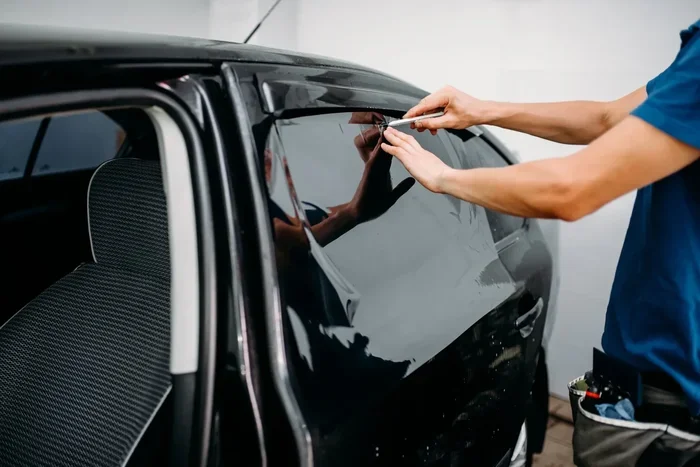
Alabama uses a percentage-based system to measure tint darkness. Law enforcement officers use specialized tint meters to check your windows during traffic stops. These devices measure the actual VLT of your tinted glass. If your tint falls below the legal limit, you will be cited. It is that simple. The state does not give much wiggle room here. Even a small difference in VLT can mean the difference between a legal tint and a violation. This is why it is so important to work with a reputable auto tinting laws professional who understands Alabama regulations inside and out.
Legal Tint Darkness for Each Window
Now let us break down the legal tint darkness for every window on your vehicle. Alabama has different rules for different windows, and knowing them will save you time and money.
Windshield Tint Rules
The windshield has the strictest rules in Alabama. You are only allowed to apply a non-reflective tint strip at the top of the windshield. This strip must be above the manufacturer’s AS-1 line or the top five inches of the windshield, whichever is less. No other part of the windshield can be tinted. This rule exists to ensure drivers have maximum visibility, especially during sunrise and sunset when glare can be dangerous. If you tint your windshield illegally, you will likely face a fine and be ordered to remove it immediately.
Front Side Window Tint Rules
For passenger vehicles, the front side windows must allow more than 32% of light to pass through. This means your tint must have a VLT greater than 32%. This rule applies to the driver and front passenger windows. The reason behind this rule is straightforward. Front side windows need to provide clear visibility for the driver and for law enforcement officers who may need to see inside your vehicle during a traffic stop. If you are caught with front side windows tinted below 32% VLT, you will receive a citation.
Rear Side Window and Rear Window Tint Rules
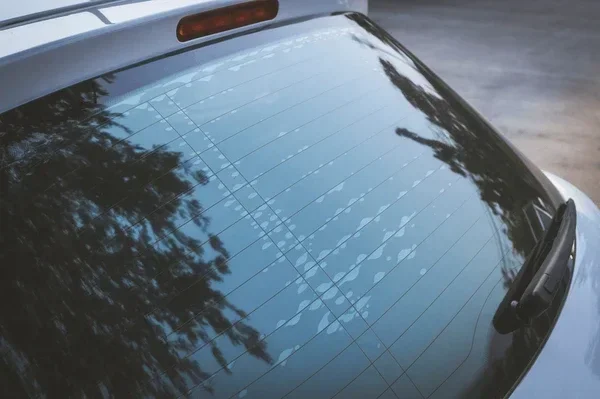
Here is where things get a bit more flexible. Alabama allows darker tint on the rear side windows and rear window of passenger vehicles. There is no specific VLT limit stated for rear windows, which means you can go darker. However, there is an important condition. If you tint your rear window, you must have dual side mirrors. This ensures that your rear visibility is not compromised. Many drivers love the look and privacy of dark rear windows, and Alabama law accommodates that as long as you follow the mirror requirement.
Summary of Legal Tint Darkness by Window
| Window | Legal Tint Limit | Additional Requirements |
|---|---|---|
| Windshield | Non-reflective strip only (top 5 inches) | No tint below AS-1 line |
| Front Side Windows | More than 32% VLT | Must pass tint meter inspection |
| Rear Side Windows | No specific limit | Dual side mirrors required if rear window is tinted |
| Rear Window | No specific limit | Dual side mirrors required |
Reflective and Colored Tint Restrictions
Alabama does not allow reflective tint on any vehicle window. Reflective tint, also called mirror-finish tint, creates a mirror-like appearance from the outside. While it looks cool and reduces glare, it can be dangerous for other drivers and for law enforcement. Reflective surfaces can blind other drivers and make it harder for officers to see inside your vehicle during a stop. Because of this safety concern, Alabama law prohibits reflective tint entirely.
Colored tint is another area with strict rules. Alabama does not allow red, amber, or blue tint on any window. These colors can interfere with visibility and are often associated with emergency vehicles. If you are considering a colored tint for aesthetic reasons, you will need to choose a different color. Standard shades like charcoal, gray, and bronze are perfectly legal and widely available at any tint shop Alabama customers frequent.
Why These Restrictions Exist
The restrictions on reflective and colored tint are not arbitrary. They exist for public safety. Law enforcement officers need to see through your windows during traffic stops. Other drivers need clear visibility, especially at night. Dark or reflective tints can create blind spots and make roads more dangerous for everyone. When you follow auto tinting laws in Alabama, you are not just avoiding fines. You are contributing to safer roads for yourself and others.
Medical Exemption for Darker Tint
Not everyone can tolerate standard tint darkness. Some people have medical conditions that make them extremely sensitive to sunlight. For these individuals, Alabama offers a medical window tint exemption. This exemption allows you to tint your windows darker than the legal limit with proper documentation.
How to Apply for a Medical Exemption
To get a medical exemption for window tint in Alabama, you need a prescription or letter from a licensed physician. The letter must explain your medical condition and why darker tint is necessary. Common qualifying conditions include lupus, eczema, photosensitivity disorders, and certain skin conditions. Once you have the letter, you must carry it in your vehicle at all times. During a traffic stop, you can present this documentation to show that your tint is medically necessary. Without this letter, even a medically necessary tint can result in a citation.
Limitations of the Medical Exemption
The medical exemption does not give you unlimited freedom to tint as dark as you want. It provides a reasonable accommodation for medical needs, but you still need to follow certain guidelines. The exemption must be renewed periodically, and the documentation must be current. It is also important to note that law enforcement officers can still question your tint during a stop. Having your exemption letter readily available is essential. If you have a qualifying condition, talk to your doctor about getting the proper documentation before you tint your windows.
Tint Tickets and Penalties in Alabama
Nobody wants to get pulled over for an illegal tint. But it happens more often than you might think. Alabama law enforcement officers take window tint violations seriously, and the penalties can add up quickly if you do not address them.
What Happens If You Get Pulled Over
If an officer suspects your tint is too dark, they will use a tint meter to measure your VLT. If your tint fails the test, you will receive a citation. The fine for an illegal tint in Alabama can range from $25 to $100 or more, depending on the county and the severity of the violation. In some cases, you may also be required to remove the tint immediately. Repeated violations can lead to higher fines and even more serious consequences.
How to Avoid a Tint Ticket
The best way to avoid a tint ticket fine Alabama is simple. Know the law and follow it. Choose a reputable tint installer who understands Alabama regulations. Ask for documentation of the VLT percentage of your tint film. Keep that documentation in your glove box. If you have a medical exemption, always carry the letter with you. These small steps can save you a lot of trouble down the road. Remember, officers cannot read minds. They can only measure what is in front of them.
Factory Tint vs. Aftermarket Tint
Many people do not realize that new cars often come with factory tint on the rear windows. Factory tint is applied during the manufacturing process and is different from aftermarket tint that you add later. Understanding the difference is important when you are trying to stay compliant with Alabama law.
What Is Factory Tint?
Factory tint is the shading already present on your car windows when you buy it. Most new vehicles come with a factory tint on the rear side windows and rear window. The VLT of factory tint varies by manufacturer, but it typically falls between 15% and 26%. In Alabama, factory tint on rear windows is generally acceptable because there is no specific VLT limit for those windows. However, factory tint on front side windows is rare and usually meets the 32% VLT requirement.
Adding Aftermarket Tint to Factory-Tinted Windows
If your car already has factory tint, adding aftermarket tint on top can push your VLT below the legal limit. For example, if your rear window has a factory tint of 20% VLT and you add aftermarket tint with 5% VLT, the combined VLT could drop well below legal limits. This is a common mistake that many car owners make. Always check your current VLT before adding aftermarket tint. A good tint shop Alabama professional will measure your existing tint and advise you on what is legal.
Benefits of Legal Window Tinting
Now that you know the rules, let us talk about why you should tint your windows in the first place. Legal window tinting offers a range of benefits that go far beyond aesthetics.
UV Protection: Quality window tint blocks up to 99% of harmful UV rays. This protects your skin and reduces your risk of skin cancer. It also protects your car’s interior from fading and cracking caused by sun exposure.
Heat Reduction: Tinted windows significantly reduce the amount of heat that enters your car. On a hot Alabama summer day, this can make a huge difference. Your car stays cooler, and your air conditioning system does not have to work as hard.
Glare Reduction: Driving with glare from the sun or headlights can be dangerous. Window tint reduces glare and improves visibility, making your drives safer and more comfortable.
Privacy and Security: Tinted windows add a layer of privacy. People cannot see into your car easily, which discourages theft. If you leave valuables in your car, tinting makes them less visible to potential thieves.
Interior Protection: The sun’s rays can damage your dashboard, seats, and flooring over time. Tint helps preserve your car’s interior, keeping it looking newer for longer.
Quick Tips for Staying Compliant with Alabama Tint Laws
Staying on the right side of Alabama Window Tint Law does not have to be complicated. Here are some quick tips to keep in mind:
- Choose a reputable tint installer who knows Alabama regulations well.
- Ask for a VLT certificate after your tint is installed and keep it in your car.
- Avoid reflective or colored tints like red, amber, or blue.
- Get a medical exemption if you have a qualifying condition that requires darker tint.
- Check your factory tint before adding aftermarket tint to avoid going too dark.
- Keep dual side mirrors if you tint your rear window.
- Stay updated on any changes to Alabama tint regulations by checking the state vehicle code periodically.
Common Mistakes People Make with Window Tint in Alabama
Even well-meaning car owners make mistakes when it comes to window tint. Here are some common errors to avoid:
Assuming all tint shops know the law: Not every tint installer is familiar with Alabama regulations. Always ask questions and verify the VLT of your tint before you leave the shop.
Tinting the windshield: Some people think a small strip on the windshield is fine, so they go bigger. Remember, only the top five inches of the windshield can be tinted in Alabama. Anything more is illegal.
Ignoring the mirror requirement: If you tint your rear window, you must have dual side mirrors. Forgetting this requirement can result in a citation even if your tint VLT is otherwise legal.
Overlooking factory tint: Adding aftermarket tint without accounting for existing factory tint can push your windows below the legal VLT limit.
Skipping the documentation: Always get written proof of your tint VLT from your installer. If you ever get pulled over, having this documentation on hand can save you time and hassle.
How to Find a Reliable Tint Shop in Alabama
Choosing the right tint shop Alabama residents trust is essential for staying compliant. Here are some tips for finding a quality installer:
- Read online reviews and ask for recommendations from friends or family.
- Check for certifications and experience with Alabama tint laws.
- Ask about warranty on both the tint film and the installation work.
- Visit the shop in person before committing to see their professionalism and quality of work.
- Get a written estimate that includes the VLT of the tint they will install.
A good tint shop will walk you through the legal requirements and help you choose a tint that looks great while staying within Alabama law. Do not be afraid to ask questions. A reputable installer will be happy to explain everything in detail.
Frequently Asked Questions About Alabama Window Tint Law
Can I tint my windshield in Alabama?
You can only apply a non-reflective tint strip to the top of the windshield. The strip must be above the manufacturer’s AS-1 line or the top five inches of the windshield, whichever is less. Tinting any other part of the windshield is illegal in Alabama and can result in a citation.
What is the legal VLT for front side windows in Alabama?
Front side windows on passenger vehicles must allow more than 32% of visible light to pass through. This means your tint must have a VLT greater than 32%. If your front side windows are tinted darker than this, you risk receiving a ticket.
Is there a medical exemption for window tint in Alabama?
Yes, Alabama offers a medical exemption for window tint. You will need a prescription or letter from a licensed physician explaining your condition and why darker tint is necessary. Always carry this documentation in your vehicle when driving with exempted tint.
How much is a tint ticket in Alabama?
A tint ticket fine in Alabama can range from $25 to $100 or more, depending on the county and circumstances. Repeated violations may result in higher fines. The best way to avoid these costs is to ensure your tint is legal from the start.
Can I use reflective tint on my car in Alabama?
No, reflective tint is not allowed on any vehicle window in Alabama. The state prohibits mirror-finish or reflective tint due to safety concerns. Stick with non-reflective tint films to stay compliant with the law.
Do I need dual side mirrors if I tint my rear window?
Yes, Alabama law requires dual side mirrors if your rear window is tinted. This ensures that your rear visibility is not compromised. If you tint your rear window without side mirrors, you could be pulled over and cited.
Conclusion
Understanding Alabama Window Tint Law is essential for every car owner in the state. The rules may seem detailed, but they are designed with safety and clarity in mind. By following the VLT limits, avoiding prohibited tint colors and reflectivity, and taking advantage of medical exemptions when needed, you can enjoy all the benefits of tinted windows without the worry of fines or legal trouble.
Always work with a trusted tint shop Alabama professionals recommend. Keep your documentation handy, and stay informed about any changes to the law. Your car, your safety, and your wallet will all thank you. Now that you have this guide, you are fully equipped to make smart, legal decisions about your vehicle’s window tint. Enjoy the ride, stay cool, and stay compliant.