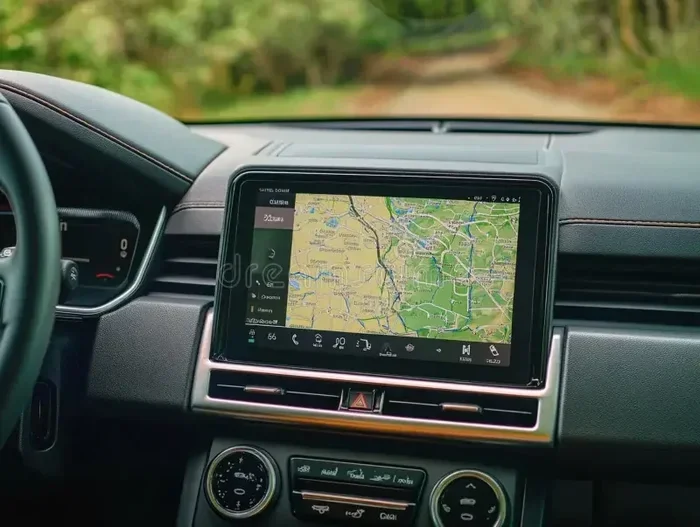
Are Car Navigation Systems Obsolete or Just Evolving
Are Car Navigation Systems Obsolete? The short answer is no. Built-in car GPS has evolved far beyond simple directions. Today’s navigation systems integrate with smartphone apps, offer real-time traffic updates, and even use offline maps to keep you on track. While smartphone navigation is convenient, built-in GPS still holds unique advantages for daily drivers and road trippers alike.
You hop into your car, turn the key, and glance at the screen on the dashboard. The navigation system lights up. It knows where you are. It knows where you need to go. But here is the real question — are car navigation systems obsolete? Many people today just pull out their phones and use Google Maps or Waze. So why bother with a built-in GPS at all?
The truth might surprise you. Are Car Navigation Systems Obsolete? Not even close. They have changed a lot over the past decade. Built-in GPS units now work hand in hand with smartphone navigation apps. They offer features that phones simply cannot match. From real-time traffic updates to offline maps, modern car navigation systems are smarter than ever. In this article, we will explore why GPS trackers and factory infotainment systems still matter. We will also look at how automotive technology is shaping the future of driving directions.
Key Takeaways
- Built-in GPS is not dead: Modern car navigation systems have evolved with faster processors and better mapping data.
- Smartphone apps are popular: Tools like Google Maps and Waze offer real-time traffic updates that compete with factory systems.
- Integration matters: Apple CarPlay and Android Auto bridge the gap between phone and car infotainment systems.
- Offline maps are a game changer: GPS trackers with offline capability work even in dead zones.
- Voice commands improve safety: Hands-free driving features in modern automotive technology reduce distractions.
- Route optimization saves time and fuel: Smart mapping software finds the fastest and most efficient paths.
- Car navigation is evolving, not dying: Built-in GPS continues to adapt with new features every year.
📑 Table of Contents
The Rise of Smartphone Navigation
Why Phones Took Over
It is hard to ignore how much smartphone navigation has changed driving. Apps like Google Maps, Apple Maps, and Waze put a powerful GPS tracker in your pocket. They offer turn-by-turn directions, live traffic data, and estimated arrival times. Best of all, they are free. Most people already carry their phones everywhere. So using a phone for directions feels natural and easy.
But convenience comes with trade-offs. Phone mounts can block your view. Touchscreens distract you from the road. And what happens when you lose cell signal on a remote highway? This is where built-in GPS systems shine. They do not depend on a cell tower. They do not drain your phone battery. They are built into the vehicle itself.
Smartphone Apps vs. Built-In Systems
Let us compare the two side by side. Smartphone navigation apps are great for quick trips and familiar routes. They update constantly with new roads and businesses. Mapping software on phones also learns your habits over time. It suggests faster routes based on your daily commute.
However, built-in GPS systems offer a more seamless experience. The screen is larger and mounted in a safe viewing position. The system integrates with your car’s audio so you can hear directions through your speakers. Voice commands on factory systems are often more responsive than phone-based assistants. Plus, built-in GPS units come with dedicated GPS receivers that maintain a strong signal even in areas with poor cell coverage.
How Modern Car Navigation Systems Work
GPS Signal and Satellite Technology
Every GPS tracker in your car talks to a network of satellites orbiting Earth. These satellites send signals down to your vehicle. The GPS receiver in your car calculates your exact location using those signals. This process is called dead reckoning. It works even when you are driving through tunnels or dense forests where cell signals fade.
Modern car navigation systems use multiple satellite systems at once. They pull data from GPS, GLONASS, and Galileo networks. This means your mapping software locks onto your position faster and more accurately than older systems ever could. The accuracy is usually within a few meters. That is good enough for any turn-by-turn directions you need.
Real-Time Traffic Updates
One of the biggest advantages of modern navigation systems is real-time traffic updates. Factory infotainment systems now connect to the internet through built-in cellular modems. They receive live data about road closures, accidents, and congestion. The route optimization algorithms then recalculate your path on the fly.
Some systems also pull data from other drivers on the road. This crowd-sourced traffic information helps built-in GPS units avoid bottlenecks. You get hands-free driving guidance without ever touching your phone. The system speaks to you through clear voice prompts and shows visual routes on the dashboard screen.
Apple CarPlay and Android Auto: The Best of Both Worlds
Bridging Phone and Car
Apple CarPlay and Android Auto have changed the game for car navigation systems. These platforms let your phone’s navigation app appear on your car’s screen. You get the best of both worlds. You use the familiar interface of Google Maps or Waze. But you see it on the larger, safer display built into your dashboard.
Hands-free driving becomes much easier with these systems. You can give voice commands to set a destination, search for gas stations, or reroute around traffic. The navigation app reads your messages aloud and lets you respond using voice input. This keeps your eyes on the road and your hands on the wheel.
Which Is Better for Navigation?
Many drivers wonder whether to rely on Apple CarPlay, Android Auto, or the factory built-in GPS. The answer depends on your needs. If you travel to unfamiliar areas often, smartphone navigation apps may offer more up-to-date places and business data. If you prefer a seamless, integrated experience, the factory infotainment system is hard to beat.
Some cars now offer both options side by side. You can switch between the factory GPS tracker and your phone’s app with the touch of a button. This flexibility gives drivers the power to choose what works best for each trip.
When Built-In GPS Still Wins
Offline Maps and Remote Areas
One area where built-in GPS clearly beats phone apps is offline use. Offline maps are pre-loaded onto the navigation system. They do not require an internet connection. This makes them perfect for road trips through rural areas, national parks, or remote mountain roads.
Phone apps like Google Maps do offer offline downloads. But they take up storage space and need to be updated manually. Car navigation systems handle offline maps more smoothly. The mapping software runs directly from the car’s processor. You get reliable directions even in the middle of nowhere with no cell signal at all.
Larger Screens and Better Integration
Factory infotainment systems are designed for the vehicle. The screens are larger and positioned for easy viewing. The audio system is tuned to work with the car’s speakers. Directions come through clearly without competing with road noise. Voice commands on built-in GPS units are often more accurate because the microphone is designed for the car’s interior.
Some premium car navigation systems also include rear-seat screens. This is great for families on road trips. Passengers can see the route, find rest stops, and even pick entertainment options. This level of integration is something a phone simply cannot provide.
Safety and Distraction Reduction
Hands-free driving is a major benefit of modern automotive technology. Built-in GPS systems are designed to minimize distractions. The interface is simpler and less cluttered than a phone screen. You can set a destination before you start driving. The system guides you with clear audio prompts and large visual arrows on the dashboard.
Many navigation systems now include lane departure warnings and speed limit alerts. These features work together with the GPS tracker to keep you safe. The mapping software knows the speed limits on each road. It can warn you if you are speeding. This level of integration makes car navigation systems a safety tool, not just a convenience.
Common Mistakes That Make Navigation Frustrating
Ignoring Map Updates
One of the biggest mistakes drivers make is skipping map updates. Roads change. New businesses open. Mapping software becomes outdated fast. An old GPS tracker might send you down a road that no longer exists or miss a new highway bypass. Always update your car navigation system maps regularly. Most factory systems offer free updates for the first few years after purchase.
Relying Only on GPS Without Common Sense
Built-in GPS is a tool, not a replacement for your own judgment. Sometimes the navigation system will suggest a route that is clearly wrong. Maybe a road is closed for construction. Maybe a bridge is too low for your vehicle. Always use your common sense alongside the GPS tracker. Trust your instincts when something does not feel right.
Not Using Voice Commands
Touching a screen while driving is distracting. Many drivers waste precious seconds tapping through menus. Voice commands on modern infotainment systems are much faster and safer. Learn the voice shortcuts for your car navigation system. Say “navigate to” followed by a destination. The system will set the route in seconds. This keeps your hands on the wheel and your eyes on the road.
Overlooking Offline Capabilities
If you travel frequently to areas with weak cell service, make sure your navigation system supports offline maps. Do not wait until you are in a remote area to realize your smartphone navigation app is not working. Pre-load offline maps before your trip. Check that your GPS tracker has the latest map data saved locally.
The Future of Car Navigation Systems
AI-Powered Route Planning
The future of car navigation systems is exciting. Artificial intelligence is being integrated into mapping software and infotainment systems. AI can predict traffic patterns based on historical data. It can suggest the best time to leave for an appointment. Some navigation systems already learn your favorite routes and suggest shortcuts you might not know about.
Augmented Reality Heads-Up Displays
Imagine seeing turn-by-turn directions projected right onto your windshield. Augmented reality heads-up displays are becoming a reality in luxury vehicles. These displays overlay navigation arrows directly onto the road ahead. You never have to take your eyes off the windshield. This technology makes hands-free driving even safer and more intuitive.
Integration with Smart City Infrastructure
As cities become smarter, car navigation systems will talk to traffic lights, parking sensors, and road infrastructure. Your GPS tracker will know exactly where open parking spots are. It will adjust your route based on real-time signal timing. This level of automotive technology will make driving smoother and more efficient than ever before.
Key Takeaways
- Built-in GPS is not dead: Modern car navigation systems have evolved with faster processors and better mapping data.
- Smartphone apps are popular: Tools like Google Maps and Waze offer real-time traffic updates that compete with factory systems.
- Integration matters: Apple CarPlay and Android Auto bridge the gap between phone and car infotainment systems.
- Offline maps are a game changer: GPS trackers with offline capability work even in dead zones.
- Voice commands improve safety: Hands-free driving features in modern automotive technology reduce distractions.
- Route optimization saves time and fuel: Smart mapping software finds the fastest and most efficient paths.
- Car navigation is evolving, not dying: Built-in GPS continues to adapt with new features every year.
Conclusion
So, are car navigation systems obsolete? The answer is a clear no. Are Car Navigation Systems Obsolete? They are evolving faster than most people realize. Built-in GPS systems now offer real-time traffic updates, offline maps, and deep integration with Apple CarPlay and Android Auto. They work alongside smartphone navigation apps to give drivers the best of both worlds.
The days of clunky, outdated GPS trackers are long gone. Today’s car navigation systems are powerful, intelligent, and safer than ever. Whether you rely on the factory infotainment system or your phone’s navigation app, the key is to use both wisely. Keep your maps updated. Use voice commands for safer driving. And always trust your judgment alongside your GPS tracker.
Car navigation is not going away. It is getting better every year. Embrace the technology. Explore new routes with confidence. Let modern automotive technology guide you to your destination safely and efficiently. The road ahead is bright, and your built-in GPS is ready for the journey.
Frequently Asked Questions
Are car navigation systems still worth having in 2024?
Absolutely. Built-in GPS systems have evolved significantly. They offer real-time traffic updates, offline maps, and seamless integration with Apple CarPlay and Android Auto. Many modern infotainment systems provide a safer and more integrated experience than using a phone alone.
Is smartphone navigation better than built-in car GPS?
It depends on your needs. Smartphone navigation apps like Google Maps and Waze offer frequent updates and crowd-sourced traffic data. But built-in GPS systems provide a larger screen, better audio integration, and offline capabilities. Many drivers use both for the best results.
Do I need to update my car’s navigation maps?
Yes, regular updates are important. Outdated mapping software can send you down closed roads or miss new routes. Most factory navigation systems offer free updates for the first few years. After that, updates may cost a small fee or be available through the manufacturer’s website.
Can I use offline maps with my car navigation system?
Many modern car navigation systems support offline maps. This is especially useful for road trips in remote areas with no cell signal. Check your vehicle’s manual or settings to see if offline map downloads are available for your GPS tracker.
What is the difference between Apple CarPlay and built-in navigation?
Apple CarPlay mirrors your iPhone’s navigation app on the car’s screen. It gives you access to Google Maps, Waze, and other apps. Built-in navigation uses the car’s own GPS receiver and mapping software. Both have advantages, and many drivers switch between them based on the trip.
Will GPS navigation systems become obsolete in the future?
No, they will continue to evolve. AI-powered route planning, augmented reality displays, and smart city integration are making car navigation systems more advanced every year. Built-in GPS technology is becoming more integrated with vehicle safety features, making it an essential part of modern driving.