Types of Sunroof in Cars and How to Choose the Right One
There are many types of sunroof in cars, from simple pop-up panels to sweeping panoramic designs. Each style offers unique benefits for light, airflow, and cabin aesthetics. This guide breaks down every major option so you can pick the best fit for your budget, climate, and driving needs.
The types of sunroof in cars have changed a lot over the years. What started as a simple metal panel that popped up has turned into sleek glass roofs that span the entire cabin. Today, car buyers have more sunroof options than ever before. Whether you want fresh air, natural light, or a premium feel, there is a sunroof in cars style built for you.
In this guide, we walk through every major car sunroof type in detail. We compare features, highlight pros and cons, and share practical tips to help you choose wisely. By the end, you will know exactly which types of sunroof in cars fits your lifestyle and budget.
Key Takeaways
- Know Your Options: There are six main types of sunroof in cars, including pop-up, spoiler, sliding, tilt-and-slide, panoramic, and removable.
- Sunroof vs Moonroof Matters: A moonroof is a tinted glass panel, while a traditional sunroof is often a removable or opaque panel.
- Match to Your Lifestyle: Your driving habits, climate, and budget should guide which car sunroof types you choose.
- Cost Varies Widely: Sunroof installation cost ranges from a few hundred dollars for manual options to over $2,000 for premium panoramic sunroof systems.
- Maintenance Is Key: Regular sunroof maintenance prevents leaks, stuck panels, and expensive sunroof repair bills.
- Weigh the Pros and Cons: Sunroof benefits include more light and a spacious feel, but drawbacks include heat gain and potential repair costs.
📑 Table of Contents
What Is a Sunroof in a Car and Why It Matters
A sunroof is a panel set into the roof of your car. It can open, tilt, or simply let light into the cabin. Many drivers love a sunroof because it makes the interior feel bigger and brighter. On a long road trip, nothing beats pulling back a sunroof glass panel and feeling the breeze on your face.
But not all sunroof in cars work the same way. Some slide back, some pop up, and some cannot open at all. Understanding these differences is the first step to making a smart choice. The right sunroof can boost your comfort, your resale value, and your daily driving joy.
Before we dive into each style, let us clear up one common mix-up. Many people use the words sunroof and moonroof interchangeably. They are not the same thing. We will explain the difference in a moment. For now, just know that the types of sunroof in cars cover a wide range of designs and functions.
The Main Types of Sunroof in Cars
There are several distinct car sunroof types on the market today. Each one has its own look, function, and feel. Let us break them down one by one so you can see which style speaks to you.
Pop-Up Sunroof
The pop-up sunroof is one of the oldest and simplest types of sunroof in cars. It is a removable panel that you can take out entirely or tilt open for airflow. Think of it like a window on the roof. These manual sunroof units are lightweight and easy to operate.
Pop-up sunroof in cars are common in older vehicles and some modern retro-style models. They give you full control over how much open air you want. The trade-off is that they take up storage space when removed and do not seal as tightly as fixed panels.
Spoiler Sunroof
A spoiler sunroof sits on the rear part of the roof. It is designed more for style and aerodynamics than for ventilation. This type of sunroof in cars usually cannot open. Instead, it adds a sleek, sporty look to the vehicle.
Many sports cars and coupés use a spoiler sunroof to improve the roofline shape. It also helps reduce wind noise and drag. If you want the look of a sunroof without the moving parts, a spoiler style is a solid choice.
Sliding Sunroof
The sliding sunroof is one of the most popular types of sunroof in cars today. It slides backward along a track to open a gap in the roof. You get both light and airflow with a single motion. Most sliding sunroof units are electric and controlled by a button on the dashboard.
This style fits well in sedans, SUVs, and crossovers. It is a great balance of function and convenience. The sliding sunroof does not take up interior space, and it creates a nice open feeling without fully removing the panel.
Tilt and Slide Sunroof
A tilt and slide sunroof combines two functions in one unit. You can tilt it open for quick ventilation or slide it back for a wider opening. This is one of the most versatile types of sunroof in cars available.
Many premium vehicles offer a tilt and slide sunroof as standard or optional equipment. It gives you full control over airflow and light. The only downside is that it takes up more roof space and adds weight to the vehicle.
Panoramic Sunroof
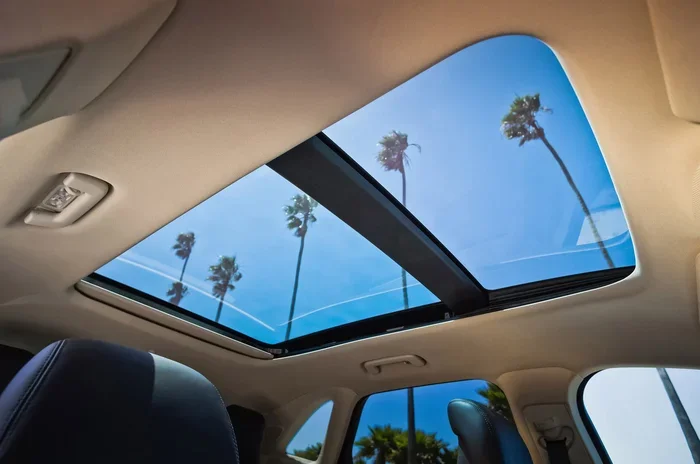
The panoramic sunroof has become a must-have feature in many modern SUVs and luxury sedans. It is a large, often multi-piece glass panel that covers a big portion of the roof. Some panoramic sunroof setups span from the front seats all the way to the rear.
A panoramic roof car feels incredibly airy and open inside. Natural light floods the cabin, making every ride feel more spacious. You can get a panoramic sunroof with a fixed panel or with one or more panels that tilt or slide. The sunroof installation cost for a panoramic unit is higher than most other styles, but many buyers feel it is worth it.
Removable Sunroof
A removable sunroof lets you take the entire panel off the roof. This is a classic type of sunroof in cars that many enthusiasts love. It gives you the full open-air experience, almost like a convertible.
These are often found in classic cars and some modern off-road vehicles. The removable sunroof is perfect for weekend cruising or summer drives. Just remember that you need a safe place to store the panel when it is off.
Moonroof vs Sunroof — What Is the Difference
This is one of the most asked questions about car sunroof types. A sunroof traditionally has a removable or opaque panel that can open. A moonroof is a fixed or sliding glass panel that lets in light but usually does not open. Over time, the terms have blended together, and many manufacturers use them interchangeably.
In simple terms, if the panel opens, it is usually called a sunroof. If it is a fixed glass pane that just lets light in, it is often called a moonroof. Both are valid types of sunroof in cars, and both add value to your vehicle.
| Sunroof Type | Opens? | Material | Best For |
|---|---|---|---|
| Pop-Up | Yes (removable/tilt) | Metal or glass | Classic look, budget buyers |
| Spoiler | No | Glass | Style and aerodynamics |
| Sliding | Yes (slides back) | Glass | Daily drivers, balance of light and air |
| Tilt and Slide | Yes (both functions) | Glass | Maximum ventilation control |
| Panoramic | Some models yes | Glass (large panel) | Luxury feel, spacious cabin look |
| Removable | Yes (fully removable) | Metal or glass | Open-air driving, classic cars |
| Moonroof | Usually no | Tinted glass | Extra light, no moving parts |
How to Choose the Right Sunroof for Your Car
Choosing the right types of sunroof in cars comes down to a few key factors. Not every style works for every driver. Let us walk through the most important things to consider before you make a decision.
Consider Your Driving Habits
How do you use your car every day? If you drive mostly in the city, a sliding sunroof or panoramic sunroof might be perfect. You get extra light and a premium feel without worrying too much about wind noise. If you take long highway trips, a tilt and slide sunroof gives you great airflow control at speed.
Think about how often you would actually use the sunroof. If you rarely open it, a fixed moonroof or spoiler sunroof might be the smarter and more affordable choice. The best sunroof in cars is the one you will actually enjoy using.
Think About Climate and Weather
Where you live plays a big role in choosing the right sunroof. If you live in a hot, sunny climate, a tinted glass panel or moonroof can help block some heat while still letting in light. A fully open sliding sunroof is great for breezy days but may not be ideal in rainy regions.
Cold climates also matter. A sunroof can make the cabin colder in winter and add to heating costs. Make sure your chosen sunroof in cars has good insulation and a reliable seal. Look for models with built-in defrosters and sunshades to handle all seasons.
Budget and Sunroof Installation Cost
The sunroof installation cost varies a lot depending on the type. A simple pop-up sunroof or manual sunroof can be affordable, often under $500. A sliding sunroof or tilt and slide unit usually costs between $800 and $1,500. A panoramic sunroof can run $1,500 to $3,000 or more, especially for premium vehicles.
Also factor in long-term costs. Some types of sunroof in cars need more maintenance than others. A complex panoramic sunroof with multiple moving parts may need more frequent sunroof repair over the years. Set a realistic budget that covers both the upfront cost and any future upkeep.
Pros and Cons of Having a Sunroof
Every sunroof in cars has its upsides and downsides. It is important to weigh both sides before you decide. Let us look at the real-world sunroof benefits and sunroof disadvantages so you know what to expect.
Benefits of a Sunroof
- More Natural Light: A sunroof floods the cabin with daylight. This makes the interior feel bigger, cleaner, and more welcoming.
- Better Airflow: Opening a sunroof lets fresh air circulate through the cabin. It is a great way to cool down on a hot day.
- Open-Air Feeling: Even a small sliding sunroof creates a sense of openness that fixed roofs cannot match.
- Resale Value: Many buyers pay more for cars with a sunroof. It is seen as a premium feature that adds value.
- Scenic Views: A panoramic sunroof lets you and your passengers enjoy the sky and stars on clear nights.
- Reduced Claustrophobia: For drivers who feel cramped in tight cabins, a sunroof can make a big difference in comfort.
Drawbacks to Keep in Mind
- Heat Buildup: A large glass panel can trap heat inside the car. This may increase your AC workload on sunny days.
- Noise: Some types of sunroof in cars can create wind noise at highway speeds, especially if the seal is worn.
- Weight: A sunroof adds weight to the vehicle. This can slightly reduce fuel efficiency over time.
- Leak Risks: Poorly sealed or aging sunroof systems can develop leaks. Water damage inside the cabin is a real concern.
- Repair Costs: Fixing a damaged sunroof glass panel or motor can be expensive. Sunroof repair costs often run higher than regular window repairs.
- Headroom: A panoramic sunroof can slightly reduce headroom for taller passengers, especially in compact vehicles.
Sunroof Maintenance Tips and Common Problems
A sunroof is a mechanical system with moving parts, seals, and drains. Like any other component in your car, it needs regular care. Proper sunroof maintenance keeps everything working smoothly and prevents costly surprises.
Regular Sunroof Maintenance
Start by cleaning the sunroof glass panel and tracks regularly. Dirt and debris can build up and cause scratches or block the drainage channels. Use a gentle glass cleaner and a soft cloth. Avoid harsh chemicals that can damage the rubber seals.
Check the rubber seals around the sunroof every few months. Look for cracks, stiffness, or gaps. A damaged seal is the number one cause of leaks. Apply a silicone-based protectant to keep the seals flexible and watertight. Most experts recommend doing this at least twice a year.
Also, clear the drainage tubes that run along the sunroof frame. These tubes carry water away from the cabin. If they get clogged with leaves or dirt, water can back up and leak inside. A simple flush with water once or twice a year keeps them clear.
Common Sunroof Issues and How to Fix Them
Even with good care, sunroof in cars can develop problems over time. Here are the most common issues and what to do about them.
- Stuck or Slow Panel: This is often caused by a worn motor or debris in the tracks. Clean the tracks first. If the problem continues, have a mechanic check the motor and wiring.
- Leaking Water: Check the seals and drainage tubes. A cracked seal or clogged drain is usually the culprit. Replacing a seal is much cheaper than repairing water-damaged interior trim.
- Noisy Operation: Squeaking or grinding sounds usually mean the tracks need lubrication. Use a white lithium grease or a silicone spray made for sunroof tracks.
- Glass Crack: A cracked sunroof glass panel should be repaired or replaced quickly. Delaying can lead to water damage and safety issues.
- Clean your sunroof tracks every month to prevent buildup.
- Lubricate the rubber seals twice a year with a silicone protectant.
- Always close the sunroof before going through a car wash.
- Keep the drainage holes clear of leaves and debris, especially in fall.
- Address small leaks immediately before they turn into big water damage issues.
Sunroof vs Convertible — Which Is Right for You
Some drivers wonder if a sunroof is the same as having a sunroof vs convertible setup. A convertible has a fully retractable roof, giving you complete open-air driving. A sunroof only opens part of the roof. A removable sunroof comes closest to a convertible experience, but it still requires you to store the panel.
If you love the open-air feeling and live in a warm climate, a convertible might be the better choice. But if you want the flexibility of open air on sunny days and a closed roof when it rains, a sliding sunroof or tilt and slide sunroof offers the best of both worlds. The sunroof vs convertible debate comes down to how often you want that open-air experience.
Final Thoughts on Choosing Types of Sunroof in Cars
Choosing the right types of sunroof in cars is all about matching the style to your needs. Think about how you drive, where you live, and what you can afford. A pop-up sunroof works well for budget-conscious buyers. A sliding sunroof is a versatile choice for daily drivers. A panoramic sunroof adds a luxury touch that many drivers love.
No matter which sunroof in cars you pick, remember to keep up with sunroof maintenance. Regular cleaning, seal checks, and prompt repairs will keep your sunroof working beautifully for years. The right sunroof can truly transform your driving experience, making every trip feel more enjoyable and open.
Take your time, compare the options, and choose the types of sunroof in cars that fit your life. You will be glad you did every time you pull back that panel and feel the sun on your face.
Frequently Asked Questions
What is the most popular type of sunroof in cars?
The sliding sunroof and panoramic sunroof are the most popular types of sunroof in cars today. They offer a great balance of style, function, and ease of use. Most new SUVs and sedans come with one of these two options as standard or available equipment.
Is a moonroof the same as a sunroof?
Not exactly. A moonroof is typically a fixed or sliding glass panel that lets in light but does not open. A traditional sunroof often has a removable or tilting panel that can open for airflow. Over time, the terms have become interchangeable in the car industry.
How much does it cost to install a sunroof in a car?
The sunroof installation cost depends on the type. A basic manual sunroof can cost under $500, while a premium panoramic sunroof can range from $1,500 to $3,000 or more. Always get quotes from certified installers and factor in any wiring or structural modifications needed.
Can I add a sunroof to a car that did not come with one?
Yes, aftermarket sunroof in cars installations are possible. However, it can be complex and expensive. You will need to cut into the roof, add wiring, and ensure proper sealing. It is best to have a professional handle the sunroof installation to avoid leaks and structural issues.
What are the common problems with car sunroofs?
The most common issues include leaks from worn seals, stuck or slow panels from debris in the tracks, and noisy operation from dry or damaged components. Regular sunroof maintenance like cleaning tracks and lubricating seals can prevent most of these problems. Addressing small issues early also reduces the need for costly sunroof repair.
Do sunroofs reduce fuel efficiency?
Slightly, yes. A sunroof adds weight to the vehicle and can increase aerodynamic drag, especially at highway speeds. The impact on fuel efficiency is usually small, often less than one mile per gallon. However, the added comfort and open-air feel many drivers experience often outweighs this minor trade-off.