How Do I Turn On Automatic Headlights Step By Step
Knowing how do I turn on automatic headlights is one of the simplest yet most useful skills every driver should have. Automatic headlights use a light sensor to detect surrounding brightness and turn your lights on or off without any manual input. This guide walks you through the exact steps for different car models, common problems, and expert tips to make the most of your auto headlight feature.
Have you ever driven into a dark tunnel and realized your headlights were off? Or maybe you parked your car and forgot to turn the lights back on, only to find a dead battery the next morning. These situations happen to the best of us. But there is a simple solution that makes this problem disappear completely.
Automatic headlights are a smart feature found in most modern vehicles. They use a sensor to detect how much light is around your car and turn the headlights on or off by themselves. If you have been wondering how do I turn on automatic headlights, you are in the right place. This step-by-step guide covers everything you need to know, from basic setup to troubleshooting common issues.
Whether you drive a sedan, SUV, or truck, the process is fairly similar across most car brands. The goal is simple: let your car handle the lighting so you can focus on the road. Below, we break down every step in detail with practical tips and real-world examples.
Key Takeaways
- Easy Setup: Turning on automatic headlights usually takes just a few seconds and involves rotating your headlight switch to the auto position.
- Widespread Availability: Most modern vehicles come with an auto headlight feature as standard or optional equipment.
- Saves Battery Life: Auto headlights help prevent leaving lights on accidentally, which can drain your car battery.
- Improves Safety: Your lights activate automatically when it gets dark, rainy, or when entering a tunnel.
- Common Issues Are Fixable: Problems with the light sensor or fuse are usually easy and affordable to repair.
- Works with Daytime Running Lights: Many systems combine auto headlights with daytime running lights for better visibility.
📑 Table of Contents
- What Are Automatic Headlights and How Do They Work?
- How Do I Turn On Automatic Headlights Step by Step
- How to Turn On Automatic Headlights for Popular Car Brands
- Common Problems With Automatic Headlights and How to Fix Them
- Benefits of Using Automatic Headlights
- Automatic Headlights vs Manual Headlights: Which Is Better?
- Tips for Getting the Most Out of Your Automatic Headlights
- Expert Insights on Automatic Headlight Systems
- Key Takeaways
- Conclusion
What Are Automatic Headlights and How Do They Work?
Before we dive into the steps, let us understand what automatic headlights actually are. Auto headlights are a vehicle lighting feature that activates your headlamps based on ambient light conditions. A small sensor, usually located on the dashboard or near the windshield, measures the surrounding light. When it gets dark enough, the system turns the headlights on. When there is enough daylight, it turns them off.
This is different from manual headlights, where you have to flip a switch every time lighting conditions change. The auto headlight feature is part of your car’s broader vehicle lighting system. Many newer cars also pair this with daytime running lights, which stay on during the day to make your vehicle more visible to other drivers.
The Light Sensor Explained
The light sensor is the brain behind the automatic light control system. It is typically a small dome-shaped module mounted on the dashboard, often near the rearview mirror. The sensor sends a signal to your car’s computer, which then decides whether to activate the headlights.
Here is how the process works in simple steps:
- The sensor detects the level of surrounding light.
- It sends data to the car’s central computer.
- The computer compares the light level to a preset threshold.
- If the light is below the threshold, the headlights turn on.
- If the light is above the threshold, the headlights turn off.
Some advanced vehicles also include adaptive headlights that adjust the beam angle based on steering and speed. However, the basic auto headlight system is all about detecting darkness and responding accordingly.
How Do I Turn On Automatic Headlights Step by Step
Now that you understand the basics, let us get into the actual process. The steps to activate automatic headlights are straightforward, but they can vary slightly depending on your car model and year. Below, we cover the general process and specific examples for popular car brands.
Step 1: Locate the Headlight Switch
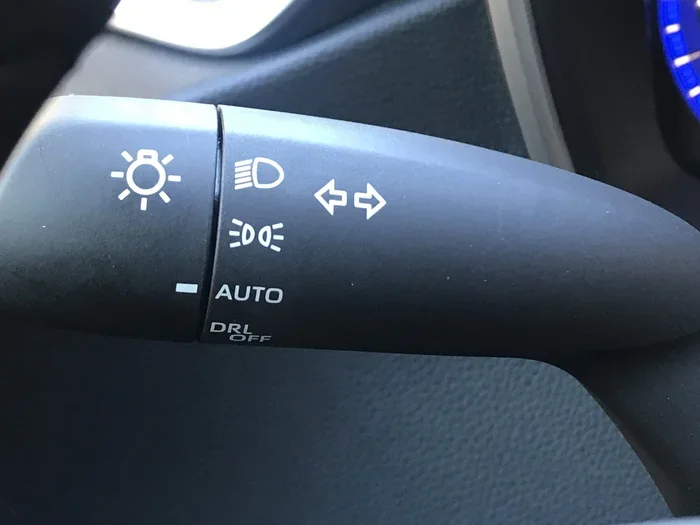
Start by finding your headlight switch. In most cars, this is located on the left side of the steering column or on the dashboard near the driver’s door. The switch usually has several positions:
- Off: All lights are disabled.
- Parking Lights: Only the small rear and side lights come on.
- Auto: The headlights turn on and off automatically based on light conditions.
- Low Beam: The headlights stay on at low beam manually.
- High Beam: The headlights stay on at high beam manually.
Look for a symbol that looks like a “A” inside a circle or the word “AUTO” on the switch. This is the automatic headlight setting.
Step 2: Rotate the Switch to the Auto Position
Once you find the switch, simply rotate it to the auto position. You will usually feel a slight click when it locks into place. On some vehicles, you may need to push the knob first and then rotate it. On others, a simple turn is all it takes.
For example, in Toyota models like the Camry or RAV4, you turn the knob from OFF to AUTO. In Honda vehicles like the Civic or Accord, the process is very similar. Ford vehicles often have a rotary dial on the left side of the instrument cluster.
Step 3: Confirm the Headlights Are Set to Auto
After switching to auto, check your dashboard for a confirmation light. Most cars display a small green or white “A” symbol when the auto headlight feature is active. This tells you the system is engaged and ready to work.
If you do not see the indicator light, try the following:
- Make sure the ignition is turned on.
- Check that the switch is fully in the AUTO position.
- Refer to your vehicle owner’s manual for the exact symbol.
Step 4: Test the System
To test if your auto mode headlights are working, try one of these methods:
- Drive into a garage or tunnel: The headlights should turn on automatically when light levels drop.
- Cover the sensor: Place your hand over the dashboard sensor area. The headlights should come on within a few seconds.
- Wait for dusk: As the sun goes down, watch for the headlights to activate on their own.
If the headlights do not respond in any of these situations, there may be an issue with the sensor or the system settings. We will cover troubleshooting in a later section.
How to Turn On Automatic Headlights for Popular Car Brands
Every car brand has its own slight variation in how the auto headlight system is activated. Below is a quick reference guide for some of the most popular brands on the road today.
Toyota
Toyota vehicles typically have a headlight knob on the left side of the steering column. Turn it to the AUTO position. The Toyota auto headlight system is reliable and works well in most driving conditions. Models like the Corolla, Camry, and RAV4 all follow this same simple process.
Honda
Honda cars use a similar rotary switch. Turn the knob to AUTO, and the system activates. Honda’s automatic light control is known for being responsive and easy to use. The Civic, Accord, and CR-V all feature this intuitive setup.
Ford
Ford vehicles often have a headlight switch on the left side of the instrument panel. Rotate it to the AUTO setting. Some Ford models also allow you to adjust the sensitivity of the light sensor through the vehicle settings menu on the dashboard display.
Chevrolet
Chevrolet cars use a headlight switch that is typically located on the left stalk or on the dashboard. Push or rotate to the AUTO position. GM vehicles often combine the auto headlight feature with daytime running lights for added visibility.
BMW and Luxury Brands
Luxury brands like BMW, Mercedes-Benz, and Audi often have more advanced lighting systems. These may include adaptive headlights and automatic high beams in addition to the basic auto headlight feature. The process to activate auto mode is similar, but you may find additional options in the vehicle’s infotainment system.
Common Problems With Automatic Headlights and How to Fix Them
Even though automatic headlights are designed to be hassle-free, they can sometimes malfunction. Understanding common issues helps you troubleshoot quickly and avoid unnecessary trips to the mechanic.
Headlights Do Not Turn On Automatically
If your auto headlight feature is not activating when it should, the most common cause is a dirty or blocked light sensor. The sensor on your dashboard needs a clear view of the surrounding light. Over time, dust, dirt, or even a phone mount can block it.
Try cleaning the sensor area with a soft cloth. If that does not work, the sensor itself may need replacement. This is usually a simple and affordable fix that any mechanic can handle.
Headlights Stay On When It Is Bright Outside
This issue often points to a faulty light sensor or incorrect sensitivity settings. Some vehicles allow you to adjust how sensitive the auto headlight system is. Check your owner’s manual for instructions on accessing the vehicle settings menu.
If adjusting the settings does not help, the sensor may be malfunctioning. Replacing the sensor typically costs between $50 and $150, depending on your car model.
Dashboard Warning Light for Headlights
If you see a dashboard warning light related to your headlights, do not ignore it. The warning could indicate a problem with the headlight fuse, a burnt bulb, or an issue with the wiring. Check your fuse box first, as a blown fuse is the easiest and cheapest problem to fix.
Common headlight-related fuses are usually located in the fuse box under the dashboard or in the engine bay. Refer to your owner’s manual to find the exact fuse location for your headlights.
Auto Headlights Work Intermittently
If your headlights turn on and off unpredictably, the light sensor might be malfunctioning. Moisture or condensation near the sensor can also cause intermittent behavior. Inspect the sensor area for any signs of water damage or debris.
Another possible cause is a weak car battery. If your battery is low, it may not send consistent power to the headlight system. Have your battery tested at your next oil change or auto shop visit.
Benefits of Using Automatic Headlights
Switching to auto mode headlights offers several real advantages that go beyond simple convenience. Here is why this feature is worth using every time you drive.
Improved Safety
The biggest benefit of automatic headlights is improved safety. You never have to worry about forgetting to turn your lights on when it gets dark or when weather conditions reduce visibility. The system handles it for you, which means you can focus entirely on driving.
Convenience
Imagine driving home after a long day at work as the sun sets. With automatic headlights, you do not need to remember to flip the switch. The lights come on the moment they are needed. This small convenience adds up over thousands of miles of driving.
Prevents Battery Drain
One of the most common reasons for a dead car battery is leaving the headlights on. With automatic headlights, the system turns the lights off automatically when you park and turn off the engine. This simple feature can save you from the frustrating experience of a dead battery.
Better Visibility in Changing Conditions
Weather changes quickly. Clouds can roll in, rain can start suddenly, or you can enter a long tunnel. Automatic light control ensures your headlights are always on when visibility drops, making you more visible to other drivers.
Automatic Headlights vs Manual Headlights: Which Is Better?
Both automatic headlights and manual headlights have their place. Here is a quick comparison to help you understand the differences.
| Feature | Automatic Headlights | Manual Headlights |
|---|---|---|
| Convenience | Very high | Low |
| Safety | High | Depends on driver |
| Battery Protection | Yes, auto-off feature | No, relies on driver memory |
| Cost | Standard on most new cars | Standard on all cars |
| Driver Awareness | Less active involvement | More active involvement |
| Reliability | Depends on sensor function | Very reliable |
For most drivers, automatic headlights are the better choice. They remove the burden of remembering to switch lights and reduce the risk of battery drain. However, if you drive a very old vehicle or prefer full control, manual headlights still work perfectly fine.
The key takeaway is that auto headlights add a layer of smart technology to your vehicle that makes daily driving safer and easier. If your car has this feature, there is no reason not to use it.
Tips for Getting the Most Out of Your Automatic Headlights
Once you have activated your auto headlight feature, there are a few tips that help you get the best performance from the system.
Keep the Sensor Clean
Wipe the dashboard sensor area regularly with a soft, clean cloth. A dirty sensor cannot accurately detect light levels, which can cause the headlights to activate too late or too early.
Check Your Bulbs Regularly
Even with automatic headlights, bulbs can burn out. Check your headlights periodically to make sure both low beam and high beam bulbs are working. Replace any burnt bulbs promptly to maintain good visibility.
Understand the Limitations
Automatic headlights are smart, but they are not perfect. In some cases, the sensor may not detect low light conditions quickly enough. For example, if you are driving through a heavily shaded forest or a long tunnel, the system might have a slight delay. Always stay alert and manually turn on your headlights if needed.
Use the Manual Override When Necessary
Most vehicles with auto headlights also allow you to manually switch to low beam or high beam. If you are driving on a very dark road and want maximum visibility, you can switch to manual low beam or high beam while the auto system is still active. This gives you the best of both worlds.
Keep Your Windshield Clean
A dirty windshield can affect how much light reaches the dashboard sensor. Clean your windshield regularly, especially the area near the top of the dashboard where the sensor is typically located.
Expert Insights on Automatic Headlight Systems
Automotive experts agree that automatic headlights are one of the most underrated safety features in modern cars. According to the Insurance Institute for Highway Safety (IIHS), improved vehicle lighting contributes to better nighttime visibility and reduced accident rates.
Car mechanics also recommend having the headlight system inspected during routine maintenance. A simple check during your oil change can reveal if the sensor is working properly or if any bulbs need replacement. This proactive approach keeps your vehicle lighting system in top condition and extends the life of your headlights.
Many driving instructors also emphasize the importance of understanding your car’s lighting controls. New drivers, in particular, benefit greatly from learning how to use the auto headlight feature from day one. It builds good habits and reinforces the importance of proper visibility on the road.
Key Takeaways
- Simple Activation: Turning on automatic headlights requires just one action: rotating the headlight switch to the AUTO position.
- Works Across Brands: Toyota, Honda, Ford, Chevrolet, and luxury brands all use a similar auto activation process.
- Sensor Maintenance Matters: Keeping the light sensor clean ensures reliable and accurate headlight activation.
- Solves Common Problems: Auto headlights prevent forgotten lights, battery drain, and reduced nighttime visibility.
- Combine with Daytime Running Lights: Many vehicles pair auto headlights with daytime running lights for all-around visibility.
- Troubleshooting Is Straightforward: Most issues with automatic headlights relate to the sensor, fuse, or bulb, all of which are easy to address.
- Safety First: Using automatic headlights is one of the simplest ways to improve your safety on the road every time you drive.
Conclusion
Learning how do I turn on automatic headlights is one of the easiest and most valuable skills you can develop as a driver. The process is simple, the benefits are significant, and the feature is available in most vehicles on the road today. By following the steps outlined in this guide, you can activate your auto headlight feature in just a few seconds and enjoy safer, more convenient driving.
Remember to keep your sensor clean, check your bulbs regularly, and understand the limitations of the system. If you ever run into issues, the troubleshooting tips in this article should help you identify and resolve most common problems quickly.
Automatic headlights are a small feature that makes a big difference. Take a moment today to check your headlight switch and make sure it is set to AUTO. Your future self, driving home in the dark with lights that activate on their own, will thank you.
Stay safe, stay visible, and let your car do the work for you. With auto mode headlights activated, you are always ready for whatever lighting conditions the road throws your way.
Frequently Asked Questions
Do all cars have automatic headlights?
Most modern vehicles come with automatic headlights as standard or optional equipment. However, some older or budget models may not include this feature. Check your vehicle’s headlight switch for an AUTO position to confirm. If your car does not have it, you can often add aftermarket auto headlight kits.
Can I manually turn on headlights while auto mode is active?
Yes, you can. Most vehicles allow you to override the auto system by switching the headlight knob to low beam or high beam. This is useful when you need extra visibility on dark roads or in heavy rain. Simply switch back to AUTO when you want the system to take over again.
Why do my automatic headlights not turn off during the day?
This usually happens when the light sensor is dirty or blocked. Dust, dirt, or even a phone mount on the dashboard can prevent the sensor from detecting daylight properly. Clean the sensor area with a soft cloth and check if the issue resolves. If not, the sensor may need professional replacement.
Do automatic headlights drain the car battery?
No, automatic headlights actually help protect your battery. The system automatically turns the lights off when you turn off the engine or when there is enough daylight. This prevents the common mistake of leaving headlights on accidentally, which is one of the top causes of dead car batteries.
How much does it cost to fix an automatic headlight sensor?
Replacing a light sensor typically costs between $50 and $150 for parts and labor, depending on your vehicle model. Some cars have the sensor integrated into the headlight switch assembly, which may cost a bit more. Always get a quote from your mechanic before proceeding with any repair.
Can I install automatic headlights in an older car that does not have them?
Yes, you can. Aftermarket automatic headlight conversion kits are widely available and relatively easy to install. These kits include a light sensor that you can mount on your dashboard and wire into your existing headlight circuit. Many car enthusiasts install these kits to add modern convenience to older vehicles.