Why Your Car Reverse Parking Sensor Is a Game Changer
A car reverse parking sensor is one of the simplest yet most effective safety upgrades you can make. It uses ultrasonic waves to detect obstacles behind your vehicle and alerts you before a bump happens. This guide covers how they work, the different types, benefits, and tips for choosing the best system for your car.
Have you ever backed out of a parking spot and felt that tiny moment of panic? You are not sure if there is something behind you. Maybe it is a pole, a wall, or even a small child. That is exactly the moment when a car reverse parking sensor becomes your best friend.
These small but mighty devices have transformed the way millions of people park every single day. What once felt like a guessing game now comes with clear, real-time alerts that keep your vehicle safe. In this guide, we will break down everything you need to know about reverse parking sensors. We will cover how they work, why they matter, the different types available, and how to pick the right one for your car.
Whether you drive a compact city car or a large SUV, understanding parking sensor technology can make your daily driving safer and much less stressful. Let us dive in.
Key Takeaways
- Easy to install: Most aftermarket reverse parking sensors can be set up in under an hour with basic tools.
- Prevents costly damage: These sensors help you avoid scrapes, dents, and bumper repairs in tight spaces.
- Boosts parking confidence: Whether you are a new driver or parking in crowded lots, the proximity alert gives you peace of mind.
- Works with or without a parking camera: A car reverse parking sensor complements other driver assistance features but also works on its own.
- Multiple types available: You can choose from basic audio alerts to advanced smart sensor systems with visual displays.
- Affordable upgrade: Compared to bumper repairs, investing in a quality parking sensor system saves you money in the long run.
📑 Table of Contents
- What Is a Car Reverse Parking Sensor and How Does It Work?
- Key Benefits of Having a Car Reverse Parking Sensor
- Types of Reverse Parking Sensors Available
- How to Choose the Right Car Reverse Parking Sensor
- Installation Tips and Common Mistakes
- Car Reverse Parking Sensor vs. Backup Camera
- Final Thoughts on Car Reverse Parking Sensors
What Is a Car Reverse Parking Sensor and How Does It Work?
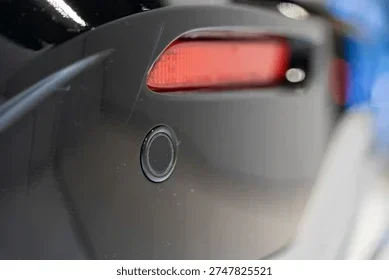
A car reverse parking sensor is a small electronic device mounted on the rear bumper of your vehicle. Its job is simple but vital. It detects objects behind your car when you are reversing and warns you before you make contact. Think of it as a safety net for your bumper.
Most systems rely on ultrasonic sensor technology. Here is how it works in plain terms. The sensor sends out high-frequency sound waves that are beyond what humans can hear. When those waves hit an object, they bounce back to the sensor. The system then calculates the distance between your car and the object based on the time it took for the waves to return.
How Ultrasonic Sensors Detect Obstacles
The ultrasonic sensor is the heart of any reverse parking sensor system. These sensors are typically placed in the rear bumper at specific intervals. Most cars use four sensors, but some systems have six or even eight for wider coverage.
Each sensor sends out a pulse of sound. When the pulse hits an obstacle, it echoes back. The car’s computer processes this information almost instantly. If an object is getting closer, the alert frequency increases. This gives you a natural sense of how near you are to something behind you.
Modern parking sensor systems are incredibly accurate. They can detect objects as close as a few centimeters. This makes them especially useful in tight garages, crowded parking lots, and narrow driveways.
Visual vs. Audio Alerts
Most car reverse parking sensor systems use audio alerts. You have probably heard the familiar beeping sound that gets faster as you get closer to an object. This is called a proximity alert, and it is designed to be intuitive.
But many newer systems also include visual displays. A small screen on your dashboard shows a graphic of your car with colored zones. Green means you have plenty of space. Yellow means you are getting closer. Red means stop immediately. Some advanced systems even combine the parking sensor data with a parking camera feed for maximum visibility.
The combination of audio and visual alerts makes the system accessible to all drivers. Even if you have trouble hearing, the visual display gives you the information you need at a glance.
Key Benefits of Having a Car Reverse Parking Sensor
Installing a car reverse parking sensor is not just a luxury. It is a practical upgrade that offers real-world benefits every time you park. Here is why so many drivers are making this change.
Prevent Costly Bumps and Scratches
Backing into a pole or scraping a wall can lead to expensive repairs. Even a small dent or scratch can cost hundreds of dollars to fix. A reverse parking sensor helps you avoid these accidents entirely. The early warning gives you time to stop or adjust your steering.
Over time, these minor collisions add up. They can also reduce the resale value of your car. By using a parking sensor system, you protect your investment and keep your vehicle looking its best.
Boost Confidence When Parking
Many drivers, especially beginners, feel anxious about parallel parking or backing into tight spaces. A car reverse parking sensor removes much of that anxiety. You know exactly how much space you have. The alerts guide you in real time, making every parking maneuver feel more controlled.
This confidence boost is not just about comfort. It also makes you a safer driver. When you feel less stressed, you make better decisions behind the wheel.
Help With Tight Spaces
City parking is getting harder every year. Spots are smaller. Garages are narrower. A parking aid becomes essential in these environments. The sensor helps you navigate spaces that would otherwise feel impossible.
Even experienced drivers benefit from parking distance control in tight commercial parking lots, underground garages, and crowded residential streets. The extra set of “eyes” in the back of your car is always on duty.
Improve Safety for Pedestrians and Property
It is not just about your car. A car reverse parking sensor also helps protect people and property around you. Children, pets, and pedestrians can sometimes be hard to see when you are backing up. The proximity alert gives you the chance to stop before it is too late.
You also avoid damaging fences, walls, other vehicles, and garden features. This makes your car safety features more complete and responsible.
Types of Reverse Parking Sensors Available
Not all parking sensors are the same. There are several types on the market, each with its own strengths. Understanding your options helps you choose the best system for your needs.
OEM vs. Aftermarket Parking Sensors
OEM sensors come installed in your car from the factory. They are designed specifically for your vehicle model. They blend seamlessly with your dashboard and often work with your existing infotainment system. If your car already has a reverse parking sensor, you may only need a replacement if one gets damaged.
Aftermarket parking sensors are added after purchase. They come in universal kits that fit most vehicles. These are a great option if your car did not come with sensors from the factory. Aftermarket systems have improved dramatically in recent years. Many now offer the same performance as OEM units at a fraction of the cost.
Single vs. Dual Sensor Systems
Single sensor systems use one speaker or display unit for alerts. They are simple and affordable. Dual sensor systems offer separate left and right alerts, which helps you understand which side of the car is closest to an obstacle.
For most drivers, a dual system is the better choice. It gives you more precise information and makes parking easier, especially in tight spots where you need to steer left or right.
Basic Audio Sensors vs. Smart Sensor Systems
Basic reverse sensors only provide audio beeps. The beeping gets faster as you get closer. These are affordable and easy to install.
Smart sensor systems take things further. They include visual displays, distance readouts, and even smartphone connectivity. Some can integrate with your parking camera to create a complete rear-view parking technology package. These advanced systems are ideal for anyone who wants the full driver assistance experience.
How to Choose the Right Car Reverse Parking Sensor
With so many options available, picking the right car reverse parking sensor can feel overwhelming. Here are the key factors to consider before you buy.
Consider Your Vehicle and Driving Style
Think about how you use your car. Do you park in tight city garages every day? Do you frequently back into narrow driveways? Your driving habits should guide your choice.
For city drivers, a system with close-range detection and frequent alerts is ideal. For occasional use, a basic audio sensor system may be all you need. Consider the size of your vehicle too. Larger vehicles like trucks and SUVs have bigger blind spots and may benefit from additional sensors.
Look for Smart Features
Modern parking sensor systems come packed with features. Look for adjustable sensitivity, so the system does not false-alarm in light rain or snow. Some sensors allow you to turn off the alert when you are using a parking camera, reducing unnecessary noise.
Color-coded displays are another great feature. They give you an instant visual understanding of your distance from obstacles. If you want the best experience, look for a system that combines audio alerts with a visual display or integrates with your existing infotainment screen.
Check Compatibility and Ease of Installation
Before buying, make sure the sensor kit is compatible with your vehicle. Most aftermarket kits are universal, but some may require specific wiring adapters. Check the fitment guide before purchasing.
Ease of installation matters too. Some kits come with plug-and-play wiring that makes DIY installation simple. Others may require more technical knowledge. If you are not comfortable working with your car’s electrical system, consider professional installation.
Installation Tips and Common Mistakes
Installing a car reverse parking sensor is one of the most rewarding DIY car projects you can tackle. But getting it right matters. Here is what you need to know.
DIY vs. Professional Installation
Many universal sensor kits are designed for easy self-installation. You typically need a drill, a screwdriver, wire strippers, and about an hour of your time. The sensors mount into pre-drilled holes in the rear bumper, and the wiring connects to your reverse light circuit.
If you prefer not to DIY, most auto shops and car audio stores offer professional installation. It is a relatively quick job, and the cost is usually reasonable. Professional installation also ensures the wiring is clean and the sensors are positioned correctly.
Common Mistakes to Avoid
Here are some mistakes to watch out for during installation:
- Drilling holes in the wrong spot: Measure carefully and follow the kit instructions. Wrong placement can reduce accuracy.
- Ignoring the wiring: Make sure all connections are secure and protected from moisture. Loose wires cause false alerts.
- Not testing before finalizing: Always test the system before you close up the bumper. Reverse into a known object and check the alerts.
- Choosing the wrong sensor type: Make sure the sensor frequency matches your vehicle’s system if you are replacing existing sensors.
- Forgetting to adjust sensitivity: Many systems allow you to fine-tune the detection range. Take the time to set it up properly for your driving environment.
Car Reverse Parking Sensor vs. Backup Camera
Some drivers wonder whether they need a car reverse parking sensor if they already have a backup camera. The truth is, these two technologies work best together. They complement each other and cover different blind spots.
A backup camera gives you a visual view of what is behind your car. It is excellent for seeing the full picture, especially at night or in low-light conditions. However, cameras can struggle with low-profile objects like small curbs, thin poles, or pets on the ground.
A reverse parking sensor fills that gap. It detects objects the camera might miss and gives you an audio alert before you even see the problem on screen. Together, a camera and sensor create a comprehensive rear safety system that covers almost every scenario.
If your budget allows, consider a combined system. Many modern vehicles now offer both features as standard. Aftermarket kits are also available that integrate a parking camera with a parking sensor system for a complete solution.
The bottom line is simple. A backup camera shows you. A car reverse parking sensor warns you. Having both gives you the best protection possible when reversing.
Final Thoughts on Car Reverse Parking Sensors
A car reverse parking sensor is one of the most worthwhile upgrades you can make to any vehicle. It is affordable, easy to install, and it works every single time you park. The peace of mind alone is worth the investment.
Whether you choose a basic audio system or a full smart sensor package, you are adding a layer of safety that benefits you, your passengers, and everyone around your car. Reverse parking sensors take the guesswork out of backing up and replace it with confidence.
If your car does not have one yet, now is a great time to add a car reverse parking sensor. Your bumper will thank you. Your parking skills will improve. And every time you pull out of a spot in reverse, you will feel that little bit safer knowing your parking sensor system has your back.
Take the time to research your options, pick a system that fits your needs, and enjoy the difference it makes. Safe parking starts with the right technology, and a car reverse parking sensor delivers exactly that.
Frequently Asked Questions
Can I install a car reverse parking sensor myself?
Yes, most aftermarket kits are designed for DIY installation. They come with detailed instructions and basic tools. If you are comfortable with simple car electronics, you can usually complete the job in about an hour.
Do reverse parking sensors work in all weather conditions?
Most ultrasonic sensor systems work well in normal weather. However, heavy rain, snow, or thick mud on the sensors can temporarily reduce accuracy. Many modern systems include weather compensation to minimize false alerts.
Are car reverse parking sensors worth the cost?
Absolutely. The cost of a sensor kit is small compared to the price of bumper repairs. They prevent damage, boost confidence, and add value to your vehicle. For most drivers, they are a smart investment.
Can I add a reverse parking sensor to a car that does not have one?
Yes, you can. Universal aftermarket kits fit most vehicles regardless of whether they came with factory sensors. They are a popular aftermarket parking sensor solution and work with nearly any car, truck, or SUV.
How accurate are car reverse parking sensors?
Modern sensors are very accurate. They can detect objects at distances ranging from a few centimeters up to about two meters. The alerts adjust in real time, giving you a clear sense of how close you are to an obstacle.
What is the difference between a car reverse parking sensor and parking distance control?
The terms are often used interchangeably. Parking distance control is a branded term used by some manufacturers, but the function is the same. Both systems use sensors to measure distance and alert you when you are too close to an object while reversing.
=== CONCLUSION ===
A car reverse parking sensor is truly a game changer for everyday driving. It transforms a stressful maneuver into a smooth, safe experience. With clear alerts, easy installation, and affordable pricing, there is no reason not to consider adding one to your vehicle.
Take action today. Research your options, pick the right system, and enjoy the confidence that comes with knowing your reverse parking sensor is working for you every time you park.