What Is Safe to Clean a MAF Sensor With at Home Now
Cleaning your MAF sensor at home is easier than you think. The safest way to clean a MAF sensor is with a dedicated MAF sensor cleaner or a gentle electronic cleaner. Never use harsh chemicals like carburetor cleaner or brake cleaner, as they can damage the sensitive sensor wires. In this guide, we will show you exactly what is safe to clean a MAF sensor with, walk you through the process step by step, and help you avoid costly mistakes.
Your car’s mass airflow sensor plays a huge role in how your engine runs. It measures the amount of air entering the engine and sends that data to the engine control unit. This information helps the fuel injection system deliver the right amount of fuel. When the sensor gets dirty, your engine suffers. You might notice rough idling, poor fuel economy, or even a check engine light.
So, what is safe to clean a MAF sensor with? That is the question every car owner should know the answer to. Many people reach for whatever cleaner they have lying around the garage. That is a big mistake. Using the wrong cleaning product can destroy the sensor permanently. In this article, we will walk you through the safe options, the products to avoid, and a simple step-by-step cleaning process you can do at home.
Key Takeaways
- Use a dedicated MAF sensor cleaner: This is the safest and most effective option for cleaning your mass airflow sensor at home.
- Avoid harsh chemicals: Carburetor cleaner, brake cleaner, and WD-40 can damage the delicate sensor wires and cause more harm than good.
- Never touch the sensor wires: Physical contact can bend or break the fragile wires, leading to inaccurate airflow readings.
- Clean gently and let it dry: Spray from a distance and allow the sensor to air dry completely before reinstalling.
- Know when to replace: If cleaning does not fix the issue, your MAF sensor may need a full replacement.
- Prevention matters: Regular air filter changes and clean intake components help keep your MAF sensor functioning properly for longer.
📑 Table of Contents
- Understanding Your MAF Sensor and Why It Gets Dirty
- What Is Safe to Clean a MAF Sensor With?
- Step-by-Step Guide to Cleaning Your MAF Sensor at Home
- Comparison of MAF Sensor Cleaning Products
- Common Mistakes When Cleaning a MAF Sensor
- Expert Tips for Keeping Your MAF Sensor Clean Longer
- Final Thoughts
Understanding Your MAF Sensor and Why It Gets Dirty
How the MAF Sensor Works
The mass airflow sensor sits between your air filter and the throttle body. As air flows through the intake system, the sensor measures the volume and density of that air. It then sends a signal to the engine computer, which adjusts the fuel injection accordingly. This whole process happens in milliseconds and keeps your engine running smoothly.
Inside the MAF sensor, there are tiny wires or a hot film element. These components are extremely sensitive. Even a thin layer of dirt, oil, or dust can throw off the readings. When the readings are off, your engine gets too much or too little fuel. This leads to drivability issues that nobody wants to deal with.
Common Causes of MAF Sensor Contamination
Several things can cause your MAF sensor to get dirty over time. Understanding these causes helps you prevent the problem in the first place.
- Dirty air filters: A clogged air filter lets more contaminants pass through to the sensor.
- Oil from aftermarket air filters: Oil-type air filters like K&N filters can shed oil that coats the sensor wires.
- Intake leaks: Unfiltered air entering through cracks or loose connections bypasses the air filter entirely.
- Engine oil blowby: Over time, small amounts of oil vapor from the crankcase can reach the sensor.
- Environmental dust and debris: Driving in dusty or polluted conditions accelerates contamination.
The good news is that regular maintenance can significantly extend the life of your MAF sensor. Simply replacing your air filter on schedule makes a big difference.
What Is Safe to Clean a MAF Sensor With?
Now let us get to the heart of the matter. What is safe to clean a MAF sensor with? The answer is simpler than you might think. You need a cleaner that evaporates quickly and leaves no residue behind. The sensor wires must stay completely dry and undamaged after cleaning.
Best MAF Sensor Cleaners
There are a few products specifically designed for cleaning mass airflow sensors. These are your safest bets.
- CRC MAF Sensor Cleaner: This is one of the most popular and trusted options on the market. It is specially formulated to clean delicate sensor components without leaving any residue. The spray dries quickly and evaporates completely.
- Berryman B-12 Chemtool: This electronic cleaner works well on MAF sensors. It is a gentle formula that safely removes oil, dirt, and carbon deposits from sensor wires.
- CRC QD Electronic Cleaner: Another excellent choice. This cleaner is designed for electronics and is safe for sensitive components like those found in your MAF sensor.
- Mass Air Flow Sensor Cleaner by WD-40 Specialist: Do not confuse this with regular WD-40. The WD-40 Specialist version is specifically made for MAF sensors and electronic components.
All of these products share one important characteristic: they evaporate completely and leave no oily or sticky residue. This is essential for keeping your sensor wires clean and functioning properly.
What NOT to Use on a MAF Sensor
Equally important is knowing what to avoid. Many common household and garage cleaners can cause serious damage to your MAF sensor.
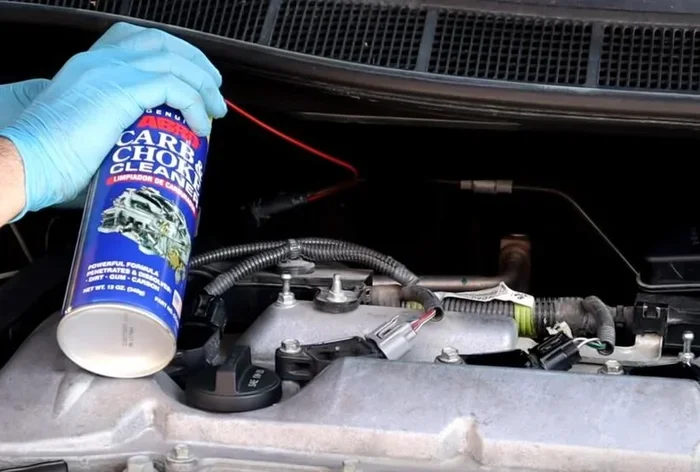
- Carburetor cleaner: This is one of the most commonly misused products. Carburetor cleaner contains solvents that can leave a residue on the sensor wires. That residue alters the airflow readings and makes the problem worse.
- Brake cleaner: Some brake cleaners contain oils or leave a film behind. Even oil-free brake cleaners can be too harsh for the delicate sensor elements.
- Regular WD-40: Standard WD-40 is a lubricant, not a cleaner. It will leave an oily coating on the sensor wires that distorts airflow measurements.
- Rubbing alcohol: While some people suggest using isopropyl alcohol, it is not ideal. It can leave moisture behind and may not dissolve all the contaminants effectively.
- Water or soap: Never use water or any soap-based cleaner. Moisture inside the sensor can cause corrosion and electrical damage.
The rule of thumb is simple. Only use a cleaner that is explicitly labeled safe for mass airflow sensors or electronic components. If the product does not mention MAF sensors on the label, do not use it.
Step-by-Step Guide to Cleaning Your MAF Sensor at Home
Cleaning your MAF sensor is a straightforward process. You do not need special tools or mechanical expertise. With the right cleaner and a little patience, you can have the job done in about 15 minutes.
What You Will Need
- A bottle of MAF sensor cleaner (CRC or similar brand)
- A clean, lint-free cloth or microfiber towel
- A flathead screwdriver or socket set (depending on your vehicle)
- Gloves to keep your hands clean
- A well-lit workspace
The Cleaning Process
Follow these steps carefully for the best results.
- Locate the MAF sensor: It is usually found on the intake hose between the air filter box and the throttle body. Refer to your vehicle’s service manual if you are unsure.
- Unplug the electrical connector: Gently squeeze the clip and pull the connector straight off. Do not yank the wires.
- Remove the MAF sensor: Most sensors are held in place by a clamp or a few bolts. Remove them carefully and pull the sensor out.
- Spray the cleaner: Hold the can about 6 inches from the sensor wires. Spray lightly and evenly across the wires or hot film element. Do not scrub or touch the wires with anything.
- Let it dry: Allow the sensor to air dry for at least 10 to 15 minutes. The cleaner evaporates quickly on its own.
- Reinstall the sensor: Once completely dry, put the sensor back in place, secure the clamp or bolts, and reconnect the electrical connector.
- Clear error codes if needed: If your check engine light was on, use an OBD scanner to clear the codes. Start the engine and let it idle for a few minutes.
That is it. Your MAF sensor should now be clean and reading accurately again.
Comparison of MAF Sensor Cleaning Products
Not all MAF sensor cleaners are created equal. Here is a quick comparison of the top options available.
| Product | Type | Dries Residue-Free | Price Range | Best For |
|---|---|---|---|---|
| CRC MAF Sensor Cleaner | Aerosol spray | Yes | $8-$12 | Dedicated MAF cleaning |
| Berryman B-12 Chemtool | Aerosol spray | Yes | $7-$10 | Budget-friendly electronic cleaning |
| CRC QD Electronic Cleaner | Aerosol spray | Yes | $10-$15 | Sensitive electronics and sensors |
| WD-40 Specialist MAF | Aerosol spray | Yes | $9-$13 | Brand-loyal users |
All four products are safe and effective. The CRC MAF Sensor Cleaner is the most widely recommended by mechanics and car enthusiasts alike. It is purpose-built for this exact job.
Common Mistakes When Cleaning a MAF Sensor
Even with the right cleaner, mistakes can happen. Here are the most common errors people make when cleaning their MAF sensor.
Mistakes to Avoid
- Touching the sensor wires: The wires inside a MAF sensor are incredibly fragile. Even a gentle touch can bend or break them. Always spray from a distance and never make contact.
- Using too much cleaner: A few light sprays are all you need. Excessive spraying does not help and can cause the cleaner to pool inside the sensor housing.
- Not letting it dry completely: Reinstalling the sensor while it is still wet can cause immediate problems. The moisture will interfere with the readings and may lead to corrosion over time.
- Forgetting to clear error codes: After cleaning, your check engine light may stay on if the codes are not cleared. A simple scan tool fix solves this.
- Ignoring the root cause: If your MAF sensor gets dirty quickly after cleaning, there is an underlying issue. Check your air filter, intake system for leaks, and oil filter type.
Avoiding these mistakes will save you time, money, and frustration. A little care goes a long way when working with sensitive engine components.
Expert Insight
Experienced mechanics often say that cleaning a MAF sensor is only a temporary fix if the underlying cause of contamination is not addressed. If you find yourself cleaning the sensor every few months, inspect your air filter, check for intake leaks, and consider switching to a non-oiled air filter. Prevention is always better than cure when it comes to mass airflow sensor maintenance.
Expert Tips for Keeping Your MAF Sensor Clean Longer
Prevention Tips
Keeping your MAF sensor clean starts with good maintenance habits. Here are some tips to prevent contamination in the first place.
- Replace your air filter regularly: A clean air filter is your first line of defense against dirt and debris reaching the MAF sensor. Check it every oil change and replace it when it looks dirty.
- Avoid oiled aftermarket air filters: While K&N and similar filters offer great airflow, they can shed oil that coats the MAF sensor wires. If you use an oiled filter, be extra careful during installation and avoid over-oiling.
- Check for intake leaks: Unfiltered air bypassing the air filter can deposit contaminants directly on the sensor. Inspect all intake hoses and connections for cracks or loose clamps.
- Keep your engine bay clean: Regularly wipe down the area around the MAF sensor and intake components. Less dust in the engine bay means less contamination.
When to Replace Instead of Clean
Sometimes cleaning is not enough. If you have cleaned your MAF sensor properly and you still experience symptoms like rough idling, poor acceleration, or a check engine light, the sensor may be beyond repair. In that case, a replacement is the best option. MAF sensors are relatively affordable and easy to swap out.
Signs that cleaning is not working include persistent error codes, no improvement in engine performance after cleaning, and visible damage to the sensor wires. If you notice any of these, do not keep spraying cleaner and hoping for the best. Get a new sensor installed.
Key Takeaways
- Use a dedicated MAF sensor cleaner: Products like CRC MAF Sensor Cleaner are specifically formulated for this purpose and are completely safe.
- Never use carburetor cleaner, brake cleaner, or WD-40: These products leave residues that damage sensor accuracy.
- Do not touch the sensor wires: They are fragile and easily damaged by physical contact.
- Let the sensor dry completely before reinstalling: Moisture causes corrosion and inaccurate readings.
- Address the root cause of contamination: Regular air filter changes and intake system inspections prevent repeat problems.
Final Thoughts
Knowing what is safe to clean a MAF sensor with makes all the difference. Your mass airflow sensor is a small but critical component that directly affects engine performance, fuel economy, and emissions. When it gets dirty, your car tells you through rough running, poor acceleration, and warning lights on the dashboard.
The safest approach is always to use a dedicated MAF sensor cleaner. These products are designed to evaporate cleanly and leave the sensor wires in perfect condition. Combined with gentle handling and proper drying, a simple at-home cleaning can restore your engine to peak performance.
Remember to avoid harsh chemicals and never touch the sensor wires. And if cleaning does not solve the problem, do not hesitate to replace the sensor. A new MAF sensor is a small investment that pays off in smoother driving and better fuel economy.
Take care of your MAF sensor, and it will take care of your engine. A little maintenance goes a long way toward keeping your car running its best for years to come.
Frequently Asked Questions
Can I use brake cleaner to clean a MAF sensor?
No, you should never use brake cleaner on a MAF sensor. Brake cleaner can leave a residue or oily film on the sensor wires that distorts airflow readings. Even oil-free brake cleaners may be too harsh for the delicate sensor elements. Stick to a dedicated MAF sensor cleaner for the safest results.
How often should I clean my MAF sensor?
Most drivers do not need to clean their MAF sensor regularly. A good cleaning every 30,000 to 50,000 miles is usually sufficient. However, if you drive in dusty conditions or use an oiled aftermarket air filter, you may need to clean it more often. Watch for symptoms like rough idling or poor fuel economy as signs that cleaning may be needed.
Will cleaning my MAF sensor fix a check engine light?
It might. A dirty MAF sensor often triggers the check engine light because it sends inaccurate airflow data to the engine computer. After cleaning, the sensor should read correctly again. However, you will need to clear the error codes with an OBD scanner for the light to turn off. If the light comes back, there may be a different underlying issue.
Can I use rubbing alcohol instead of a MAF sensor cleaner?
It is not recommended. Rubbing alcohol can leave moisture behind on the sensor wires, which may cause corrosion over time. It also may not dissolve all the contaminants effectively. A dedicated MAF sensor cleaner is specifically formulated to evaporate quickly and clean thoroughly without leaving any residue or moisture.
How much does it cost to replace a MAF sensor?
A replacement MAF sensor typically costs between $100 and $400, depending on your vehicle make and model. Labor costs are usually minimal since the sensor is easy to access and replace. In many cases, a thorough cleaning can delay or even eliminate the need for replacement, saving you significant money.
What happens if I use the wrong cleaner on my MAF sensor?
Using the wrong cleaner can leave a residue on the sensor wires that alters the airflow readings. This leads to incorrect fuel injection, causing symptoms like rough idling, engine misfires, reduced fuel economy, and a check engine light. In severe cases, harsh chemicals can permanently damage the sensor, requiring a full replacement.
=== CONCLUSION ===
Cleaning your MAF sensor at home is one of the simplest and most effective things you can do for your car’s engine performance. The key is knowing exactly what is safe to clean a MAF sensor with. Always choose a dedicated MAF sensor cleaner, avoid harsh chemicals, and handle the sensor wires with care. With the right product and a little patience, you can restore accurate airflow readings, improve fuel economy, and keep your engine running smoothly. Make MAF sensor maintenance a regular part of your car care routine, and your vehicle will thank you for it.