Where Is the Remote Starter Located and How to Find It
Your remote starter is typically hidden under the dashboard on the driver’s side or near the steering column. Whether your car has a factory-installed system or an aftermarket unit, knowing where it lives helps with troubleshooting, battery replacement, and upgrades. This guide walks you through every common location step by step.
Have you ever wondered where is the remote starter located in your car? You press the button on your key fob, and your engine roars to life without you touching the ignition. It feels like magic, but there is a real piece of hardware making it all happen. Understanding its location helps you troubleshoot problems, plan upgrades, and even save money on repairs.
In this guide, we will show you exactly where to look. Whether your car came with a factory remote start or you added an aftermarket remote start system, the principles are the same. We will break it down into simple sections so anyone can follow along. No mechanic degree required. Just curiosity and a willingness to look under the dash.
Remote starters have become standard in many modern vehicles. They offer comfort in freezing winters and scorching summers. But knowing where the system lives gives you an edge when something goes wrong. Let us dive into the details and find your remote starter together.
Key Takeaways
- Dashboard Location: Most remote starters sit tucked beneath the driver-side dash panel near the steering column.
- Aftermarket vs Factory: Aftermarket units are easier to access, while factory starters integrate deeper into your car’s wiring.
- Key Fob Connection: The remote starter links to your key fob, which acts as the wireless trigger.
- Common Hiding Spots: Check under the dashboard, behind the lower panel, near the fuse box, or under the hood near the engine.
- Professional Help: If you cannot find it, a certified mechanic or auto electrician can locate and service it quickly.
- Safety First: Always disconnect the battery before touching any wiring or electrical components.
📑 Table of Contents
- What Is a Remote Starter and How Does It Work?
- Where Is the Remote Starter Located?
- Factory Remote Starter vs Aftermarket Remote Starter
- How to Find Your Remote Starter in 5 Steps
- Common Problems with Remote Starters and Their Locations
- Should You Install a Remote Starter Yourself?
- How Remote Starters Connect to Other Car Systems
- Maintenance Tips for Your Remote Starter
- Conclusion
What Is a Remote Starter and How Does It Work?
A remote starter is a small electronic device that lets you start your car from a distance. You press a button on your key fob, and the system sends a signal to your vehicle. The engine turns over, the heater kicks on, and your car is ready when you get in.
Here is how it works in plain terms:
- You press the remote start button on your key fob.
- The fob sends a radio signal to the remote start receiver in your car.
- The receiver activates the ignition system and fuel pump.
- The engine starts and runs for a preset time or until you walk inside and turn the key.
Modern push button start vehicles use a transponder key or smart key system. The remote starter must communicate with the car’s vehicle control module to trick the system into thinking the key is present. This is why some older cars need a bypass module for the remote starter to work properly.
Where Is the Remote Starter Located?
This is the big question. The answer depends on whether your car has a factory system or an aftermarket one. Let us explore the most common locations.
Under the Dashboard on the Driver’s Side
The most common spot for a remote start module is under the dashboard on the driver’s side. You will usually find it tucked behind the lower dash panel, near the steering column. In many cars, you need to remove a plastic cover to see it.
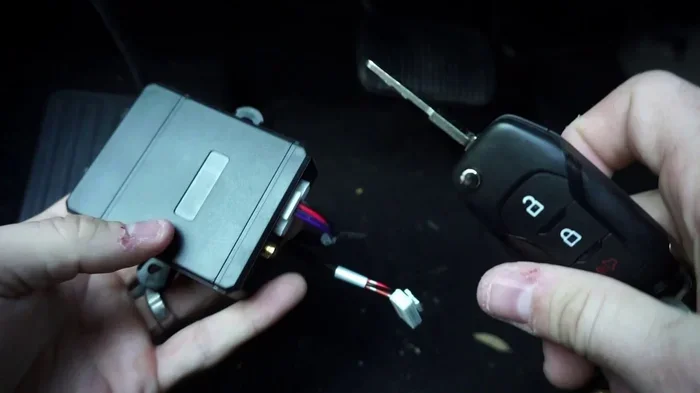
Look for a small black box with a few wires plugged into it. This is the control module. It connects to your car’s wiring harness and intercepts signals from your key fob. The module then sends commands to start the engine.
In some vehicles, this module is mounted higher up, closer to the radio or climate control panel. In others, it sits low near your feet. The exact position varies by car make and model.
Near the Fuse Box
Many remote starters tap into the car’s electrical system through the fuse box. The fuse box is usually under the dashboard on the driver’s side. Sometimes the remote start receiver is mounted right next to or on top of the fuse box.
This location makes sense because the fuse box is a central hub for electrical connections. The installer can easily tap into power sources and ground wires without cutting through too much of the wiring harness. If you have already opened the fuse box cover, you might spot the module nearby.
Under the Hood Near the Engine
Some remote starter systems have components mounted under the hood. The starter relay or interface module might be attached near the engine bay. This is more common in older vehicles or custom installations.
Under-hood components handle the heavy electrical load of cranking the engine. They connect directly to the starter motor and ignition circuit. If you open your hood and look around the steering area, you might see a small module clipped to a wire bundle.
Note: Always disconnect your battery before reaching into the engine bay. Safety comes first. If you are unsure about anything, consult a professional.
Behind the Lower Dashboard Panel
In newer vehicles with push button start, the remote starter often hides behind the lower dashboard panel. This panel runs along the bottom of the driver and passenger area. Removing a few screws or clips gives you access to the system.
Behind this panel, you will find the remote start control unit along with various wiring connections. The module is usually small, about the size of a deck of cards, and often black or gray. It is designed to stay hidden and out of the way.
Factory Remote Starter vs Aftermarket Remote Starter
Not all remote starters are the same. Your car may have come with a factory remote start from the dealership, or you may have added an aftermarket system later. The location and design differ between the two.
Factory Remote Starters
Factory-installed remote starters are built into the car from the assembly line. They integrate deeply with the vehicle control module and the car’s original keyless entry system. These systems are harder to find because they are hidden within the car’s main computer network.
You usually cannot see a separate box under the dash. Instead, the remote start function lives inside the car’s main electronic control unit. This makes it more seamless but also harder to troubleshoot on your own. If something goes wrong, you may need a dealer or specialist with the right diagnostic tools.
Aftermarket Remote Starters
Aftermarket remote starters are added by a third-party installer. They come as a separate kit with its own control module, receiver, and key fob. These are much easier to locate because they are standalone units.
Popular brands include Compustar, Viper, DroneMobile, and Avital. The installer mounts the main module under the dash and connects it to your car’s existing wiring. Because it is a separate piece of hardware, you can physically see and touch it. This makes DIY troubleshooting much simpler.
| Feature | Factory Remote Start | Aftermarket Remote Start |
|---|---|---|
| Location | Inside main control unit | Under dashboard or near fuse box |
| Visibility | Hidden, not easily accessible | Visible as a separate module |
| Installation | Done at factory | Installed by dealer or specialist |
| Troubleshooting | Requires dealer tools | Can be done at home |
| Upgrade Options | Limited | Wide range of add-ons |
| Cost | Included in vehicle price | $200 to $500+ for installation |
How to Find Your Remote Starter in 5 Steps
Ready to go looking? Here is a simple step-by-step process to find your remote start module. Follow these steps carefully and safely.
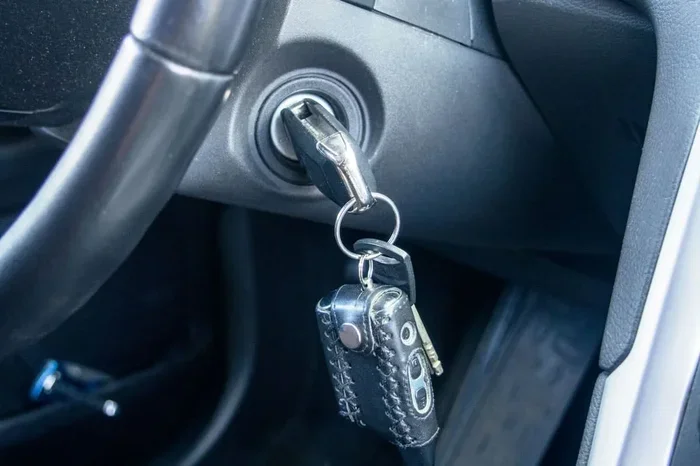
- Park your car on a flat surface and turn off the engine. Remove the key from the ignition.
- Open the driver’s side door and set the parking brake. This ensures the car stays still while you work.
- Remove the lower dashboard panel on the driver’s side. Use a flat-head screwdriver or trim removal tool. Be gentle to avoid cracking the plastic.
- Look for a small black box with wires connected to it. This is likely your remote start control module. Follow the wires to confirm.
- Check near the fuse box and under the hood if you do not find it under the dash. Some systems split components between locations.
If you still cannot locate it, do not force anything. Your car may have a hidden factory system that requires professional diagnostic equipment. In that case, visit your dealer or a trusted auto electrician.
Quick Tips for Locating Your Remote Starter
- Consult your owner’s manual first. Many manuals include a diagram showing the remote start components.
- Use your phone flashlight to look into dark spaces under the dash.
- Feel for a small box that is slightly warm to the touch. Active electronics generate heat.
- Trace the wires from your key fob receiver to find the main module.
- Take photos as you remove panels so you can reassemble everything correctly.
Common Problems with Remote Starters and Their Locations
Knowing where your remote starter is helps you diagnose common issues. Here are a few problems and where to look for the cause.
Remote Start Does Not Respond
If your key fob does not trigger the remote start, the issue is often the fob battery or the receiver module. Check the key fob battery first. If the fob is dead, replace the battery and try again. If that does not work, the receiver module under the dash may need attention.
Sometimes the remote start range is reduced due to interference from nearby buildings or electronics. Move to an open area and try again. If the problem persists, the receiver may need reprogramming or replacement.
Engine Starts but Stalls Immediately
This issue often points to a problem with the bypass module or the ignition interface. In cars with transponder keys, the bypass module tells the car that the key is present. If this module fails or is wired incorrectly, the engine will start and then shut off right away.
Check the bypass module under the dashboard. Look for loose connections or corroded wires. A secure connection usually fixes this problem quickly.
Remote Start Works Intermittently
Intermittent issues are frustrating. They often come from a loose wire or a failing control module. Follow the wiring from the module to the fuse box and look for any disconnected or frayed wires.
Moisture can also cause intermittent problems. If water has gotten under the dashboard, it may affect the remote start module. Dry the area thoroughly and check for corrosion on the connectors.
Should You Install a Remote Starter Yourself?
Some car owners love a DIY challenge. Installing a remote starter yourself can save money and teach you valuable skills about your vehicle’s electrical system. However, it is not always the best choice for everyone.
Factory remote start systems are almost always best left to professionals. They require specialized tools and knowledge of your car’s electronic control unit. One wrong connection can trigger warning lights or disable features.
Aftermarket kits are more DIY-friendly. Many come with detailed instructions and plug-and-play wiring. If you are comfortable working with car electronics, you can install one yourself. Just remember to disconnect the battery before starting any work. And if you are unsure, a professional installation is always a safe bet.
Also keep in mind that some remote start systems can affect your car’s warranty. Check with your dealer before adding any aftermarket electronics. You want to avoid any surprises down the road.
How Remote Starters Connect to Other Car Systems
A remote starter does not work alone. It connects to several other systems in your car. Understanding these connections helps you appreciate the technology and troubleshoot issues more effectively.
The remote starter links to your car’s ignition system, fuel system, and security system. When you press the remote start button, the system arms the car alarm, engages the ignition, and pumps fuel into the engine. All of this happens within seconds.
In vehicles with keyless entry, the remote starter works alongside the smart key system. The key fob serves double duty as both the entry remote and the start trigger. This integration makes the experience seamless and convenient.
Some advanced systems also connect to your smartphone through an app. These smart remote starters let you start your car from anywhere with cell service. They add features like GPS tracking and temperature monitoring. The module for these systems is usually the same one found under the dash, but it includes a cellular transceiver for wireless communication.
It is worth noting that remote starters are different from car alarm systems, though they often work together. The alarm focuses on security, while the remote starter focuses on comfort. Many modern systems combine both functions into one unit. This integration means one module handles starting the engine and protecting the vehicle.
Maintenance Tips for Your Remote Starter
Like any car component, your remote starter needs basic care to keep working well. Here are some simple maintenance tips that anyone can follow.
- Replace the key fob battery every one to two years. A weak battery causes range problems and unreliable starts.
- Keep the module clean. Dust and debris can build up under the dashboard and affect connections.
- Check wiring connections annually. Look for loose plugs or corroded terminals, especially in humid climates.
- Update the firmware if your system supports it. Many modern units have software updates that improve performance.
- Test the range regularly. Walk further from your car and try starting it. If the range drops significantly, investigate the cause.
Simple maintenance like this goes a long way. It keeps your remote start system running smoothly and prevents unexpected failures. Think of it like changing your oil, but for your car’s convenience features.
Also, if you notice any warning lights on your dashboard after a remote start installation, do not ignore them. Those lights often indicate a wiring issue or a conflict with the car’s electronic control unit. Addressing the problem early saves you from bigger headaches later.
Conclusion
So, where is the remote starter located? In most cases, you will find it under the dashboard on the driver’s side, tucked behind a panel or near the fuse box. Factory systems hide deeper inside the car’s main computer, while aftermarket units are easier to access and inspect.
Knowing the location gives you the power to troubleshoot, maintain, and even upgrade your system with confidence. Whether you drive a car with a factory remote start or an aftermarket system, the principles remain the same. The module receives signals from your key fob, communicates with the car’s ignition system, and fires up the engine.
Take some time today to locate your remote starter. You do not need to be a mechanic to do it. Just a flashlight, a screwdriver, and a little patience. If you get stuck, there is no shame in calling a professional. The goal is to understand your car better and keep it running at its best.
Remote starters make life easier in every season. Cold mornings, hot afternoons, and everything in between. Now that you know where yours is, you can keep it in top shape for years to come.
Frequently Asked Questions
Can I drive my car if the key fob battery dies after using remote start?
Yes, you can still drive your car even if the key fob battery dies. Most vehicles with remote start systems have a backup method to recognize the key. Simply place the key fob directly against the start button or in a designated spot near the steering column. The car’s antenna can read the transponder signal even with a dead fob battery, allowing you to start and drive normally.
How far away can I be from my car when using a remote starter?
Most remote starters work within a range of 500 to 1,500 feet, depending on the system and environmental conditions. Buildings, trees, and other electronic devices can reduce this range. If you find your range is consistently short, replacing the key fob battery often restores full performance.
Can a remote starter damage my engine?
No, a properly installed remote starter will not damage your engine. Modern systems are designed to work with your car’s existing electronics. They follow the same starting sequence as turning the key manually. If your engine is in good condition, remote starting it poses no additional wear or risk.
Do I need to warm up my car with a remote starter?
Remote starters are great for warming up your car before you get in, especially in cold weather. However, experts recommend letting the engine run for no more than 10 to 15 minutes before driving. This allows the oil to circulate and the engine to reach operating temperature without wasting fuel or causing unnecessary wear.
Can I install a remote starter on any car?
Most cars can have a remote starter installed, but the process varies by vehicle. Newer cars with push-button start may require additional modules like a bypass or transponder interface. Manual transmission vehicles need a neutral safety switch for the remote start system. Always consult a professional installer to determine compatibility with your specific make and model.
What should I do if my remote start stops working suddenly?
If your remote start stops working, first check the key fob battery and replace it if needed. Next, check the fuse box for any blown fuses related to the remote start system. If those steps do not resolve the issue, the control module under the dashboard may need reprogramming or replacement. When in doubt, visit a qualified auto electrician for diagnosis.