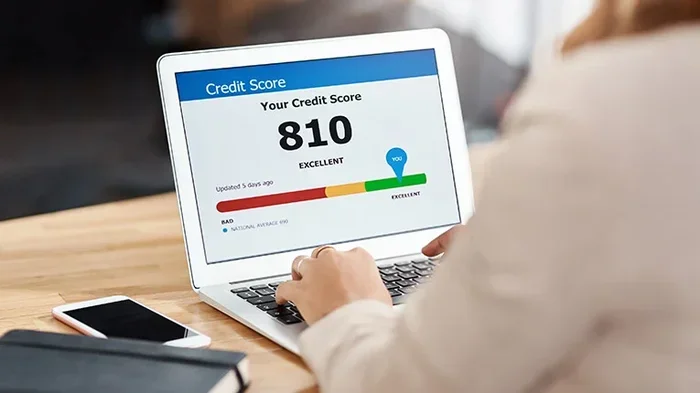
What Is the FICO Credit Score and Why You Should Know
The FICO Credit Score is the most widely used credit scoring model in the United States. It helps lenders decide whether to approve you for loans and what interest rate to charge. Understanding your FICO Credit Score can save you thousands of dollars, especially when buying a car. This guide breaks down everything you need to know in simple, easy-to-understand terms.
Key Takeaways
- Your FICO Credit Score is a three-digit number that represents your creditworthiness. Lenders use it to make fast decisions about loan approvals.
- The FICO score model evaluates five main factors including payment history, credit utilization, and length of credit history.
- A higher FICO Credit Score leads to better auto loan rates and lower monthly payments on your car.
- You can check your FICO score for free through many banks and credit monitoring services.
- Improving your FICO Credit Score takes time but small habits like paying bills on time make a big difference.
- FICO Auto Scores are specialized versions used specifically by auto lenders to assess car loan risk.
- Myths about credit scores can hurt your financial health if you believe and act on them.
📑 Table of Contents
- What Is the FICO Credit Score and Why It Matters More Than You Think
- What Exactly Is a FICO Credit Score?
- The Five Key Factors That Build Your FICO Credit Score
- FICO Credit Score Ranges Explained
- Why Your FICO Credit Score Matters for Auto Loans
- How to Check Your FICO Credit Score for Free
- How to Improve Your FICO Credit Score Over Time
- Common Myths About the FICO Credit Score
- Conclusion
What Is the FICO Credit Score and Why It Matters More Than You Think
You have probably heard the term FICO Credit Score thrown around a hundred times. Maybe a lender mentioned it when you applied for a car loan. Or perhaps a friend said their score was “not great” and they got a bad deal. But what exactly is a FICO Credit Score? And why should you care about it every single day?
A FICO Credit Score is a three-digit number that tells lenders how likely you are to pay back a loan. It is the most widely used credit scoring model in the United States. Over 90% of top lenders rely on it when making lending decisions. Whether you are buying a house, financing a car, or opening a credit card, your FICO Credit Score plays a huge role.
The good news is that understanding how it works is not as complicated as it seems. Once you know the basics, you can take control of your financial health and make smarter decisions. This guide will walk you through everything you need to know about the FICO Credit Score in plain, simple language. Let us get started.
What Exactly Is a FICO Credit Score?
A FICO Credit Score is a number between 300 and 850 that summarizes your credit history. It was created by the Fair Isaac Corporation, which is where the name “FICO” comes from. The company developed this credit scoring model back in 1989, and it has become the gold standard ever since.
How the FICO Score Model Works
The FICO Credit Score is calculated using data from your credit report. The three major credit bureaus — Equifax, Experian, and TransUnion — collect this data. Each bureau may have slightly different information about you. That means your FICO Credit Score can vary slightly depending on which bureau a lender pulls from.
The scoring model looks at several categories of information. These categories are weighted differently, and each one contributes to your final score. The FICO score model does not just look at one thing. It evaluates your overall credit profile to give lenders a complete picture.
FICO Score Versions You Should Know About
FICO updates its scoring model from time to time. The most commonly used version today is FICO Score 8. However, there are also specialized versions like the FICO Auto Score, which auto lenders use specifically for car loans. Other versions include FICO Score 9 and FICO Score 10. Each version may weigh factors slightly differently, but the core idea stays the same.
When you apply for an auto loan, the lender will likely pull a FICO Auto Score. This is a specialized version of the FICO Credit Score designed for the automotive industry. It focuses more heavily on your auto loan payment history if you have one. Knowing which version a lender uses can help you understand what they are looking at.
The Five Key Factors That Build Your FICO Credit Score
The FICO Credit Score is built on five main factors. Each factor carries a different weight in the calculation. Understanding these factors is the first step toward improving your score. Let us break them down one by one.
Payment History — The Biggest Factor
Your payment history accounts for about 35% of your FICO Credit Score. This is the single most important factor. It shows whether you pay your bills on time, every time. Late payments, missed payments, and defaults all hurt this category.
On the flip side, a long track record of on-time payments boosts your score significantly. Even one late payment can have a negative impact. The good news is that the effect of late payments fades over time. Consistency is key when it comes to building a strong payment history.
Credit Utilization — How Much You Owe
Credit utilization makes up about 30% of your FICO Credit Score. This refers to how much of your available credit you are currently using. For example, if you have a credit card with a $10,000 limit and you owe $3,000, your utilization rate is 30%.
Experts recommend keeping your utilization below 30%. Lower is even better. A credit utilization rate under 10% is ideal for a top-tier FICO Credit Score. If your utilization is high, paying down balances can quickly improve your score. This is one of the fastest ways to see results.
Length of Credit History — Time Works in Your Favor
The length of your credit history accounts for about 15% of your score. This includes the age of your oldest account, your newest account, and the average age of all your accounts. A longer credit history generally leads to a higher FICO Credit Score.
This is why it is usually a bad idea to close old credit cards. Even if you do not use them, keeping them open helps your credit profile. The longer your accounts have been open, the more data there is to show lenders how you handle credit over time. Patience really does pay off here.
Credit Mix — Variety Matters
Credit mix refers to the different types of credit accounts you have. This includes credit cards, retail accounts, installment loans, and mortgage loans. Having a diverse credit mix can positively impact your FICO Credit Score by about 10%.
You do not need to have every type of credit. But having a healthy mix shows lenders you can manage different kinds of accounts responsibly. For example, an auto loan combined with a credit card demonstrates versatility. Just be careful not to open accounts you do not need just for the sake of variety.
New Credit Inquiries — Be Careful How Often You Apply
This factor also accounts for about 10% of your score. Every time you apply for new credit, a hard inquiry is recorded on your credit report. Too many hard inquiries in a short period can signal risk to lenders.
This does not mean you should never apply for credit. It just means you should be strategic. If you are rate shopping for an auto loan, multiple inquiries within a short window (usually 14 to 45 days) are often treated as a single inquiry. This is a helpful exception that protects consumers who are comparing rates.
FICO Credit Score Ranges Explained
Now that you know what goes into a FICO Credit Score, let us talk about the ranges. Not all scores are created equal. Lenders use these ranges to quickly assess risk. Here is how the FICO score ranges break down.
| Score Range | Rating | What It Means |
| 300–579 | Poor | High risk. You may struggle to get approved for loans or face very high interest rates. |
| 580–669 | Fair | Below average. You can get approved for some loans, but rates will not be great. |
| 670–739 | Good | Above average. Most lenders consider this a solid range for competitive rates. |
| 740–799 | Very Good | Low risk. You will likely qualify for excellent loan terms and low interest rates. |
| 800–850 | Exceptional | Top tier. You will get the best rates and highest approval odds from any lender. |
The FICO Credit Score ranges give you a clear benchmark. If your score falls in the “Good” or higher range, you are in a strong position. If it is in the “Fair” or “Poor” range, do not panic. There are many proven ways to improve your score over time. The most important thing is to start taking steps today.
Why Your FICO Credit Score Matters for Auto Loans
If you are in the market for a car, your FICO Credit Score is one of the most important numbers you will encounter. Auto lenders use it to determine whether to approve your loan and at what interest rate. Even a small difference in your score can lead to hundreds or even thousands of dollars in savings over the life of a loan.
How Lenders Use Your FICO Credit Score
When you apply for an auto loan, the lender pulls your FICO Credit Score from one or more credit bureaus. They use this number to assess your risk as a borrower. A higher score tells the lender you are a creditworthy borrower who is likely to make payments on time.
A lower score raises red flags. The lender may approve you anyway, but with a higher interest rate. This means you pay more money over the life of the loan. In some cases, a low score can even lead to a denial. This is why knowing your FICO Credit Score before you visit a dealership is so important.
FICO Auto Score vs. Standard FICO Score
It is worth noting that auto lenders often use a FICO Auto Score rather than the standard FICO Credit Score. The FICO Auto Score is a modified version of the standard score. It places more emphasis on your auto loan history and less on other types of credit.
This means your FICO Auto Score might be higher or lower than your standard score, depending on your auto payment history. If you have a strong history of making car payments on time, the FICO Auto Score will likely reflect that positively. Understanding this difference can help you set realistic expectations when shopping for a vehicle.
How to Check Your FICO Credit Score for Free
Checking your FICO Credit Score has never been easier. Many banks and credit card companies now offer free score access to their customers. You can also use free credit monitoring services that provide your score on a regular basis.
You should check your score at least once a year, but checking it more often is even better. Regular monitoring helps you catch errors or signs of identity theft early. It also lets you track your progress as you work to improve your financial health. Many people find that seeing their score rise over time is a great motivator to keep good habits going.
Quick Tips for Monitoring Your Score
- Set up alerts with your bank or credit card app to get notified of score changes.
- Check your credit report from all three bureaus at least once a year at AnnualCreditReport.com.
- Dispute any errors you find on your report right away.
- Avoid applying for too many credit accounts in a short period of time.
- Use credit monitoring services that track your FICO Credit Score over time.
How to Improve Your FICO Credit Score Over Time
If your FICO Credit Score is not where you want it to be, the good news is that improvement is absolutely possible. It takes time and consistent effort, but the results are well worth it. Here are some practical steps you can take today.
Step 1: Pay Every Bill on Time
This is the single most impactful thing you can do. Set up automatic payments or calendar reminders so you never miss a due date. Even one late payment can drop your score by a significant amount. On-time payments build trust with lenders and slowly raise your FICO Credit Score.
Step 2: Reduce Your Credit Card Balances
Lowering your credit utilization is one of the fastest ways to boost your score. Focus on paying down high-interest balances first. As your utilization drops, you will see your FICO Credit Score climb. Aim for a utilization rate below 10% if possible.
Step 3: Avoid Opening Unnecessary Accounts
Every new credit application creates a hard inquiry. Too many inquiries in a short window can hurt your score. Only apply for credit when you truly need it. This protects your credit profile and keeps your FICO Credit Score healthy.
Step 4: Keep Old Accounts Open
The length of your credit history matters. Closing old accounts shortens your average account age and can lower your score. Keep your oldest credit cards active, even if you rarely use them. A long credit history signals stability to lenders.
Step 5: Diversify Your Credit Mix
If you only have credit cards, consider adding an installment loan like a small personal loan or a car loan. A healthy credit mix shows lenders you can handle different types of credit responsibly. Just make sure you only take on debt you can afford to repay.
Common Myths About the FICO Credit Score
There is a lot of misinformation floating around about credit scores. Let us clear up some of the most common myths so you can make informed decisions about your financial health.
Myth 1: Checking your own score hurts it. This is completely false. When you check your own FICO Credit Score, it is considered a soft inquiry. Soft inquiries do not affect your score at all. You should check your score as often as you like.
Myth 2: You only have one FICO score. In reality, you have many FICO scores. Different lenders use different versions of the scoring model. You also have scores from each of the three credit bureaus. Your FICO Credit Score is not just one number — it is a range of numbers depending on who is looking.
Myth 3: Income affects your credit score. Your income has nothing to do with your FICO Credit Score. The score only looks at your credit behavior, not how much money you earn. You can be a high earner with a low score, or a modest earner with a high score.
Myth 4: Closing credit cards improves your score. This is one of the most dangerous myths. Closing a credit card can actually hurt your score by reducing your available credit and shortening your credit history. Keep your cards open unless there is a very specific reason to close them.
Myth 5: You need to carry a balance to build credit. This is outdated advice. You do not need to carry a balance or pay interest to build a good FICO Credit Score. Paying your balance in full each month is the smartest approach. It builds credit without costing you a dime in interest.
Conclusion
Your FICO Credit Score is one of the most powerful financial tools you have. It affects your ability to get approved for loans, the interest rates you pay, and even some rental and employment decisions. Understanding how the FICO Credit Score works puts you in the driver’s seat of your own financial health.
The five factors — payment history, credit utilization, length of credit history, credit mix, and new credit inquiries — all work together to shape your score. By focusing on the habits that matter most, you can steadily improve your FICO Credit Score over time. Whether you are planning to buy a car, a home, or simply want to be in a stronger financial position, taking care of your credit score is one of the best investments you can make.
Start today. Check your score, review your credit report, and make a plan. Small, consistent actions lead to big results. Your future self will thank you every time you get a great loan rate or get approved for the credit you deserve. Take control of your FICO Credit Score now, and watch how it opens doors for you down the road.
Frequently Asked Questions
What is a good FICO Credit Score for buying a car?
A FICO Credit Score of 660 or higher is generally considered good for auto loans. However, scores of 700 and above will get you the best interest rates. Even if your score is lower, you can still get approved for a car loan, but you may pay a higher interest rate.
How often does my FICO Credit Score change?
Your FICO Credit Score can change whenever new information is added to your credit report. This could be monthly, weekly, or even daily. Most people see their score fluctuate by a few points over time. Significant changes usually happen after major events like paying off a loan or missing a payment.
Is the FICO Credit Score the same as a credit score from Credit Karma?
Not exactly. Credit Karma uses the VantageScore model, which is different from the FICO Credit Score. While both measure your creditworthiness, they use different scoring models and may weight factors differently. The FICO Credit Score is the one most lenders use, so it is the most important one to watch.
Can I get an auto loan with a poor FICO Credit Score?
Yes, it is possible. Many lenders specialize in subprime auto loans for borrowers with lower FICO Credit Scores. However, these loans often come with much higher interest rates. You may end up paying significantly more for the vehicle over time. It is usually better to improve your score first if you can wait.
How long does it take to improve a FICO Credit Score?
Improving your FICO Credit Score is a gradual process. It can take anywhere from a few months to a year or more, depending on where you start. Consistently paying bills on time and reducing debt are the fastest ways to see improvement. There are no quick fixes that will magically raise your score overnight.
Does checking my FICO Credit Score affect it?
No. Checking your own FICO Credit Score is a soft inquiry, which has zero impact on your score. You should feel free to check it as often as you want. Hard inquiries, which happen when a lender checks your score during a loan application, can have a small temporary effect.