What Is the Most Common Cause of P0171 Engine Problem
The P0171 code signals a lean condition in Bank 1. The most common cause of P0171 is a vacuum leak, which lets unmetered air enter the engine. Other frequent culprits include a dirty mass airflow sensor, a failing oxygen sensor, or low fuel pressure.
Key Takeaways
- Vacuum leaks are the #1 cause: Unmetered air sneaks in, making the mixture too lean.
- P0171 means Bank 1 is lean: The engine control unit sees too much air and not enough fuel.
- Dirty MAF sensor can trigger it: A contaminated mass airflow sensor misreads air intake.
- Fuel pressure matters: A weak fuel pump or clogged filter starves the engine.
- Don’t ignore the check engine light: Driving with a lean condition can damage the catalytic converter.
- Simple fixes often work: Many causes are cheap and easy to repair at home.
📑 Table of Contents
What Does the P0171 Code Mean?
The P0171 code is a common engine trouble code. It means the fuel system is too lean on Bank 1. Bank 1 is the side of the engine that contains cylinder 1. A lean condition happens when there is too much air and not enough fuel. This imbalance can hurt your engine over time. You will often see the check engine light glow on your dash. The code is part of the OBD-II system. That system watches your emissions and engine health. When the computer sees a lean reading, it stores the code. This tells you something is off in the air-fuel mix. The fuel trim numbers will show a long-term or short-term adjustment. The engine tries to compensate, but it cannot fix the root problem. You need to find the real cause. The good news is that the most common cause of P0171 is easy to track down. Most repairs are simple and affordable.
The Most Common Cause of P0171: Vacuum Leaks
A vacuum leak is the top reason for a P0171 code. It lets extra air slip into the engine past the mass airflow sensor. The sensor only measures the air that goes through it. If unmetered air enters, the computer thinks there is too little air. It does not add enough fuel. This creates a lean condition. Vacuum leaks can happen in many places. The intake manifold gasket can crack. Rubber hoses can dry out and split. The brake booster hose can leak. Even a loose carburetor base can cause it. Small leaks are hard to see. You might not hear a hiss. A smoke test is the best way to find them. A mechanic puts smoke into the intake system. The smoke escapes where the leak is. You can also use a propane torch carefully around hoses. The engine RPM will change when you find the leak. A quick tip is to spray carb cleaner around intake bolts while the engine runs. If the idle changes, you found the leak. A vacuum leak is often the first thing to check. It is the most common cause of P0171 for a reason.
Quick Tip: Find Vacuum Leaks Safely
- Use a smoke machine for the most accurate results.
- Spray a small amount of carb cleaner around intake hoses while the engine idles.
- Listen for a hissing sound near the engine bay.
- Check all rubber hoses for cracks or hardening.
Common Mistake to Avoid
Many people replace the oxygen sensor first. That is a costly mistake. A vacuum leak is far more common. Always check for air leaks before buying expensive parts.
Expert Insight
Experienced technicians always start with the simplest explanation. A vacuum leak costs a few dollars to fix. A new oxygen sensor can cost over a hundred. Save your money and check the air path first.
Other Frequent Culprits Behind P0171
While a vacuum leak is the most common cause of P0171, other parts can fail too. The mass airflow sensor is a key player. A dirty MAF sensor gives wrong readings. It tells the computer how much air is coming in. If it is dirty, it under-reports the air. The computer then adds too little fuel. Cleaning the MAF sensor with a special cleaner often fixes this. You should never touch the delicate wires inside. Just spray the cleaner on the wire grid and let it dry.
The oxygen sensor also plays a big role. The O2 sensor measures exhaust gases. It tells the computer if the mixture is rich or lean. A failing sensor can send wrong data. The computer might then add too much or too little fuel. But a bad O2 sensor is less common than a vacuum leak. Still, it is worth checking. Fuel pressure is another area to look at. A weak fuel pump cannot push enough fuel. A clogged fuel filter will starve the engine. The fuel pressure regulator must hold steady pressure. If it fails, the system goes lean. The intake manifold gasket can also leak. This gasket seals the intake manifold to the engine block. If it fails, air can seep in. This is another form of a vacuum leak. The PCV valve can get stuck open. This valve controls crankcase ventilation. If it sticks, it pulls too much air into the engine. An exhaust leak before the sensor can also cause issues. The sensor reads oxygen in the exhaust. If outside air enters the pipe, the reading changes. The computer then adjusts the fuel mix wrong.
P0171 Causes Compared
| Cause | Common Symptoms | Difficulty to Fix | Cost Range |
|---|---|---|---|
| Vacuum Leak | Rough idle, check engine light, hesitation | Easy to Medium | $10–$100 |
| Dirty MAF Sensor | Sluggish acceleration, poor fuel economy | Easy | $0–$30 (cleaner) |
| Failing O2 Sensor | Rough running, failed emissions test | Easy | $50–$200 |
| Low Fuel Pressure | Stalling, hard starts, loss of power | Medium | $50–$300 |
| Intake Manifold Gasket Leak | Coolant loss, vacuum leak sounds | Medium | $50–$200 |
| Exhaust Leak Pre-Sensor | Hissing sound, ticking noise at startup | Easy | $20–$150 |
How to Diagnose a P0171 Code
Diagnosing a P0171 code is a step-by-step process. You want to start with the easiest checks first. Never jump to part replacements. A good diagnostic saves time and money. Here is a clear path to follow.
Step 1: Check for Other Codes
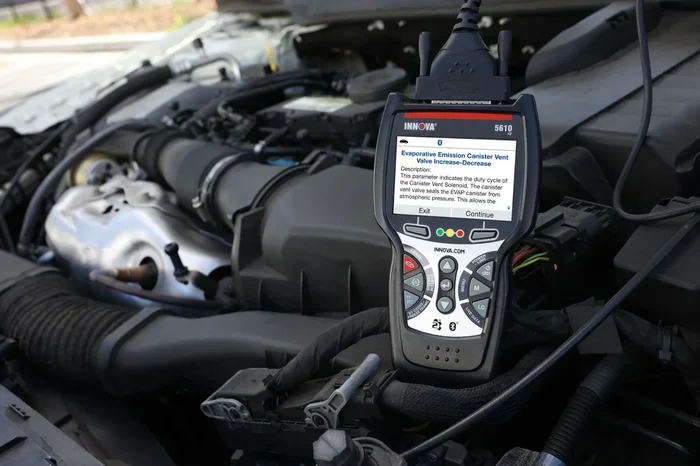
Plug in a diagnostic scanner. Look at all the codes stored. If you see P0171 along with P0174, the problem is likely common to both banks. That points to a global issue like a dirty MAF sensor or a weak fuel pump. If P0171 is alone, focus on Bank 1. Look for any intake or vacuum-related codes too.
Step 2: Inspect for Vacuum Leaks
Start the engine and let it idle. Listen carefully for any hissing sounds. Look under the hood for disconnected hoses. Check the brake booster hose and the PCV valve hose. Spray a small amount of water around intake manifold bolts. If the idle changes, you found a leak. A smoke test is the gold standard. It reveals even the tiniest cracks. Many auto parts stores will lend you a smoke machine.
Step 3: Check the Mass Airflow Sensor
Remove the MAF sensor. Look at the wire grid. If it looks black or oily, it is dirty. Use a dedicated MAF cleaner spray. Do not touch the wires. Let it dry completely before reinstalling. A clean MAF sensor often fixes the code right away.
Step 4: Test Fuel Pressure
Attach a fuel pressure gauge to the rail. Start the engine and watch the pressure. Compare it to the factory spec. If the pressure is low, check the fuel pump and filter. A weak pump will cause a lean condition. A clogged filter will restrict flow. Replacing these parts is simple and cheap.
Step 5: Look at the Oxygen Sensor Data
Use the scanner to watch the O2 sensor live data. The sensor should swing rapidly between rich and lean. If it stays stuck lean, the sensor may be bad. If it swings normally, the sensor is likely fine. The problem is probably upstream.
Step-by-Step Fixes for P0171
Once you find the cause, fixing P0171 is straightforward. Here are the most common repairs.
Fixing a Vacuum Leak
Replace any cracked rubber hoses. Tighten loose intake manifold bolts. If the intake manifold gasket is leaking, remove it and install a new gasket. Use a new O-ring if needed. For brake booster hose leaks, replace the hose. These are simple jobs that take under an hour.
Cleaning the MAF Sensor
Spray the MAF cleaner on the wire grid. Let it evaporate completely. Do not use any other cleaners. Do not touch the wires with your fingers. Reinstall the sensor and clear the code. Drive the car and see if the light returns.
Replacing the Oxygen Sensor
Unplug the sensor connector. Use an O2 sensor wrench to remove it. Apply anti-seize to the new sensor threads. Screw in the new sensor by hand first. Then tighten it with the wrench. Plug the connector back in. Clear the code and test drive.
Addressing Fuel Pressure Issues
Replace the fuel filter if it is clogged. If the pump is weak, you may need to replace it. Check the fuel pressure regulator. A failed regulator will cause low pressure. These repairs may need a bit more mechanical skill. But they are still very doable at home.
Keeping Your Engine Healthy After the Fix
Once you fix the P0171 code, you want to keep the engine healthy. Regular maintenance prevents the problem from coming back. Use a quality fuel filter and change it on schedule. Keep the air filter clean. A dirty air filter can starve the engine. Check the PCV valve every 30,000 miles. A stuck PCV valve can cause lean codes again. Use a fuel system cleaner once a year. This keeps the injectors and intake valves clean. Always address the check engine light quickly. A small vacuum leak can get worse over time. Early diagnosis saves you from bigger repairs. Your fuel economy will improve too. A properly tuned engine runs smooth and strong. You will notice better acceleration and a quieter ride. The most common cause of P0171 is easy to prevent with simple care.
Final Thoughts on the P0171 Code
The P0171 code can feel scary at first. But it is often a simple fix. The most common cause of P0171 is a vacuum leak. Start there and work your way out. Check the MAF sensor and fuel pressure next. With a little patience, you can solve this problem yourself. The engine control unit wants the right air-fuel mix. When you give it that, the code will clear. Your car will run like new again. Do not delay the repair. A lean condition can hurt your catalytic converter. That repair is much more expensive. Take action today and save money. Your car will thank you with smooth, reliable runs.
Frequently Asked Questions
Can I drive my car with a P0171 code?
You can drive a short distance, but it is not recommended. A lean condition can cause engine damage over time. The catalytic converter is especially at risk. Get the code checked and fixed as soon as possible.
Will a vacuum leak fix itself?
No, vacuum leaks do not fix themselves. Rubber hoses can shrink or crack further. The leak will usually get worse. You need to find the leak and replace or repair the part.
How much does it cost to fix a P0171 code?
The cost depends on the cause. A vacuum leak repair might cost under $50. Cleaning a MAF sensor costs almost nothing. Replacing an oxygen sensor can run $100 to $200. Fuel pump repairs can be $300 or more. Always diagnose first to avoid unnecessary expenses.
What is the difference between P0171 and P0174?
P0171 means Bank 1 is too lean. P0174 means Bank 2 is too lean. Bank 1 contains cylinder 1. Bank 2 is the opposite side. If both codes show, the problem is likely common to both banks, like a dirty MAF sensor or weak fuel pump.
Can a dirty air filter cause a P0171 code?
A severely clogged air filter can restrict airflow. But this usually causes a rich condition, not a lean one. A lean code is more often caused by unmetered air entering the engine. Still, a clean air filter is part of good engine health.
Does the P0171 code clear itself after fixing?
After you repair the issue, the code will not clear automatically. You need to use a diagnostic scanner to erase it. Once cleared, drive the car through several drive cycles. The computer will relearn the fuel trim values. If the problem is fixed, the light will stay off.