What Happens If You Dont Replace Your Car Key Battery Soon
Ignoring your car key battery can leave you locked out, unable to start your vehicle, and facing costly repairs. A dying key fob battery causes warning signs like reduced range, intermittent failures, and dashboard alerts. Replacing the battery early is simple, cheap, and keeps your car running smoothly.
You press the button on your key fob. Nothing happens. You press it again. Still nothing. Your heart sinks as you realize your car key battery might be dead. This is a situation almost every driver faces at some point. But what exactly happens when you let it go too long? The answer might surprise you.
Your car key battery is a small but mighty component. It powers the remote functions that make modern driving convenient. When that battery dies, things can go from annoying to completely stuck very fast. In this article, we will walk you through everything that can go wrong. We will also cover what you can do to avoid getting caught off guard.
The good news? Preventing these problems is easy and affordable. You do not need to be a mechanic. You do not even need to visit a dealership. A little awareness goes a long way. Let us dive into what really happens when you ignore that dying key fob battery.
Key Takeaways
- A dead key fob battery can prevent your car from starting or lock you out of the vehicle entirely.
- Warning signs include reduced signal range, flickering buttons, and error messages on the dashboard.
- Replacement batteries cost under $10 and take just minutes to swap in most models.
- You can replace the battery yourself at home with basic tools and simple steps.
- Some dealerships offer free key battery replacement, so it pays to ask.
- Driving with a low key battery is possible in some cars but comes with risks you should know about.
- Ignoring the problem can lead to a dead car battery or a stuck ignition.
📑 Table of Contents
- How Your Car Key Battery Works
- What Happens When You Don’t Replace Your Car Key Battery
- Warning Signs Your Key Fob Battery Is Dying
- Can You Still Drive With a Dead Key Fob Battery?
- How to Replace Your Car Key Battery
- Common Mistakes People Make With Key Fob Batteries
- How Long Does a Key Fob Battery Last?
- When to See a Professional
- Final Thoughts
How Your Car Key Battery Works
Before we talk about what goes wrong, let us understand how your key fob works. Most modern cars use a remote key fob with a small coin-shaped battery inside. This battery sends a signal to your car when you press buttons. The signal tells the car to lock, unlock, or start.
The battery in your key fob is usually a CR2025 or CR2032 cell. These batteries last between two and four years on average. But usage matters a lot. If you use your remote start feature daily, the battery drains faster. Cold weather also shortens battery life significantly.
Here is the key thing most people miss. Your car does not always tell you the battery is dying right away. It gives you subtle hints first. Recognizing these signs early can save you a lot of trouble.
Why the Battery Matters More Than You Think
Many drivers treat their key fob like an afterthought. They toss it in a drawer or a cup holder and forget about it. But the key fob is the bridge between you and your car. Without a working battery, that bridge disappears. You are left with a heavy metal paperweight where your trusty remote used to be.
Some newer cars use push button start systems. These systems rely entirely on the key fob being active. If the battery dies, the car may not recognize the fob at all. This means no start, no unlock, and in some cases, no access to your vehicle. The stakes are higher than most people realize.
What Happens When You Don’t Replace Your Car Key Battery
So what exactly goes wrong when you keep ignoring that low battery warning? Let us break it down step by step. Each stage gets progressively worse.
Stage 1: Reduced Signal Range
The first sign is usually a shorter range. You used to unlock your car from 30 feet away. Now you need to stand right next to it. This happens because the battery is losing power. The signal weakens and cannot travel as far.
At this stage, the car still works. But it is a clear warning. If you replace the battery now, you avoid all the bigger problems down the road. Many people ignore this stage and push forward. That is where things get tricky.
Stage 2: Intermittent Failures
Next, the fob starts acting inconsistent. Sometimes it works. Sometimes it does not. You might unlock the car on the first try but fail on the second. This randomness comes from an uneven power supply. The battery is struggling to maintain a steady signal.
This stage is frustrating. You stand in the rain, pressing buttons, hoping something works. It is also embarrassing when you are in front of other people. The fob might work one day and fail the next. This inconsistency is a red flag you should not ignore.
Stage 3: Complete Signal Loss
Eventually, the battery dies completely. Now the fob does nothing. No locks, no unlock, no start. You are left standing outside your car with no remote functions. At this point, most cars have a backup mechanical key hidden inside the fob.
You can use the mechanical key to open the door. But starting the car becomes a different challenge. Cars with push button start may not recognize the fob without battery power. You might need to hold the fob directly against the start button. Some models have a specific backup slot for this exact scenario.
Stage 4: Stranded and Locked Out
This is the worst-case scenario. You arrive at your car in a parking lot. The battery is completely dead. The fob gives you nothing. You do not have the mechanical key handy. Now you are locked out. This situation can happen to anyone, and it always seems to happen at the worst possible time.
Getting stranded like this costs you time and money. You might need to call a locksmith. Some dealerships charge for emergency key services. A simple battery replacement that costs a few dollars suddenly turns into an expensive hassle. This is exactly what happens when you do not replace your car key battery on time.
Warning Signs Your Key Fob Battery Is Dying
Catching the problem early makes all the difference. Here are the most common warning signs that your key fob battery needs replacing:
- Reduced range: You need to stand closer to the car for the fob to work.
- Delayed response: Buttons take longer to register when pressed.
- Intermittent function: The fob works sometimes but not others.
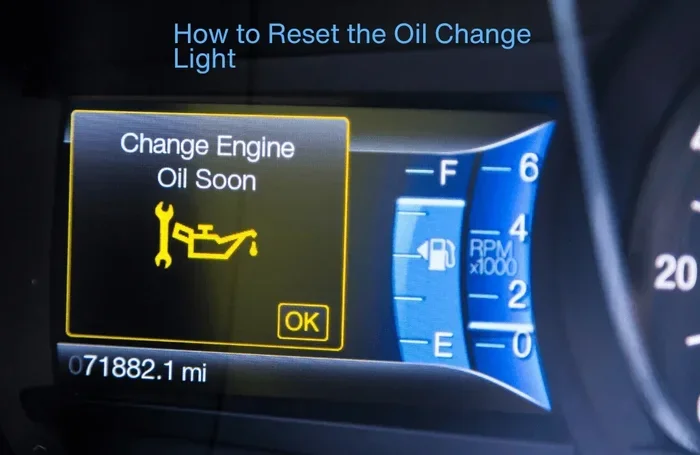
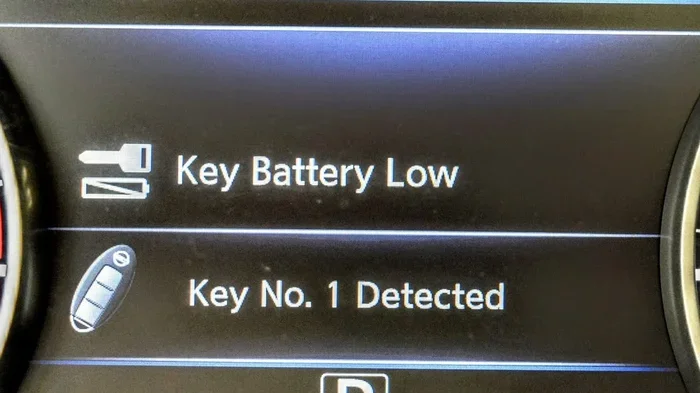
- Dashboard warning light: Some cars display a battery alert on the dash.
- Weak or flickering LED: The light on the fob dims when you press buttons.
- Car does not start: The push button start fails to recognize the fob.
- Lock/unlock only works from very close range: You must be within a foot of the car.
If you notice any of these signs, do not wait. Replace the battery right away. A few dollars and five minutes of your time can save you from a world of inconvenience. And if you are wondering whether you can handle this yourself, the answer is almost always yes. You can replace a key fob battery yourself with minimal tools and basic instructions.
Can You Still Drive With a Dead Key Fob Battery?
This is one of the most common questions drivers ask. The short answer is: it depends on your car. Let us look at different scenarios.
Cars With Traditional Key Insertion
If your car has a regular key slot for ignition, you are in better shape. You can use the mechanical key to start the car even if the fob battery is dead. The car does not rely on the fob signal to turn the ignition. You just need the physical key.
However, you still lose all remote functions. You cannot lock or unlock the car from a distance. You must be right next to the door to use the manual key. This is manageable but definitely inconvenient.
Cars With Push Button Start
Cars with push button start are more dependent on the key fob. Without a working battery, the car may not detect the fob at all. In most cases, you can still start the car by placing the dead fob directly against the start button. The car reads the fob through contact, not through the air.
But this backup method does not work on every model. Some cars simply will not start without a live fob signal. If you are unsure about your specific vehicle, check the owner manual or contact the manufacturer. You can also learn more about driving scenarios in our guide on can you drive a car if the key fob battery dies.
What About Low Battery vs. Dead Battery
There is a big difference between a low battery and a completely dead one. With a low battery, you might still get the car started. The signal is weak, but it exists. As the battery drains further, even this backup becomes unreliable.
You can also learn more about what happens with low battery situations in our article on can I drive my car with a low key battery. The key takeaway is that a low battery is your window of opportunity. Use it to replace the battery before it becomes a dead battery.
How to Replace Your Car Key Battery
Replacing your car key battery is one of the easiest maintenance tasks you can do. Most people can do it in under five minutes. Here is a simple step-by-step guide.
- Find the right battery: Check your owner manual. Most fobs use CR2025 or CR2032 batteries. You can buy these at any drugstore or gas station for under $5.
- Open the fob: Look for a small seam on the side of the fob. Use a flathead screwdriver or a coin to gently pry it open. Work slowly to avoid damaging the casing.
- Remove the old battery: Note which side faces up. Take a photo if you are unsure. Use a non-metallic tool to pop the battery out.
- Insert the new battery: Place the new battery in the same orientation as the old one. Make sure it sits flat and secure.
- Test the fob: Close the fob and stand near your car. Press the unlock button. If it works, you are all set.
That is it. Five simple steps and you are back in business. No trip to the dealership required. No expensive service fees. Just a quick fix that keeps your day on track.
If you would prefer professional help, some dealerships will replace the battery for free. Check with your dealer to see if they offer this service. You might be surprised to learn that dealerships often replace key batteries for free, especially if you bought the car from them.
Common Mistakes People Make With Key Fob Batteries
Even with the best intentions, drivers make mistakes when it comes to key fob batteries. Here are the most common ones and how to avoid them.
Waiting Too Long After the Warning Signs
The biggest mistake is ignoring the early signs. When the range starts shrinking, that is your cue. But many people push through and hope it gets better. It does not. The battery only gets worse until it dies completely. Replace the battery at the first sign of trouble.
Using the Wrong Battery Type
Not all batteries are the same. Using the wrong type can damage your fob or cause it to malfunction. Always check your owner manual for the correct battery model. A CR2025 and a CR2032 look similar but have different voltages and sizes.
Touching the Battery Contacts with Metal Tools
When opening the fob, avoid using metal tools that can scratch the contacts. Use a plastic pry tool or a coin. Metal contact can cause a short circuit and damage the fob’s internal components.
Forgetting to Reset the Fob After Replacement
In some car models, you need to reset the fob after replacing the battery. This re-pairs the fob with the car. If you do not reset it, the car might not recognize the fob even with a new battery. Check your owner manual for reset instructions specific to your model.
Storing the Fob Near Other Electronics
Keeping your fob near your phone, laptop, or other electronics can interfere with the signal. It can also drain the battery faster. Store your fob in a dedicated spot away from electronic devices to extend battery life.
How Long Does a Key Fob Battery Last?
The average key fob battery lasts between two and four years. But this varies based on several factors. Daily use shortens the lifespan. Cold climates drain batteries faster. Cars with more remote features, like remote start or proximity sensing, use more power.
If you use your fob multiple times a day, expect to replace the battery every two years. If you rarely use the remote and rely on the physical key, the battery might last closer to four years.
The best approach is to keep a spare battery in your glove box. This way, you are always prepared. A dead battery at the worst moment is never fun, but it is easy to avoid with a little planning.
When to See a Professional
Most of the time, replacing a key fob battery is a DIY job. But there are situations where you should seek professional help. If you replace the battery and the fob still does not work, there might be a deeper issue. The fob could be water-damaged or the internal circuitry could be worn out.
Also, if your car does not recognize the fob even after a replacement, the problem might be with the car’s receiver, not the fob. In these cases, a dealership or automotive locksmith can help diagnose the issue. They have the tools and expertise to fix problems beyond a simple battery swap.
Remember, a small investment in maintenance now prevents big headaches later. Your key fob is the first thing you interact with every time you get in the car. Keep it working and your daily routine stays smooth.
Final Thoughts
Your car key battery is a small component with a big impact. Ignoring it can lead to being locked out, stranded, or unable to start your vehicle. The warning signs are there. Reduced range, intermittent failures, and dashboard alerts are all telling you something. Listen to them.
Replacing the battery is cheap, fast, and easy. You can do it yourself at home in minutes. Or you can visit a dealership that might do it for free. Either way, there is no excuse to let a dead battery disrupt your day.
Take a moment right now to check your key fob. Does it still work from a comfortable distance? If not, grab a replacement battery and swap it out. Your future self will thank you when you are not standing in the parking lot, frustrated and locked out. A little maintenance today saves a lot of stress tomorrow.
Frequently Asked Questions
How do I know if my car key battery is dying?
The most common signs include reduced signal range, delayed button response, and intermittent function. Some cars also display a battery warning light on the dashboard. If you notice any of these symptoms, it is time to replace the battery.
Can a dead key fob battery prevent my car from starting?
Yes, in many modern cars with push button start, a dead fob battery can prevent the car from recognizing the key. You may need to hold the fob against the start button as a backup. Check your owner manual for your specific model’s workaround.
How much does it cost to replace a car key battery?
Replacement batteries cost between $2 and $10. You can find them at any grocery store, drugstore, or gas station. The replacement process takes about five minutes and requires no special tools.
Can I drive my car if the key fob battery dies?
It depends on your car model. Vehicles with traditional key slots can still be started with the mechanical key. Cars with push button start may require you to hold the dead fob against the ignition button. Learn more about driving with a dead fob battery here.
How often should I replace my key fob battery?
Most key fob batteries last between two and four years. If you use your remote daily, plan to replace it every two years. Keeping a spare battery in your glove box is a smart backup strategy.
Do dealerships replace key fob batteries for free?
Many dealerships offer free key battery replacement, especially if you purchased your vehicle from them. It is always worth asking before you attempt a DIY replacement. You can find more details in our guide on dealership key battery services.