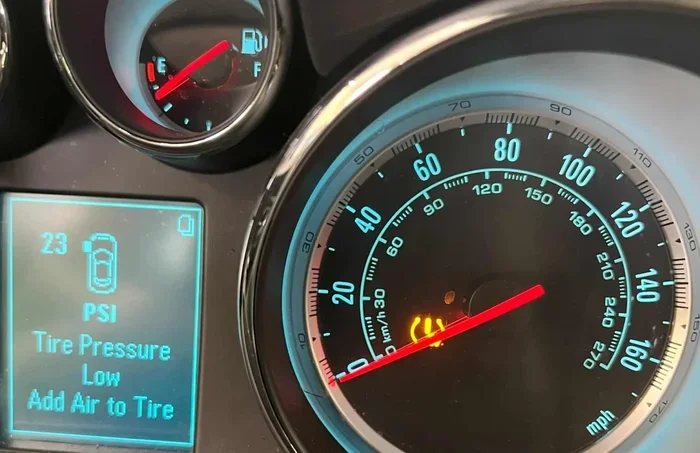
What Does a Blinking Tire Pressure Light Mean Right Now
A blinking tire pressure light usually signals a serious issue with your tire pressure monitoring system. It could mean a flat tire, a failing TPMS sensor, or a system malfunction that needs immediate attention. Ignoring this warning can lead to unsafe driving conditions, reduced fuel economy, and costly tire damage.
You are driving down the road, minding your own business, when suddenly a yellow light shaped like a horseshoe starts flashing on your dashboard. It blinks and blinks and just won’t stop. Your heart drops a little. What does a blinking tire pressure light mean right now? Is it something you can ignore, or is your car trying to tell you something important?
The truth is, a blinking tire pressure light is one of those dashboard warnings you should never take lightly. It is your car’s way of saying, “Hey, check this out right away.” Whether it is a slow leak, a faulty sensor, or a simple reset issue, understanding what that blinking light means can save you from bigger problems down the road. In this guide, we will break down every possible cause, every fix, and every tip you need to know. Let’s get into it.
Key Takeaways
- A blinking TPMS light is different from a steady light and often indicates a more urgent problem.
- Low tire pressure is the most common reason for a blinking tire pressure warning.
- A dead TPMS sensor battery can trigger the blinking light and needs replacement.
- Temperature changes can cause temporary tire pressure fluctuations that activate the light.
- Resetting the TPMS often fixes the issue after you address the root cause.
- Driving on underinflated tires is dangerous and can cause blowouts or uneven wear.
- Professional diagnostics are recommended if the light keeps blinking after basic fixes.
📑 Table of Contents
- What Is a Tire Pressure Monitoring System?
- Why Is My Tire Pressure Light Blinking?
- Common Causes of a Blinking Tire Pressure Light
- How to Fix a Blinking Tire Pressure Light
- Can You Drive Safely With a Blinking Tire Pressure Light?
- Preventing Future TPMS Alerts
- When Should You See a Mechanic for a Blinking TPMS Light?
- How Much Does It Cost to Fix a Blinking Tire Pressure Light?
- Key Takeaways
What Is a Tire Pressure Monitoring System?
Before we dive into what a blinking TPMS light means, it helps to understand what the system does in the first place. Your car has a tire pressure monitoring system, or TPMS for short. This system uses small sensors inside your tires (or sometimes on the valve stems) to measure the air pressure in each tire. When the pressure drops below a safe level, the system sends a signal to your car’s computer, which then lights up that little yellow warning on your dash.
The TPMS has been required in all new cars sold in the United States since 2007. That means almost every vehicle on the road today has one. The system is designed to keep you safe. Underinflated tires can cause poor handling, reduced fuel economy, and even blowouts at highway speeds. The TPMS catches problems early so you can fix them before they become dangerous.
Steady Light vs. Blinking Light
Here is something many drivers do not know. A steady TPMS light usually means your tire pressure is low and needs to be checked soon. A blinking tire pressure light, on the other hand, often indicates a more serious problem. It could mean a TPMS sensor has failed, the system itself has a malfunction, or there is a rapid loss of air pressure. The difference matters, and knowing it can help you respond the right way.
Why Is My Tire Pressure Light Blinking?
So, what causes that annoying blinking light to show up in the first place? There are several reasons, and some are more common than others. Let us walk through them one by one so you know exactly what to look for.
Low Tire Pressure
The most common reason for a blinking tire pressure warning is simply that one or more of your tires is low on air. A slow puncture from a nail or screw can let air out gradually over days or even weeks. You might not notice the tire feels a little soft, but your TPMS certainly does. When the pressure drops below the threshold set by your car’s manufacturer, the light comes on. If the pressure drops very quickly, the light may start blinking instead of staying steady.
Cold weather can also cause tire pressure fluctuations. When temperatures drop, the air inside your tires contracts, and the pressure goes down. This is why you often see the TPMS light pop up in winter mornings. A drop of just 10 degrees Fahrenheit can reduce tire pressure by about 1 PSI. That might not sound like much, but it is enough to trigger the warning in some vehicles.
Faulty TPMS Sensor
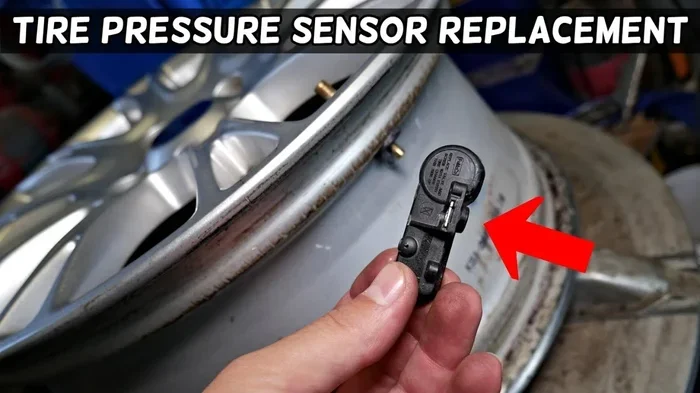
Sometimes the problem is not your tire at all. It is the sensor itself. Each wheel has a tire pressure sensor that sends data to your car’s computer. These sensors run on small batteries that typically last between 5 and 10 years. When the battery dies, the sensor stops working, and your car cannot get a reading. This often triggers a TPMS malfunction light that blinks on your dashboard.
A damaged sensor can also cause problems. Road debris, potholes, and even normal wear and tear can damage the sensor or its valve stem. If one sensor fails, your car may not know the pressure in that tire, and the blinking tire pressure light will stay on until the issue is resolved.
Rapid Air Loss
A sudden loss of air pressure is more dangerous than a slow leak. If you have a blowout or a large puncture, the TPMS system detects the rapid drop and activates the blinking TPMS warning. This is your car’s way of telling you to pull over safely. Driving on a severely flat tire can damage the rim, ruin the tire completely, and even cause a loss of vehicle control. If you see a blinking light and feel the car pulling to one side or hear a flapping sound, stop driving and check your tires immediately.
TPMS System Malfunction
In some cases, the TPMS system itself has a glitch. This can happen after a battery disconnect, a flat tire repair, or a wheel alignment. The system may lose its calibration and start blinking even when your tires are fine. This is frustrating but usually fixable with a simple reset or recalibration.
Temperature and Altitude Changes
Did you know that driving from a warm climate to a cold one can trigger your TPMS light? Air pressure inside tires changes with temperature, and the TPMS is sensitive enough to detect small shifts. Similarly, driving through mountain passes or at high altitudes can cause minor pressure changes. These are usually temporary and not a cause for alarm, but they are worth knowing about so you do not panic when the light comes on.
Common Causes of a Blinking Tire Pressure Light
Let us put all the causes into one clear list so you can quickly reference them. Here are the most common reasons your tire pressure light is blinking:
- Underinflated tire(s) – One or more tires has air pressure below the recommended PSI.
- Puncture or leak – A nail, screw, or damaged valve stem is letting air escape.
- Dead TPMS sensor battery – The sensor battery has died and needs replacement.
- Damaged or failed sensor – The sensor itself is broken or corroded.
- Rapid air loss – A blowout or large puncture caused sudden pressure drop.
- Cold weather – Temperature drops reduced tire pressure below the threshold.
- TPMS system error – The system needs recalibration or has a software glitch.
- Aftermarket wheel installation – New wheels may not have compatible TPMS sensors.
Understanding these causes helps you figure out whether the issue is something you can handle yourself or if you need professional help. For example, if the light comes on after a cold night, you might just need to add air. If it started blinking after you hit a pothole, the sensor might be damaged.
How to Fix a Blinking Tire Pressure Light
Now for the part you really want to know about. How do you make that blinking light go away? The fix depends entirely on what is causing the problem. Here is a step-by-step approach to troubleshooting and resolving a blinking tire pressure light.
Step 1: Check Your Tire Pressure
Grab a tire pressure gauge from your glove box or a nearby gas station. Check the pressure in all four tires, including the spare if you have one. Compare the readings to the recommended PSI listed on your driver’s side door jamb or in your owner’s manual. If any tire is low, add air until it reaches the correct pressure.
Sometimes simply adding air to the proper level will turn off the blinking TPMS light. However, you may also need to reset the system. If you do not have a tire gauge at home, most gas stations have free air pumps you can use. Can you pump a car tire with a bike pump? That is a common question, and while a bike pump can work in a pinch, a proper car tire pump is much faster and more reliable.
Step 2: Inspect the Tires Visually
After checking pressure, give your tires a quick visual inspection. Look for nails, screws, cuts, bulges, or anything that looks out of place. Check the valve stems on each tire to make sure they are not cracked or leaking. Sometimes the problem is obvious once you look closely. A small nail embedded in the tread might be slowly leaking air, and you would never notice it without the TPMS light to alert you.
Step 3: Reset the TPMS System
Once you have confirmed your tire pressures are correct, the next step is to reset the TPMS. The reset procedure varies by vehicle, but here are the most common methods:
- Reset button: Many cars have a TPMS reset button under the steering column or on the dashboard. Press and hold it until the light blinks three times, then release.
- Infotainment system: Some newer vehicles let you reset the TPMS through the settings menu on the touchscreen display.
- Key method: Turn the ignition to the “ON” position (not start) and hold the TPMS reset button until the light flashes and then stays solid for about 30 seconds.
If the light goes off after resetting, you are good to go. If it comes back on after a few miles, there is likely an underlying issue that needs further investigation.
Step 4: Replace the TPMS Sensor Battery
If your TPMS light keeps blinking even after you have confirmed your tire pressures are fine, the sensor battery might be dead. Replacing the battery is usually a simple and affordable fix. You can fix your own tire pressure sensor in many cases, but it requires a bit of mechanical know-how and the right tools. The sensor battery is typically a small coin-cell battery, similar to what you find in a watch. You can purchase replacements for a few dollars at most auto parts stores.
Keep in mind that once you replace the battery, you will need to reprogram the sensor so your car recognizes it again. Some mechanics can do this quickly with a diagnostic tool. If you are comfortable working on your car, running diagnostics with an OBD-II scanner can help you identify exactly which sensor is failing and whether the battery needs replacement.
Step 5: Visit a Professional
If none of the above steps work, it is time to see a mechanic. A professional can run a full TPMS diagnostic and identify problems that are not visible to the naked eye. They have specialized tools that can read sensor data, check for system errors, and reprogram sensors as needed. A TPMS malfunction that persists despite your best efforts usually points to a deeper issue that requires expert attention.
Can You Drive Safely With a Blinking Tire Pressure Light?
This is one of the most common questions drivers ask, and the answer is not a simple yes or no. If your tire pressure is only slightly low and the car is driving normally, you can usually drive a short distance to the nearest gas station or tire shop. However, you should not ignore the light or drive long distances with it flashing.
Driving on underinflated tires causes the tire sidewalls to flex more than they are designed to. This leads to overheating, which increases the risk of a blowout. It also causes uneven tire wear, meaning you will need to replace your tires sooner. Over time, underinflated tires can reduce your fuel economy by 3% or more for every PSI below the recommended level. That adds up at the pump.
If the light is blinking rapidly, that is a different story. A rapid blink often indicates a complete loss of pressure in one or more tires. In this case, you should pull over as soon as it is safe to do so. Driving on a flat tire can destroy the tire and damage the wheel rim, leading to much more expensive repairs.
Preventing Future TPMS Alerts
The best way to deal with a blinking tire pressure light is to prevent it from happening in the first place. Here are some practical tips to keep your TPMS system happy and your tires in great shape:
- Check tire pressure monthly. Get into the habit of checking all four tires at least once a month. A tire pressure gauge costs just a few dollars and takes less than five minutes.
- Check pressure before long trips. Always verify your tire pressure before hitting the highway. Long drives put more stress on tires, and proper inflation is critical for safety.
- Know your recommended PSI. Keep a note of your vehicle’s recommended tire pressure somewhere accessible, like on your phone or taped inside the glove box.
- Replace TPMS sensor batteries on schedule. Most sensor batteries last 5 to 10 years. If your sensors are getting old, consider replacing the batteries proactively rather than waiting for the light to come on.
- Check tire pressure when temperatures change. Cold weather drops tire pressure. Add a few PSI when winter arrives, and check again when spring comes around.
- Avoid hitting potholes and curbs. These can damage your TPMS sensors and valve stems, leading to leaks and sensor failures.
- Keep your tires properly aligned. Misaligned wheels cause uneven wear, which can affect how the TPMS sensors read pressure.
Taking these simple precautions can save you from the hassle of a blinking light and keep your tires healthy for thousands of miles. Tire pressure maintenance is one of the easiest and most overlooked forms of car care, but it makes a huge difference in safety, performance, and fuel economy.
When Should You See a Mechanic for a Blinking TPMS Light?
Not every blinking tire pressure light requires a trip to the shop, but some situations definitely do. You should see a mechanic if:
- The light continues blinking after you have checked and corrected tire pressure.
- You have replaced the TPMS sensor battery but the light stays on.
- You notice damage to a tire, such as a bulge, cut, or exposed cord.
- The TPMS light comes on alongside other warning lights on your dashboard.
- You have recently installed new tires or wheels and the light started blinking.
- You are unsure what is causing the light and want a professional diagnosis.
A mechanic can use diagnostic equipment to read error codes from your TPMS system and pinpoint the exact problem. This saves you time and prevents you from replacing parts that are not actually broken. It also gives you peace of mind knowing the issue has been properly resolved.
How Much Does It Cost to Fix a Blinking Tire Pressure Light?
The cost depends entirely on what is causing the problem. Here is a rough breakdown:
- Adding air to a low tire: Free to a few dollars at most gas stations.
- TPMS sensor battery replacement: $5 to $10 for the battery, plus $10 to $30 for labor if you go to a shop.
- TPMS sensor replacement: $50 to $250 per sensor, depending on your vehicle make and model.
- TPMS reset or recalibration: Usually free if done during a routine tire service.
- Tire repair or replacement: $15 to $30 for a plug patch, or $100 to $300+ per tire for replacement.
As you can see, catching the problem early keeps costs low. Ignoring the blinking tire pressure light can turn a $20 fix into a $200+ problem if the tire gets damaged from driving on it while underinflated.
Key Takeaways
- A blinking tire pressure light is a serious warning that should never be ignored.
- The most common cause is low tire pressure, which can result from leaks, punctures, or temperature changes.
- A dead TPMS sensor battery or a faulty tire pressure sensor can also trigger the blinking light.
- You can often fix the issue yourself by checking pressure, adding air, and resetting the TPMS system.
- Replacing a tire pressure sensor battery is an affordable fix you can often do yourself.
- Driving on underinflated tires is dangerous and can lead to blowouts, uneven wear, and poor fuel economy.
- See a mechanic if the light keeps blinking after basic troubleshooting or if you suspect sensor damage.
Frequently Asked Questions
Can I drive my car if the tire pressure light is blinking?
You should avoid driving if the light is blinking rapidly, as this often indicates a sudden loss of tire pressure. If the pressure is only slightly low and the car drives normally, you can carefully drive to the nearest tire shop or gas station to check the pressure. Safety always comes first, so when in doubt, pull over and inspect your tires.
How do I reset my blinking tire pressure light?
First, make sure all your tires are inflated to the correct PSI. Then locate the TPMS reset button, which is usually found under the steering column or on the dashboard. Press and hold it until the light blinks three times and releases. Start the car and drive for a few miles to see if the light stays off. If it comes back on, there is likely an underlying issue that needs attention.
How much does it cost to replace a TPMS sensor battery?
The battery itself costs only $5 to $10, and labor at a shop typically runs $10 to $30. If you are handy with tools, you can replace the battery yourself and save on labor costs. Just make sure you have the right replacement battery and a small screwdriver or sensor tool to access the sensor.
Why does my tire pressure light blink in cold weather?
Cold temperatures cause the air inside your tires to contract, which reduces tire pressure. A drop of just 10 degrees Fahrenheit can lower pressure by about 1 PSI. This is usually not a cause for alarm. Simply add air to bring the pressure back to the recommended level, and the light should turn off after you reset the TPMS system.
Can a dead battery in my car cause the TPMS light to blink?
No, a dead car battery does not directly cause the TPMS light to blink. However, if the car battery dies and you jump-start the vehicle or replace the battery, the TPMS system may lose its calibration. This can sometimes cause the light to come on or blink temporarily. Resetting the system usually resolves this.
How often should I check my tire pressure?
You should check your tire pressure at least once a month and always before long road trips. Tires naturally lose about 1 PSI per month, so regular checks help you catch slow leaks early. A simple tire pressure gauge kept in your glove box makes this quick and easy to do at home.
=== CONCLUSION ===
A blinking tire pressure light is your car’s way of telling you something needs attention, and it should never be ignored. Whether it is a simple case of low air pressure, a dead sensor battery, or a more serious TPMS malfunction, understanding what the light means puts you in control. Most causes are easy to identify and fix, especially when you catch them early. Regular tire pressure checks, timely sensor maintenance, and a quick reset when needed can keep that blinking light from coming back. Remember, your tires are the only part of your car that touches the road, so taking care of them is one of the best things you can do for safety, fuel economy, and peace of mind. Stay proactive, stay safe, and keep those tires properly inflated.