What Causes the VSC Light to Stay On and How to Fix It
The VSC light stays on when your Vehicle Stability Control system detects a problem. Common culprits include faulty wheel speed sensors, ABS module issues, and low brake fluid. In most cases, a simple OBD scan or sensor replacement can resolve the issue quickly and affordably.
p>You are driving down the road, and suddenly, a yellow or red warning light pops up on your dashboard. It says “VSC.” Maybe you have seen it before and ignored it. Or maybe it just won’t go away no matter what you do. Either way, it is stressful not knowing what it means. The VSC light is one of the most misunderstood warning lights on modern cars. Many drivers panic when they see it. Others simply hope it goes away on its own. Neither approach is smart. Understanding what causes the VSC light to stay on can save you time, money, and most importantly, keep you safe on the road. In this guide, we will break down every common reason your VSC warning light won’t turn off. We will also walk you through practical fixes you can do yourself or have a mechanic handle. By the end, you will know exactly what to do next.
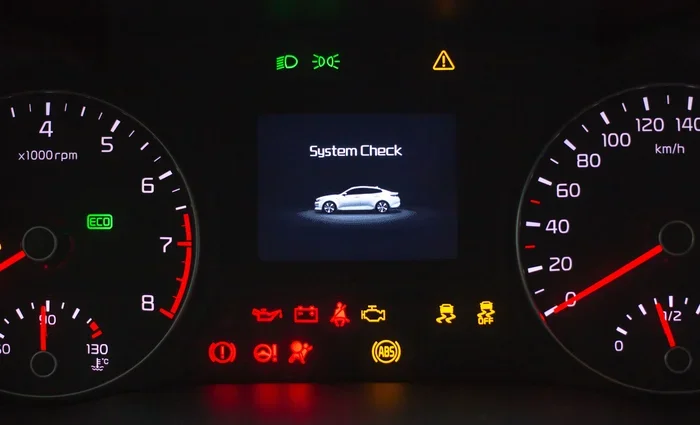
The VSC system, which stands for Vehicle Stability Control, is a safety feature found in most modern vehicles. It works alongside your traction control system and ABS brakes to keep your car stable. When the road is wet, icy, or uneven, this system helps prevent skidding and loss of control. The system uses a network of sensors to monitor your wheels, steering angle, and vehicle rotation. If something goes wrong, the VSC light on your dashboard turns on to warn you. Sometimes it flashes. Sometimes it stays solid. A steady light usually means a persistent problem. A flashing light often signals an active safety issue happening right now. Either way, you should not ignore it. The check engine light often comes on alongside the VSC light, which can make things even more confusing.
The VSC light is closely tied to your car’s stability control module. This module receives data from multiple sensors in real time. If one sensor sends bad data or stops working, the whole system can shut down. That is when the light stays on. The good news is that most causes are fixable. You just need to know what to look for. Let us dive into the most common reasons the VSC warning light refuses to turn off.
Key Takeaways
- The VSC light signals a problem with your Vehicle Stability Control or Traction Control system that affects how your car handles slippery roads.
- Faulty wheel speed sensors are the #1 reason the VSC light stays on and are usually easy and inexpensive to replace.
- Low brake fluid, a bad ABS module, or steering angle sensor issues can all trigger the VSC warning on your dashboard.
- An OBD-II scanner is the best first step to read error codes and pinpoint the exact cause without guessing.
- Driving with the VSC light on is risky because your stability and traction control systems may not work when you need them most.
- Simple resets work sometimes, but persistent lights usually mean a real hardware or electrical problem that needs attention.
- Regular maintenance of your brake system and sensors can prevent the VSC light from coming back.
📑 Table of Contents
- 1. Faulty Wheel Speed Sensors
- 2. Low Brake Fluid Levels
- 3. Steering Angle Sensor Problems
- 4. ABS Module or Control Unit Failure
- 5. Yaw Rate Sensor Malfunction
- 6. Electrical and Wiring Issues
- 7. How to Diagnose and Fix the VSC Light
- Is It Safe to Drive with the VSC Light On?
- Cost to Fix the VSC Light
- When to See a Professional
- Final Thoughts
1. Faulty Wheel Speed Sensors
The most common reason the VSC light stays on is a bad wheel speed sensor. These small devices sit near each wheel and monitor how fast each wheel is spinning. The ABS module and the stability control system rely on this data constantly. If one sensor fails or gets dirty, it sends incorrect readings. The system then throws a warning. The VSC light comes on to let you know something is wrong.
Wheel speed sensors can fail for several reasons. Road debris, dirt, and moisture can damage them over time. Wiring harnesses can fray or corrode, especially in older vehicles. Sometimes the sensor simply wears out from normal use. The good news is that replacing a wheel speed sensor is usually straightforward and affordable. Most mechanics can do it in under an hour. The cost typically ranges from $100 to $300 per sensor, depending on your car make and model.
How to Spot a Bad Wheel Speed Sensor
You do not need to be a mechanic to notice the signs. Here is what to watch for:
- The VSC light or ABS light stays on after starting the car
- Your car pulls to one side when braking on wet roads
- The traction control system seems to disengage randomly
- You notice the check engine light comes on at the same time
- Your ABS warning light flashes during hard braking
If you notice any of these symptoms, get the car scanned for trouble codes right away. A basic OBD-II scanner can read the error codes and point you toward the faulty sensor. Many auto parts stores offer free scanning. This is the fastest way to confirm the problem before spending money on repairs.
2. Low Brake Fluid Levels
Your brake system and the VSC system are deeply connected. The stability control system uses the brakes to correct skidding and sliding. If your brake fluid is low, the system cannot function properly. As a result, the VSC light turns on to alert you.
Low brake fluid usually means one of two things. Either you have a slow leak somewhere in the system, or your brake pads have worn down significantly. Both issues need attention quickly. Driving with low brake fluid is dangerous. It can lead to reduced braking power or complete brake failure in extreme cases.
What to Do About Low Brake Fluid
First, open the hood and locate the brake fluid reservoir. It is usually near the back of the engine bay on the driver’s side. Check the fluid level against the MIN and MAX marks on the reservoir. If the fluid is below the MIN line, top it off with the correct type of brake fluid for your vehicle. You can find this information in your owner’s manual.
However, topping off is only a temporary fix. If the fluid keeps dropping, you have a leak that needs professional attention. A mechanic can inspect the brake lines, calipers, and master cylinder for leaks. Addressing the root cause is essential to keeping your VSC system working correctly.
Quick Tip: Brake fluid absorbs moisture over time. Even if your levels are fine, it is a good idea to flush and replace your brake fluid every two years. This keeps the ABS system and stability control running smoothly.
3. Steering Angle Sensor Problems
The steering angle sensor tells your car’s computer how much you are turning the steering wheel and in which direction. The VSC system uses this information to determine if the car is responding correctly to your steering input. If the sensor is misaligned or malfunctioning, the system cannot calculate the right corrections. The VSC light stays on as a result.
Steering angle sensors can become misaligned after certain events. A recent alignment, a steering rack replacement, or even hitting a deep pothole can throw off the calibration. In some cases, the sensor simply fails due to age or electrical issues. The good news is that recalibrating or replacing a steering angle sensor is a common repair that most shops can handle.
Signs Your Steering Angle Sensor May Be the Issue
- The VSC light came on after a steering or alignment service
- Your car feels loose or unresponsive in turns
- The stability control light flashes when you are turning
- You notice the steering wheel is off-center even when driving straight
- The traction control system disables itself without warning
If you recently had your car aligned or worked on the steering system, mention this to your mechanic. Many VSC light issues after service are simply calibration problems that can be fixed with a reset tool.
4. ABS Module or Control Unit Failure
The ABS module is the brain behind your anti-lock braking system. It also plays a major role in the VSC system. When the ABS module fails or has internal electrical issues, both the ABS and stability control systems are affected. The VSC light will stay on, and you may also see the ABS light illuminated.
ABS module failures are less common than sensor issues, but they are more expensive to repair. The module itself can cost anywhere from $300 to $1,000 or more, depending on the vehicle. Labor costs can add another $100 to $200 for programming and installation. In some cases, a technician can repair the module rather than replacing it entirely, which can save significant money.
One thing to watch for is water damage. The ABS module is often located near the engine or in the wheel well area where moisture can collect. Over time, corrosion can cause electrical connections to fail. If you live in a rainy or snowy climate, keep an eye on the area around your ABS module during routine maintenance.
5. Yaw Rate Sensor Malfunction
The yaw rate sensor measures how fast your car is rotating around its vertical axis. In simple terms, it tells the computer if your car is spinning or sliding. The VSC system uses this data to apply brakes to individual wheels and help you regain control. If the yaw rate sensor fails, the system cannot make these corrections. The VSC light will stay on.
Yaw rate sensors are usually located under the vehicle, often near the center of the car or under the driver’s seat. Because of their location, they can be affected by road salt, mud, and moisture. Corrosion on the connector is a common cause of failure. Replacing a yaw rate sensor typically costs between $150 and $400, including parts and labor.
Why the Yaw Rate Sensor Matters
Without a working yaw rate sensor, your car’s stability control system is essentially blind. It cannot detect when the vehicle is starting to spin or slide. This is especially dangerous in wet or icy conditions. If your VSC light is on and you notice the car feels less stable during turns or on slick roads, the yaw rate sensor should be one of the first things you check.
6. Electrical and Wiring Issues
Not every cause of the VSC light staying on is a broken part. Sometimes the problem is simpler than that. Damaged wiring, loose connectors, or corroded grounds can all trigger the warning light. Modern cars have complex wiring harnesses that run throughout the vehicle. Over time, these wires can chafe, break, or develop poor connections.
Electrical issues can be tricky to diagnose because the symptoms can mimic sensor failures. A loose connector behind the dashboard or a corroded ground wire can cause the VSC system to malfunction intermittently. This is why a proper diagnostic scan is so important. It helps narrow down the cause before replacing expensive parts that may not even be the problem.
Common Electrical Culprits
- Corroded sensor connectors near the wheels or undercarriage
- Loose wiring harness connectors at the ABS module or stability control unit
- Damaged ground wires causing intermittent electrical faults
- Blown fuses related to the ABS system or VSC circuit
- Water intrusion into sensor housings or connector plugs
If you have recently had work done on your car, such as a new battery installation or undercarriage repair, double-check that all connectors are secure. A simple loose plug can trigger the VSC light and keep it on for weeks.
7. How to Diagnose and Fix the VSC Light
Now that you know the most common causes, let us talk about what you can actually do. Diagnosing the VSC light follows a logical process. You start with the simplest and most common causes and work your way toward more complex issues.
Step 1: Check for Obvious Issues
Start with the basics. Check your brake fluid level. Look at your tires to make sure they are all the same size and properly inflated. Uneven tire sizes can confuse the VSC system and trigger the light. Also, check for any visible damage to wiring or sensors near the wheels.
Step 2: Use an OBD-II Scanner
This is the most important step. Plug an OBD-II scanner into the diagnostic port under your dashboard. The scanner will read the trouble codes stored in your car’s computer. These codes tell you exactly which sensor or system is causing the problem. Common codes related to the VSC light include:
- C0035-C0050 — Wheel speed sensor circuit issues
- C0040-C0045 — Yaw rate sensor problems
- C0050-C0060 — Steering angle sensor faults
- C0035-C1234 — ABS module communication errors
You do not need to memorize these codes. Just write them down or take a photo and bring them to your mechanic. This saves time and prevents unnecessary part replacements.
Step 3: Reset and Test
After fixing the underlying issue, you will need to clear the error codes. You can do this with the OBD-II scanner or by disconnecting the car battery for about 15 minutes. Once the codes are cleared, take the car for a test drive. If the VSC light does not come back on, you have successfully fixed the problem. If it returns, there may be an additional issue that needs attention.
Quick Tips for Preventing VSC Light Issues
- Keep your tires properly inflated and evenly sized
- Replace brake fluid every two years
- Clean sensor connectors during routine maintenance
- Address the check engine light promptly when it appears
- Avoid driving through deep water that could damage sensors
- Have your ABS system inspected annually
Is It Safe to Drive with the VSC Light On?
This is one of the most common questions drivers ask. The short answer is: it depends. If the VSC light comes on and stays on, your stability control system is disabled. This means your car will not help you recover from skids or slides. In normal driving conditions on dry roads, this may not be a huge risk. But in rain, snow, or ice, it can be very dangerous.
If the VSC light flashes, it usually means the system is actively intervening to keep you stable. In this case, the light is doing its job and you should slow down and drive carefully. If the light stays solid, the system is off, and you should get the car checked as soon as possible. Avoid driving in hazardous conditions until the issue is resolved.
Some drivers ask if they can simply disconnect the VSC light bulb or ignore the warning. This is a bad idea. The light is there for a reason. It is protecting you. Disabling or ignoring it removes a critical safety feature from your vehicle. Always address the root cause rather than trying to silence the warning.
Cost to Fix the VSC Light
The cost to fix the VSC light varies widely depending on the cause. Here is a quick breakdown of common repair costs:
- Wheel speed sensor replacement: $100 to $300 per sensor
- Brake fluid top-off or leak repair: $20 to $200
- Steering angle sensor recalibration: $50 to $150
- Yaw rate sensor replacement: $150 to $400
- ABS module repair or replacement: $300 to $1,000+
- Wiring repair: $50 to $300 depending on complexity
As you can see, the cost can range from a simple $20 fluid top-off to over $1,000 for a module replacement. This is exactly why getting a proper diagnosis first is so important. You do not want to spend money replacing parts that are not the real problem.
When to See a Professional
Some VSC light issues can be handled at home if you have basic tools and mechanical knowledge. Replacing a wheel speed sensor or topping off brake fluid are straightforward DIY jobs. But if the VSC light persists after you have replaced sensors or topped off fluids, it is time to see a professional. Complex electrical issues, ABS module failures, and wiring problems require specialized tools and expertise. A qualified mechanic has access to advanced diagnostic equipment that can pinpoint the exact cause quickly and accurately.
Also, if you are uncomfortable working on your car’s brake system, do not hesitate to seek professional help. The brakes are one of the most critical safety systems in your vehicle. Mistakes in this area can have serious consequences. When in doubt, get a second opinion from a trusted mechanic.
Final Thoughts
The VSC light is not something you should ignore or take lightly. It is a safety system designed to protect you and your passengers. When the VSC light stays on, it means something in the stability control or traction control system is not working correctly. Whether the cause is a simple wheel speed sensor failure or a more complex ABS module issue, the key is to diagnose and fix it promptly. Use an OBD-II scanner to read the error codes, check the obvious things first like brake fluid and tire condition, and do not be afraid to seek professional help when needed. Taking care of the VSC light quickly keeps your car running safely and helps you avoid more expensive repairs down the road.
Remember, your car’s stability control system works hard every time you drive, especially in challenging conditions. Give it the attention it deserves. The next time you see that VSC warning light on your dashboard, you will know exactly what to do.
Frequently Asked Questions
What does VSC stand for in a car?
VSC stands for Vehicle Stability Control. It is a safety system that helps prevent your car from skidding or sliding, especially on wet or icy roads. The system works with your ABS brakes and traction control to keep the vehicle stable during sudden maneuvers or slippery conditions.
Can I drive my car with the VSC light on?
You can drive short distances with the VSC light on, but it is not recommended, especially in bad weather. The stability control system will be disabled, which means your car has less help preventing skids and slides. Drive carefully and get the issue diagnosed as soon as possible.
How much does it cost to fix the VSC light?
The cost depends on the cause. A simple wheel speed sensor replacement might cost $100 to $300. More complex issues like an ABS module failure can cost $300 to $1,000 or more. Getting a proper diagnosis first helps you avoid unnecessary expenses.
Will the VSC light reset itself?
Sometimes the VSC light will turn off on its own if the issue was temporary, like a momentary sensor glitch. However, if the underlying problem is not fixed, the light will come back. Using an OBD-II scanner to clear the codes after the repair is the best way to confirm the fix.
What is the difference between the VSC light and the check engine light?
The VSC light specifically relates to the Vehicle Stability Control system. The check engine light is a broader warning that can indicate many different issues. They often appear together because the VSC system shares components with the engine management system. A single problem like a bad oxygen sensor can trigger both lights.
How do I know which sensor is causing the VSC light?
The best way to identify the faulty sensor is to use an OBD-II scanner. The scanner reads specific trouble codes that point to the exact problem area. Common codes start with “C” and indicate chassis-related issues such as wheel speed sensors, yaw rate sensors, or steering angle sensors.
=== CONCLUSION ===
The VSC light staying on is a warning you should take seriously. Whether it is caused by a faulty wheel speed sensor, low brake fluid, a bad steering angle sensor, or a more serious issue like an ABS module failure, the fix starts with proper diagnosis. Use an OBD-II scanner, check the basics, and address the root cause promptly. Your stability control system is one of the most important safety features in your vehicle. Keeping it in good working order protects you every time you get behind the wheel. Do not wait for the problem to get worse. Take action today and drive with confidence knowing your car is working as it should.