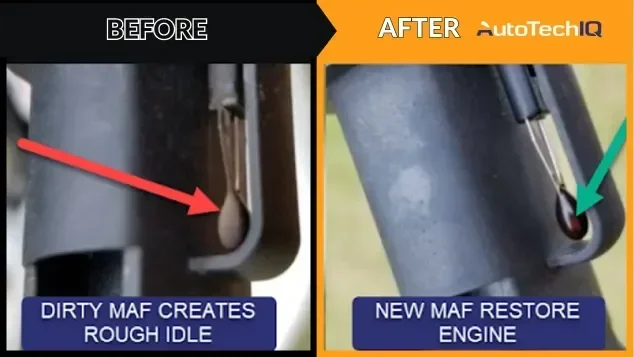
What Are the Symptoms of a Dirty Mass Air Flow Sensor
A dirty mass air flow sensor can cause rough idle, poor acceleration, reduced fuel economy, and even a check engine light. This sensor measures the air entering your engine, and when it gets contaminated, your car cannot breathe properly. Understanding these symptoms early can save you from costly repairs and keep your vehicle running at its best.
Have you ever been driving down the road and noticed your car acting strange? Maybe it hesitated when you hit the gas. Perhaps it idled rough or stalling at stoplights. Before you panic and think the engine is failing, there is one common culprit you should check first. A dirty mass air flow sensor is one of the most overlooked causes of engine problems in everyday cars.
The mass air flow sensor, often called the MAF sensor, sits in your car’s air intake system. Its job is simple but critical. It measures how much air flows into the engine so the computer can deliver the right amount of fuel. When this sensor gets dirty, the readings become inaccurate. That means your engine gets too much or too little fuel. The result is a long list of driving problems that can frustrate even experienced car owners.
In this article, we will walk you through every symptom of a dirty mass air flow sensor. We will explain what causes this problem, how to fix it, and most importantly, how to prevent it from happening again. Whether you are a beginner or a seasoned driver, this guide will give you the knowledge you need to tackle the issue head-on.
Key Takeaways
- Rough idle and stalling are common early signs that your MAF sensor is dirty and not reading air flow correctly.
- Poor acceleration and hesitation happen because the engine receives the wrong fuel-to-air mixture.
- A dirty air filter is the #1 cause of a contaminated mass air flow sensor over time.
- Cleaning the sensor is simple and affordable, but replacement may be needed if the sensor is damaged.
- Ignoring symptoms can lead to bigger problems like catalytic converter damage or engine misfires.
- Regular maintenance prevents MAF sensor issues, including air filter changes and clean air intake systems.
📑 Table of Contents
- What Does a Mass Air Flow Sensor Do?
- Top Symptoms of a Dirty Mass Air Flow Sensor
- Why Does a Mass Air Flow Sensor Get Dirty?
- How to Clean a Dirty Mass Air Flow Sensor
- When Should You Replace Instead of Clean?
- Preventing Mass Air Flow Sensor Problems
- Common Mistakes to Avoid
- The Connection Between the MAF Sensor and Other Engine Components
- Expert Insights on MAF Sensor Maintenance
- Key Takeaways
- Conclusion
What Does a Mass Air Flow Sensor Do?
Before we dive into symptoms, it helps to understand the role of the MAF sensor. Think of it as the lungs of your car’s engine. Just like your lungs measure how much air you breathe, the mass air flow sensor measures how much air enters the engine. This information travels to the engine control unit, also known as the ECU.
The ECU uses this data to calculate the correct fuel mixture. If the sensor reads low air flow, the ECU adds less fuel. If it reads high air flow, the ECU adds more fuel. This balance is essential for smooth engine operation. When the sensor is dirty, the readings become unreliable. The ECU then makes wrong decisions about fuel delivery, and your engine suffers.
The MAF sensor is located between the air filter box and the throttle body. Air passes over a small heated wire or film inside the sensor. As air moves across this wire, it cools it down. The sensor measures this cooling effect to determine air volume. Over time, dirt, oil, and debris coat this delicate wire. The buildup blocks accurate measurements and triggers a cascade of driving issues.
Top Symptoms of a Dirty Mass Air Flow Sensor
The symptoms of a dirty mass air flow sensor can vary from mild to severe. Some drivers notice problems gradually. Others experience sudden changes in how the car runs. Here are the most common signs to watch for.
1. Rough Idle
A rough idle is often the first sign of a contaminated MAF sensor. When you start the car, the engine should run smoothly and steadily. If it shakes, vibrates, or sounds uneven, the air-fuel mixture may be off. A dirty sensor sends incorrect data to the ECU. This causes the engine to run too rich or too lean at idle. The result is a rough, uncomfortable ride even when the car is parked.
2. Stalling or Surging
Stalling happens when the engine suddenly shuts off while driving or idling. Surging is when the car picks up speed on its own without you pressing the gas pedal. Both problems point to an inconsistent air-fuel ratio. A dirty mass air flow sensor cannot provide steady readings. The ECU constantly adjusts the fuel mixture, leading to unpredictable engine behavior. This is one of the most alarming symptoms for any driver.
3. Poor Acceleration
When you press the gas pedal, you expect the car to respond immediately. A dirty MAF sensor delays this response. The engine hesitates or struggles to pick up speed. You may feel a lag between pressing the pedal and feeling the acceleration. This happens because the sensor underestimates the air entering the engine. The ECU then delivers too little fuel, causing a lean condition. Your car feels sluggish and unresponsive.
4. Reduced Fuel Economy
Have you noticed you are visiting the gas station more often? A dirty mass air flow sensor can wreck your fuel economy. When the sensor sends wrong readings, the ECU may add too much fuel to the mix. This rich condition wastes gasoline and increases emissions. Some drivers report a 10 to 20 percent drop in miles per gallon. If your fuel costs have spiked without explanation, the MAF sensor could be the reason.
5. Check Engine Light
The check engine light is a broad warning that something is wrong with your vehicle. A dirty MAF sensor often triggers this light. The ECU detects abnormal readings and stores a diagnostic trouble code. Common codes related to a contaminated sensor include P0100, P0101, P0102, and P0103. If your check engine light comes on alongside any other symptom on this list, the mass air flow sensor should be your first suspect.
6. Engine Misfires
An engine misfire feels like a brief jerk or stumble during driving. It happens when one or more cylinders fail to fire correctly. A dirty MAF sensor contributes to misfires by creating an imbalanced fuel-air mixture. Some cylinders may receive too much fuel while others get too little. Over time, persistent misfires can damage the catalytic converter and other expensive components. Do not ignore this symptom.
7. Black Smoke from the Exhaust
Dark or black exhaust smoke is a clear sign of a rich fuel mixture. When the MAF sensor is contaminated, it may tell the ECU that less air is entering the engine than actually is. The ECU compensates by adding extra fuel. This excess fuel burns incompletely and exits through the exhaust as black smoke. If you see this smoke, have your sensor checked immediately.
8. Difficulty Starting the Engine
A dirty mass air flow sensor can make starting your car a challenge. The engine needs the right air-fuel ratio during startup. If the sensor provides incorrect data, the ECU struggles to deliver the proper mixture. You may turn the key multiple times before the engine catches. In severe cases, the car may not start at all. This symptom often worsens in cold weather when the engine needs precise fuel delivery.
Why Does a Mass Air Flow Sensor Get Dirty?
Understanding the causes helps you prevent future problems. Several factors contribute to sensor contamination, and most are avoidable with regular maintenance.
Dirty Air Filters
The air filter is the first line of defense for your air intake system. When the filter becomes clogged, it allows more dirt and debris to pass through. These particles eventually reach the MAF sensor and coat the delicate sensing element. Replacing your air filter at recommended intervals is one of the simplest ways to protect the sensor.
Oil Contamination
Oil vapors from the crankcase can enter the air intake system. This is especially common in vehicles with crankcase ventilation systems. Over time, oil deposits build up on the MAF sensor wire. The oil creates a sticky residue that blocks accurate air flow readings. Using high-quality oil and changing it regularly reduces this risk.
Aftermarket Air Intake Systems
Some car owners install aftermarket cold air intake systems for better performance. While these kits can improve airflow, they also expose the MAF sensor to more contaminants. Without proper maintenance, the sensor gets dirty faster. If you use an aftermarket intake, inspect the sensor more frequently than the manufacturer recommends.
Driving in Dusty or Polluted Conditions
Driving on unpaved roads or in areas with heavy pollution increases the risk of sensor contamination. Dust, soot, and airborne particles enter the air intake and coat the sensor. If you regularly drive in these conditions, consider changing your air filter more often. You might also want to clean the MAF sensor every 12 months as a preventive measure.
Oil-Fouled Air Filters
Some air filters, especially oiled performance filters, can shed oil particles over time. These oil droplets travel through the intake and reach the MAF sensor. The oil film interferes with the sensor’s ability to measure air flow accurately. If you use an oiled filter, make sure it is properly installed and not over-oiled.
How to Clean a Dirty Mass Air Flow Sensor
The good news is that cleaning a dirty MAF sensor is straightforward and inexpensive. You do not need advanced mechanical skills or expensive tools. With the right cleaner and a little patience, you can restore the sensor to proper working condition.
What You Will Need
Before you start, gather these items. You need a mass air flow sensor cleaner spray. Do not use regular cleaners or solvents. The MAF sensor wire is delicate and can be damaged by harsh chemicals. A clean, lint-free cloth is also essential. You may want gloves to keep oil from your hands off the sensor.
Step-by-Step Cleaning Process
First, locate the mass air flow sensor in your engine bay. It sits in the air intake duct between the air filter and the throttle body. Disconnect the electrical connector carefully. Remove the sensor from the intake housing. Spray the MAF sensor cleaner evenly across the sensing wire or film. Do not scrub or touch the wire. Let it air dry completely before reinstalling. Reattach the sensor and connector. Start the engine and let it idle for a few minutes to recalibrate.
How Often Should You Clean It?
Most manufacturers recommend cleaning the MAF sensor every 12 months or 12,000 miles. However, if you drive in dusty conditions or use an oiled air filter, you may need to clean it more often. Regular cleaning prevents buildup and keeps the sensor reading accurately. It is a quick maintenance task that pays off in better engine performance.
When Should You Replace Instead of Clean?
Cleaning the sensor fixes most problems caused by contamination. But sometimes, the damage goes too deep. Knowing when to replace the sensor saves you time and frustration.
Signs That Cleaning Is Not Enough
If you have cleaned the sensor and symptoms persist, replacement may be necessary. Physical damage to the sensing wire or film means the sensor cannot be restored. Cracks in the sensor housing also require a full replacement. Additionally, if the sensor has been contaminated for a very long time, the residue may have hardened beyond what cleaning can remove.
Cost of Replacement
Replacing a mass air flow sensor costs between 100 and 300 dollars for most vehicles. The part itself ranges from 50 to 200 dollars. Labor costs are typically low since the sensor is easy to access. Some luxury or performance vehicles may cost more. Compare the replacement cost to the damage a faulty sensor can cause to other engine parts. Investing in a new sensor is far cheaper than repairing a damaged catalytic converter or engine.
Choosing the Right Replacement Sensor
Always choose a sensor that matches your vehicle’s make, model, and year. OEM sensors from the manufacturer offer the best compatibility. Aftermarket sensors from reputable brands are also reliable. Avoid the cheapest options, as they may not last long. Check reviews and ratings before purchasing. A quality sensor ensures accurate readings and long-term engine health.
Preventing Mass Air Flow Sensor Problems
Prevention is always better than cure. A few simple habits can keep your MAF sensor clean and your engine running smoothly for years.
Change your air filter regularly. This is the single most effective way to prevent sensor contamination. A clean air filter stops dirt and debris from reaching the MAF sensor. Follow your vehicle’s maintenance schedule for filter replacement. Most cars need a new filter every 12,000 to 15,000 miles.
Use quality fuel and oil. Cheap fuel contains more impurities that can contaminate the air intake system. Similarly, low-quality oil produces more oil vapor that reaches the sensor. Investing in premium fuel and high-grade oil protects not only the MAF sensor but the entire engine.
Inspect the air intake system periodically. Look for cracks, loose connections, or damaged hoses in the intake tract. Unfiltered air entering through leaks bypasses the air filter and reaches the MAF sensor directly. Sealing these leaks keeps contaminants out and ensures accurate sensor readings.
Consider adding an air pre-filter. A pre-filter captures large particles before they reach the main air filter. This is especially useful for drivers who frequently travel on dirt roads or in polluted areas. A pre-filter extends the life of both the air filter and the MAF sensor.
Pay attention to early warning signs. If you notice any changes in how your car runs, do not ignore them. Rough idle, hesitation, or reduced fuel economy are early signals. Addressing these issues promptly prevents more serious damage down the road. A quick inspection of the mass air flow sensor can save hundreds of dollars in repairs.
Common Mistakes to Avoid
Car owners often make mistakes when dealing with a dirty MAF sensor. Avoiding these errors helps you fix the problem correctly the first time.
One common mistake is using the wrong cleaner. Never use carburetor cleaner, brake cleaner, or WD-40 on the MAF sensor. These chemicals damage the delicate sensing element. Always use a dedicated MAF sensor cleaner spray designed for this purpose. It is safe, effective, and affordable.
Another mistake is ignoring the check engine light. Some drivers clear the code and hope the problem goes away. While the light may turn off temporarily, the underlying issue remains. A dirty mass air flow sensor will continue causing problems until it is properly addressed. Use an OBD2 scanner to read the codes and confirm the diagnosis before taking action.
Some people try to clean the sensor with a cloth or brush. This seems logical but is very risky. The sensing wire is extremely fragile and can break easily. Even a tiny bend or break renders the sensor useless. Always rely on the spray cleaner method and let the sensor air dry naturally.
Finally, do not assume every driving problem is caused by the MAF sensor. Several other issues produce similar symptoms. A faulty oxygen sensor, clogged fuel injector, or vacuum leak can all mimic MAF sensor problems. Use a process of elimination and consult a trusted mechanic if you are unsure.
The Connection Between the MAF Sensor and Other Engine Components
The mass air flow sensor does not work in isolation. It is part of a larger system that includes the oxygen sensor, throttle body, fuel injectors, and engine control unit. When the MAF sensor fails, it affects every component in this chain.
The oxygen sensor, for example, monitors exhaust gases to fine-tune the air-fuel mixture. If the MAF sensor provides wrong data, the oxygen sensor struggles to compensate. The result is a compounded problem that affects both fuel efficiency and emissions. Understanding this relationship helps you see why maintaining the MAF sensor is so important.
The throttle body controls how much air enters the engine based on accelerator input. A dirty MAF sensor confuses the throttle body’s calculations. The engine receives mixed signals about air demand. This confusion leads to hesitation, surging, and poor throttle response. Keeping the MAF sensor clean ensures smooth coordination between all engine components.
Fuel injectors deliver precise amounts of fuel into the combustion chamber. They rely on accurate data from the MAF sensor to determine the correct fuel volume. When the sensor is dirty, injectors may deliver too much or too little fuel. This imbalance affects combustion efficiency, engine power, and overall performance. Clean fuel injectors and a clean MAF sensor work together for optimal engine operation.
Expert Insights on MAF Sensor Maintenance
Experienced mechanics agree that the mass air flow sensor is one of the easiest components to maintain. Regular inspection and cleaning prevent most common problems. Many seasoned technicians recommend checking the sensor during every oil change or air filter replacement.
One master technician shared that over 30 percent of the rough idle complaints he sees are caused by dirty MAF sensors. He emphasized that many drivers waste money on unnecessary repairs because they skip this simple check. Another expert noted that cleaning the sensor often resolves multiple symptoms at once, including poor fuel economy, hesitation, and check engine light warnings.
These professionals also stress the importance of using OEM or high-quality aftermarket parts. Cheap sensors may save money upfront but often fail within months. Investing in a reliable sensor ensures accurate readings and long-term peace of mind. The cost difference is minimal compared to the damage a faulty sensor can cause to other engine components.
Key Takeaways
- Rough idle, stalling, and hesitation are the most common symptoms of a dirty mass air flow sensor and should never be ignored.
- A contaminated sensor sends incorrect air flow data to the ECU, causing the engine to run too rich or too lean.
- Dirty air filters and oil contamination are the leading causes of MAF sensor buildup and failure.
- Cleaning the sensor with a proper MAF cleaner is simple and effective for most contamination issues.
- Replacement is necessary when the sensing element is physically damaged or cleaning does not resolve the symptoms.
- Regular air filter changes and clean air intake systems prevent MAF sensor problems before they start.
- Ignoring symptoms can lead to expensive secondary damage including catalytic converter failure and engine misfires.
Conclusion
A dirty mass air flow sensor is a deceptively simple problem with far-reaching consequences. From rough idle and poor acceleration to reduced fuel economy and check engine warnings, the symptoms affect every aspect of your driving experience. The good news is that this is one of the easiest and most affordable car problems to fix.
By learning to recognize the early signs, you can address the issue before it escalates. Regular maintenance, including air filter changes and sensor cleaning, keeps your mass air flow sensor working properly for years. A little attention and care go a long way toward protecting your engine and your wallet.
Do not wait until the problem becomes severe. If your car is showing any of the symptoms we discussed, inspect the MAF sensor today. A few minutes of attention now can save you hours of frustration and hundreds of dollars in repairs later. Take charge of your vehicle’s health and enjoy a smoother, more efficient driving experience.
Frequently Asked Questions
Can I drive my car with a dirty mass air flow sensor?
You can drive short distances, but it is not recommended. A dirty sensor causes poor engine performance, reduced fuel economy, and potential damage to other components. The longer you drive with a contaminated sensor, the more stress you put on the engine and exhaust system. Have the sensor cleaned or replaced as soon as possible.
How much does it cost to clean a mass air flow sensor?
Cleaning the sensor yourself costs around 10 to 20 dollars for a can of MAF sensor cleaner. If you take it to a mechanic, labor costs typically range from 50 to 100 dollars. This is a very affordable repair compared to the cost of replacing the sensor or fixing damage caused by a prolonged dirty sensor.
How long does a mass air flow sensor last?
Most mass air flow sensors last between 100,000 and 150,000 miles with proper maintenance. However, driving conditions affect lifespan. If you frequently drive on dusty roads or in polluted areas, the sensor may degrade faster. Regular cleaning and air filter changes help extend the sensor’s life significantly.
Will a dirty MAF sensor throw a check engine light?
Yes, a dirty mass air flow sensor commonly triggers the check engine light. The ECU detects abnormal readings and stores a diagnostic trouble code. Common codes include P0100 through P0103. If your check engine light is on alongside other symptoms like rough idle or poor acceleration, the MAF sensor is a likely cause.
Can a dirty mass air flow sensor cause transmission problems?
Indirectly, yes. When the MAF sensor provides wrong data, the ECU makes incorrect fuel mixture decisions. This affects engine power delivery, which the transmission relies on for smooth shifting. Some vehicles experience harsh or delayed gear changes when the MAF sensor is dirty. Fixing the sensor often resolves these transmission issues.
Is it better to clean or replace a dirty MAF sensor?
Cleaning should always be the first step. Most contamination issues resolve with a proper MAF sensor cleaner. However, if the sensing wire or film is physically damaged, replacement is the only option. If cleaning does not fix the symptoms after a few weeks, invest in a new sensor. A quality replacement sensor typically costs between 50 and 200 dollars and restores proper engine function.