Remote Control Car Sports That Will Blow Your Mind
Remote control car sports are a thrilling world of high-speed competition, precision driving, and serious hobby culture. From RC car racing to RC drift competitions, these events bring together passionate enthusiasts who treat their radio-controlled vehicles like professional race machines. Whether you are a beginner or a seasoned racer, remote control car sports offer endless excitement, community, and opportunities to learn. This guide covers everything you need to know to dive in and compete.
Remote control car sports have exploded in popularity over the last decade. What once started as a simple toy hobby has transformed into a full-blown competitive scene. Today, thousands of people around the world race, drift, and battle with radio-controlled vehicles on professional tracks and backyard circuits.
If you have ever watched an RC car zip past you at incredible speed, you already know the thrill. But there is so much more to remote control car sports than just watching. You can join in, learn new skills, and become part of a welcoming community. This article will walk you through everything from the basics to advanced competition tips.
The beauty of RC car racing is that anyone can participate. You do not need a mechanical engineering degree or a massive budget. With the right guidance, a beginner can go from zero to racing confidently in just a few weeks. Let us explore what makes these sports so exciting and how you can get involved.
Key Takeaways
- RC car sports are diverse: There are racing, drifting, and off-road disciplines to suit every interest and skill level.
- Getting started is affordable: You do not need a huge budget to enter the world of remote control car sports.
- Maintenance matters: Keeping your RC car in top shape is just as important as driving skill.
- Competitive scenes are thriving: Local and international RC racing leagues welcome new participants every year.
- Upgrades unlock performance: Small changes like brushless motors and better RC car suspension can dramatically improve speed and handling.
- Community is key: Joining RC car clubs accelerates your learning and makes the hobby more fun.
📑 Table of Contents
- What Are Remote Control Car Sports?
- Types of Remote Control Car Sports You Need to Know
- Getting Started with Remote Control Car Sports
- RC Car Maintenance for Peak Performance
- Competitive Remote Control Car Racing: Leagues and Events
- Upgrading Your RC Car for Better Performance
- Common Mistakes to Avoid in Remote Control Car Sports
- Expert Tips for Advancing in Remote Control Car Sports
- Conclusion
What Are Remote Control Car Sports?
Remote control car sports refer to competitive activities involving radio-controlled vehicles. These are not your kid’s toy cars from the store. Hobby-grade RC cars are built with precision engineering, powerful motors, and durable parts designed for serious use.
In remote control car sports, drivers compete in various formats. Some events focus on raw speed. Others test handling, agility, and precision. The common thread is that every driver controls their vehicle from a distance using a handheld transmitter.
The global RC car community is massive. There are online forums, local clubs, sponsored teams, and world championships. People of all ages join this hobby, from kids just starting out to adults who have been racing for decades. The community spirit is strong, and experienced racers love helping newcomers learn the ropes.
Why Remote Control Car Sports Are So Popular
Several factors drive the popularity of remote control car sports. First, they offer a hands-on experience that few other hobbies can match. You build, tune, and drive your own machine. Second, the learning curve is rewarding. Every race teaches you something new about vehicle dynamics and driving technique.
Third, RC car sports are accessible. You do not need a large open field or expensive track membership to start. Many people begin in their driveways or local parks. As they grow more skilled, they move on to organized events and dedicated RC racing tracks.
Finally, the technology behind modern radio-controlled vehicles is genuinely impressive. Brushless motors, lithium polymer batteries, and advanced suspension systems make today’s RC cars faster and more capable than ever before.
Types of Remote Control Car Sports You Need to Know
Remote control car sports come in many different forms. Each type offers a unique challenge and appeals to different kinds of drivers. Let us look at the most popular categories.
RC Car Racing
RC car racing is the most well-known discipline in remote control car sports. Racers compete on paved or dirt tracks, trying to complete laps faster than their opponents. Races can be short sprints or long endurance events that test both speed and stamina.
There are several classes within RC car racing. Touring cars are sleek, low-profile machines built for paved tracks. They handle like real race cars and reach impressive speeds. On the other hand, RC buggy classes use lightweight vehicles designed for dirt and gravel surfaces.
Stock racing uses factory-spec cars, so everyone starts on equal footing. Modified racing allows upgrades, which adds a technical edge. Both formats are exciting and draw large crowds at RC racing events around the world.
RC Drifting
RC car drifting has become one of the most visually stunning disciplines in remote control car sports. Drifters intentionally slide their cars through corners, creating dramatic smoke and tire marks. Judges score based on style, angle, speed, and line choice.
Drift RC cars are specially built with modified suspension and slick tires. The drivers use a technique called “counter-steering” to keep the car sideways through turns. It takes serious practice to master, but the results are incredibly satisfying to watch and perform.
Many RC drifting competitions now feature freestyle rounds where drivers create choreographed runs. These events blend driving skill with creativity, making them a favorite among spectators and participants alike.
RC Off-Road Racing
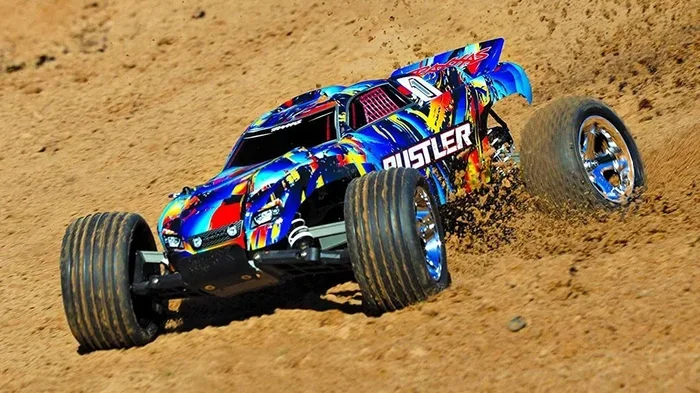
RC off-road racing takes remote control car sports into the wild. Trucks and buggies tackle rough terrain, jumping over obstacles and powering through mud, sand, and gravel. This discipline demands durable equipment and bold driving.
RC truck racing is especially popular in this category. Large-scale trucks with big tires and strong suspension systems dominate the scene. Events often include stadium-style courses with jumps and banked turns that test both driver skill and machine reliability.
RC Car Drag Racing
Drag racing in the RC world is all about raw acceleration. Two cars line up side by side and race a short distance as fast as possible. The first to cross the finish line wins. It is simple, exciting, and incredibly fast.
Drag RC cars are stripped down for maximum power. They often use high-performance brushless motors and large batteries to achieve blistering acceleration. This discipline is perfect for anyone who loves the thrill of pure speed.
Getting Started with Remote Control Car Sports
Jumping into remote control car sports is easier than you might think. The key is to start smart and build your skills gradually. Here is a practical roadmap for beginners.
Choosing Your First RC Car
Your first RC car should be durable, easy to maintain, and fun to drive. Avoid the cheapest toy-grade models. They break quickly and do not perform well. Instead, look for a hobby-grade RC car in the $150 to $300 range. These offer real performance and are built to last.
Consider what type of racing interests you most. If you want speed on pavement, a touring car is a great choice. If you prefer dirt and jumps, go with a buggy or truck. Many brands offer beginner-friendly packages that include everything you need to get started.
Essential Gear and Accessories
Beyond the car itself, you will need a few essentials. A quality RC car battery charger is critical. Lithium polymer batteries require careful charging and storage to stay safe and perform well. You should also invest in spare tires, body clips, and basic tools for adjustments.
A good transmitter with a comfortable grip makes a big difference. Look for one with at least four channels and a responsive stick. Some racers also use RC car telemetry systems that display real-time data like speed, battery voltage, and temperature.
Finding a Local Track or Club
The fastest way to improve is to join a local RC car club. These clubs often have their own tracks and host regular practice sessions and races. Experienced members are usually happy to share advice and let beginners try their cars.
Search online for RC racing clubs near you. Many tracks offer rental cars so you can test different models before buying. Attending a few events will help you understand the culture and find your niche within remote control car sports.
Learning to Drive
Driving an RC car well takes practice. Start with slow laps and focus on smooth steering inputs. Learn how to brake before corners and accelerate out of them. These basic techniques apply to every discipline in remote control car sports.
Set up cones in your driveway to create a simple practice course. Work on tight turns, figure-eights, and controlled stops. As your confidence grows, gradually increase your speed. Within a few weeks of regular practice, you will notice significant improvement.
RC Car Maintenance for Peak Performance
Just like real race cars, RC cars need regular maintenance to perform at their best. Neglecting basic care leads to poor handling, broken parts, and frustrating losses. A solid maintenance routine keeps your vehicle race-ready.
Cleaning After Every Run
Dirt, dust, and debris are the enemies of RC car performance. After every session, take a few minutes to clean your vehicle. Use a soft brush to remove grit from the chassis, wheels, and suspension components. For stubborn dirt, a damp cloth works well.
Pay special attention to the drivetrain. Dirt in the gears and differentials causes premature wear. Wipe down the motor and check for any debris stuck in the cooling fins. Clean RC car maintenance extends the life of every component.
Checking and Tightening Screws
Vibration from racing loosens screws over time. Make it a habit to check every bolt before each run. Use a small hex driver set to inspect the chassis, suspension mounts, and wheel hubs. A single loose screw can cause a crash that damages expensive parts.
Thread-locking compound is a cheap insurance policy. Apply a small drop to critical screws to prevent them from vibrating loose. This simple step saves time and money in the long run.
Battery Care and Storage
RC car battery care is arguably the most important maintenance task. Lithium polymer batteries store a lot of energy and can be dangerous if mishandled. Always charge batteries in a fire-safe area and never leave them unattended while charging.
Store batteries at storage voltage when not in use. Do not leave them fully charged or completely drained for extended periods. A good RC battery charger with automatic storage mode makes this process easy and safe.
Suspension Tuning
The RC car suspension system affects handling more than almost any other component. Springs, shocks, and anti-roll bars work together to keep your car planted on the track. Learning to tune suspension is one of the most valuable skills in remote control car sports.
Start by checking that all shock absorbers are working smoothly. Replace any that leak oil. Adjust spring stiffness based on the track surface. Softer springs work well on rough terrain, while stiffer springs provide better response on smooth pavement.
Competitive Remote Control Car Racing: Leagues and Events
Once you have basic skills and a reliable car, it is time to enter the competitive scene. Remote control car sports offer structured racing at every level, from local club meets to world championships.
Local and Regional Events
Most RC racing events start at the local level. Clubs host weekly or monthly races that welcome newcomers. Entry fees are usually low, and many tracks provide race day rental options. These events are the perfect place to gain experience and meet fellow enthusiasts.
Regional events draw competitors from a wider area. They often feature multiple classes and longer race formats. Participating in regional races helps you understand different driving styles and exposes you to more advanced RC car tuning techniques.
National and International Championships
Top-level RC racing leagues host national and international championships. Events like the IFMAR World Championship attract the best drivers from every continent. These competitions feature rigorous qualifying rounds and intense head-to-head racing.
You do not need to be a professional to attend these events. Many fans travel from around the world to watch the action. Spectating at a world championship is an incredible way to learn about the highest level of remote control car sports.
How to Prepare for Your First Race
Preparation makes the difference between a stressful race day and a successful one. Start by reading the event rules carefully. Every race series has specific requirements for car specifications, battery types, and safety equipment.
Practice on a track similar to the race venue. Work on your starting technique and race pace. Bring spare parts including extra tires, a spare transmitter battery, and basic tools. Arrive early so you can set up and get comfortable with the track conditions.
On race day, stay calm and focused. Your first race is about learning, not winning. Pay attention to how other drivers approach the track. Every race is a lesson that makes you a better RC car driver.
Upgrading Your RC Car for Better Performance
As you grow more experienced, you will want to improve your RC car with upgrades. The right modifications can transform handling, speed, and durability. Here are the most impactful upgrades to consider.
Brushless Motor Upgrade
Switching from a brushed motor to a brushless motor is the single most impactful upgrade you can make. Brushless motors are more efficient, produce more power, and last significantly longer. The difference in speed and responsiveness is immediately noticeable.
Brushless motors come in different sizes and power ratings. Choose one that matches your RC car class and racing style. Higher kv ratings mean more speed, while lower kv ratings provide more torque for off-road applications.
Suspension and Shock Upgrades
Upgraded RC car suspension components dramatically improve handling. Oil-filled shocks with adjustable damping allow you to fine-tune how your car absorbs bumps and impacts. Quality suspension parts keep your tires in contact with the track surface for better traction.
Consider upgrading to aluminum shock towers and upgraded springs. These parts are more durable and provide more consistent performance under racing conditions. Small suspension tweaks can turn a mediocre car into a competitive machine.
Tire and Wheel Choices
Tires are the only part of your RC car that touches the ground. Choosing the right compound and tread pattern for the track surface is essential. Soft compound tires grip well on pavement but wear quickly. Hard compounds last longer but sacrifice some traction.
For RC drifting, slick tires with a foam insert provide the best slide characteristics. For off-road racing, treaded tires with generous tread depth dig into loose surfaces and provide superior grip. Always carry spare tires to a race, as track conditions can change throughout the day.
Electronics and Transmitter Upgrades
Your transmitter and receiver are the brain of your RC car. Upgrading to a high-quality radio system with lower latency improves response time and precision. Look for systems with at least 2.4 GHz frequency for reliable signal range.
Advanced RC car electronics like programmable speed controllers allow you to fine-tune acceleration and braking curves. These small adjustments can make a big difference in how your car handles different track sections.
Common Mistakes to Avoid in Remote Control Car Sports
Every racer makes mistakes, especially when starting out. Learning from others’ errors saves time, money, and frustration. Here are the most common pitfalls in remote control car sports.
- Skipping break-in procedures: New RC car engines and electronics need a gentle break-in period. Running them at full power immediately causes premature wear.
- Neglecting battery safety: Overcharging or short-circuiting lithium polymer batteries is dangerous and can cause fires. Always follow proper charging and storage protocols.
- Ignoring track conditions: Every track is different. Failing to adjust tire choice, suspension, and driving style for the conditions leads to poor performance.
- Buying cheap parts: Budget parts might save money upfront but often fail under racing stress. Invest in quality components for reliability.
- Practicing without purpose: Mindless laps do not improve your skills. Set specific goals for each practice session and focus on one technique at a time.
- Not joining a community: Racing alone limits your growth. RC car clubs provide feedback, advice, and friendship that accelerates your development.
Expert Tips for Advancing in Remote Control Car Sports
Experienced racers in remote control car sports have learned valuable lessons over years of competition. Here are expert tips that can accelerate your progress.
Watch and learn. Study professional RC car racing videos and analyze driving lines, braking points, and cornering techniques. Many top drivers share their setups and tips online. Pay attention to how they adapt to different track conditions.
Keep a racing log. Write down your setup, tire choices, and track conditions after every race. Note what worked and what did not. Over time, this log becomes a valuable reference that helps you make better decisions at future events.
Invest in driving skills first. Before buying expensive upgrades, focus on improving your driving technique. A skilled driver in a stock car will often outperform an unskilled driver in a fully upgraded machine. Practice smooth, consistent driving before chasing raw speed.
Maintain your equipment religiously. Top RC car racers treat maintenance as seriously as driving. A well-maintained car responds better, crashes less, and inspires confidence. Make RC car maintenance a non-negotiable part of your routine.
Embrace the community. The RC car community is one of the most welcoming in all of motorsport. Share your knowledge, ask questions, and support fellow racers. The friendships and connections you build will enrich your experience far beyond the track.
Conclusion
Remote control car sports offer an incredible blend of speed, skill, and community. Whether you are drawn to the precision of RC car racing, the artistry of RC drifting, or the rugged excitement of off-road competition, there is a place for you in this vibrant world. The journey from beginner to competitor is rewarding, and every step brings new challenges and victories.
Start with a solid hobby-grade RC car, commit to learning proper maintenance, and find a local club to accelerate your growth. The RC car community is ready to welcome you with open arms. Dive into remote control car sports today and discover a hobby that will keep you excited for years to come.
Frequently Asked Questions
What are remote control car sports?
Remote control car sports are competitive activities involving radio-controlled vehicles. Drivers race, drift, and perform maneuvers using handheld transmitters. These sports include RC car racing, drifting, off-road racing, and drag racing across various vehicle classes.
How much does it cost to get started?
A beginner RC car setup typically costs between $150 and $300. This includes the car, a transmitter, a battery charger, and basic accessories. As you advance, you may invest in upgrades and replacement parts, but the hobby remains affordable compared to full-size motorsports.
Do I need a special license to race RC cars?
Most local and regional RC racing events do not require a license. However, national and international championships may have specific entry requirements. Check with your local RC car club or race organizer for details about any permits or memberships needed.
What is the best RC car for a beginner?
A durable RC buggy or touring car is ideal for beginners. These models are forgiving, easy to maintain, and offer a great introduction to remote control car sports. Look for hobby-grade options from reputable brands that include assembly instructions and customer support.
How do I maintain my RC car for racing?
Clean your car after every run, check and tighten all screws regularly, and store batteries properly. Inspect shocks, tires, and the drivetrain before each race. Consistent RC car maintenance prevents mechanical failures and keeps your vehicle performing at its peak.
Can kids participate in remote control car sports?
Absolutely. RC car sports are popular among all age groups. Many RC racing clubs have youth categories specifically designed for younger drivers. It is a fantastic way for kids to develop hand-eye coordination, mechanical skills, and sportsmanship in a supportive environment.