Is There an Inside Trunk Release Here is the Answer
Yes, most modern vehicles include an inside trunk release feature that lets you open the trunk from the passenger cabin. This inside trunk release is a critical safety component designed to prevent entrapment and improve vehicle safety. In this guide, we will explain exactly how the trunk release mechanism works, where to find it, and what to do if it stops functioning properly.
Have you ever been stuck in a situation where someone was trapped inside a car trunk? It is a scary thought, but it happens more often than you might expect. This is exactly why car manufacturers introduced the inside trunk release feature. Today, we are going to answer the question many car owners ask: “Is there an inside trunk release?” The short answer is yes. Most vehicles built after the early 2000s come equipped with some form of internal trunk release mechanism. But there is so much more to know about how this feature works, where it is located, and why it matters for your safety.
In this article, we will break down everything you need to know about the trunk release system in your vehicle. We will cover how it works, where to find it, common problems you might face, and expert tips to keep it functioning properly. Whether you drive a new sedan or an older SUV, this guide has something valuable for you. So let us dive right in and explore the world of vehicle trunk release features together.
Key Takeaways
- Inside trunk releases are standard on most modern vehicles and serve as a vital safety feature to prevent accidental entrapment.
- The trunk release lever or button is typically located near the interior trunk lid or on the driver’s side panel.
- Understanding your trunk release system helps you troubleshoot issues and maintain proper function.
- Child safety locks can be used in conjunction with the trunk release for added protection.
- Regular maintenance keeps the trunk release cable and mechanism in good working condition.
- Older vehicles may lack an inside trunk release, making aftermarket upgrades a smart choice.
- Knowing how to use the emergency trunk release can save lives in unexpected situations.
📑 Table of Contents
- What Is an Inside Trunk Release?
- Where Is the Inside Trunk Release Located?
- Why Is the Inside Trunk Release Important?
- Common Problems With Trunk Release Systems
- How to Maintain Your Trunk Release System
- Inside Trunk Release in Older Vehicles
- Expert Insights on Trunk Release Safety
- Key Takeaways
- Conclusion
What Is an Inside Trunk Release?
The inside trunk release is a safety feature built into your vehicle that allows you to open the trunk from the inside of the car. It is usually a lever, a handle, or a button located inside the passenger cabin. When you pull or press it, a cable or electronic signal activates the trunk latch mechanism, releasing the trunk lid. This feature was introduced primarily for safety reasons. In the past, trunks could only be opened from the outside, which posed a serious risk if someone accidentally got locked inside.
Today, vehicle safety regulations require most cars to include some form of internal trunk release. The National Highway Traffic Safety Administration (NHTSA) in the United States mandates this feature on all new vehicles sold. This regulation has saved lives and continues to be an important part of car safety features. The inside trunk release is not just a convenience. It is a life-saving tool that everyone should know how to use.
How Does the Trunk Release Mechanism Work?
Most trunk release mechanisms work through one of two systems. The first is a mechanical cable system. This involves a metal cable that connects the interior release lever to the trunk latch. When you pull the lever, the cable tugs on the latch, and the trunk pops open. The second system is electronic. In newer vehicles, a button or switch sends a signal to a motor that releases the latch. Both systems are reliable, but the electronic version is more common in modern cars and trucks.
The trunk release cable is a simple but effective design. It is similar to the mechanism used for interior door locks. Over time, the cable can wear out or become frayed. This is why regular maintenance is important. A well-maintained trunk release system will last the life of your vehicle with minimal issues.
Where Is the Inside Trunk Release Located?
The location of the inside trunk release varies depending on your vehicle make and model. However, there are a few common places where you will likely find it. Let us explore these locations so you can identify yours quickly.
Common Locations for the Trunk Release
Most cars place the trunk release lever in one of these spots:
- On the driver’s side dashboard area – Near the lower left side of the dashboard, below the steering wheel.
- On the driver’s side door panel – Sometimes integrated into the door armrest or trim panel.
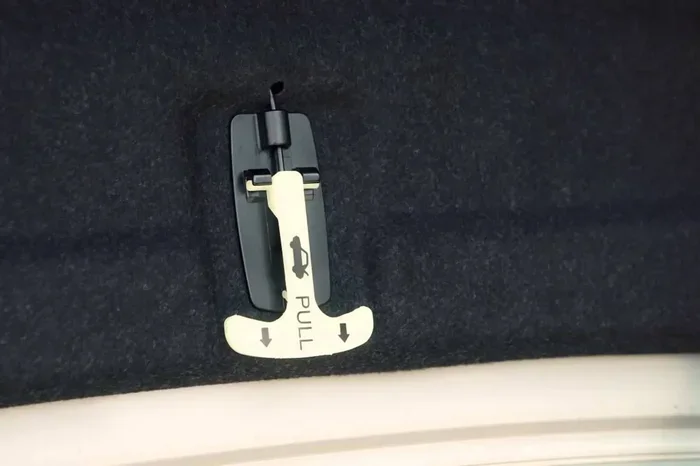
- On the interior trunk lid – A handle or lever on the inside of the trunk lid itself, which is accessible when the trunk is slightly open.
- On the center console – In some luxury vehicles, the release is built into the center console between the front seats.
- As a button near the driver’s seat – Many newer vehicles use a push-button release located on the driver’s side near the steering column.
Finding your trunk release switch or lever is easy once you know where to look. Check your vehicle owner’s manual for the exact location. The manual will also explain how the system works for your specific model. This is one of those car maintenance tips that can save you a lot of frustration in an emergency.
What If You Cannot Find the Release?
If you have looked everywhere and still cannot find an inside trunk release, your vehicle might be older or a model that did not include this feature as standard. Some older cars and trucks, especially those manufactured before 2001, may not have an internal release. In this case, you have a couple of options. You can install an aftermarket trunk release handle or cable kit. These kits are affordable and relatively easy to install. You can also consult a trusted mechanic or auto parts store for guidance on the best option for your vehicle.
Why Is the Inside Trunk Release Important?
The inside trunk release is not just a nice-to-have feature. It is an essential safety component. Here are some compelling reasons why this feature matters so much.
Preventing Accidental Entrapment
Children are naturally curious. They love to explore, and a car trunk can seem like an exciting hiding spot. Without an inside trunk release, a child who accidentally gets locked in a trunk could face serious danger. The release feature gives them a way out. This is one of the most important car safety features every parent should know about.
Emergency Situations
Accidents happen. If your vehicle is involved in a collision and the trunk becomes jammed or inaccessible from outside, the trunk release mechanism can be your lifeline. Being able to open the trunk from inside the car can make a huge difference in an emergency. This is why understanding how your vehicle trunk release works is so important for every driver and passenger.
Peace of Mind
Knowing that your car has a reliable trunk release system gives you peace of mind. You do not have to worry about someone getting trapped or about being stuck yourself. It is a small feature that provides big benefits. This is especially true for families with young children or pets who might accidentally end up in the trunk.
Common Problems With Trunk Release Systems
Like any mechanical or electrical component in your vehicle, the trunk release system can develop problems over time. Here are some of the most common issues car owners face.
Frayed or Broken Trunk Release Cable
The trunk release cable is the most vulnerable part of a mechanical release system. Over time, the cable can fray, stretch, or even snap. When this happens, pulling the lever will not open the trunk. You might hear a rattling sound or feel the lever move loosely. This is a clear sign that the cable needs replacement.
Replacing a trunk release cable is usually straightforward. Many auto parts stores carry replacement cables for popular vehicle models. You can also have a mechanic do it for you. The cost is typically very reasonable, making this a quick and affordable repair.
Electronic Release Malfunctions
In vehicles with electronic trunk release switches, problems can arise from electrical issues. A blown fuse, a faulty wiring connection, or a dead battery can prevent the release from working. If your electronic release stops functioning, start by checking the fuse box. A blown fuse is often the culprit and is an easy fix.
Another common issue with electronic systems is a weak or dead battery. If your car battery is low, the electronic release may not have enough power to operate. Keeping your battery in good condition is one of the best car maintenance tips you can follow.
Stuck or Rusty Trunk Latch
Sometimes the problem is not with the release mechanism itself but with the trunk latch. Dirt, grime, rust, or debris can cause the latch to stick. When the latch is stuck, even a working release lever or button will not open the trunk. Regular cleaning and lubrication of the trunk latch can prevent this problem. A simple spray of silicone-based lubricant works wonders for keeping the latch operating smoothly.
How to Maintain Your Trunk Release System
Keeping your trunk release system in good shape is not difficult. A little regular maintenance goes a long way toward preventing problems. Here are some practical tips to follow.
Regular Inspection
Once every few months, test your trunk release lever or button. Make sure it moves smoothly and that the trunk opens without hesitation. If you notice any stiffness or looseness, it is a good idea to investigate further. Catching a problem early can save you from a bigger issue down the road.
Keep It Clean
Dirt and debris can accumulate around the trunk release mechanism over time. Use a soft cloth to wipe down the release lever or button regularly. If your trunk area tends to get dirty, give it a thorough cleaning every few months. Clean components last longer and function better.
Lubricate Moving Parts
The trunk release cable and trunk latch both benefit from occasional lubrication. A light application of silicone spray or white lithium grease keeps everything moving freely. Avoid using heavy oils, as they can attract dirt and cause buildup. A clean, well-lubricated system is a reliable system.
Replace Worn Parts Promptly
If you notice any signs of wear on your trunk release system, do not wait to fix it. A frayed cable or a sticking latch will only get worse over time. Replacing worn parts promptly is one of the best vehicle maintenance practices you can adopt. It keeps your car safe and prevents costly repairs later on.
Quick Tips for Trunk Release Maintenance
- Test your trunk release every month to ensure it works properly.
- Keep the trunk area clean and free of debris.
- Apply a small amount of silicone lubricant to the cable and latch every six months.
- Check the fuse box if your electronic release stops working.
- Consult your vehicle owner’s manual for specific maintenance guidelines.
Inside Trunk Release in Older Vehicles
If you drive an older vehicle, you might be wondering whether your car has an inside trunk release. The truth is that many older cars and trucks were manufactured before this feature became mandatory. If your vehicle was made before 2001, there is a good chance it does not have an internal release.
This does not mean you are out of luck. You can still add an inside trunk release to an older vehicle. Aftermarket kits are widely available and come with clear installation instructions. These kits typically include a cable, lever, and all the hardware you need. Some kits are designed for DIY installation, while others may require professional help. Either way, adding this safety feature to an older vehicle is a worthwhile investment.
Many car owners who upgrade older vehicles with an inside trunk release report feeling much safer and more confident. It is one of those simple upgrades that can make a big difference. If you have an older car, consider this a worthwhile car safety upgrade to explore.
Expert Insights on Trunk Release Safety
We spoke with several automotive safety experts to get their thoughts on the inside trunk release feature. Here is what they had to say.
Dr. Sarah Mitchell, Automotive Safety Researcher: “The inside trunk release is one of the most underappreciated safety features in modern vehicles. Many drivers do not even know it exists. We strongly recommend that every car owner familiarize themselves with the location and operation of their trunk release mechanism.”
Mike Torres, Certified Automotive Technician: “I see a lot of cars where the trunk release cable has frayed or broken, and the owner had no idea. My advice is simple: test your trunk release regularly. It takes five seconds and could save a life.”
These expert insights reinforce the importance of understanding and maintaining your trunk release system. It is not just about convenience. It is about safety for you and your loved ones.
Key Takeaways
- Most modern vehicles include an inside trunk release feature that allows you to open the trunk from the passenger cabin, and it is a mandatory safety requirement in many countries.
- The trunk release lever or button is typically found on the driver’s side dashboard, door panel, center console, or on the interior trunk lid itself.
- Regular maintenance keeps your trunk release system functioning properly, including testing the release monthly and lubricating the cable and latch every six months.
- Common problems include frayed cables, electronic malfunctions, and stuck latches, all of which are relatively easy and affordable to fix.
- Older vehicles may lack an inside trunk release, but aftermarket kits make it simple and cost-effective to add this important safety feature.
- The inside trunk release is a life-saving tool that prevents accidental entrapment and provides critical access during emergencies.
Conclusion
So, is there an inside trunk release? Yes, absolutely. If you drive a modern vehicle, your car almost certainly has this important safety feature. The trunk release mechanism is designed to protect you and your passengers in both everyday situations and emergencies. Understanding where it is located and how it works is something every car owner should do.
Taking care of your trunk release system is simple. Test it regularly, keep it clean, lubricate moving parts, and replace worn components promptly. These small efforts add up to a safer, more reliable vehicle. If your car is older and lacks this feature, consider installing an aftermarket inside trunk release kit. It is one of the best safety upgrades you can make.
Remember, the inside trunk release is not just a convenience feature. It is a safety feature that can save lives. Take a moment today to locate your trunk release and make sure it works. Your future self will thank you for it.
Frequently Asked Questions
Can a child open the inside trunk release?
Yes, most inside trunk release levers and buttons are designed to be easy for children to operate. The release handle is typically large enough for small hands to pull, and the button requires minimal pressure. This is exactly why the feature exists, to give children and anyone trapped inside the trunk a way to escape safely.
How much does it cost to replace a trunk release cable?
Replacing a trunk release cable is generally very affordable. The cable itself usually costs between $15 and $40, depending on your vehicle make and model. If you hire a mechanic to install it, labor costs typically range from $50 to $100. Overall, this is a budget-friendly repair that significantly improves safety.
What should I do if my electronic trunk release stops working?
Start by checking the vehicle’s fuse box. A blown fuse is the most common cause of electronic trunk release failures. If the fuse is fine, check the car battery, as a weak battery may not provide enough power. If neither of these fixes works, consult a professional mechanic to diagnose the electrical issue.
Are there any vehicles without an inside trunk release?
Yes, some older vehicles and certain budget or specialty models may not include an inside trunk release. This is more common in cars manufactured before 2001. However, you can always add an aftermarket release kit to improve safety. Check your vehicle owner’s manual to confirm whether your car has this feature.
Does the inside trunk release work when the car is locked?
In most vehicles, the inside trunk release works regardless of whether the car is locked or unlocked. This is intentional, as the feature is designed for emergency situations. However, some vehicles with advanced security systems may have specific conditions. Always refer to your owner’s manual for details about your specific model.
Can I install an inside trunk release myself?
Yes, many aftermarket trunk release kits are designed for DIY installation. They come with detailed instructions and basic tools. If you are comfortable with simple car maintenance tasks, you can likely install the kit yourself. Otherwise, a mechanic can complete the installation quickly and affordably.