Is It Better to Get a Hybrid or Plug-In Hybrid Vehicle
Choosing between a hybrid or plug-in hybrid vehicle can feel confusing. A conventional hybrid uses a small battery and gasoline engine to boost fuel economy, while a plug-in hybrid offers a longer electric-only range and needs external charging. This guide breaks down costs, driving habits, tax incentives, and real-world performance so you can make the smartest choice for your wallet and lifestyle.
If you have been shopping for a new car lately, you have probably noticed that hybrid vehicles are everywhere. Car makers are racing to meet stricter emissions rules, and buyers want options that sip fuel instead of guzzling it. But here is the big question most people ask: should you go with a regular hybrid or a plug-in hybrid? The answer is not as simple as picking one over the other.
A hybrid or plug-in hybrid each has its own strengths. One might be a perfect fit for your daily drive, while the other could leave you frustrated. In this article, we will walk you through everything you need to know. We will compare electric range, fuel economy, upfront costs, tax credits, and real-world driving habits. By the end, you will know exactly which option makes the most sense for you.
Key Takeaways
- Hybrid vehicles are great for: drivers who want better fuel economy without plugging in or changing daily routines.
- Plug-in hybrids save more fuel: if you can charge regularly and have a short daily commute.
- Upfront cost matters: plug-in hybrids usually cost more than conventional hybrids at the dealership.
- Tax incentives can offset the price: federal and state credits may lower the cost of a plug-in hybrid significantly.
- Your driving habits decide the winner: short commutes favor plug-in hybrids; long road trips favor conventional hybrids.
- Maintenance is similar: both types share many of the same upkeep needs, but plug-in hybrid batteries are larger.
- Test drive both: experiencing the difference firsthand helps you make the most confident decision.
📑 Table of Contents
- What Is a Hybrid Vehicle?
- What Is a Plug-In Hybrid?
- Hybrid vs Plug-In Hybrid: Key Differences
- Which One Saves You More Money?
- Which Is Better for Your Driving Style?
- Tax Incentives and Government Benefits
- How to Choose Between the Two
- Common Mistakes People Make When Choosing
- Key Takeaways
- Conclusion
What Is a Hybrid Vehicle?
A conventional hybrid vehicle uses two power sources: a small battery and a gasoline engine. The battery does not plug in. Instead, it charges itself through a process called regenerative braking. When you slow down or hit the brakes, the electric motor captures energy and stores it in the battery. This is why people sometimes call them self-charging hybrids.
The gasoline engine does most of the work, but the electric motor kicks in during low-speed driving, like in stop-and-go traffic or when pulling away from a stoplight. This teamwork between the engine and motor is what gives hybrid vehicles their impressive fuel economy. You still fill up at the pump, but you visit the gas station far less often than with a traditional car.
How a Conventional Hybrid Works
Here is a simple breakdown of how a hybrid vehicle operates on a daily basis:
- The gasoline engine starts up when you need more power, like during highway driving.
- The electric motor handles low-speed cruising and gentle acceleration.
- Regenerative braking recharges the hybrid battery every time you decelerate.
- The car automatically switches between power sources for the best fuel economy.
- You never need to plug the car into an outlet or charging station.
This seamless switching is one of the biggest reasons people love conventional hybrids. You get the benefits of electric driving without changing your routine at all. Just drive, refuel, and go.
Best Uses for a Conventional Hybrid
Conventional hybrids shine in specific situations. If your daily commute is long and you do not have access to a home charging setup, a hybrid vehicle is a smart pick. They are also great for people who frequently take road trips and want to avoid range anxiety. Because you can refuel anywhere gas is sold, you never have to worry about finding a charging station.
Hybrid vehicles also tend to have a lower upfront price than their plug-in cousins. If budget is a major factor, a conventional hybrid gives you solid fuel savings without stretching your wallet at the dealership.
What Is a Plug-In Hybrid?
A plug-in hybrid electric vehicle, often called a PHEV, takes the hybrid concept a big step further. It has a larger battery pack and a more powerful electric motor. The key difference? You plug it in to charge. This gives the car a meaningful electric-only range, meaning you can drive on electricity alone for a set number of miles before the gasoline engine kicks in.
Most plug-in hybrids offer between 20 and 55 miles of electric-only range, depending on the model. For someone with a short daily commute, this could mean rarely ever using gasoline at all. You drive on electric power during the week, plug in at home overnight, and wake up to a full battery every morning.
How a Plug-In Hybrid Works
A plug-in hybrid operates in a few distinct modes. Here is how the system typically works in everyday driving:
- When the battery is charged, the car runs in EV mode using only the electric motor.
- Once the battery depletes, the gasoline engine takes over and acts as a generator.
- The car automatically blends power from both sources for maximum efficiency.
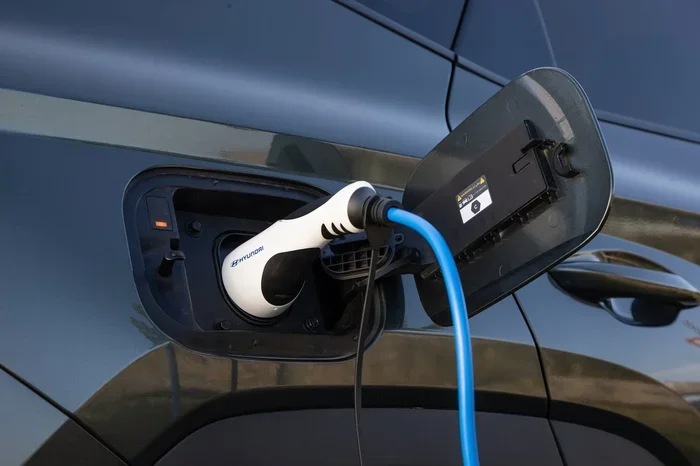
- You can plug in at home, work, or a public charging station to recharge.
- Regenerative braking still works to recapture energy during deceleration.
The larger hybrid battery is what sets a plug-in hybrid apart. It stores enough energy to cover short trips entirely on electricity. This means zero tailpipe emissions during your daily drive and significant fuel savings over time.
Best Uses for a Plug-In Hybrid
Plug-in hybrids are ideal for drivers who can charge at home or at work. If you have a garage with a charging cable or access to a workplace charging station, a PHEV can become your primary vehicle and handle most trips on electric power alone. They also work well for people who want the flexibility of an electric car but still need a gasoline engine for longer journeys.
Another strong use case is for households that want to reduce their carbon footprint without buying a fully electric vehicle. A plug-in hybrid gives you a taste of EV driving while keeping the convenience of a gas tank for those occasional long-distance trips.
Hybrid vs Plug-In Hybrid: Key Differences
Now that you understand what each type does, let us look at the real-world differences. These are the factors that will shape your day-to-day experience and long-term satisfaction with whichever vehicle you choose.
Electric Range Comparison
This is the single biggest difference between a conventional hybrid and a plug-in hybrid. A regular hybrid might give you one to two miles of electric-only driving at best. A plug-in hybrid can go 20 to 55 miles on electricity alone. If your round-trip commute is under 30 miles, a PHEV could let you drive to work and back without touching a single drop of gasoline.
For longer trips, both types rely on the gasoline engine. But the plug-in hybrid starts using gas only after the battery is depleted. This means you still get excellent fuel economy even on highway drives, especially if you plug in whenever you stop.
Fuel Economy and MPG
Fuel economy is where both types really shine compared to traditional gasoline cars. A conventional hybrid might deliver 45 to 55 miles per gallon in combined driving. A plug-in hybrid will show a higher combined MPG rating because part of your driving uses electricity, which costs far less than gasoline.
However, the real fuel savings of a plug-in hybrid depend heavily on how often you charge. If you rarely plug in, a PHEV essentially becomes a heavier conventional hybrid, and you lose much of its efficiency advantage. The best fuel economy comes from making charging a regular habit.
Upfront Cost and Pricing
Plug-in hybrids typically cost more than conventional hybrids. The larger battery pack and more powerful electric motor add to the price tag. You might pay $2,000 to $5,000 more for a plug-in hybrid compared to a similar conventional hybrid model.
That said, federal tax incentives and state rebates can help close the gap. In many cases, the federal tax credit for plug-in hybrids can reduce the effective price by several thousand dollars. Always check current incentive programs before making a purchase decision, because these credits can change from year to year.
Charging and Refueling Convenience
This is where lifestyle plays a huge role. A conventional hybrid is incredibly convenient. You drive up to any gas station, fill the tank, and keep going. No cords, no waiting, no planning around charging times.
A plug-in hybrid requires a bit more effort. You need access to a charging cable and a power source. Home charging is the most convenient option, but not everyone has a garage or dedicated parking spot with an outlet. Public charging stations are becoming more common, but they are still not as widespread as gas stations. If you can charge at home overnight, a plug-in hybrid fits beautifully into your routine. If you cannot, a conventional hybrid might be the smoother choice.
Which One Saves You More Money?
Money is usually the top concern for car buyers, and rightfully so. Let us break down the total cost of ownership for both types of hybrid vehicles.
Upfront Costs
Conventional hybrids have a lower sticker price in most cases. You walk out of the dealership paying less upfront. Plug-in hybrids cost more initially because of the bigger battery and more advanced powertrain. But remember, tax credits and incentives can bring the effective price down.
Fuel Savings Over Time
A plug-in hybrid has the potential to save you more on fuel, but only if you charge regularly. If you drive 30 miles per day and can charge every night, your weekly gasoline bill drops dramatically. Over a year, those savings add up fast.
A conventional hybrid saves you fuel too, just not as aggressively. You still see a noticeable improvement over a gas-only car, but you will not achieve the near-zero fuel costs that a plug-in hybrid can offer when charged consistently.
Maintenance and Repair Costs
Both types share similar maintenance needs for the gasoline engine, brakes, and tires. However, the hybrid battery in a plug-in hybrid is larger and more complex. If the battery fails down the road, replacement costs can be higher than for a conventional hybrid battery. That said, most hybrid batteries last well beyond 100,000 miles, so this is something to keep in mind rather than worry about immediately.
Which Is Better for Your Driving Style?
Your daily driving habits are the best guide for choosing between a hybrid or plug-in hybrid. Let us look at a few common scenarios.
Short Commuters and City Drivers
If you drive less than 40 miles per day and can charge at home, a plug-in hybrid is a fantastic option. You can run almost entirely on electric power for your daily routine. The gasoline engine only kicks in for weekend getaways or longer trips. This setup gives you the best of both worlds: electric driving for your commute and gas flexibility for adventures.
Long Commuters and Road Trippers
If your daily drive is long or you frequently travel hundreds of miles in a single trip, a conventional hybrid might serve you better. You do not need to worry about finding a charging station or planning your route around power outlets. Just fill up and keep driving. The fuel economy is still excellent compared to a standard gasoline car.
Drivers Without Home Charging
If you live in an apartment or do not have access to a dedicated charging spot, a plug-in hybrid loses much of its advantage. You can still drive on electric power for a short while, but you will not be able to recharge regularly. In this case, a conventional hybrid is the more practical choice because it self-charges and requires no lifestyle changes.
Tax Incentives and Government Benefits
One of the biggest advantages of a plug-in hybrid is access to government incentives. The federal government offers a tax credit for plug-in hybrid electric vehicles that can range from $2,500 to $7,500 depending on the battery size and manufacturer. Some states offer additional rebates or perks like carpool lane access, reduced registration fees, or free parking.
Conventional hybrids generally do not qualify for these federal incentives. This is a significant factor that can tip the scales in favor of a plug-in hybrid, especially if the savings bring the upfront cost closer to a conventional hybrid price point.
Understanding the Federal Tax Credit
Not every plug-in hybrid qualifies for the full credit. The amount depends on how much battery capacity the vehicle has. Manufacturers also have caps on how many vehicles they can sell before the credit begins to phase out. Always check the current IRS guidelines or ask your dealer about available incentives before you buy.
How to Choose Between the Two
Still not sure which one is right for you? Here is a simple way to think about it. Ask yourself three questions:
- Do I have access to a charging point at home or work?
- Is my daily driving under 40 miles round trip?
- Am I comfortable planning around charging on longer trips?
If you answered yes to all three, a plug-in hybrid is likely your best bet. If you answered no to any of them, a conventional hybrid will probably serve you better and cause less hassle.
Also consider how long you plan to keep the car. If you keep a vehicle for many years, the fuel savings of a plug-in hybrid can offset the higher upfront cost over time. If you like to switch cars every few years, the lower purchase price of a conventional hybrid may make more financial sense.
Quick Tips for Making Your Decision
- Estimate your daily mileage and see if a plug-in hybrid’s electric range covers it.
- Check local and federal incentives to see how much you could save.
- Test drive both types back to back. The driving feel is different, and you will notice it.
- Factor in the cost of installing a home charging station if you go with a plug-in hybrid.
- Read real-world owner reviews to understand long-term ownership experiences.
Common Mistakes People Make When Choosing
Avoid these pitfalls that trip up many car buyers. One common mistake is assuming a plug-in hybrid will always save more money. If you do not charge it regularly, the fuel savings shrink dramatically. Another mistake is ignoring the cost of a home charger. Installing a Level 2 charging station can add $500 to $2,000 to your total cost.
Some buyers also underestimate the importance of their daily driving distance. If your commute is 60 miles round trip but your plug-in hybrid only has 30 miles of electric range, you will still burn gasoline on a regular basis. Matching the vehicle to your actual driving patterns is the key to getting the most value.
Expert Insights
Automotive experts often say that the best hybrid is the one that fits your life. A plug-in hybrid sitting in your garage without ever being plugged in is just a heavy conventional hybrid. On the other hand, a conventional hybrid that you drive 100 miles a day still saves you significant fuel compared to a gas-only car. The right choice is always the one that aligns with your real-world routine, not the one with the best numbers on paper.
Many industry analysts also point out that the plug-in hybrid market is growing fast. More models are hitting the market every year, and battery technology continues to improve. Electric ranges are getting longer, and prices are gradually coming down. If you are on the fence, waiting a year or two might give you access to better options at lower prices.
Key Takeaways
- Conventional hybrids are self-charging and require no lifestyle changes. They are perfect for drivers who want better fuel economy without plugging in.
- Plug-in hybrids offer electric-only driving for short trips. They work best when you can charge at home or work regularly.
- Upfront costs are higher for plug-in hybrids, but tax credits and fuel savings can close the gap over time.
- Your driving habits are the deciding factor. Short commutes favor plug-in hybrids; long road trips favor conventional hybrids.
- Both types deliver excellent fuel economy compared to traditional gasoline cars, so either choice is a smart move for your wallet and the environment.
- Test drive both options to feel the difference in power, responsiveness, and driving dynamics before you commit.
Conclusion
So, is it better to get a hybrid or plug-in hybrid vehicle? The honest answer is that it depends entirely on your situation. Both types of hybrid vehicles offer real benefits over traditional gasoline cars. A conventional hybrid is simple, convenient, and requires zero changes to how you live. A plug-in hybrid offers the chance to drive on electricity for short trips, which can lead to impressive fuel savings and a smaller environmental footprint.
If you can charge at home and your daily driving fits within the electric range, a plug-in hybrid is hard to beat. The fuel savings, tax incentives, and quiet electric driving make it a compelling choice. But if you do not have a charging setup or you drive long distances regularly, a conventional hybrid is the smarter, more practical option.
The most important thing is to match the vehicle to your real life. Consider your commute, your charging options, your budget, and how long you plan to keep the car. Take both types for a test drive. Ask questions at the dealership. Do the math on fuel savings over five years. When you put in that effort, the right choice becomes clear. Whichever path you choose, you are making a great decision for your wallet and for the planet.
Frequently Asked Questions
What is the main difference between a hybrid and a plug-in hybrid?
A conventional hybrid charges its battery through regenerative braking and the gasoline engine. You never need to plug it in. A plug-in hybrid has a larger battery that you charge from an external power source, giving it a meaningful electric-only range of 20 to 55 miles depending on the model.
Are plug-in hybrids worth the extra cost?
They can be worth it if you charge regularly and have a short daily commute. The fuel savings and federal tax credits can offset the higher upfront price over time. But if you cannot charge at home, a conventional hybrid may be the better financial choice.
Can I drive a plug-in hybrid without ever plugging it in?
Yes, you can. A plug-in hybrid will still run on gasoline power just like a conventional hybrid. However, you will not get the full electric-only range or the maximum fuel savings if you never charge the battery.
How long does it take to charge a plug-in hybrid?
Using a standard home outlet, it can take several hours. With a Level 2 home charging station, most plug-in hybrids charge fully in 2 to 4 hours. Public fast chargers can charge a PHEV in about an hour, though most owners charge overnight at home.
Do hybrid batteries need to be replaced often?
Most hybrid batteries last well beyond 100,000 miles and often the life of the vehicle. Replacement is rarely needed within the first 8 to 10 years of ownership. Both conventional hybrids and plug-in hybrids use similar battery technologies that are designed for long durability.
Which hybrid type is better for the environment?
A plug-in hybrid has a smaller environmental footprint if you charge it regularly and drive mostly on electric power. However, a conventional hybrid still produces far fewer emissions than a gasoline-only car. Both options are a significant improvement over traditional vehicles.
=== CONCLUSION ===
The choice between a hybrid or plug-in hybrid vehicle comes down to your lifestyle, driving habits, and access to charging. Both options deliver strong fuel economy, lower emissions, and a more enjoyable driving experience compared to traditional gasoline cars. Take the time to evaluate your daily routine, explore available incentives, and test drive both types. You will walk away with the confidence that you made the right choice for your needs and your budget.