How to Turn Off Hill Assist And Drive With Confidence
Hill assist is a helpful safety feature, but sometimes you need to know how to turn off hill assist for smoother driving on steep roads or manual transmissions. This guide walks you through the process for every major vehicle brand, explains when disabling it makes sense, and shares expert tips to keep you safe. By the end, you will feel confident handling any hill, whether the system is on or off.
Driving up a steep hill should feel simple. Yet many drivers find themselves frustrated when their vehicle hesitates, rolls back, or behaves unpredictably. The hill assist system is designed to help. But what happens when it gets in the way?
Whether you drive a manual transmission or prefer more control on inclines, learning how to turn off hill assist can change the way you experience steep roads. This guide covers everything you need to know. From the reasons you might want to disable it, to brand-specific steps, to safety tips for driving without the feature.
By the time you finish reading, you will understand the system inside and out. You will know exactly how to manage it in your own vehicle. And you will drive with real confidence, no matter what the gradient throws at you.
Key Takeaways
- Hill assist prevents rollback on inclines, but it is not always necessary for experienced drivers.
- You can turn off hill assist in most vehicles through the dashboard, steering wheel controls, or infotainment system.
- Disabling the feature is safe when you understand how your brakes and throttle work on slopes.
- Different brands like Toyota, Ford, Honda, and BMW have unique steps for hill assist deactivation.
- Always practice in a safe area before driving without hill assist on steep roads.
- Common mistakes include forgetting to re-enable the feature and misunderstanding sensor warnings.
- Knowing how to manage hill assist gives you more control and confidence behind the wheel.
📑 Table of Contents
What Is Hill Assist and Why Does It Exist?
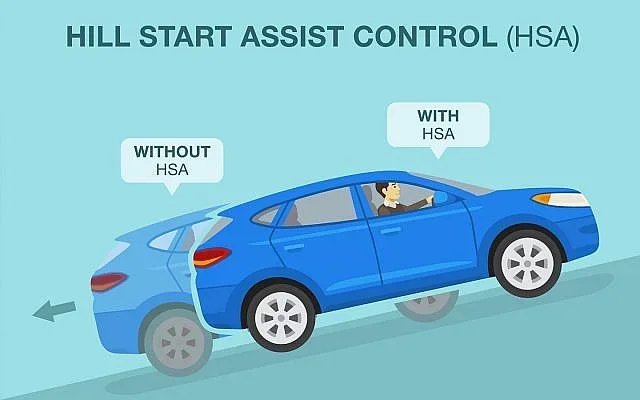
Hill assist, also called hill start assist, is a vehicle stability system built into most modern cars. It temporarily holds the brakes when you shift from the brake pedal to the accelerator on an incline. This prevents the car from rolling backward.
The system uses sensors to detect the vehicle’s angle. When it senses a gradient, it keeps the brakes engaged for about one to two seconds. This gives you time to move your foot from the brake to the gas pedal smoothly.
Most drivers appreciate this feature. It is especially helpful for new drivers or in icy conditions. But experienced drivers sometimes find it restrictive. That is where knowing how to turn off hill assist becomes valuable.
How the System Works
The hill assist feature relies on several components working together. The gradient detection sensor measures the slope of the road. The brake assist system applies pressure to the wheels. The electronic control unit processes all of this information in milliseconds.
When you lift your foot off the brake on a hill, the system holds the brakes in place. It releases them only when it detects you are applying throttle. This creates a seamless transition between stopping and moving forward.
The system also works with the electronic stability control and anti-rollback feature. Together, these systems help maintain traction and prevent wheel slippage. They are especially useful on wet or gravel-covered inclines.
When Hill Assist Is Helpful
There are many situations where hill assist shines. Here are some common scenarios:
- Stop-and-go traffic on steep hills. The system prevents rollback between stops.
- Driving in snow or rain. It adds a layer of safety when traction is low.
- Parallel parking on a slope. It holds the car steady while you adjust.
- New or nervous drivers. It builds confidence during early driving lessons.
- Heavy loads. A loaded vehicle is more likely to roll back on inclines.
For all these situations, the feature is a great helper. But not every driver needs it all the time.
Common Reasons to Turn Off Hill Assist
Knowing when to disable hill assist is just as important as knowing how. Not every driving situation benefits from the system being active. Here are the most common reasons drivers choose to turn it off.
Manual Transmission Driving
Drivers of manual transmission vehicles often prefer to manage the clutch and throttle themselves. When hill assist is active, it can interfere with the smooth release of the clutch. The system holds the brakes, which can make it harder to find the bite point.
Experienced manual drivers know exactly how much throttle and clutch pressure they need. They do not need the computer deciding when to release the brakes. Disabling the feature gives them full control over the throttle response and front wheel traction.
Performance Driving and Off-Roading
If you enjoy spirited driving or off-road adventures, hill assist can sometimes get in the way. On steep dirt trails, you may want the wheels to spin slightly for better grip. The system may hold the brakes too aggressively.
Off-road enthusiasts often prefer to manage their own brake hold feature. They want to choose exactly when and how much braking force to apply. This is especially true during downhill braking on rocky terrain.
Frequent Hill Parking
Some drivers park on steep hills regularly. In these cases, the hill parking brake behavior may feel awkward with hill assist active. The system can create a slight delay when you try to pull away from a parked position.
Turning off the feature in these situations allows for a quicker, more natural response. You simply press the gas and go, without waiting for the system to release the brakes.
Sensor Issues and False Triggers
Sometimes hill assist activates when you do not want it to. A dirty sensor or a misaligned gradient detection component can cause false triggers. The system may hold the brakes on flat ground or fail to release on a slight incline.
In these cases, temporarily disabling the system can prevent frustrating driving experiences. Just remember to re-enable it when the sensor issue is resolved.
How to Turn Off Hill Assist in Popular Vehicle Brands
Every vehicle brand handles hill assist differently. The location of the controls varies widely. Here is a detailed look at how to turn off hill assist in the most popular brands.
| Brand | How to Turn Off | Location of Control |
|---|---|---|
| Toyota | Press the VSC OFF button | Dashboard or steering wheel area |
| Ford | Use the infotainment touchscreen | Settings > Driver Assistance |
| Honda | Press the VSA OFF button | Left side of the steering column |
| BMW | Hold the DSC OFF button | Near the gear shifter |
| Chevrolet | Press the ESC OFF button | Dashboard, near the steering column |
| Nissan | Use the vehicle settings menu | Infotainment display |
| Volkswagen | Press the ESP OFF button | Dashboard, left of steering wheel |
As you can see, the process varies. Some vehicles have a dedicated physical button. Others require you to navigate through the infotainment menu. Always consult your owner’s manual for the exact steps for your specific model.
Toyota and Honda: Button-Based Systems
Toyota and Honda vehicles typically have a simple push-button system. Look for the VSC OFF or VSA OFF button. Pressing it deactivates the vehicle stability system, which includes hill assist.
On Toyota models, the button is usually located near the gear shifter or on the dashboard. When you press it, a warning light appears on the instrument cluster. This confirms the system is off.
Honda uses a similar approach. The VSA OFF button is typically on the left side of the steering column. Press it once, and the system disables. You will see a indicator light on the dashboard.
Ford and Chevrolet: Infotainment and Dashboard Controls
Ford vehicles often require you to access the settings through the touchscreen. Navigate to the driver assistance settings and toggle the hill assist option off. Some newer Ford models also have a physical button on the steering wheel.
Chevrolet uses the ESC OFF button, which is similar to Toyota’s VSC button. Pressing it disables the electronic stability control, which also turns off the hill assist feature. The dashboard will display a warning light to confirm the change.
BMW and Volkswagen: Integrated Systems
BMW drivers will find the DSC OFF button near the gear shifter. Holding it for a few seconds deactivates the dynamic stability control. This includes the hill assist function.
Volkswagen vehicles use the ESP OFF button, located on the left side of the steering column. A single press is usually enough to turn the system off. The instrument cluster will show the ESP warning light.
Step-by-Step Guide to Disabling Hill Assist
Now that you know where the controls are, here is a step-by-step process to safely disable the feature. Follow these steps carefully for the best results.
- Park the vehicle on a flat surface. Always start by turning off the engine and placing the car in park. This ensures safety while you locate and adjust the settings.
- Locate the hill assist control. Check your owner’s manual or look for a button labeled VSC, VSA, ESC, DSC, or ESP. It may also be in the infotainment menu under driver assistance settings.
- Press and hold the button. For most vehicles, a single press is enough. For some brands like BMW, you need to hold the button for two to three seconds.
- Check the dashboard indicator. A warning light should appear on the instrument cluster. This confirms the system is deactivated. If no light appears, try pressing the button again.
- Start the engine and test on a gentle slope. Drive to a quiet, mild incline and test how the vehicle behaves. Release the brake and apply the throttle slowly.
- Re-enable the system when needed. When you return to normal driving conditions, press the same button to reactivate the feature. The warning light should turn off.
Quick Tip: Always re-enable hill assist before driving in challenging conditions. Forgetting to turn it back on can reduce your safety on steep or slippery roads.
What If You Cannot Find the Button?
Some vehicles do not have a dedicated hill assist button. In these cases, the feature is tied to the broader stability control system. Disabling ESC or ESP will also turn off hill assist. If you still cannot find the control, consult your owner’s manual or contact a dealership.
Some newer vehicles allow you to manage the feature through the infotainment touchscreen. Look under Settings, then Vehicle, then Driver Assistance or Safety Systems. The exact path varies by brand and model.
Driving Safely After Turning Off Hill Assist
Disabling hill assist changes how your vehicle behaves on inclines. It is important to adjust your driving habits accordingly. Here is how to stay safe and confident after turning off the feature.
Master the Clutch and Throttle
If you drive a manual transmission, you need to be comfortable with the clutch bite point. This is the point where the clutch engages and the car starts to move. Practice finding this point on a flat surface before trying it on a hill.
When pulling away on a slope, release the brake and apply gentle throttle at the same time. The key is smoothness. Jerky movements can cause the wheels to slip or the engine to stall.
Use the Parking Brake When Needed
Without hill assist, the parking brake becomes your best friend on steep inclines. Engage it whenever you stop on a slope. It holds the car in place while you shift gears or adjust your position.
When you are ready to move, release the parking brake while applying throttle. This gives you full control over the rear wheel slippage and prevents rollback.
Be Aware of Your Surroundings
Driving without hill assist requires more attention. Always check your mirrors before pulling away from a hill. Make sure no vehicles or pedestrians are behind you.
On steep descents, use engine braking to control your speed. Shift into a lower gear and let the engine slow the vehicle down. This is more effective than relying solely on the brakes, which can overheat on long slopes.
Watch for Sensor Warnings
Even with hill assist turned off, your vehicle’s sensors are still active. Pay attention to warning lights on the dashboard. If you see a traction control or stability warning, slow down and assess the road conditions.
Rain, snow, and gravel can all affect front wheel traction and downhill braking performance. Adjust your speed and driving style to match the conditions.
Expert Insight: Professional driving instructors recommend practicing hill starts without hill assist in a safe, empty parking lot. This builds muscle memory and confidence before you tackle real steep roads.
Common Mistakes When Turning Off Hill Assist
Even experienced drivers make mistakes when managing hill assist. Here are the most common errors and how to avoid them.
- Forgetting to re-enable the system. After practicing on a hill, many drivers forget to turn hill assist back on. This leaves you without the safety feature in unexpected situations.
- Disabling the wrong system. Some drivers accidentally turn off the entire stability control system instead of just hill assist. This removes multiple safety features at once.
- Ignoring dashboard warnings. If a warning light stays on after you re-enable the system, there may be a sensor issue. Have it checked by a mechanic.
- Practicing on dangerous slopes. Always practice disabling and re-enabling hill assist on gentle, safe slopes first. Never test on steep or busy roads.
- Assuming the feature is off. Some vehicles require a long press or a specific sequence to fully disable hill assist. Verify the indicator light before driving.
Avoiding these mistakes keeps you safe and ensures you get the most out of your vehicle’s features.
Key Takeaways
- Hill assist prevents rollback on inclines, but it is not always necessary for experienced drivers.
- You can turn off hill assist in most vehicles through the dashboard, steering wheel controls, or infotainment system.
- Disabling the feature is safe when you understand how your brakes and throttle work on slopes.
- Different brands like Toyota, Ford, Honda, and BMW have unique steps for hill assist deactivation.
- Always practice in a safe area before driving without hill assist on steep roads.
- Common mistakes include forgetting to re-enable the feature and misunderstanding sensor warnings.
- Knowing how to manage hill assist gives you more control and confidence behind the wheel.
Conclusion
Understanding how to turn off hill assist is a valuable skill for any driver. It gives you more control on steep roads, smoother transitions in manual vehicles, and a better overall driving experience. Whether you are navigating a mountain pass, parking on a steep city hill, or heading out on an off-road adventure, knowing how to manage this feature makes a real difference.
The key is to be intentional. Know why you are turning it off. Follow the correct steps for your vehicle. And always re-enable it when conditions demand it. With the right approach, you can drive with confidence on any incline, whether the system is active or not.
Practice in safe environments. Stay aware of road conditions. And never hesitate to consult your owner’s manual for guidance specific to your vehicle. The road ahead is yours to navigate, with or without hill assist.
Frequently Asked Questions
Can I turn off hill assist while driving?
Yes, you can disable hill assist while the vehicle is in motion on most models. However, it is safest to do so on flat ground or gentle slopes. Always check your dashboard indicator to confirm the system is off before tackling a steep incline.
Will turning off hill assist affect my brakes?
No, turning off hill assist does not affect your regular braking system. The brakes still work normally. You simply lose the temporary brake hold that prevents rollback on inclines. Your brake assist system remains fully active.
Do all vehicles have a hill assist feature?
Most modern vehicles come with hill assist as a standard feature. However, some older models and budget vehicles may not include it. Check your owner’s manual or look for a VSC, VSA, or ESC button to confirm whether your car has the feature.
Is it safe to drive without hill assist on steep roads?
It is safe if you are comfortable managing the clutch, throttle, and brakes yourself. Experienced drivers often prefer to disable it for more direct control. Just be extra cautious on steep or slippery slopes and practice in safe conditions first.
How do I know if hill assist is turned on or off?
Your dashboard will display a warning light when hill assist is active. When you turn it off, the light should disappear or change to indicate the system is disabled. If you are unsure, refer to your owner’s manual for the specific indicator symbol.
Can I turn off hill assist permanently?
You can disable hill assist each time you drive, but most vehicles do not offer a permanent off setting. The system typically reactivates when you start the engine. This is a safety feature designed to protect you in unexpected situations on inclines.