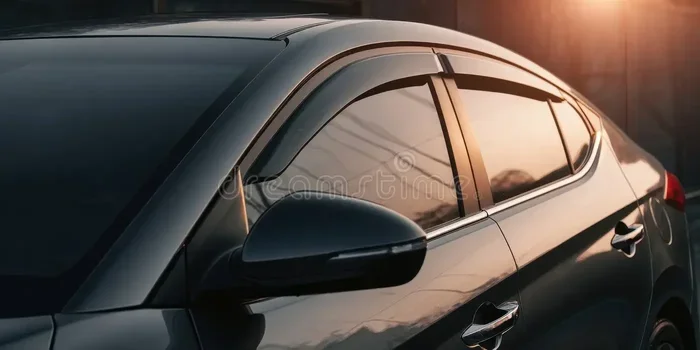
Iowa Window Tint Law Guide What You Need to Know Today
Iowa Window Tint Law sets specific rules for how dark and reflective your car windows can be. The state measures tint darkness using Visible Light Transmission (VLT) percentages for different window types. Understanding these rules helps you stay legal, avoid fines, and choose the right tint film for your vehicle.
Driving a car with tinted windows feels great. It looks sleek. It keeps the interior cooler. And it blocks harmful UV rays. But in Iowa, window tinting is not just a style choice. It is a legal matter. The state has clear rules about how dark your tint can be and where it can go. If you ignore these rules, you could face fines or even fail your vehicle inspection.
This guide breaks down everything you need to know about Iowa Window Tint Law. We will cover tint darkness rules, reflectivity limits, medical exemptions, and common mistakes. By the end, you will know exactly what is legal and what is not. Let us get started.
Key Takeaways
- Windshield tint is limited: Only the top 6 inches of the windshield can be tinted in Iowa.
- Front side windows need 70% VLT: Your front windows must let at least 70% of light through.
- Rear windows have more flexibility: Any darkness level is allowed on rear side and rear windshield windows.
- Reflectivity matters: Tint cannot be more than 35% reflective on any window.
- Medical exemptions exist: You can get a special permit for darker tint with a doctor’s note.
- Penalties are real: Illegal tint can lead to fines and failed inspections.
- Sticker requirements apply: Iowa requires a legal tint sticker on the driver’s side window.
📑 Table of Contents
Understanding Iowa Window Tint Law
Iowa has specific regulations for vehicle window tinting. These rules are designed to balance driver privacy with safety. The main measure used is Visible Light Transmission, or VLT. This is the percentage of light that passes through your window tint. The lower the VLT, the darker the tint.
The Iowa Department of Transportation oversees these rules. They set limits for each window on your vehicle. These limits apply to passenger cars, SUVs, and vans. Here is a quick look at the basic framework.
What Is VLT and Why Does It Matter?
Visible Light Transmission (VLT) is the key metric for tint darkness. A film with 70% VLT lets 70% of outside light into your car. A film with 5% VLT blocks almost all light. In Iowa, different windows have different VLT requirements. This ensures drivers can see clearly, especially at night.
When you buy tint film, check the VLT rating. The seller should provide this information. If they do not, ask. Installing a film that is too dark can get you pulled over. It is a simple step that saves you trouble later.
How Iowa Measures Tint Darkness
Iowa uses a straightforward system. Each window type has its own VLT minimum. Front windows have stricter rules than rear windows. This is because front windows help drivers see traffic, pedestrians, and road signs clearly.
The state also checks tint on the windshield. But the rules for the windshield are different from side windows. We will break this down in the next section. For now, just know that tint darkness laws in Iowa are clear and enforceable.
Tint Darkness Rules by Window
This is the most important part of Iowa Window Tint Law. Each window on your vehicle has its own legal limit. Let us go through them one by one.
Windshield Tint Rules
You cannot tint the entire windshield in Iowa. The law allows tint only on the top 6 inches of the windshield. This strip is above the manufacturer’s AS-1 line, which is usually marked on the glass. The tint on this strip must be non-reflective. This means it cannot have a mirrored or metallic look.
The reason for this rule is safety. The windshield is your main view of the road. Too much tint there can block your sight, especially during sunrise and sunset. The 6-inch strip helps reduce glare without blocking your vision.
Front Side Window Rules
Front side windows must have a VLT of at least 70%. This means your front windows can only block up to 30% of light. In practical terms, this is a very light tint. Most factory-tinted windows already meet this standard.
If you plan to tint your front windows, choose a film rated at 70% VLT or higher. Many tint shops carry options in this range. They are often called “sun protection” films. They reduce glare and heat without going too dark.
Rear Side Window and Rear Windshield Rules
Here is where things get more flexible. Iowa allows any level of tint darkness on rear side windows and the rear windshield. You can go as dark as you want on these windows. This applies to sedans, SUVs, and vans alike.
However, there is one catch. If your rear windows are tinted darker than 70% VLT, you must have dual side mirrors. This ensures you can still see behind and beside your vehicle. This rule makes sense. Dark rear windows reduce your view of cars in your blind spots.
Quick Reference: Iowa Tint Darkness Chart
| Window | Legal VLT Limit | Notes |
|---|---|---|
| Windshield | Top 6 inches only | Must be non-reflective |
| Front Side Windows | 70% or higher | Blocks max 30% of light |
| Rear Side Windows | Any darkness allowed | Dual mirrors required if below 70% |
| Rear Windshield | Any darkness allowed | Dual mirrors required if below 70% |
This chart gives you a fast way to check the rules. Print it out or save it on your phone. It comes in handy when you visit a tint shop.
Reflectivity and Tint Color Restrictions
Iowa does not just limit how dark your tint can be. The state also controls how reflective it can be. Reflective tint creates a mirror-like effect on your windows. It can blind other drivers, especially at night. That is why the law sets a cap on reflectivity.
Reflectivity Limits in Iowa
All windows in Iowa must have a reflectivity of 35% or less. This applies to the front side windows, rear side windows, and rear windshield. The windshield strip (top 6 inches) must also be non-reflective.
When you shop for tint film, check the reflectivity rating. Most quality films fall well under this limit. Metallic and mirrored films are popular, but they often exceed 35% reflectivity. In Iowa, these films are not legal for use on vehicle windows.
Allowed and Restricted Tint Colors
Iowa does not restrict tint colors specifically. You can choose from shades of gray, bronze, charcoal, and other colors. However, red and amber tints are generally discouraged. Some tint shops may not offer them because they can interfere with emergency vehicle recognition.
The key takeaway is this: choose a tint color that does not distort colors too much. You still need to see traffic lights and brake lights clearly. A good tint shop will help you pick a color that looks great and stays legal.
Medical Exemptions and Special Permits
Not everyone can tolerate regular tint darkness. Some people have medical conditions that make them sensitive to sunlight. For these individuals, Iowa offers a path to darker tint through a medical exemption.
Who Qualifies for a Medical Exemption?
People with certain health conditions may qualify. These include:
- Lupus and other autoimmune disorders
- Severe photosensitivity or sun allergies
- Skin cancer or a history of skin cancer
- Eye conditions that worsen with UV exposure
- Other documented medical conditions that require limited sun exposure
If you have one of these conditions, you will need documentation from a licensed physician. The doctor must explain why darker tint is medically necessary.
How to Apply for an Exemption
To get a medical exemption for Iowa Window Tint Law, follow these steps:
- Visit your doctor and get a written statement explaining your condition.
- Submit the statement to your local Iowa DOT office.
- Wait for approval. The DOT will issue a special permit if your case qualifies.
- Keep the permit in your vehicle at all times.
- Display the exemption sticker as required.
The exemption allows darker tint on front side windows and windshield beyond the standard limits. But it does not remove all rules. Reflectivity limits still apply. The exemption is specific to the individual and the vehicle listed on the permit.
Penalties for Illegal Tint in Iowa
What happens if you get caught with illegal tint in Iowa? The consequences are not just a warning. The state takes tint violations seriously.
Fines and Costs
Driving with tint that is too dark can result in a fine. The cost varies depending on the county and the severity of the violation. In most cases, you can expect a fine between $100 and $500. Repeat offenses may cost more.
Beyond the fine, you may be ordered to remove the illegal tint. This means paying for removal and reinstallation of a legal film. That adds to the cost. It is far cheaper to do it right the first time.
Failed Vehicle Inspections
Iowa requires vehicle inspections in some counties. Illegal tint will cause your car to fail inspection. You will not receive your registration sticker until the tint is brought into compliance.
This can be a hassle, especially if you need your vehicle for daily commuting. To avoid this, make sure your tint meets the legal VLT and reflectivity standards before your inspection date.
Police Stops and Tint Tickets
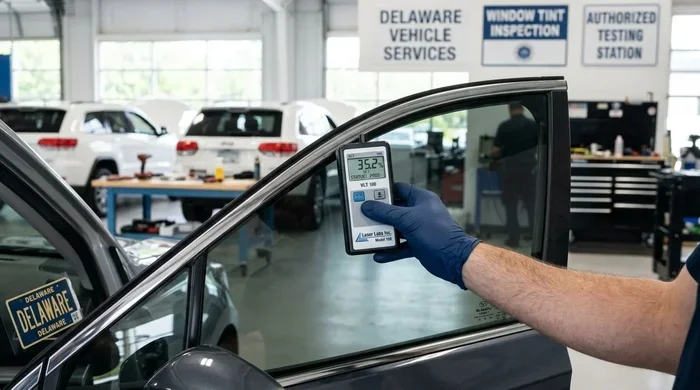
Law enforcement officers can pull you over for suspected illegal tint. They use tint meters to measure VLT on the spot. If your tint fails the test, you will receive a citation.
A tint ticket goes on your record. While it is usually a minor offense, it can still affect your driving record. In some cases, it may also affect your insurance rates. Staying compliant is the smart move.
Tips for Choosing the Right Tint for Your Vehicle
Now that you know the rules, let us talk about choosing the right aftermarket tint. There are many options available. Picking the right one means balancing style, comfort, and legality.
Consider Your Climate
Iowa gets hot summers and cold winters. In summer, a good tint blocks solar heat and keeps your car cooler. Look for films with high solar heat rejection ratings. These films reduce the workload on your air conditioning.
In winter, you still want a tint that does not interfere with visibility. Light-colored films work well year-round. They provide UV protection without going too dark.
Think About UV Protection
One of the best reasons to tint your windows is UV protection. Quality tint films block up to 99% of UV rays. This protects your skin and prevents your dashboard and seats from fading.
Ask your tint shop about UV-blocking capabilities. Most modern films offer excellent protection. This is a benefit you get whether you choose a light or dark tint.
Choose a Reputable Tint Shop
The quality of installation matters as much as the film itself. A poor installation leads to bubbles, peeling, and uneven tint. Look for shops with good reviews and experienced installers.
A professional shop will also know the Iowa tint law exemptions and requirements. They can help you pick a film that looks great and stays legal. Do not just go with the cheapest option. Quality installation saves you money in the long run.
Common Mistakes to Avoid
Here are some mistakes people make when tinting their windows in Iowa:
- Buying tint without checking VLT: Always verify the VLT rating before purchase.
- Tinting the full windshield: Only the top 6 inches are allowed.
- Ignoring reflectivity rules: Even if your tint is light enough, too much reflectivity is illegal.
- Forgetting the sticker requirement: Iowa requires a legal tint sticker on the driver’s side window.
- Skipping the medical exemption process: If you qualify, do not just install darker tint without a permit.
- Using DIY kits without research: Pre-cut kits can be tricky. They may not meet legal standards.
Avoiding these mistakes keeps you on the right side of the law. It also ensures your tint looks great and lasts longer.
Expert Insights on Iowa Window Tinting
We spoke with a few local tint professionals in Iowa. Here is what they had to say about staying compliant and getting the best results.
Mark D., a tint installer in Des Moines: “Most people come in wanting the darkest film possible. I always remind them about the 70% VLT rule on front windows. It is easy to find a film that looks great and stays legal.”
Sarah L., an auto detail specialist: “UV protection is what most customers care about after they learn about the legal limits. A quality 70% film blocks plenty of UV rays and still looks clean.”
Tom R., a former Iowa DOT inspector: “The most common violation we see is tint that is just slightly too dark on the front windows. People often do not realize that even a small difference matters. Always get your film measured before installation.”
These experts agree on one thing: knowledge is your best tool. Understanding Iowa Window Tint Law before you visit a shop puts you in control.
Key Takeaways
- Windshield tint is limited: Only the top 6 inches can be tinted, and it must be non-reflective.
- Front side windows need 70% VLT: Your front windows must let at least 70% of light through.
- Rear windows have more flexibility: Any darkness level is allowed on rear side and rear windshield windows.
- Reflectivity cannot exceed 35%: This rule applies to all windows.
- Medical exemptions are available: Get a doctor’s note and permit if you have a qualifying condition.
- Penalties include fines and failed inspections: Illegal tint costs money and time.
- Sticker requirements apply: Iowa requires a legal tint sticker on the driver’s side window.
Conclusion
Iowa Window Tint Law is clear and straightforward once you understand the basics. The state focuses on safety. It wants drivers to have good visibility while still allowing some tint for comfort and style. By following the VLT limits, reflectivity rules, and sticker requirements, you can enjoy tinted windows without any legal trouble.
Remember the key numbers. 70% VLT for front side windows. 6-inch limit on the windshield. 35% reflectivity maximum. And any darkness is fine on rear windows as long as you have dual mirrors.
If you have a medical condition, do not skip the exemption process. It is there to protect you. And if you are shopping for tint, choose a reputable shop that knows Iowa regulations inside and out.
Staying informed is the easiest way to stay compliant. Share this guide with friends who are thinking about tinting their windows. And next time you are in a tint shop, you will know exactly what to ask for. Drive safe, stay legal, and enjoy your ride.
Frequently Asked Questions
Can I tint my windshield in Iowa?
Yes, but only the top 6 inches of the windshield can be tinted. The tint on this strip must be non-reflective. Tinting below the AS-1 line on the windshield is not allowed under Iowa law.
What is the legal tint darkness for front windows in Iowa?
Front side windows must have a Visible Light Transmission of at least 70%. This means the tint can block no more than 30% of outside light. This is one of the strictest rules under Iowa Window Tint Law.
Are there medical exemptions for darker tint in Iowa?
Yes. If you have a medical condition that makes you sensitive to sunlight, you can apply for a medical exemption through the Iowa DOT. You will need a written statement from a licensed physician to qualify.
What happens if I get caught with illegal tint in Iowa?
You can be fined between $100 and $500 depending on the county. You may also be ordered to remove the illegal tint and could fail your vehicle inspection. Repeat violations may result in higher fines.
Do I need a sticker for legal window tint in Iowa?
Yes. Iowa requires a legal tint sticker to be placed on the driver’s side window. This sticker proves your tint meets state regulations. Make sure your tint shop provides this sticker during installation.
Can I use metallic or mirrored tint in Iowa?
No. Reflective tint that exceeds 35% reflectivity is not legal in Iowa. The state restricts all windows to 35% reflectivity or less. This includes metallic and mirrored finishes on any window.
=== CONCLUSION ===
Understanding Iowa Window Tint Law is essential before you tint any windows on your vehicle. The rules cover tint darkness, reflectivity, windshield limits, and medical exemptions. By following these guidelines, you protect yourself from fines and keep your vehicle road-ready.
Use the tint darkness chart as a quick reference. Talk to a reputable tint shop about your options. And if you qualify for a medical exemption, do not hesitate to apply. The process is simple and well worth the effort.
Now you have everything you need to make an informed decision about your vehicle’s window tint. Stay smart, stay legal, and enjoy the comfort and style that a quality tint provides.