How to Unclog a Catalytic Converter Without Replacing
A clogged catalytic converter can cause serious performance issues, but you don’t always need to replace it. This guide walks you through proven methods to unclog a catalytic converter using simple home remedies, professional cleaning techniques, and preventive maintenance tips. Whether you’re dealing with a check engine light or reduced fuel economy, you’ll find actionable steps to fix the problem yourself.
Key Takeaways
- Recognize the symptoms early: Reduced performance, check engine light, and dark exhaust smoke are clear signs of a clogged converter.
- Try home remedies first: Fuel additives and manual cleaning can often resolve minor blockages without professional help.
- Avoid costly replacements: A new catalytic converter can cost hundreds of dollars, but many clogs are fixable for under $50.
- Know when to seek help: Severe damage or physical breakage requires professional inspection and possibly replacement.
- Prevent future clogs: Regular maintenance, quality fuel, and prompt engine repairs keep your catalytic converter healthy.
- Clear error codes after cleaning: Use an OBD2 scanner or visit a mechanic to reset codes after unclogging.
📑 Table of Contents
- How to Unclog a Catalytic Converter Without Replacing It
- Signs Your Catalytic Converter Is Clogged
- How to Unclog a Catalytic Converter at Home
- When Professional Cleaning Makes Sense
- Can You Drive with a Clogged Catalytic Converter?
- Preventing Future Clogs
- Common Mistakes to Avoid When Unclogging a Catalytic Converter
- How Much Does It Cost to Unclog vs Replace a Catalytic Converter?
- Final Thoughts on Unclogging Your Catalytic Converter
How to Unclog a Catalytic Converter Without Replacing It
Your catalytic converter works hard every time you drive. It cleans up harmful exhaust gases before they leave your tailpipe. But over time, carbon buildup, oil contamination, and other debris can block it up. When that happens, your car loses power, burns more fuel, and may even fail an emissions test.
The good news? You often don’t need to spend hundreds of dollars on a new one. Unclogging a catalytic converter is possible with the right approach. Whether you’re a DIY beginner or a seasoned wrench-turner, this guide gives you everything you need to know. We’ll cover symptoms, causes, proven cleaning methods, and tips to keep your converter healthy for years to come.
So, can you fix this yourself? Absolutely. Many car owners have successfully restored their exhaust flow using simple techniques. Let’s dive in and save you some money.
Why Catalytic Converters Get Clogged
Understanding the cause helps you pick the right fix. Several common issues lead to a blocked converter. Here are the main culprits:
- Carbon buildup: Over thousands of miles, carbon deposits accumulate inside the converter. This restricts exhaust flow gradually.
- Oil consumption: Engine oil that burns or leaks into the exhaust system coats the internals and creates sludge.
- Coolant leaks: A blown head gasket or cracked engine part can let coolant enter the exhaust, causing white residue and blockages.
- Bad fuel: Low-quality or contaminated fuel leaves behind deposits that clog the converter over time.
- Engine misfires: Unburned fuel entering the converter can melt the internal honeycomb structure, causing a total blockage.
- Age and wear: Converters degrade naturally over time, especially past 100,000 miles.
Each cause requires a slightly different approach. But the cleaning methods we cover below work for most situations.
Signs Your Catalytic Converter Is Clogged
How do you know if your converter is blocked? Watch for these warning signs. Catching them early makes the fix much easier.
1. Reduced Engine Performance
Your car feels sluggish. It struggles to accelerate. You might notice a lack of power when climbing hills or merging onto highways. This happens because the blocked converter restricts exhaust flow, creating back pressure that chokes your engine.
2. Check Engine Light
A glowing check engine light is one of the most common indicators. Your car’s computer detects abnormal readings from oxygen sensors before and after the converter. When those readings fall out of range, the light comes on. You can use an OBD2 scanner to check the specific codes and confirm a converter issue.
3. Dark or Smelly Exhaust Smoke
Black, thick exhaust smoke is a red flag. You may also smell a rotten egg or sulfur odor. This happens when the converter can’t properly process exhaust gases. The sulfur compounds pass through unchanged, creating that unpleasant smell.
4. Poor Fuel Economy
Your car burns more gas than usual. A clogged converter forces the engine to work harder. You’ll fill up more often and notice a drop in miles per gallon. If you’ve been tracking your fuel consumption, this change is hard to miss.
5. Failed Emissions Test
If your state requires emissions testing, a clogged converter will likely cause you to fail. High levels of hydrocarbons and carbon monoxide in the exhaust indicate the converter isn’t doing its job properly.
How to Unclog a Catalytic Converter at Home
Now for the part you’ve been waiting for. Several home remedies can break up carbon deposits and restore exhaust flow. Try these methods in order from simplest to most involved.
Method 1: Fuel Additives and Cleaners
This is the easiest and least expensive approach. Fuel additives designed for catalytic converter cleaning dissolve carbon deposits gradually as you drive.
- Purchase a quality catalytic converter cleaner from an auto parts store. Brands like Cataclean and CRC are popular choices.
- Add the entire bottle to your fuel tank. Most work best with a nearly empty tank.
- Drive the car for 15 to 30 minutes at highway speed. This helps the cleaner circulate through the exhaust system.
- Let the car sit for a few hours. The additive continues working during this time.
- Check if symptoms improve. You may need to repeat the process once or twice for stubborn clogs.
Pro tip: Use a quality fuel from reputable stations. Bad fuel is one of the leading causes of converter clogs. Spending a few extra cents per gallon on premium fuel can save you hundreds on repairs.
Method 2: The Sea Foam Cleaning Technique
Sea Foam is a popular engine cleaner that works wonders on carbon buildup. Here’s how to use it for your catalytic converter:
- Remove the oxygen sensor located before the converter. This creates an opening for the cleaner to reach the converter directly.
- Spray Sea Foam into the opening while the engine is running at a slow idle.
- Let the engine run for 10 to 15 minutes. You’ll notice smoke and smell from the exhaust. This is normal and means the cleaner is working.
- Reinstall the oxygen sensor after the engine cools down.
- Drive the car for 20 minutes and monitor performance improvements.
Many car owners report significant improvement after just one treatment. This method works well for moderate clogs caused by carbon buildup.
Method 3: Manual Removal and Cleaning
For more severe clogs, you may need to physically remove the converter and clean it yourself. This method requires some mechanical skill but can save you a lot of money.
- Raise the car safely using a jack and jack stands. Always work on a level surface.
- Locate the catalytic converter along the exhaust system. It’s typically a large, cylindrical component between the engine and the muffler.
- Use a wrench to unbolt the converter from the exhaust pipes. Apply penetrating oil if the bolts are rusted or seized.
- Remove the converter and inspect it visually. Look for melted internal honeycomb or heavy carbon buildup on the walls.
- Use a high-pressure washer to blast out loose debris and carbon deposits. Work from both ends of the converter.
- For stubborn deposits, soak the converter in a bath of degreaser and hot water for several hours.
- Rinse thoroughly and let it dry completely before reinstalling.
- Reinstall the converter and all connections. Tighten bolts securely.
Warning: If the internal honeycomb structure is melted or physically damaged, cleaning won’t fix the problem. You’ll need a replacement in that case. But for carbon buildup and light blockages, this method works extremely well.
Method 4: The Driving Technique
Sometimes, a simple high-speed drive can clear minor clogs. This method uses heat and pressure to burn off light deposits.
- Find a safe, open road or highway.
- Drive at a steady speed of 55 to 65 mph for 20 to 30 minutes.
- Avoid braking unnecessarily. Let the engine maintain a consistent load.
- The increased exhaust temperature helps burn off carbon deposits inside the converter.
This method works best as a preventive measure or for very mild clogs. It’s not a substitute for deeper cleaning when the blockage is severe.
When Professional Cleaning Makes Sense
Not every clog responds to home methods. Sometimes, you need professional help. Here’s when to consider taking your car to a mechanic:
- The clog is severe: If home methods don’t improve performance after two attempts, the blockage is likely too deep for DIY cleaning.
- The converter is physically damaged: Cracks, dents, or a melted honeycomb structure require replacement, not cleaning.
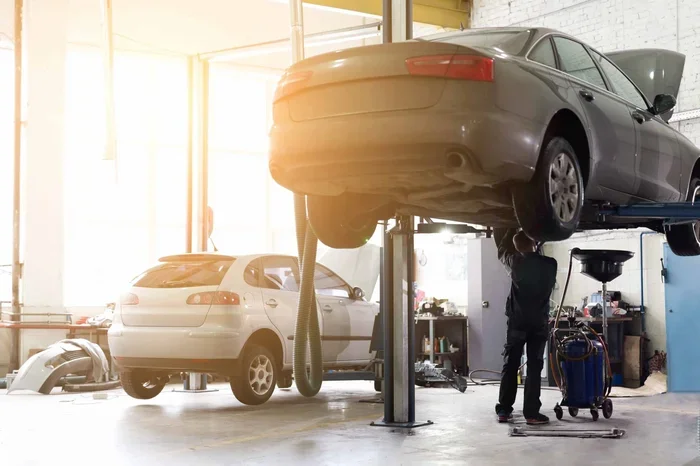
- You lack the tools or confidence: Removing and cleaning a converter requires jack stands, wrenches, and a pressure washer. If you’re not comfortable, a mechanic can handle it safely.
- Multiple exhaust components need attention: Sometimes a clogged converter is a symptom of other engine problems. A professional can diagnose and fix the root cause.
Professional catalytic converter cleaning typically costs between $100 and $300. Compare that to a replacement that can run $500 to $2,500 depending on your vehicle. Cleaning is almost always the smarter first step.
Also, keep in mind that if you’ve been driving with a severely clogged converter, the damage may have already spread to other parts of the exhaust system. A mechanic can assess the full picture and recommend the right course of action.
Can You Drive with a Clogged Catalytic Converter?
This is a question many car owners ask when they first notice symptoms. The short answer is yes, but with significant caveats. A mildly clogged converter might not cause immediate problems. You can drive short distances to a repair shop without major issues.
However, a severely clogged converter creates dangerous back pressure. This can cause your engine to overheat. It can also damage other expensive components like the oxygen sensors and exhaust manifold. In extreme cases, a completely blocked converter will stall your engine and leave you stranded.
If you must drive with a suspected clog, keep trips short and avoid heavy acceleration. Get it cleaned or replaced as soon as possible. And if you’re wondering whether your car can even run without a functioning converter, the answer is yes, but it’s not recommended for regular driving due to emissions and performance issues.
Preventing Future Clogs
Once you’ve unclogged your converter, you’ll want to keep it clean. Prevention is always cheaper than repair. Here are the best practices:
1. Use Quality Fuel
Cheap, low-quality fuel contains more contaminants. These deposits build up in your exhaust system over time. Stick with reputable gas stations and consider using top-tier fuel whenever possible.
2. Fix Engine Problems Promptly
Engine misfires, oil leaks, and coolant issues all contribute to converter damage. Address these problems immediately. A small repair now prevents a costly converter replacement later.
3. Perform Regular Maintenance
Change your oil on schedule. Replace air filters when dirty. Keep your engine tuned up. A well-maintained engine produces fewer contaminants that can clog your converter.
4. Take Longer Drives
Short trips don’t allow your catalytic converter to reach optimal operating temperature. Over time, this leads to moisture and deposit buildup. Occasionally take longer drives to let the converter fully heat up and burn off deposits naturally.
5. Use Fuel Additives Periodically
Even when your converter seems fine, occasional use of a cleaning additive can prevent buildup. Use one every 10,000 to 15,000 miles as a preventive measure.
Common Mistakes to Avoid When Unclogging a Catalytic Converter
Even well-meaning DIYers can make mistakes that worsen the problem. Here’s what to watch out for:
- Using the wrong cleaner: Not all fuel additives are created equal. Some are designed for fuel injectors, not catalytic converters. Read labels carefully and choose products specifically formulated for converter cleaning.
- Ignoring the root cause: Cleaning the converter without fixing the underlying engine problem is like mopping a floor with a running faucet. The clog will return quickly. Always diagnose and fix the cause first.
- Driving recklessly after cleaning: After you’ve invested time and effort into cleaning your converter, don’t undo it with poor driving habits. Avoid excessive idling, heavy acceleration, and low-quality fuel.
- Skipping error code resets: After cleaning, your car’s computer may still store old codes. Use an OBD2 scanner to clear them, or visit a mechanic to do it for you.
- Assuming cleaning always works: Some clogs are too far gone for cleaning. If you’ve tried multiple methods without improvement, accept that replacement may be necessary. Don’t waste money repeatedly on cleaning that won’t work.
Expert insight: Many mechanics recommend trying a fuel additive first before attempting any physical cleaning. It’s the least invasive method and works surprisingly well for early-stage clogs. If that doesn’t help, you can move up to more aggressive methods with confidence.
How Much Does It Cost to Unclog vs Replace a Catalytic Converter?
Cost is always a major factor when dealing with car repairs. Here’s a realistic comparison:
| Method | Cost Range | Effectiveness | Difficulty |
|---|---|---|---|
| Fuel Additive Cleaner | $10 – $30 | Mild to moderate clogs | Very Easy |
| Sea Foam / Manual Spray | $15 – $40 | Moderate clogs | Moderate |
| Professional Cleaning | $100 – $300 | Moderate to severe clogs | Easy (shop does it) |
| DIY Manual Removal & Cleaning | $20 – $50 | Moderate to severe clogs | Advanced |
| Full Replacement | $500 – $2,500 | Severe damage only | Professional Required |
As you can see, cleaning is far more affordable than replacement. In most cases, a clogged catalytic converter can be resolved without spending anywhere near the cost of a new one. The key is catching the problem early and taking action before the damage becomes permanent.
Also worth noting: if you’re dealing with a vehicle where the converter is hard to access or you’re unsure about the diagnosis, start with a professional inspection. Many shops will diagnose the issue for a small fee. This gives you a clear picture of what you’re dealing with before committing to any repair.
Final Thoughts on Unclogging Your Catalytic Converter
A clogged catalytic converter doesn’t have to mean a huge repair bill. With the right knowledge and a little patience, you can often fix the problem yourself. Start with simple fuel additives and work your way up to more involved methods if needed.
Remember to address the root cause of the clog. Whether it’s bad fuel, an engine misfire, or an oil leak, fixing that problem ensures your converter stays clean longer. And regular preventive maintenance keeps your entire exhaust system running smoothly.
Most importantly, don’t ignore the warning signs. A check engine light, sluggish performance, or dark exhaust smoke are your car’s way of telling you something’s wrong. The sooner you address it, the easier and cheaper the fix will be.
Unclogging a catalytic converter is one of those repairs that saves you real money and teaches you valuable skills about your vehicle. Give these methods a try, and you’ll likely be back on the road with a properly functioning exhaust system in no time.
And if you ever need to know whether your car can safely operate without a converter, check out our guide on driving without a catalytic converter for more details on what to expect and the legal implications.
Frequently Asked Questions
Can I drive my car if the catalytic converter is clogged?
You can drive short distances with a mildly clogged converter, but it’s not recommended for long trips. A severely clogged converter can cause engine overheating, stalling, and further damage to your exhaust system. Have it cleaned or repaired as soon as possible to avoid costly repairs down the road.
How much does it cost to clean a catalytic converter?
DIY methods cost between $10 and $50 using fuel additives or cleaning sprays. Professional cleaning runs $100 to $300. Compare that to a full replacement that can cost $500 to $2,500. Cleaning is almost always the more affordable option for clogs that haven’t caused permanent physical damage.
Will a clogged catalytic converter clear itself?
Mild clogs caused by light carbon buildup can sometimes clear themselves through sustained highway driving. The high exhaust temperatures help burn off deposits. However, most clogs require active cleaning. Don’t wait too long hoping it will resolve on its own, as the blockage can worsen over time.
What happens if you don’t fix a clogged catalytic converter?
Ignoring a clogged converter leads to reduced engine performance, poor fuel economy, and failed emissions tests. In severe cases, the excess back pressure can damage your engine, exhaust manifold, and oxygen sensors. What starts as a $50 cleaning job can turn into a $2,000+ replacement if you delay too long.
Can you clean a catalytic converter without removing it?
Yes, you can. Fuel additives and direct spray cleaning methods like Sea Foam allow you to clean the converter while it’s still installed. These methods work well for moderate carbon buildup. For severe clogs, physical removal and manual cleaning or professional ultrasonic cleaning may be necessary.
How long does a catalytic converter cleaning last?
A successful cleaning can last for the remaining lifespan of the converter, which is typically 100,000 miles or more. The key to long-lasting results is addressing the root cause of the clog and following preventive maintenance practices. Using quality fuel and periodic cleaning additives helps keep your converter flowing freely for years.