How to Charge a BMW Battery Easy Steps You Should Follow
Knowing how to charge a BMW battery can save you time and money. This guide walks you through every step from identifying the problem to a full charge. You’ll learn the right tools, safety tips, and when to call a professional.
Your BMW is a machine built for performance and precision. But even the best engineered vehicles rely on a healthy battery to get going every morning. If you have ever turned the key and heard nothing but silence, you know how frustrating a dead BMW battery can be.
Learning how to charge a BMW battery is one of the simplest skills every BMW owner should have. It saves you money, keeps you moving, and helps you avoid unnecessary trips to the shop. Whether your battery is simply drained or showing signs of age, this guide covers everything you need to know.
We will walk you through the entire process step by step. You will learn what tools you need, how to connect everything safely, and what mistakes to avoid. By the end, you will feel confident handling your BMW battery on your own.
Key Takeaways
- Safety first: Always work in a ventilated area and wear protective gear before charging your BMW battery.
- Use the right charger: A smart BMW battery charger with temperature compensation prevents overcharging and damage.
- Know the signs: Slow cranking, dashboard warnings, and electrical issues signal a battery that needs attention.
- Follow the steps: Proper connection order and charging mode selection are critical for a successful charge.
- Maintenance matters: Regular BMW battery care extends lifespan and prevents unexpected failures.
- Replace when needed: A charging session won’t fix a dead or damaged battery that has exceeded its lifespan.
📑 Table of Contents
Understanding Your BMW Battery
Before you start charging, it helps to understand what you are working with. BMW batteries are not the same as the generic batteries you find at every auto parts store. They are designed for the specific electrical demands of modern BMW vehicles.
Types of BMW Batteries
Most modern BMWs use either an AGM (Absorbent Glass Mat) battery or an EFB (Enhanced Flooded Battery). Both are valve-regulated lead-acid batteries, but they handle charge cycles differently.
- AGM batteries are the most common in BMWs from 2007 onward. They handle deep discharges better and have a longer lifespan.
- EFB batteries are often found in entry-level BMW models with basic start-stop systems.
- Lithium-ion batteries appear in some newer BMW models and plug-in hybrids.
Knowing which type you have matters because each requires a different charging approach. Check your owner’s manual or look at the battery label for this information.
Where Is the BMW Battery Located?
BMW battery placement varies by model. In many BMWs, the battery sits in the trunk on the right side. Some models, especially diesels, place the battery under the hood on the left side. Check your owner’s manual if you are not sure.
Locating the battery before you start is important. You do not want to be searching around while your tools are already out.
Signs Your BMW Battery Needs Charging
BMW batteries rarely die without warning. Your car gives you clues long before it refuses to start. Recognizing these signs early can prevent a lot of hassle.
Dashboard Warning Lights
The most obvious sign is the battery warning light on your dashboard. It looks like a small rectangle with plus and minus symbols. If this light comes on while driving, your BMW battery is not holding a proper charge.
Some BMWs also display a check charging system message on the instrument cluster. Do not ignore these warnings. They mean the charging system is not working correctly.
Slow or Weak Cranking
When you turn the key, does the engine crank slowly? A healthy BMW battery should start the engine quickly and confidently. If the cranking sounds sluggish or labored, the battery may be low on charge.
This is especially noticeable in cold weather. Low temperatures already strain the battery, so slow cranking in winter is a clear red flag.
Electrical Issues
BMW batteries power more than just the starter. They supply electricity to your lights, infotainment system, and power accessories. If you notice dim headlights, flickering dashboard lights, or a sluggish iDrive response, the battery could be the culprit.
Tools and Equipment You Will Need
Charging a BMW battery properly requires the right equipment. Using the wrong tools can damage your battery or even cause safety issues. Here is what you need.
BMW Battery Charger
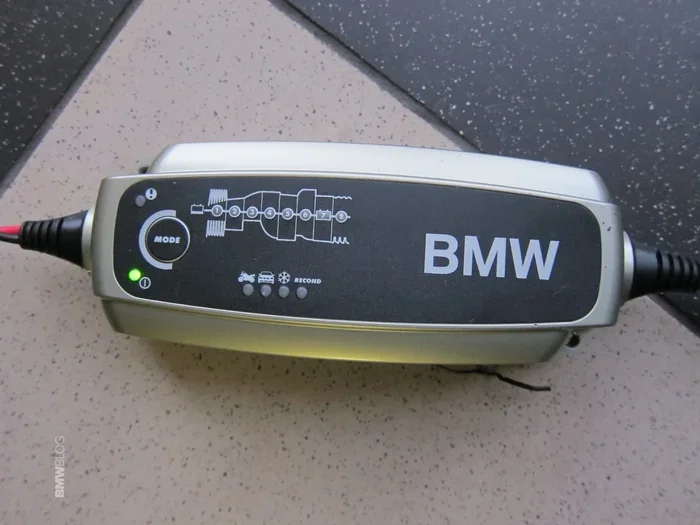
A smart charger is the best choice for BMW batteries. These chargers automatically adjust the charging rate based on battery condition. They also prevent overcharging, which can shorten battery life.
Look for a charger that supports AGM and EFB battery types. Some chargers have a dedicated BMW mode that follows the proper charging profile. Popular options include the CTEK MXS 5.0 and the NOCO Genius5.
Safety Equipment
Safety should never be an afterthought. Before you begin, make sure you have:
- Safety glasses to protect your eyes from any acid splashes
- Rubber gloves to keep your hands protected
- A clean cloth to wipe away any corrosion on the terminals
Other Helpful Items
Having a few extra items on hand makes the process smoother:
- A wire brush or terminal cleaner for removing corrosion
- Battery terminal grease to protect connections after charging
- A multimeter to check battery voltage before and after charging
With the right tools ready, you are set to move to the next step.
Step-by-Step Guide to Charging a BMW Battery
Now let us get into the actual process. Follow these steps carefully and in order for the best results.
Step 1: Park the Vehicle Safely
Find a flat, well-ventilated area to work in. If your BMW is in the garage, open the door wide. Charging batteries can produce small amounts of hydrogen gas, so ventilation is essential.
Turn the engine off and remove the key from the ignition. Engage the parking brake for extra safety.
Step 2: Locate the Battery
Open the hood or trunk and find the battery. If your BMW has a battery cover, remove it carefully. Set the cover aside in a safe place.
Take a moment to inspect the battery visually. Look for cracks, leaks, or bulging. If you see any of these, do not attempt to charge the battery. Instead, you need a BMW battery replacement.
Step 3: Clean the Battery Terminals
Corrosion on the terminals can interfere with the charging process. Use a wire brush or terminal cleaner to scrub away any white or greenish buildup.
After cleaning, wipe the terminals with a dry cloth. This ensures a solid connection between the charger clamps and the battery posts.
Step 4: Set the Charger to the Correct Mode
Before connecting the charger, set it to the right battery type. If your BMW uses an AGM battery, select the AGM mode on your charger. For EFB batteries, choose the EFB or standard lead-acid setting.
Using the wrong mode can lead to overcharging or undercharging. Take this step seriously because it directly affects battery health.
Step 5: Connect the Charger
Always connect the charger in the correct order. This prevents sparks and potential damage.
- Attach the positive clamp (red) to the positive battery terminal first
- Attach the negative clamp (black) to the negative battery terminal or a grounded metal surface away from the battery
Make sure the clamps are firmly attached. Loose connections can cause arcing and inconsistent charging.
Step 6: Start the Charging Process
Plug in the charger and turn it on. Most smart chargers will automatically detect the battery condition and begin charging at the appropriate rate.
A full charge typically takes between four and eight hours depending on the battery’s state of discharge. Some chargers have a maintenance or trickle mode that you can leave connected overnight.
Do not leave the charger unattended for extended periods unless it is specifically designed for long-term charging. Check the charger’s indicator lights periodically.
Step 7: Disconnect the Charger
Once the charging cycle is complete, turn off the charger first. Then disconnect the clamps in reverse order:
- Remove the negative clamp (black) first
- Remove the positive clamp (red) second
This order prevents sparks near the battery. After disconnecting, apply a thin layer of terminal grease to protect the connections from future corrosion.
Step 8: Test the Battery
Use a multimeter to check the battery voltage. A fully charged BMW battery should read between 12.6 and 12.8 volts. If the voltage is below 12.4 volts, the battery may need another charging cycle or could be failing.
Try starting the BMW. If the engine turns over quickly and smoothly, your charging session was successful.
Common Mistakes to Avoid When Charging a BMW Battery
Even with the best intentions, people make mistakes when charging car batteries. Here are the most common ones and how to avoid them.
Using the Wrong Charger
Not all battery chargers are created equal. Using a basic charger without temperature compensation or AGM support can damage your BMW battery. Always use a charger designed for modern vehicles with advanced battery types.
If you are unsure about your charger’s compatibility, consult the charger manual or your BMW dealer.
Connecting Clamps in the Wrong Order
Connecting the negative clamp first is one of the most common mistakes. This can create sparks near the battery, which is dangerous if there are any hydrogen gas fumes present.
Always remember: positive first, negative last. When disconnecting, reverse the order.
Overcharging the Battery
Overcharging causes excessive heat and can warp the battery plates. Modern smart chargers prevent this, but older or cheaper chargers may not have this protection.
If you are using an older charger, set a timer and check the battery every hour. Do not walk away and forget about it.
Ignoring Battery Health
Charging a battery that is physically damaged or has reached the end of its life is a waste of time. If your battery is more than five years old and struggles to hold a charge, it may be time for a replacement.
You can have your battery tested at most auto parts stores or BMW dealerships. A professional test takes only a few minutes and gives you clear results.
BMW Battery Maintenance Tips
Keeping your BMW battery in good shape does not require a lot of effort. A few simple habits can add years to your battery’s life.
Drive Your BMW Regularly
BMW batteries charge while you drive. If your car sits unused for long periods, the battery slowly loses its charge. Try to drive your BMW at least once a week for 20 to 30 minutes.
If you only take short trips around town, the battery may not fully recharge. Consider taking a longer drive on weekends to keep the battery healthy.
Keep the Battery Clean
Dirt and moisture on the battery surface can cause discharge and corrosion. Wipe the battery down periodically with a clean, dry cloth.
If you notice corrosion building up, clean it right away before it causes connection problems.
Monitor Battery Voltage
A simple multimeter is a great tool to have in your garage. Check your BMW battery voltage every few months. A reading below 12.4 volts while the car is off means the battery needs attention.
Catching a weak battery early gives you time to charge it or replace it before you are stranded.
Avoid Leaving Electronics On
It is easy to forget that the headlights or interior lights are still on. Modern BMWs sometimes have systems that automatically shut off lights, but older models do not.
Make it a habit to check that all accessories are off before you turn off the engine. This small habit goes a long way in preserving battery life.
When to Replace Your BMW Battery Instead of Charging
Charging works great for batteries that are simply drained. But sometimes, the battery is too far gone and needs to be replaced.
You should consider a new battery if:
- The battery is more than four to five years old
- The battery struggles to start the engine even after a full charge
- The voltage drops below 12.0 volts shortly after charging
- The battery case is cracked, swollen, or leaking
- You need to jump start BMW frequently
When replacing a BMW battery, remember that some models require battery registration with the vehicle’s computer system. This step ensures the charging system adjusts to the new battery. If you are unsure about this process, visit a qualified BMW technician.
Also, if your BMW has a BMW battery maintenance mode, make sure it is properly reset after installation. This prevents unnecessary battery drain when the car is parked.
For those who prefer professional help, many BMW dealerships and independent shops offer battery testing and replacement services. It is a quick process that usually takes less than an hour.
Conclusion
Knowing how to charge a BMW battery is a valuable skill that every BMW owner should have. It keeps you on the road, saves you money, and gives you confidence when electrical issues arise. With the right charger, the correct procedure, and a little patience, you can bring your BMW battery back to full health.
Remember to always prioritize safety. Use the proper equipment, follow the connection order, and never ignore warning signs. If your battery keeps dying or shows signs of physical damage, do not hesitate to replace it.
Regular maintenance and smart charging habits will extend your BMW battery life for years to come. Your BMW deserves the best care, and a well-maintained battery is a big part of that.
Stay proactive, keep your tools handy, and do not let a dead battery ruin your day. With the knowledge from this guide, you are fully prepared to handle any BMW battery charging situation that comes your way.
Frequently Asked Questions
How long does it take to charge a BMW battery?
It typically takes between four and eight hours to fully charge a BMW battery, depending on the charger amperage and the battery’s state of discharge. A smart charger with a lower amperage setting will charge more slowly but is gentler on the battery.
Can I charge my BMW battery while it is still connected to the car?
Yes, you can charge a BMW battery while it remains connected. Just make sure the charger is set to the correct mode and you follow the proper connection order. Always connect the positive clamp first and the negative clamp last.
What voltage should a fully charged BMW battery read?
A fully charged BMW battery should read between 12.6 and 12.8 volts on a multimeter. If the voltage is below 12.4 volts, the battery needs more charging time or may be failing.
How do I know if my BMW battery is AGM or EFB?
Check the battery label on the top of the battery case. It will clearly state the battery type. You can also refer to your BMW owner’s manual for the correct battery specification for your model.
Can a completely dead BMW battery be recharged?
In most cases, yes. A completely dead battery can be recharged with a smart charger. However, if the battery has been dead for a long time or is physically damaged, it may not hold a charge and will need replacement.
Do I need to reset anything after charging my BMW battery?
In most cases, simply charging the battery does not require a reset. However, if you disconnected the battery during charging, some BMW systems may need a reset or relearning process. Check your owner’s manual for model-specific instructions.