How Do You Turn Off Check Engine Light on 2007 Toyota Yaris
The check engine light on a 2007 Toyota Yaris can be turned off using an OBD-II scanner, by fixing the root cause, or by disconnecting the battery. Common triggers include a loose gas cap, faulty oxygen sensor, or worn spark plugs. Always diagnose the real issue first before attempting to reset the light, or the warning will return quickly.
Key Takeaways
- Use an OBD-II Scanner: A diagnostic tool is the fastest and most accurate way to read and clear trouble codes on a 2007 Toyota Yaris.
- Fix the Root Cause First: Simply resetting the light without repairing the problem will cause it to come back on within days or even hours.
- Check the Gas Cap: A loose or damaged fuel cap is the most common and easiest fix for the check engine light on any Toyota vehicle.
- Drive Cycle Matters: After clearing codes, completing a proper drive cycle ensures the system rechecks all components before the light stays off.
- Know When to Seek Help: Flashing lights, rough idling, or power loss mean you should visit a mechanic immediately rather than trying DIY fixes.
- Maintenance Light Is Different: The check engine light and the maintenance required light are separate warnings on the 2007 Toyota Yaris.
📑 Table of Contents
- How Do You Turn Off Check Engine Light on 2007 Toyota Yaris
- What Triggers the Check Engine Light on a 2007 Toyota Yaris
- How to Read the Diagnostic Trouble Codes
- Methods to Turn Off the Check Engine Light
- Common Mistakes People Make When Dealing With the Check Engine Light
- When to Visit a Mechanic Instead of DIY
- Preventing the Check Engine Light from Coming Back
- Is It Safe to Drive With the Check Engine Light On?
- Understanding the Difference Between Warning Lights on Your 2007 Toyota Yaris
- Final Thoughts on Resetting the Check Engine Light
How Do You Turn Off Check Engine Light on 2007 Toyota Yaris
Seeing that yellow engine warning on your dashboard can feel stressful. You are driving your 2007 Toyota Yaris, and suddenly there it is. The check engine light is glowing. Your mind starts racing. Is this serious? Can you still drive? What did you do wrong?
Here is the good news. In most cases, the check engine light on a 2007 Toyota Yaris is triggered by something simple and inexpensive to fix. A loose gas cap, a worn spark plug, or a faulty sensor can all set off this warning. The key is to stay calm, diagnose the real issue, and then take the right steps to turn it off.
This guide walks you through every method you can use to reset the check engine light on your 2007 Toyota Yaris. We also cover the most common causes, what tools you need, and when it is smart to visit a mechanic instead of going the DIY route. By the end, you will feel confident handling this situation yourself.
The 2007 Toyota Yaris is a reliable little car. It has served millions of drivers well over the years. But like any vehicle, it has its quirks. The engine warning system is designed to alert you when something in the emission control system or engine management needs attention. Understanding how this system works makes it much easier to address the problem and get that annoying light to go dark.
What Triggers the Check Engine Light on a 2007 Toyota Yaris
Before you try to turn off the light, you need to understand why it came on in the first place. The 2007 Toyota Yaris uses an On-Board Diagnostics II (OBD-II) system. This system monitors dozens of sensors and components in real time. When it detects something outside normal parameters, it stores a diagnostic trouble code (DTC) and illuminates the check engine light.
Not all triggers are equal. Some are minor and easy to fix. Others signal problems that need immediate attention. Let us break down the most common culprits.
Loose or Faulty Gas Cap
This is the number one reason the check engine light comes on in any vehicle, including the 2007 Toyota Yaris. The fuel cap seals the fuel system and maintains proper pressure. If it is loose, cracked, or missing, fuel vapors escape. The OBD-II system detects this leak and triggers the warning.
Here is what to do. Pull over safely. Check the gas cap. Twist it until you hear it click. If the cap is damaged, replace it. A new fuel cap costs under five dollars and takes two seconds to install. In many cases, the light will turn off after a few drive cycles once the system confirms the seal is intact.
Faulty Oxygen Sensor
The oxygen sensor measures how much unburned oxygen is in your exhaust. This data helps the engine control unit adjust the fuel mixture. Over time, these sensors can degrade or fail. A bad oxygen sensor is one of the most common reasons the check engine light stays on in older Toyotas.
Replacing an oxygen sensor on a 2007 Toyota Yaris typically costs between 50 and 150 dollars for parts and labor. It is a straightforward repair that any competent DIYer can handle with basic tools.
Worn Spark Plugs or Ignition Coils
Spark plugs ignite the air-fuel mixture in your engine cylinders. When they wear out, you may experience engine misfires. A misfire sends unburned fuel into the exhaust system, which can damage the catalytic converter over time. The OBD-II system catches this and sets a code that triggers the check engine light.
The 2007 Toyota Yaris uses four spark plugs. Replacing all of them at once is a best practice. Spark plugs are inexpensive, and the job takes about 30 minutes with a ratchet and spark plug socket.
Mass Airflow Sensor Issues
The mass airflow sensor (MAF) tells the engine computer how much air is entering the engine. If it is dirty or failing, the fuel mixture becomes incorrect. Symptoms include rough idling, poor acceleration, and reduced fuel economy. Cleaning the MAF sensor with a specialized spray cleaner often resolves the issue without needing a replacement part.
Catalytic Converter Problems
The catalytic converter reduces harmful emissions. When it fails, the check engine light comes on. Catalytic converter issues are more serious and expensive. Replacement can cost several hundred dollars. However, a failing catalytic converter often produces other noticeable symptoms like a rotten egg smell, reduced engine power, or rattling noises underneath the car.
How to Read the Diagnostic Trouble Codes
You cannot properly address the check engine light without knowing what triggered it. The 2007 Toyota Yaris stores specific codes that point to the exact problem. Reading these codes is the essential first step.
Using an OBD-II Scanner
An OBD-II scanner is the best tool for this job. You can buy a basic scanner for 20 to 40 dollars at any auto parts store or online. Some scanners plug directly into your phone via Bluetooth, which makes them even more convenient.
Here is how to use one. Locate the OBD-II port on your 2007 Toyota Yaris. It is under the dashboard on the driver side, near the steering column. Plug the scanner in. Turn the ignition to the on position (do not start the engine). Follow the on-screen prompts to read the stored codes. Write them down or take a photo.
Common codes you might see include P0440 for an evaporative emission control system malfunction and P0300 for a random engine misfire. Each code gives you a starting point for diagnosis.
Free Code Reading at Auto Parts Stores
Many auto parts chains like AutoZone and O’Reilly offer free code reading. You can drive in, have them plug in a scanner, and get your codes printed out for free. This is a great option if you do not own a scanner. Once you have the codes, you can research what they mean and decide on the next steps.
Methods to Turn Off the Check Engine Light
Once you know what caused the light, you can take action. There are several ways to reset the check engine light on a 2007 Toyota Yaris. Some are quick fixes. Others require more effort. Let us go through each method step by step.
Method 1: Fix the Underlying Problem and Drive It Out
This is the best and most reliable method. If a loose gas cap triggered the light, tighten it. If a spark plug is worn, replace it. Once the root cause is fixed, the light will turn off on its own after a few drive cycles. A drive cycle typically means driving the car for 50 to 100 miles under varying conditions.
The 2007 Toyota Yaris engine control module continuously monitors the systems. After it confirms the problem is resolved through multiple drive cycles, it clears the code and turns off the light automatically. This method is foolproof because it addresses the actual issue rather than just hiding the symptom.
Method 2: Use an OBD-II Scanner to Clear Codes
If you have an OBD-II scanner, you can manually clear the trouble codes. Plug the scanner in, navigate to the clear codes function, and confirm. The check engine light will turn off immediately.
However, there is an important caveat. If the underlying problem has not been fixed, the light will come back on. The system will detect the same issue during the next drive cycle and set the code again. This is why fixing the root cause first is so important.
Using a scanner also lets you verify that the codes have been successfully cleared. After clearing, monitor the light over the next several days of driving. If it stays off, your repair worked. If it returns, there is still an unresolved issue.
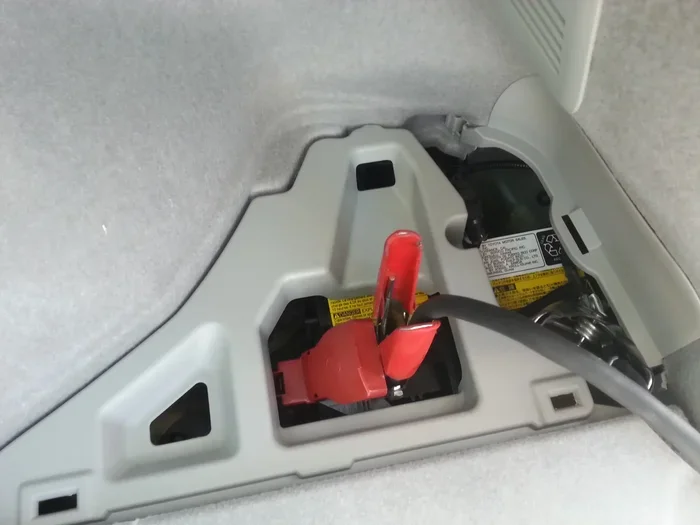
Method 3: Disconnect the Car Battery
Disconnecting the battery resets the engine control module and clears stored codes. This method works but comes with some trade-offs.
Here is how to do it. Turn off the engine and remove the key. Locate the negative battery terminal (it has a minus sign). Use a wrench to loosen the cable clamp and remove it from the terminal. Wait at least 15 minutes. Reconnect the cable and tighten it. Turn the ignition on and check if the light is off.
Be aware that disconnecting the battery also resets your radio presets, clock, and possibly other electronic settings. On some vehicles, it may also require a relearn procedure for the idle air control system. This is a quick fix but not always the best long-term solution.
Method 4: Use a Toggle Switch or Resistor Trick
Some experienced DIYers use a toggle switch or a resistor wired into the check engine light circuit to manually control it. This method is more advanced and not recommended for beginners. It essentially bypasses the factory wiring to control the light directly.
We do not recommend this approach for most owners. It does not fix the underlying problem and can mask serious issues. If you are not comfortable with electrical wiring, stick with the methods described above.
Common Mistakes People Make When Dealing With the Check Engine Light
Avoiding common mistakes saves you time, money, and frustration. Here are the errors that many car owners make when the check engine light appears on their 2007 Toyota Yaris.
- Ignoring the light entirely: Some drivers see the check engine light and simply ignore it. This is a mistake. Even if the car seems to run fine, the underlying issue could worsen over time and lead to expensive repairs.
- Replacing parts without reading codes: Throwing parts at a problem without proper diagnosis wastes money. A flashing check engine light and a steady light indicate different issues. Always read the codes first.
- Clearing codes without fixing the problem: This is the most common mistake. The light will return, often with more codes added. You end up chasing the same problem in circles.
- Assuming it is just the gas cap: While a loose gas cap is a common trigger, it is not always the cause. Have the codes properly read to rule out more serious issues.
- Delaying repairs: Some problems start small and become big problems fast. A minor sensor issue can cascade into catalytic converter damage if left unaddressed.
When to Visit a Mechanic Instead of DIY
Not every check engine light situation is a DIY project. Knowing when to seek professional help protects both your safety and your wallet.
You should visit a mechanic if the check engine light is flashing rather than staying solid. A flashing light typically indicates a severe engine misfire that can damage the catalytic converter quickly. Pull over safely and have the vehicle towed if needed.
Also seek professional help if you notice other symptoms alongside the light. These include rough idling, stalling, loss of power, unusual noises, smoke from the exhaust, or the temperature gauge reading high. These signs suggest a serious mechanical problem that needs immediate attention.
For the 2007 Toyota Yaris, a trusted mechanic or Toyota dealership can hook up a professional-grade diagnostic tool. These scanners provide more detailed information than consumer-grade tools. They can also perform manufacturer-specific tests that standard scanners cannot access.
If you are unsure about any step in the process, it is always better to consult a professional. Many local shops offer free diagnostic scans and can give you an honest assessment of what needs to be done. This saves you from buying unnecessary parts or making repairs that do not address the real problem.
Preventing the Check Engine Light from Coming Back
Once you have successfully turned off the check engine light, you want to keep it off. Regular maintenance is the best prevention strategy for the 2007 Toyota Yaris.
- Check the gas cap regularly: Make sure it is tight and in good condition. Replace it if you notice cracks or damage to the seal.
- Follow the maintenance schedule: Stick to the recommended service intervals for spark plugs, air filters, and fluid changes.
- Use quality fuel: Fill up at reputable stations. Low-quality fuel can cause sensor issues and performance problems.
- Address small issues quickly: Do not ignore minor symptoms like occasional rough idling or slight power loss. These early warning signs can point to problems that are easy to fix now but expensive later.
- Monitor your dashboard: Pay attention to all warning lights, not just the check engine light. The maintenance required light and other indicators work together to keep you informed about your vehicle’s health.
Taking care of your 2007 Toyota Yaris with regular attention goes a long way. Preventive maintenance keeps the engine running smoothly and the warning lights off. It also preserves the resale value of your car, which matters if you ever plan to sell or trade it in.
Is It Safe to Drive With the Check Engine Light On?
This is one of the most common questions drivers ask. The answer depends on the severity of the issue. If the light is solid and the car runs normally, it is generally safe to drive short distances. You should get the car diagnosed as soon as possible.
However, if you notice any changes in how the car drives, it is best to stop driving and seek help. If the light is flashing, do not drive the vehicle at all. A flashing check engine light indicates an active misfire that can cause catalytic converter damage within minutes.
For the 2007 Toyota Yaris specifically, the car is known for being durable and forgiving. Many owners drive for weeks with a steady check engine light while they schedule repairs. That said, this is not recommended practice. The longer you drive with an unresolved issue, the more potential damage you risk.
Some owners wonder whether they can simply ignore the light and continue driving indefinitely. While the car may seem fine on the surface, unaddressed problems can lead to reduced fuel economy, increased emissions, and eventually costly repairs. The small investment of time and money in diagnosing the issue early almost always pays off.
Understanding the Difference Between Warning Lights on Your 2007 Toyota Yaris
The 2007 Toyota Yaris dashboard has several warning lights that serve different purposes. Understanding the differences helps you respond appropriately to each one.
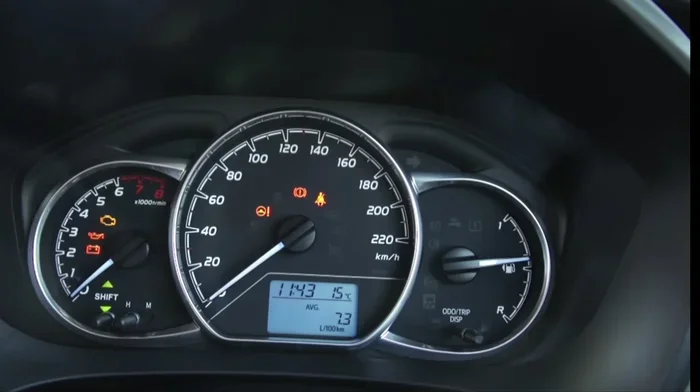
The check engine light is yellow or orange and shaped like an engine. It indicates a problem detected by the OBD-II system, often related to emissions or engine performance. The maintenance required light is typically a wrench icon and reminds you that scheduled maintenance is due. These two lights are not the same.
If your maintenance light is on but the check engine light is off, the issue is likely just routine service. You can often reset the maintenance light by following the procedure in your owner manual. The check engine light requires diagnosis of a specific fault code. If you are unsure which light you are seeing, consult the owner manual or a repair guide specific to the 2007 Toyota Yaris.
Other lights to watch for include the oil pressure warning, battery light, temperature gauge warning, and brake system alert. Each one signals a different type of problem and requires a different response. Familiarizing yourself with all the dashboard indicators on your Yaris helps you stay ahead of potential issues.
Final Thoughts on Resetting the Check Engine Light
Dealing with the check engine light on your 2007 Toyota Yaris does not have to be overwhelming. Start by reading the diagnostic codes with an OBD-II scanner. Identify the root cause. Fix the problem. Then reset the light using one of the methods described in this guide. Whether you use a scanner, disconnect the battery, or simply drive the car until the system clears the codes, the key is to address the actual issue first.
Most causes of the check engine light on a 2007 Toyota Yaris are simple and affordable to repair. A tight gas cap, new spark plugs, or a clean mass airflow sensor can resolve the problem quickly. For more complex issues, a qualified mechanic can help you get to the bottom of it without wasting time or money on guesswork.
Remember that the check engine light exists to protect your engine and your wallet. It catches problems early before they become expensive disasters. Treat it as a helpful reminder, not an enemy. With the right knowledge and tools, you can handle the check engine light on your 2007 Toyota Yaris with confidence and keep your car running strong for years to come.
If you ever find yourself unsure about what to do, do not hesitate to reach out to a trusted mechanic or visit a local auto parts store for a free code reading. Taking action quickly is always better than waiting and hoping the problem goes away on its own.
Frequently Asked Questions
Can I drive my 2007 Toyota Yaris with the check engine light on?
Yes, you can drive short distances if the light is solid and the car runs normally. However, if the light is flashing or you notice rough idling, stalling, or power loss, stop driving immediately and have the vehicle inspected. A flashing light indicates a serious problem that can cause further damage if you keep driving.
How much does it cost to diagnose a check engine light on a Toyota Yaris?
Many auto parts stores offer free diagnostic code reading. If you visit a mechanic, a diagnostic scan typically costs between 50 and 100 dollars. The actual repair cost depends entirely on what triggered the light, which can range from a few dollars for a gas cap to several hundred dollars for sensor or converter replacement.
Will the check engine light turn off by itself after fixing the problem?
Yes, in most cases. After you repair the issue, the 2007 Toyota Yaris engine control module needs to complete a few drive cycles to confirm the problem is resolved. This usually takes 50 to 100 miles of driving. If the light does not turn off after this period, you may need to use a scanner to manually clear the codes.
How do I know if the check engine light is serious?
A solid yellow light usually indicates a non-emergency issue like a loose gas cap or failing sensor. A flashing red or orange light means there is an active misfire or severe problem that requires immediate attention. Always check the color and behavior of the light to determine urgency.
Can a bad gas cap cause the check engine light to come on?
Absolutely. A loose, cracked, or missing gas cap is the most common trigger for the check engine light on any vehicle. The fuel system loses pressure, fuel vapors escape, and the OBD-II system flags this as an emissions leak. Tightening or replacing the cap often resolves the issue immediately.
What is the difference between the check engine light and the maintenance required light on a 2007 Toyota Yaris?
The check engine light indicates a detected fault in the engine or emissions system and requires diagnostic reading. The maintenance required light is a simple reminder that scheduled service is due. They are separate warnings with different meanings. You can reset the maintenance light through the dashboard controls, but the check engine light requires fixing the underlying issue first.