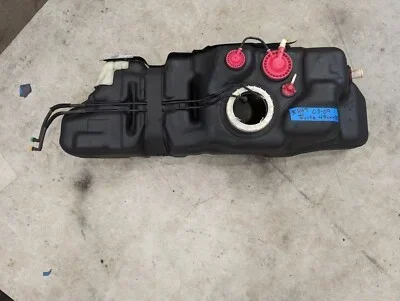
How Many Gallons of Gas Does Your 2018 4Runner Hold
The 2018 Toyota 4Runner comes with a 23-gallon fuel tank, giving you solid range for both city and off-road adventures. Understanding your fuel tank capacity helps with trip planning, budgeting, and avoiding unexpected stops. Let us break down everything you need to know about the 4Runner gas tank and fuel efficiency.
Owning a Toyota 4Runner means you have a rugged, reliable SUV built for adventures. Whether you are hitting the trails or commuting through the city, one question comes up often: how many gallons of gas does a 2018 4Runner hold? Knowing your fuel tank capacity is more than just a number. It affects your trip planning, your budget, and how often you visit the gas station.
The 2018 4Runner features a generous 23-gallon fuel tank, which is standard across all trim levels. This size gives the vehicle a respectable driving range, especially when paired with the powerful V6 engine under the hood. In this guide, we will walk you through everything you need to know about the 4Runner gas tank, fuel economy, and how to get the most out of every gallon.
If you are curious about how this compares to other vehicles or want to understand your fuel range better, you are in the right place. We will cover the basics, dive into real-world MPG numbers, and share practical tips to save money at the pump. Let us get started.
Key Takeaways
- Tank Size: The 2018 4Runner holds 23 gallons of fuel in its standard tank.
- Fuel Type: It runs on regular unleaded gasoline, making it easy and affordable to fill up.
- Fuel Economy: Expect around 16-17 MPG combined, with variations based on driving conditions.
- Range Per Tank: A full tank gives you roughly 350-390 miles of driving range.
- Towing Impact: Towing a trailer will reduce your fuel efficiency and range significantly.
- Cost to Fill: At current prices, filling the tank costs between $60 and $90 depending on local gas rates.
- Eco Mode: Using Eco mode can help squeeze out a few extra miles per gallon during highway driving.
📑 Table of Contents
- Understanding the 2018 4Runner Fuel Tank Capacity
- Fuel Type and Compatibility
- Real-World Fuel Economy and MPG Ratings
- How Far Can You Go on a Full Tank?
- Cost of Filling Up the 4Runner Tank
- Opening the Gas Cap and Refueling Tips
- How the 2018 4Runner Compares to Competitors
- Common Mistakes That Waste Fuel in the 4Runner
- Final Thoughts on the 2018 4Runner Fuel Tank
Understanding the 2018 4Runner Fuel Tank Capacity
The fuel tank capacity of the 2018 Toyota 4Runner is 23 gallons. This is the factory-standard specification and applies to every trim level, from the base SR5 to the premium TRD Pro. Toyota designed the tank to balance size, weight, and range for both on-road and off-road use.
What does 23 gallons actually mean for your daily driving? Let us put it into perspective. With an average fuel economy of around 16 to 17 miles per gallon combined, a full tank can take you approximately 350 to 390 miles. That is a solid range for a weekend trip or a long commute week without constantly worrying about finding a gas station.
Why Tank Size Matters for the 4Runner
The 4Runner is not a small vehicle. It is a mid-size SUV with a sturdy body-on-frame construction. That means it weighs a lot and needs enough fuel to power through efficiently. A smaller tank would mean more frequent stops, which is no fun when you are on a road trip or exploring remote trails.
Here are a few reasons why the 23-gallon tank works well for this vehicle:
- Adequate Range: You can cover long distances without constantly refueling.
- Off-Road Friendly: When you are far from civilization on a trail, extra fuel means peace of mind.
- Balanced Weight: A 23-gallon tank adds manageable weight to the vehicle without hurting performance.
- Affordable Fill-Ups: Compared to larger trucks and SUVs, the 4Runner does not guzzle gas as fast.
For comparison, some competitors in the same class offer slightly smaller tanks. That makes the 4Runner fuel capacity a real advantage for anyone who loves spending time outdoors or traveling long distances.
Fuel Type and Compatibility
The 2018 4Runner runs on regular unleaded gasoline. You do not need premium fuel, which saves you money every time you fill up. Toyota engineered the V6 engine to perform well on standard fuel, making the vehicle accessible and affordable to own.
One common question owners ask is whether they can use any grade of gasoline. The answer is straightforward. Stick with regular unleaded, which has an octane rating of 87. Using a higher octane fuel will not improve performance or fuel economy in the 4Runner. It is simply an unnecessary expense.
If you want to learn more about fuel compatibility for Toyota vehicles, check out our guide on Can You Put Regular Gas in a 4Runner. It covers everything you need to know about choosing the right fuel for your truck.
What Happens If You Use the Wrong Fuel?
Using premium fuel in a vehicle designed for regular will not damage your engine. However, it will drain your wallet without providing any real benefit. The 4Runner engine is tuned to run optimally on 87 octane regular unleaded. Save your money and stick with what the manufacturer recommends.
On the flip side, never use diesel fuel in the 4Runner. The gas tank and fuel system are designed specifically for gasoline. Putting diesel in the tank can cause serious engine damage and costly repairs.
Real-World Fuel Economy and MPG Ratings
The official MPG rating for the 2018 4Runner is 16 city and 19 highway, with a combined rating of 17 MPG. However, real-world numbers often differ based on how you drive, where you drive, and what you carry in the vehicle.
Most owners report getting somewhere between 14 and 18 MPG depending on their driving habits. Here are some factors that influence your actual fuel economy:
- Driving Style: Aggressive acceleration and hard braking reduce your MPG significantly.
- Terrain: Off-roading and steep inclines use more fuel than flat highway driving.
- Payload: Carrying heavy gear or towing a trailer drops your fuel efficiency.
- Weather: Cold weather and short trips can lower your overall MPG.
- Speed: Driving at high speeds on the highway increases wind resistance and fuel consumption.
If you want to understand how different driving modes affect your fuel usage, our article on How Much Mileage Does Eco Mode Save provides detailed insights into maximizing efficiency.
City vs Highway MPG Breakdown
The difference between city and highway fuel economy is noticeable in the 4Runner. In stop-and-go city traffic, you can expect closer to 14-16 MPG. On open highways, the number climbs to 18-20 MPG for most drivers. This gap is typical for a body-on-frame SUV with a V6 engine.
One tip to improve your highway MPG is to maintain a steady speed and use cruise control when possible. Avoiding rapid speed changes and keeping your tires properly inflated also helps a lot.
How Far Can You Go on a Full Tank?
This is one of the most practical questions 4Runner owners ask. With a 23-gallon tank and an average fuel economy of 17 MPG combined, you can expect a range of about 390 miles on a full tank under ideal conditions.
In real-world driving, the number is usually closer to 330-370 miles. City driving with lots of stops will bring that number down, while steady highway cruising will push it higher. Here is a quick breakdown:
- City Driving: About 330-370 miles per full tank.
- Highway Driving: About 370-400 miles per full tank.
- Mixed Driving: Around 350-380 miles per full tank.
- Off-Road Driving: Around 250-300 miles per full tank (depending on terrain).
Knowing your fuel range helps you plan trips better. You will know exactly when you need to stop for gas and can avoid the stress of running low in unfamiliar areas.
Cost of Filling Up the 4Runner Tank
The cost to fill up your 2018 4Runner depends on local gas prices. With a 23-gallon tank, a full fill-up will cost anywhere from $60 to $90 at current fuel prices. That is a reasonable cost for a vehicle of this size and capability.
Let us look at the numbers more closely. If gas costs around $3.50 per gallon, a full tank will set you back about $80.50. If prices drop to $3.00 per gallon, you are looking at $69. These are rough estimates, but they give you a good idea of what to expect.
Compared to larger SUVs and trucks, the 4Runner is relatively fuel-efficient. Its fuel tank size strikes a good balance between capacity and cost. You get enough range to travel long distances without paying a fortune to fill up.
Tips to Reduce Fuel Costs
Want to spend less at the pump? Here are some simple tips that actually work:
- Keep your tires inflated to the recommended pressure.
- Remove unnecessary weight from the vehicle.
- Use cruise control on highway drives.
- Avoid excessive idling.
- Plan your routes to avoid heavy traffic.
- Use Eco mode when driving on highways.
- Get regular maintenance, including oil changes and air filter replacements.
Small changes add up over time. Even improving your MPG by just one mile per gallon can save you significant money over the course of a year.
Opening the Gas Cap and Refueling Tips
Refueling the 2018 4Runner is straightforward. The gas cap is located on the rear driver side of the vehicle. To open it, simply turn the cap counterclockwise until it releases. If you are ever unsure about the process, you can also refer to our guide on how to open the gas cap on a car for a step-by-step walkthrough.
When filling up, keep a few things in mind. Do not overfill the tank. The fuel system needs room for expansion, and overfilling can cause fuel to spill or enter the emissions system. Also, always use the recommended fuel type, which is regular unleaded gasoline with an octane rating of 87.
One more tip: try to keep your tank at least a quarter full at all times. This prevents the fuel pump from overheating and gives you a buffer for unexpected detours or delays. Running on empty frequently can also introduce sediment into the fuel system, which is bad for the engine over time.
How to Check Your Fuel Level Accurately
The 4Runner has a standard fuel gauge on the dashboard. However, gauges can sometimes be slightly inaccurate, especially as the vehicle ages. To get a better sense of your actual fuel level, track your mileage between fill-ups. This gives you a more reliable picture of your fuel economy and remaining range.
You can also reset your trip meter at each fill-up. This simple habit helps you monitor exactly how many miles you get per tank and alerts you to any sudden drops in fuel efficiency that might indicate a problem.
How the 2018 4Runner Compares to Competitors
The Toyota 4Runner holds its own when compared to similar SUVs in terms of fuel tank capacity. Here is a quick comparison of the 2018 4Runner against some popular competitors:
The Ford Explorer offers a 18.5-gallon tank with 21 MPG combined. The Chevy Tahoe comes with a 24-gallon tank but gets only 16 MPG combined. The Jeep Grand Cherokee has a 24.6-gallon tank with 21 MPG combined. Meanwhile, the 2018 4Runner sits at 23 gallons with 17 MPG combined.
What does this tell you? The 4Runner offers a competitive fuel tank size while delivering solid range. Its V6 engine provides plenty of power for towing and hauling, which is where the 4Runner truly shines. Even though some competitors have slightly larger tanks, the 4Runner makes up for it with strong real-world reliability and resale value.
If you are considering the 4Runner for its towing capabilities, keep in mind that towing a trailer will reduce your fuel economy. The extra weight and aerodynamic drag mean you will get fewer miles per gallon and will need to fill up more often. Plan accordingly for long trips with a loaded trailer.
Common Mistakes That Waste Fuel in the 4Runner
Even the best vehicles can suffer from poor fuel economy if the driver develops bad habits. Here are some common mistakes 4Runner owners make that waste gas:
- Idling Too Long: Sitting in the driveway with the engine running burns fuel for zero distance.
- Rapid Acceleration: Flooring the accelerator uses significantly more fuel than smooth, gradual acceleration.
- Ignoring Maintenance: Dirty air filters, old spark plugs, and low tire pressure all reduce fuel efficiency.
- Carrying Unnecessary Weight: Extra gear in the trunk adds weight and forces the engine to work harder.
- Using the Wrong Fuel: Premium gas does not help the 4Runner and just costs more.
- Aggressive Braking: Constantly slamming on the brakes wastes the energy you already paid for with fuel.
Avoiding these mistakes can help you get the most out of every gallon. Over time, these small improvements add up to real savings at the gas pump.
Final Thoughts on the 2018 4Runner Fuel Tank
The 2018 Toyota 4Runner comes equipped with a 23-gallon fuel tank that provides excellent range and practicality. Whether you use your 4Runner for daily commuting, weekend adventures, or serious off-roading, the fuel capacity is more than adequate for most driving needs.
Understanding your fuel tank capacity, fuel economy, and the factors that affect your range helps you become a smarter, more efficient driver. You will plan better trips, spend less on fuel, and enjoy your 4Runner with greater confidence.
Remember to keep up with regular maintenance, drive responsibly, and always use the recommended fuel type. Your 4Runner will reward you with years of reliable performance and solid fuel range. If you ever have questions about your vehicle, the owner manual is always a great resource, and our website has plenty of guides to help you get the most out of your Toyota.
So the next time you pull into a gas station, you will know exactly how much fuel your tank can hold and how far you can go. That is knowledge that pays for itself every time you fill up.
Frequently Asked Questions
How many gallons does a 2018 Toyota 4Runner gas tank hold?
The 2018 Toyota 4Runner has a standard fuel tank capacity of 23 gallons. This is consistent across all trim levels, including the SR5, TRD Off-Road, and TRD Pro. Toyota designed this size to offer a good balance between range, weight, and overall performance for the vehicle.
What type of gas does the 2018 4Runner use?
The 2018 4Runner requires regular unleaded gasoline with an octane rating of 87. You do not need premium fuel, and using it will not improve performance or fuel economy. Always refer to your owner manual or the fuel door label for the manufacturer’s recommended fuel type.
How far can a 2018 4Runner go on a full tank of gas?
With a 23-gallon tank and an average fuel economy of 17 MPG combined, the 2018 4Runner can travel approximately 350 to 390 miles on a full tank. Real-world range varies based on driving conditions, terrain, payload, and whether you are towing a trailer.
Does towing affect the 4Runner’s fuel economy?
Yes, towing a trailer significantly reduces the 4Runner’s fuel economy. The extra weight and aerodynamic drag force the V6 engine to work harder, which means you will use more fuel per mile. If you frequently tow, plan for more frequent fill-ups and adjust your trip budget accordingly.
Can I improve the fuel efficiency of my 2018 4Runner?
Absolutely. You can improve fuel efficiency by maintaining proper tire pressure, removing unnecessary weight from the vehicle, using cruise control on highways, avoiding aggressive acceleration, and keeping up with regular maintenance like oil changes and air filter replacements.
How much does it cost to fill up a 2018 4Runner tank?
At an average gas price of $3.50 per gallon, filling the 23-gallon tank costs approximately $80.50. The actual cost depends on your local fuel prices, which fluctuate regularly. Compared to larger SUVs and trucks, the 4Runner is relatively affordable to fuel.
=== CONCLUSION ===
The 2018 Toyota 4Runner holds 23 gallons of fuel, giving you a reliable and practical range for all your adventures. Whether you are commuting to work or heading out on a weekend off-road trip, knowing your fuel tank capacity and fuel economy helps you drive smarter and spend less. Keep up with maintenance, drive responsibly, and enjoy every mile in your 4Runner.