How Long Will a Toyota 47 V8 Last Before It Fails
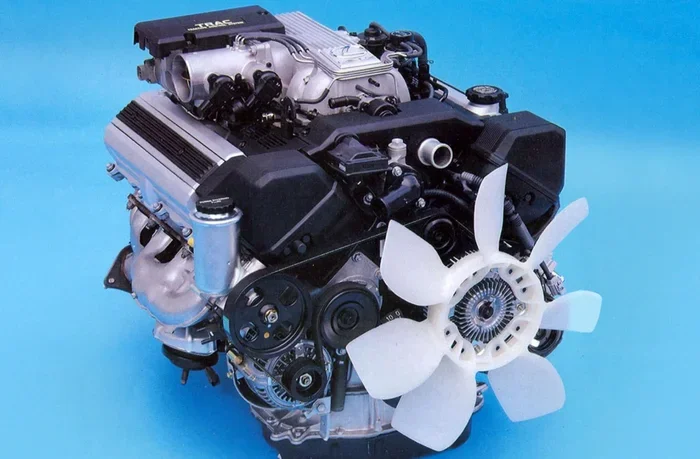
The Toyota 4.7 V8 engine, known as the 2UZ-FE, is a durable powerhouse that can last between 200,000 and 300,000 miles with proper care. This engine has earned a strong reputation for reliability in Toyota trucks and SUVs like the Tundra and 4Runner. Regular maintenance, quality oil changes, and timely repairs are the key factors that determine how long your Toyota 4.7 V8 will last before it fails.
The Toyota 4.7 V8 engine has been a workhorse in Toyota’s lineup for decades. Whether you own a Tundra, a 4Runner, or a Land Cruiser, this engine has powered your vehicle through countless miles of driving. But here is the big question every Toyota V8 owner eventually asks: how long will a Toyota 47 V8 last before it fails?
The answer is not a simple number. Engine lifespan depends on many factors, including maintenance habits, driving conditions, and even the specific model year. In this article, we will break down everything you need to know about the Toyota 4.7 V8 engine lifespan. You will learn what causes these engines to fail, how to spot early warning signs, and what you can do to get the most miles out of your V8.
We have also included practical tips and real-world insights that go beyond generic advice. By the end of this guide, you will have a clear picture of what to expect from your Toyota 4.7 V8 and how to keep it running strong for years to come.
Key Takeaways
- Engine Longevity: The Toyota 4.7 V8 can reliably last 200,000 to 300,000 miles when properly maintained.
- Common Failure Points: Timing chain stretch, valve train wear, and oil consumption are the most frequent issues.
- Maintenance Matters: Sticking to a regular service schedule dramatically extends engine life.
- Replacement Cost: A full engine rebuild or replacement can range from $3,000 to $7,000 depending on damage.
- Early Detection: Catching warning signs early can prevent catastrophic engine failure and save thousands.
- Toyota Build Quality: The cast-iron block and forged internals give this V8 exceptional durability.
- Driving Habits: Gentle warm-ups and avoiding excessive idling help the engine last longer.
📑 Table of Contents
- What Is the Toyota 4.7 V8 Engine?
- How Long Does the Toyota 47 V8 Typically Last?
- Signs Your Toyota 47 V8 Is Failing
- How to Extend the Life of Your Toyota 4.7 V8
- Engine Replacement and Rebuild Costs
- Comparing the Toyota 4.7 V8 to Other Engines
- Common Mistakes That Shorten Toyota 4.7 V8 Engine Life
- Final Thoughts on Toyota 4.7 V8 Longevity
What Is the Toyota 4.7 V8 Engine?
Engine Overview and Specifications
The Toyota 4.7 liter V8 is officially known as the 2UZ-FE engine. It is a cast-iron block, aluminum head engine that Toyota produced from 1998 through the mid-2010s. This engine was designed for heavy-duty use in trucks and SUVs. It features a pushrod design, which is different from the more modern overhead cam configurations.
Here are the key specifications of the Toyota 4.7 V8:
- Displacement: 4.7 liters (287 cubic inches)
- Configuration: 90-degree V8
- Block Material: Cast iron
- Head Material: Aluminum
- Horsepower: 235 to 245 hp depending on the year
- Torque: 290 to 320 lb-ft
- Fuel System: Multi-port fuel injection
The pushrod design makes this engine lower and more compact. This is a big advantage in truck applications where engine bay space is limited. The cast-iron block adds weight but provides excellent durability and heat dissipation.
Which Toyota Vehicles Used the 4.7 V8?
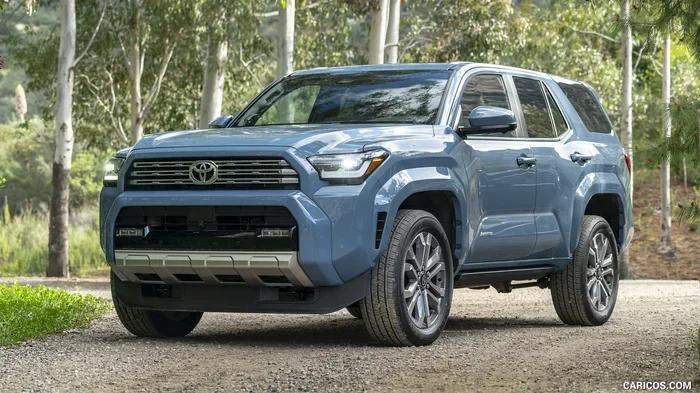
The Toyota 4.7 V8 found its home in several popular models. The Toyota Tundra full-size pickup was the most common application. The Toyota 4Runner SUV also used this engine for many years. Some versions of the Land Cruiser and Lexus GX 470 featured the 2UZ-FE as well. If you drive any of these vehicles, there is a good chance you have this engine under the hood.
Understanding which vehicle your engine powers helps you understand its intended use. The Tundra, for example, was designed to haul heavy loads and tow trailers. That means the engine was built to handle stress. This built-in toughness is one reason the Toyota 4.7 V8 has such a strong reputation for engine longevity.
How Long Does the Toyota 47 V8 Typically Last?
Average Engine Lifespan
Most Toyota 4.7 V8 engines will last between 200,000 and 300,000 miles before needing a major rebuild or replacement. Some well-maintained examples have even crossed the 350,000-mile mark. This is a very respectable lifespan for any V8 engine, and it places the 2UZ-FE in the upper tier of reliability.
To put this in perspective, reaching 200,000 miles on a car is already a significant milestone. Many engines never make it that far. The Toyota 4.7 V8 consistently exceeds this benchmark when cared for properly. This is part of why Toyota has such a strong reputation for building long-lasting vehicles.
The actual lifespan depends heavily on how the engine has been treated over the years. A truck that has had regular oil changes and timely repairs will easily outlast one that has been neglected. Let us look at the numbers more closely.
Factors That Affect Engine Longevity
Several key factors determine how many miles your Toyota 4.7 V8 will deliver before failure:
- Maintenance Schedule: Sticking to the recommended service intervals is the single most important factor. Oil changes, coolant flushes, and spark plug replacements all play a role.
- Driving Conditions: Stop-and-go city driving puts more stress on an engine than steady highway cruising. Extreme temperatures also take a toll.
- towing and Loading: Regularly hauling heavy loads or towing trailers increases engine wear. The 4.7 V8 was designed for this, but it still adds mileage to internal components.
- Oil Quality: Using high-quality synthetic oil and changing it at the right intervals keeps internal parts lubricated and reduces wear.
- Cooling System Health: A properly functioning cooling system prevents overheating, which is one of the fastest ways to destroy an engine.
If you compare this to the typical lifespan discussed in articles about vehicle mileage, such as what it means to reach 200,000 miles on a car, the Toyota 4.7 V8 holds its own very well. It is an engine built for the long haul.
Signs Your Toyota 47 V8 Is Failing
Warning Signs to Watch For
Catching engine problems early can save you from a complete failure. Here are the most common signs that your Toyota 4.7 V8 is wearing out or heading toward failure:
- Check Engine Light: This is often the first indicator. Do not ignore it. A flashing check engine light means get to a mechanic immediately.
- Excessive Oil Consumption: If you are adding oil between changes, the engine may be burning oil. This is a common issue with older 4.7 V8 engines.
- Rough Idle: A rough or unstable idle at startup can indicate valve train problems or worn spark plugs.
- Knocking or Tapping Sounds: Unusual noises from the engine bay often signal internal wear. A knocking sound can indicate rod bearing failure.
- Loss of Power: If your engine feels sluggish or struggles to accelerate, internal components may be wearing out.
- Coolant Leaks: Coolant leaks can lead to overheating, which causes catastrophic engine damage if not addressed quickly.
- Smoke from Exhaust: Blue smoke means oil is burning. White smoke can indicate a coolant leak into the combustion chamber.
Common Toyota 4.7 V8 Problems
Understanding the specific problems this engine is prone to helps you stay ahead of issues:
The most notorious problem with the Toyota 4.7 V8 is timing chain stretch. Over time, the timing chain can elongate, causing the engine to run out of sync. This leads to rough running, reduced performance, and eventually serious engine damage if not fixed. The timing chain tensioner is also a known weak point on higher-mileage engines.
Another common issue is valve train wear. The pushrod design means the valve train has many moving parts. Over hundreds of thousands of miles, these components wear down. This can cause ticking noises, loss of compression, and poor engine performance.
Oil consumption is a frequent complaint among Toyota 4.7 V8 owners. The engine burns small amounts of oil as it ages. While some oil consumption is normal, excessive burning can damage catalytic converters and reduce engine performance.
Some owners also report issues with the water pump and thermostat housing. These are relatively inexpensive repairs, but ignoring them can lead to overheating and more serious damage.
How to Extend the Life of Your Toyota 4.7 V8
Essential Maintenance Tasks
The best way to ensure your Toyota 4.7 V8 lasts as long as possible is to follow a consistent maintenance routine. Here is what you should prioritize:
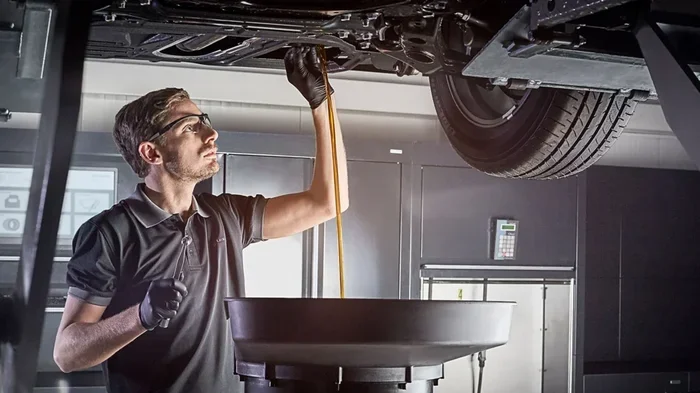
- Change the Oil Regularly: Every 5,000 to 7,500 miles with quality synthetic oil. This is the single most important thing you can do for your engine.
- Replace the Oil Filter: Every oil change. A clean filter keeps contaminants out of your engine.
- Flush the Coolant: Every 60,000 to 100,000 miles. Old coolant loses its effectiveness and can cause overheating.
- Replace Spark Plugs: Follow the manufacturer’s schedule, typically every 30,000 to 60,000 miles.
- Inspect the Timing Chain: Around the 150,000-mile mark, have a mechanic inspect the timing chain and tensioner for wear.
- Check for Leaks: Regularly inspect under your vehicle for oil, coolant, or transmission fluid leaks.
- Use Quality Fuel: Stick with reputable gas stations and the recommended octane rating for your engine.
Quick Tips for Long Engine Life
Here are some extra tips that go beyond the basics:
- Let your engine warm up for 30 to 60 seconds before driving hard. This allows oil to circulate and lubricate all components.
- Avoid excessive idling. It causes carbon buildup and puts unnecessary wear on engine parts.
- Do not ignore small leaks. Even a small oil leak can lead to low oil levels and engine damage over time.
- Keep up with your Toyota maintenance schedule even if the truck seems fine. Preventive care always costs less than reactive repairs.
- Consider an engine oil analysis every few years. This can reveal early signs of internal wear before symptoms appear.
For Toyota owners, staying on top of service intervals is especially important. Following a structured maintenance plan similar to what is outlined in the 000 mile service on a Toyota Rav4 guidelines can give you a framework for keeping your V8 in top shape. The principles are the same across Toyota models.
Engine Replacement and Rebuild Costs
When Should You Replace Instead of Repair?
At some point, every engine reaches a crossroads. The question becomes: should you repair or replace? Here are some guidelines to help you decide:
- Repair if: The repair cost is less than half the cost of a replacement, and the engine has fewer than 250,000 miles on it.
- Replace if: The engine has significant internal damage, such as a spun bearing or a cracked block.
- Rebuild if: The engine has common wear items that need replacing, but the block and crankshaft are still in good condition.
Estimated Costs
Here is a rough breakdown of what you can expect to pay for engine work on a Toyota 4.7 V8:
- Timing Chain Replacement: $1,200 to $2,000
- Valve Job and Tune-Up: $800 to $1,500
- Engine Rebuild: $3,000 to $5,000
- Engine Replacement (Used): $2,500 to $4,500 plus installation
- Engine Replacement (Remanufactured): $4,000 to $7,000 including installation
These costs vary by region and the specific condition of your engine. Always get multiple quotes from qualified mechanics before committing to a major repair.
Comparing the Toyota 4.7 V8 to Other Engines
How Does It Stack Up?
The Toyota 4.7 V8 holds up well against competitors in its class. Compared to the Ford 5.4 liter V8 or the GM 5.3 liter V8, the Toyota 4.7 V8 is known for requiring fewer major repairs over its lifetime. Toyota engines in general have a reputation for lasting longer than many domestic competitors.
While the 4.7 V8 may not have the horsepower of larger displacement engines, it makes up for it in reliability and longevity. The cast-iron block construction gives it a durability advantage over some aluminum-block competitors. Many owners report reaching 250,000 miles or more without a major engine issue.
When you compare this to the overall vehicle lifespan discussed in resources about average life of a Toyota Sequoia, the engine consistently delivers a lifespan that matches or exceeds the vehicle’s expected years of service. This is a strong indicator of how well Toyota engineered this powerplant.
Common Mistakes That Shorten Toyota 4.7 V8 Engine Life
What to Avoid
There are several common mistakes that Toyota 4.7 V8 owners make that can significantly shorten engine life:
- Skipping Oil Changes: This is the number one killer of engines. Old oil loses its lubricating properties and causes increased friction and wear.
- Ignoring Coolant Warnings: Overheating even once can cause permanent engine damage. Always address cooling system issues immediately.
- Using Cheap Oil: Low-quality oil does not provide adequate protection for engine internals. Always use the recommended grade and quality.
- Towing Beyond Capacity: Overloading your truck puts excessive strain on the engine. Stay within the manufacturer’s towing limits.
- Neglecting Fluid Checks: Transmission fluid, brake fluid, and power steering fluid all affect how your vehicle operates. Neglecting them can lead to cascading problems.
Avoiding these mistakes alone can add tens of thousands of miles to your engine’s life. It is much easier to prevent problems than to fix them after they occur.
Final Thoughts on Toyota 4.7 V8 Longevity
The Toyota 4.7 V8 is a proven, reliable engine that can serve you well for hundreds of thousands of miles. The key to unlocking that lifespan is consistent maintenance and attentive driving. If you take care of your engine, it will take care of you.
Remember that every engine is different. Your mileage results may vary based on driving habits, climate, and how well you follow the maintenance schedule. But the foundation is solid. The Toyota 4.7 V8 was built to last, and with the right care, it will.
If you are currently experiencing engine issues with your Toyota 4.7 V8, do not panic. Many problems are fixable if caught early. Pay attention to the warning signs we discussed, and do not hesitate to consult a qualified mechanic. A little attention today can prevent a major expense tomorrow.
Ultimately, the question of how long your Toyota 4.7 V8 will last comes down to one simple truth: you get out what you put in. Treat your engine well, and it will reward you with years of dependable service.
Frequently Asked Questions
What is the average lifespan of a Toyota 4.7 V8 engine?
With proper maintenance, a Toyota 4.7 V8 engine can last between 200,000 and 300,000 miles. Some well-cared-for examples have exceeded 350,000 miles. Regular oil changes and timely repairs are the biggest factors in reaching these high mileage milestones.
What are the most common problems with the Toyota 4.7 V8?
The most common issues include timing chain stretch, excessive oil consumption, valve train wear, and water pump failures. These problems are manageable when caught early, but ignoring them can lead to serious engine damage and costly repairs.
How much does it cost to replace a Toyota 4.7 V8 engine?
A used engine replacement typically costs $2,500 to $4,500 including labor. A remanufactured engine ranges from $4,000 to $7,000. A full engine rebuild usually falls between $3,000 and $5,000 depending on the extent of the damage and your location.
Can you prevent timing chain stretch on a Toyota 4.7 V8?
You can reduce the risk by using quality synthetic oil and changing it regularly. Inspecting the timing chain around the 150,000-mile mark is also a smart preventive step. However, some stretch over time is normal for this engine design, and replacement may eventually be needed.
Is the Toyota 4.7 V8 a good engine for towing?
Yes, the Toyota 4.7 V8 was designed with towing in mind. It produces 290 to 320 lb-ft of torque, making it capable of handling moderate towing loads. However, always stay within your vehicle’s manufacturer-rated towing capacity to avoid overstressing the engine.
How often should I change the oil in my Toyota 4.7 V8?
Toyota recommends oil changes every 5,000 to 7,500 miles for the 4.7 V8 engine. Using high-quality synthetic oil and replacing the filter with every change will provide the best protection for your engine internals and help maximize engine life.
=== INTERNAL LINKS ===
For more information on vehicle longevity, check out the average life of a Toyota Sequoia to understand how Toyota engines and vehicles hold up over time.
If you are tracking high mileage, learning about what 200,000 miles on a car really means can help you put your Toyota 4.7 V8’s lifespan in perspective.
Wondering if your truck has too many miles? Find out what too many miles is for a used vehicle and how it applies to your Toyota V8.
For general Toyota maintenance guidance, the Toyota maintenance service schedule offers helpful insights on keeping your engine running at its best.