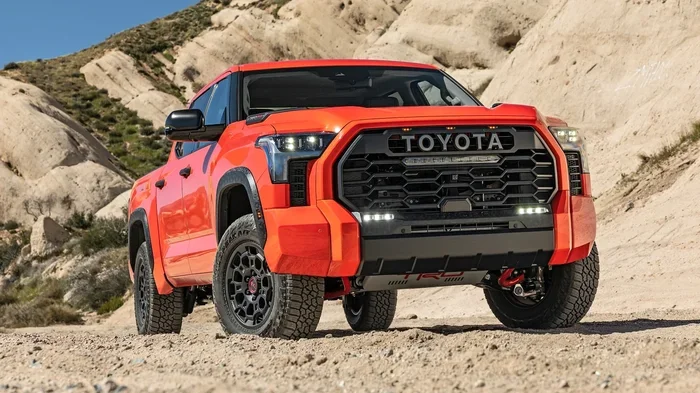
How Long Is a Toyota Tundra in Feet Compared to Others
The Toyota Tundra measures approximately 231 inches (19.3 feet) in overall length for the current generation. Bed sizes range from 5.5 feet to 8.2 feet depending on the configuration. Understanding Tundra dimensions helps buyers choose the right size for their garage, parking needs, and towing requirements.
The Toyota Tundra has been a staple in the full-size pickup truck market for over two decades. Whether you are hauling cargo, towing a trailer, or simply need a dependable work truck, knowing the Toyota Tundra length in feet is essential. This guide breaks down everything you need to know about Tundra dimensions, how it compares to rival trucks, and why length matters in everyday use.
Many buyers walk onto a lot knowing they want a Tundra but have no idea about the actual Tundra dimensions. The overall vehicle length affects parking, garage fit, and even how the truck handles on the road. We will walk you through every detail so you can make a confident purchase decision.
In this article, we cover the Tundra bed length, overall truck measurements, and how different generations and configurations change the numbers. By the end, you will know exactly how long a Tundra is and whether it fits your lifestyle.
Key Takeaways
- Overall Length: The Toyota Tundra is about 231 inches or 19.3 feet long in its current generation.
- Bed Options: Tundra offers short beds around 5.5 feet and long beds up to 8.2 feet depending on the cab style.
- Comparison Matters: The Tundra is longer than many mid-size trucks but shorter than some full-size competitors.
- Parking and Garage Fit: Knowing your Tundra’s length helps ensure it fits in your garage and parking space comfortably.
- Trim Variations: Different trims and configurations can slightly affect the overall length of the truck.
- Towing Impact: Longer bed options provide more cargo space and can influence towing setup and payload capacity.
- Generation Differences: Each Tundra generation has different dimensions, so year matters when comparing lengths.
📑 Table of Contents
- How Long Is a Toyota Tundra in Feet?
- Toyota Tundra Dimensions by Generation
- How the Tundra Compares to Other Full-Size Trucks
- Why Truck Length Matters
- Quick Tips for Choosing the Right Tundra Size
- Common Mistakes Buyers Make When Considering Tundra Length
- Expert Insights on Tundra Dimensions
- Key Takeaways
How Long Is a Toyota Tundra in Feet?
The current generation Toyota Tundra measures approximately 231 inches in overall length. That converts to roughly 19.3 feet. This measurement applies to the standard configurations of the 2022 and newer Tundra models built on the i-FORCE platform.
However, the length can vary slightly depending on the cab style and bed configuration you choose. The Tundra comes in several body styles, and each one brings a different total length. Let us break this down further so you understand what to expect.
Tundra Length by Cab Style
The cab style plays a big role in the overall length of the truck. Here is a quick look at the different cab options available on the Toyota Tundra:
- Regular Cab: This is the shortest Tundra configuration. It offers two doors and a single row of seating. The regular cab Tundra is ideal for buyers who prioritize cargo space over passenger room.
- Double Cab: The most popular Tundra configuration. It has four full-size doors and seating for five passengers. The double cab adds a few inches to the overall length compared to the regular cab.
- CrewMax Cab: This cab style offers a slightly longer rear door and more rear passenger space. It is the longest cab option and adds to the total vehicle length.
Each cab style shifts the overall Tundra truck length by a few inches. While the differences may seem small, they matter when you are parking in a tight garage or navigating a crowded parking lot.
Tundra Bed Length Options
The bed is another major factor that affects the total Toyota Tundra length. The Tundra offers multiple bed lengths depending on the model year and configuration. Understanding these options helps you choose the right setup for your needs.
The standard bed option on many Tundra models measures around 5.5 feet. This is a great choice for daily driving and light hauling. If you need more cargo room, the Tundra also offers longer bed options that extend the overall truck length significantly.
For comparison, a standard long bed truck typically measures around 8 feet in bed length. The Tundra’s longer bed configurations bring it closer to this standard, giving you more room for lumber, furniture, or camping gear.
When considering bed length, think about what you will be hauling. A shorter bed keeps the truck more maneuverable and easier to park. A longer bed gives you serious cargo capacity but requires more space for parking and turning.
Also worth noting, the 6 foot truck bed has become a popular middle-ground option for many truck buyers. The Tundra offers configurations that fall in this range, giving you flexibility without going to the extreme of a full 8-foot bed.
Toyota Tundra Dimensions by Generation
The Tundra has gone through several generations since its debut in 1999. Each generation brought changes to the Tundra dimensions. Let us look at how the length has evolved over the years.
First Generation (1999-2006)
The original Toyota Tundra was a bit shorter than today’s models. The first generation measured approximately 217 to 222 inches depending on the cab and bed configuration. That puts it at roughly 18 to 18.5 feet long.
This generation established the Tundra as a serious competitor in the full-size truck segment. Despite being shorter than later models, it offered strong towing and hauling capabilities that won over many buyers.
Second Generation (2007-2021)
The second generation Tundra grew in size. Overall length increased to approximately 225 to 231 inches. This generation introduced more cab styles and bed options, which contributed to the variation in total length.
Many truck enthusiasts still prefer the second generation Tundra for its proven reliability and robust build. The Tundra dimensions during this era struck a good balance between size and manageability.
Third Generation (2022-Present)
The current Tundra is the largest and most modern version yet. With an overall length of approximately 231 inches (19.3 feet), it competes directly with the Ford F-150, Chevrolet Silverado, and Ram 1500. The third generation also introduced a hybrid powertrain, which added some length due to the battery pack placement.
The latest Tundra also features a wider stance and taller profile. While length is important, width and height also play a role in how the truck fits in your life. Always consider all three dimensions when evaluating a new truck.
How the Tundra Compares to Other Full-Size Trucks
Knowing the Toyota Tundra length in feet is helpful, but comparing it to rival trucks gives you real context. Let us look at how the Tundra stacks up against the competition.
Tundra vs. Ford F-150
The Ford F-150 is the best-selling truck in America. The F-150 measures approximately 231 to 250 inches depending on the configuration. The standard F-150 is very close in length to the Tundra, but the SuperCrew cab with a long bed can push the F-150 several inches longer.
Both trucks offer similar overall lengths in their standard configurations. The choice between them comes down to features, powertrain preferences, and brand loyalty.
Tundra vs. Chevrolet Silverado
The Chevrolet Silverado 1500 measures around 231 to 244 inches in length. The Silverado is comparable to the Tundra in its standard form. However, the Silverado offers a wider range of bed lengths, which can make it slightly longer in certain configurations.
Tundra vs. Ram 1500
The Ram 1500 is slightly shorter than the Tundra in many configurations. The Ram measures approximately 230 to 238 inches. The difference is minimal, but every inch counts when you are fitting a truck into a tight garage.
Tundra vs. GMC Sierra
The GMC Sierra 1500 is very similar to the Chevrolet Silverado since they share the same platform. The Sierra measures around 231 to 244 inches, making it a close competitor to the Tundra in terms of overall length.
| Truck Model | Approximate Length (inches) | Approximate Length (feet) |
|---|---|---|
| Toyota Tundra (Current) | 231 | 19.3 |
| Ford F-150 (Standard) | 231-250 | 19.3-20.8 |
| Chevrolet Silverado 1500 | 231-244 | 19.3-20.3 |
| Ram 1500 | 230-238 | 19.2-19.8 |
| GMC Sierra 1500 | 231-244 | 19.3-20.3 |
As you can see, the Tundra sits right in the middle of the full-size truck length spectrum. It is neither the longest nor the shortest, which makes it a versatile choice for many buyers.
Why Truck Length Matters
Understanding why truck length matters goes beyond just numbers on a spec sheet. The length of your Tundra affects daily driving in several important ways.
Parking and Garage Fit
This is the most practical concern for most truck buyers. A 19.3-foot truck needs adequate garage space. Standard single garages are typically 20 to 24 feet deep, which should fit a Tundra with some room to spare. However, if your garage is shorter, you may need to consider a different configuration or a smaller truck.
Also think about parking in public lots, driveways, and tight city streets. A longer truck can be challenging to park in crowded areas. If you live in a city or tight suburban neighborhood, this is worth considering before purchase.
Towing and Hauling
Longer bed options on the Tundra provide more cargo space and can improve towing stability. The distance between the rear axle and the tailgate affects how weight distributes behind the truck. A longer bed generally allows for better weight distribution when towing heavy loads.
If you plan to haul heavy loads or tow large trailers, the bed length becomes a critical factor. The Tundra’s towing capacity works hand in hand with its overall length and bed configuration.
Maneuverability
Shorter trucks are easier to maneuver in tight spaces. They turn more tightly and fit better in narrow parking spots. If you frequently drive in urban environments or navigate tight construction sites, a shorter Tundra configuration might serve you better.
On the other hand, longer trucks offer more stability at highway speeds. The extra length helps with straight-line tracking and reduces the feeling of being “twitchy” on the road.
Fuel Economy Considerations
Longer trucks generally have slightly lower fuel economy due to increased wind resistance and weight. While the difference is usually small, it can add up over time. If fuel economy is a priority, consider how the Tundra dimensions might affect your daily driving costs.
Quick Tips for Choosing the Right Tundra Size
Still not sure which Tundra configuration is right for you? Here are some quick tips to help you decide:
- Measure Your Garage: Before shopping, measure your garage depth. Subtract a few feet for clearance. This tells you the maximum truck length you can comfortably fit.
- Think About Your Cargo: If you regularly haul long materials like lumber or pipes, opt for the longer bed. If your cargo is typically shorter, a standard bed works fine.
- Consider Your Towing Needs: If you tow frequently, the bed length and overall truck length affect your setup. Longer beds can improve towing balance.
- Test Drive Multiple Configurations: Sit in different Tundra configurations at the dealership. Notice how the length affects visibility and comfort.
- Check Parking Regulations: Some parking structures have length limits. Make sure your Tundra fits within the restrictions of places you frequent.
- Think About Resale: Certain Tundra configurations hold their value better. Double cab models with standard beds tend to be the most popular on the used market.
Common Mistakes Buyers Make When Considering Tundra Length
Avoid these common pitfalls when shopping for a Tundra:
- Ignoring Bed Length: Many buyers focus only on overall truck length and forget that bed length affects cargo capacity significantly.
- Not Measuring Their Parking Space: Buyers sometimes assume their garage fits any truck. Always measure before committing to a purchase.
- Forgetting About Turning Radius: A longer truck has a wider turning radius. This matters in tight neighborhoods and parking garages.
- Overlooking Weight Capacity: Longer trucks can carry more weight, but you also need to understand your truck’s limits. Check payload capacity alongside length.
- Comparing Only One Generation: Tundra lengths vary by generation. Always compare the specific model year you are interested in.
Expert Insights on Tundra Dimensions
According to automotive experts, the Toyota Tundra’s length of approximately 19.3 feet positions it well in the full-size truck segment. It is long enough to offer serious capability but compact enough to remain manageable in everyday situations.
Truck specialists often recommend that buyers prioritize their actual usage needs over raw numbers. If you only need to carry a few items occasionally, a shorter bed Tundra saves money and makes daily driving easier. If you work construction or regularly haul large loads, investing in the longer bed configuration pays off.
Industry analysts also point out that the Tundra’s length has increased over generations. This trend mirrors what other manufacturers have done to meet consumer demand for more spacious and capable trucks. The current Tundra strikes a balance that appeals to both work-use buyers and lifestyle truck owners.
When evaluating the Toyota Tundra length in feet, always consider the complete picture. Length interacts with width, height, wheelbase, and overall weight. Together, these dimensions define how the truck performs on the road, how it fits in your life, and how much value it delivers over the years.
Key Takeaways
- The Toyota Tundra is about 19.3 feet (231 inches) long in its current generation, making it a competitive full-size pickup truck.
- Bed lengths range from approximately 5.5 feet to 8.2 feet depending on the cab and bed configuration you choose.
- Each Tundra generation has different dimensions, with the current model being the longest and most feature-rich.
- The Tundra compares closely to rivals like the F-150, Silverado, and Ram 1500, with differences of only a few inches.
- Truck length affects parking, maneuverability, towing, and cargo capacity, so choose based on your real-world needs.
- Always measure your garage and parking spaces before finalizing your Tundra purchase to avoid fit issues.
- Double cab models with standard beds are the most popular and tend to hold their value best in the resale market.
Frequently Asked Questions
How long is a Toyota Tundra in feet?
The Toyota Tundra measures approximately 19.3 feet or 231 inches in overall length for the current generation (2022 and newer). This measurement applies to the standard double cab configuration with a standard bed. Different cab styles and bed options can shift this number by a few inches.
What is the Tundra bed length in feet?
The Tundra offers bed lengths that range from approximately 5.5 feet for the short bed option to around 8.2 feet for the long bed configuration. The exact bed length depends on the cab style and model year. Always check the specific configuration before making a purchase decision.
Is the Toyota Tundra longer than the Ford F-150?
In most standard configurations, the Tundra and F-150 are very similar in length, both measuring around 19 to 20 feet. However, certain F-150 configurations with extended beds or larger cab styles can be several inches longer. The Tundra generally falls in the middle of the full-size truck length range.
Will a Toyota Tundra fit in a standard single garage?
Yes, a Toyota Tundra should fit in a standard single garage. Most single garages are 20 to 24 feet deep, and the Tundra is approximately 19.3 feet long. You will have a few feet of clearance, but it is always smart to measure your specific garage before purchasing.
Does the Tundra length affect towing capacity?
Truck length alone does not directly determine towing capacity. However, bed length and overall wheelbase do play a role in how weight distributes during towing. Longer beds and longer wheelbases can improve towing stability, which is why understanding your Tundra dimensions matters for hauling setups.
How does the Tundra length compare to mid-size trucks like the Tacoma?
The Tundra is significantly longer than the Toyota Tacoma. The Tacoma measures around 17 to 18 feet in overall length depending on configuration. The Tundra’s extra length comes from its full-size frame and larger bed options, making it a better choice for heavy-duty hauling and towing.
=== CONCLUSION ===
The Toyota Tundra length in feet is a key piece of information every buyer should know before stepping onto the lot. At approximately 19.3 feet overall, the current Tundra sits comfortably among the full-size pickup truck competition. Whether you choose a short bed or a long bed, a regular cab or a double cab, understanding the Tundra’s dimensions helps you make the right choice for your lifestyle.
From parking fit to towing capability, truck length touches every aspect of your ownership experience. Take the time to measure your spaces, compare configurations, and test drive different models. The right Tundra setup will serve you well for years to come, whether you use it for work, play, or both.
Now that you know exactly how long a Toyota Tundra is, you are better equipped to walk into a dealership with confidence. Choose the configuration that fits your life, and enjoy everything this capable full-size truck has to offer.