How Long Can a Toyota Corolla Go Without an Oil Change
Most Toyota Corollas can go between 5,000 and 10,000 miles before needing an oil change, depending on the model year, oil type, and driving conditions. Modern Corollas equipped with an oil life monitoring system can extend intervals further, but ignoring the oil change light for too long risks serious engine damage. This guide covers everything you need to know about Corolla oil change timing, signs your car needs service, and how to stay on top of maintenance.
Key Takeaways
- Standard interval: Most Corollas need an oil change every 5,000 to 7,500 miles with conventional oil.
- Synthetic oil extends life: Full synthetic oil can push intervals to 10,000 miles or more.
- Time matters too: Even with low mileage, change your oil every 6 to 12 months.
- Listen to your car: Warning signs like dark oil, engine noise, and the oil change light should never be ignored.
- Check your manual: Your Corolla’s owner’s manual is the best source for the exact oil change schedule.
- DIY is possible: You can change your Corolla S oil yourself with basic tools and a little know-how.
📑 Table of Contents
- How Long Can a Toyota Corolla Go Without an Oil Change?
- Understanding Oil Change Intervals for the Toyota Corolla
- What Happens When You Skip an Oil Change?
- Signs Your Toyota Corolla Needs an Oil Change
- How Often Should You Check Your Oil?
- Choosing the Right Oil for Your Toyota Corolla
- DIY Oil Change for Your Toyota Corolla
- How Much Does a Toyota Corolla Oil Change Cost?
- Common Oil Change Mistakes to Avoid
- Expert Insights on Corolla Oil Maintenance
- Final Thoughts
How Long Can a Toyota Corolla Go Without an Oil Change?
If you have been wondering how long your Toyota Corolla can go without an oil change, you are not alone. This is one of the most common questions Corolla owners ask. The answer depends on several factors, including your model year, the type of oil you use, and how you drive.
Generally speaking, a Toyota Corolla can go between 5,000 and 10,000 miles before it needs a fresh oil change. Older models with conventional oil typically fall on the shorter end of that range. Newer models using synthetic oil can stretch further. But here is the thing, you should never push it too far.
Oil is the lifeblood of your engine. It lubricates moving parts, reduces friction, and keeps temperatures in check. Over time, oil breaks down and loses its effectiveness. When that happens, your engine starts wearing out faster than it should. So knowing the right oil change interval for a Corolla is not just about performance. It is about protecting your engine for the long haul.
In this article, we will break down everything you need to know. From standard intervals to warning signs, from DIY changes to choosing the right oil, we have you covered. Let us dive in.
Understanding Oil Change Intervals for the Toyota Corolla
Miles vs. Months: Which Matters More?
When people think about oil changes, they usually focus on mileage. And that makes sense. Most of us track how far we drive every week. But time matters just as much. Even if you drive very few miles, your oil still degrades over time. Moisture accumulates. Contaminants build up. The additives that protect your engine wear out.
Toyota recommends changing your oil every 6 to 12 months, regardless of mileage. So if you only drive 2,000 miles in a year but it has been 10 months, it is time for a change. Think of it this way. Oil sitting in a hot engine is like milk sitting out on a counter. It does not stay fresh forever.
Here is a simple breakdown of typical Corolla oil change intervals:
- Conventional oil: Every 5,000 miles or 6 months
- Synthetic blend: Every 7,500 miles or 6 to 9 months
- Full synthetic oil: Every 10,000 miles or 12 months
These numbers are general guidelines. Always check your Corolla owner’s manual for the exact recommendation from Toyota. The manual is your best friend when it comes to maintenance schedules.
Oil Life Monitoring Systems in Modern Corollas
Newer Toyota Corollas come equipped with an oil life monitoring system. This is a smart feature that tracks your driving habits and tells you when an oil change is due. It does not just count miles. It also considers engine temperature, driving conditions, and the number of short trips you take.
When the system determines your oil is nearing the end of its useful life, it triggers a warning light on your dashboard. This is much more accurate than a simple mileage-based schedule. However, it is still a good idea to have a manual oil change schedule in mind as a backup.
If your Corolla has this system, it will typically recommend an oil change somewhere between 7,500 and 10,000 miles. But remember, this is a guideline, not a guarantee. Harsh driving conditions can shorten the actual interval significantly.
How Driving Conditions Affect Oil Life
Not all driving is created equal. The way you use your Corolla has a big impact on how quickly your oil wears out. Toyota identifies certain driving conditions as “severe” or “severe service.” These conditions shorten the life of your oil faster than normal.
Here are examples of severe driving conditions that require more frequent oil changes:
- Short trips under 5 miles in cold weather
- Frequent stop-and-go traffic
- Driving in extreme heat or extreme cold
- Towing heavy loads or carrying heavy cargo
- Driving on dusty or gravel roads
- Long periods of idling
If any of these sound like your daily routine, you should shorten your oil change interval. Instead of waiting 10,000 miles, consider changing your oil every 5,000 miles. Your engine will thank you for it.
What Happens When You Skip an Oil Change?
Oil Degradation and Engine Wear
Fresh oil is clean and full of protective additives. As it circulates through your engine, it picks up dirt, metal particles, and combustion byproducts. Over time, these contaminants overwhelm the oil. It becomes thick and gritty. It loses its ability to lubricate properly.
When oil degrades, metal parts inside your engine start rubbing against each other. This creates friction and heat. Tiny metal shavings start floating around in the oil. Over weeks and months, this wear adds up. What might have been a simple oil change becomes a costly engine repair.
The good news is that oil degradation happens gradually. You are not going to destroy your engine by being a few hundred miles late. But consistently skipping oil changes is one of the fastest ways to shorten your engine’s lifespan.
Sludge Buildup and Clogged Oil Passages
One of the most dangerous consequences of skipping oil changes is sludge buildup. Old oil breaks down and forms a sticky, tar-like substance called sludge. This sludge can clog the small oil passages inside your engine.
When oil cannot flow freely, parts of your engine are starved of lubrication. Hot spots develop. Metal warps. In worst-case scenarios, the engine seizes completely. Replacing a seized engine costs thousands of dollars. A timely oil change costs a fraction of that.
Sludge buildup is especially common in engines that sit for long periods or are driven mostly on short trips. The oil never gets hot enough to burn off moisture and contaminants. If you fall into this category, pay extra attention to your oil change schedule.
Reduced Fuel Efficiency
Dirty oil is thicker and less efficient. It creates more drag inside the engine. Your engine has to work harder to overcome this resistance. The result is lower fuel economy and more trips to the gas pump.
Studies show that engines running on degraded oil can see a drop in fuel efficiency of up to 5%. That might not sound like much, but it adds up over time. Fresh oil keeps your engine running smoothly and your wallet happier.
Signs Your Toyota Corolla Needs an Oil Change
Dashboard Warning Lights
Your Corolla is smart enough to tell you when something is wrong. The most obvious sign is the oil change light on your dashboard. This light is part of the oil life monitoring system we discussed earlier. When it comes on, do not ignore it.
Another light to watch for is the check engine light. While this light can mean many things, one possible cause is low or degraded oil. If both the check engine light and the oil warning light come on at the same time, get your car checked immediately.
Some Corollas also have a specific oil pressure warning light. If this one illuminates, pull over safely and turn off the engine. Driving with low oil pressure can cause catastrophic engine damage in minutes.
Changes in Oil Color and Consistency
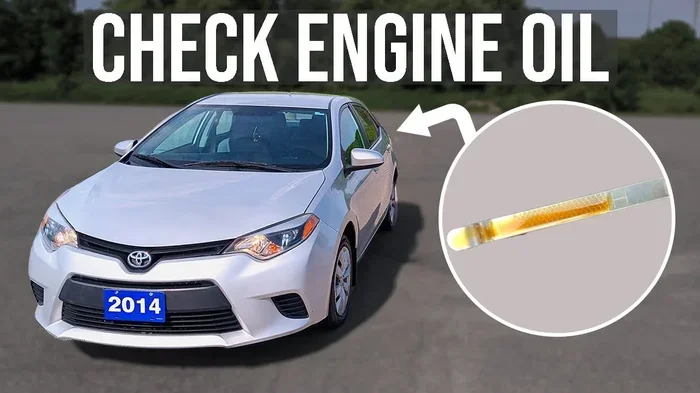
You do not need a mechanic to check your oil. Pop the hood, pull out the dipstick, and take a look. Fresh oil is amber or golden brown. It should feel smooth and slippery between your fingers.
If your oil looks dark brown or black, it is time for a change. gritty texture or a burnt smell are also red flags. Milky or foamy oil could indicate a more serious problem, like a coolant leak. In that case, see a mechanic right away.
Unusual Engine Noises
Oil cushions the moving parts inside your engine. When oil is old and worn, that cushion disappears. You might start hearing knocking, ticking, or rattling sounds from under the hood.
These noises are especially noticeable when you first start the car in the morning. A brief ticking that goes away after a few seconds is normal. But persistent knocking is not. If you hear unusual engine sounds, check your oil level and condition right away.
Decreased Performance and Rough Idling
Old oil does not flow as well as fresh oil. This means your engine does not get the lubrication it needs when it needs it. The result can be rough idling, sluggish acceleration, and a general feeling that your car is not performing the way it used to.
If your Corolla feels sluggish or unresponsive, an oil change might be the simplest fix. Before you spend money on diagnostics, check your oil first. It could save you a lot of time and money.
How Often Should You Check Your Oil?
Making oil checks a habit is one of the best things you can do for your Corolla. Toyota recommends checking your oil level at least once a month. This takes just a few minutes and can catch problems early.
Here is how to check your oil properly:
- Park your car on a level surface and turn off the engine.
- Wait a few minutes for the oil to settle back into the oil pan.
- Open the hood and locate the dipstick.
- Pull the dipstick out and wipe it clean with a rag.
- Reinsert the dipstick fully, then pull it out again.
- Check the oil level against the minimum and maximum marks.
- Examine the oil color and texture.
If your oil level is low, top it off with the same type of oil your engine uses. Check your owner’s manual or the oil cap for the correct specification. Topping off is not a replacement for a full oil change, but it can help bridge the gap until you can get one done.
Choosing the Right Oil for Your Toyota Corolla
Conventional vs. Synthetic Oil
Not all oil is the same. The two main types you will encounter are conventional oil and synthetic oil. Each has its pros and cons, and the right choice depends on your driving habits and your budget.
Conventional oil is the most basic and affordable option. It works well for normal driving conditions and standard intervals. It is a solid choice for older Corolla models or vehicles with lower mileage.
Synthetic oil is engineered in a lab to provide superior performance. It resists heat better, flows more smoothly in cold weather, and lasts longer between changes. It is the preferred choice for modern Corollas and drivers who want maximum engine protection.
Synthetic blend is a middle-ground option. It combines conventional and synthetic oils to offer better protection than conventional oil at a lower price than full synthetic.
Oil Viscosity: What Do the Numbers Mean?
You have probably seen numbers like 0W-20 or 5W-30 on oil bottles. These numbers refer to oil viscosity, which is essentially how thick or thin the oil is at different temperatures.
The first number (with the W) represents the oil’s thickness in cold temperatures. A lower number means the oil flows more easily when cold. The second number represents thickness at operating temperature.
Most modern Toyota Corollas use 0W-20 oil. This lightweight formula flows quickly when you start the engine, providing immediate protection. However, some older models or specific trims may require different viscosity. Always follow the recommendation in your owner’s manual.
If you are wondering whether you can use a different viscosity, such as switching from 0W-20 to 5W-20, the answer depends on your specific model. Check with your dealer or consult the manual before making any changes.
Can You Use 5W20 Instead of 0W20 in a Corolla?
This is a common question among Corolla owners. The short answer is that it depends on your specific model year and engine. In most cases, Toyota recommends 0W-20 for its modern Corollas because it provides the best fuel economy and cold-weather protection.
Using 5W-20 instead of 0W-20 is generally not harmful, but it may not provide the same level of protection in very cold temperatures. The 5W-20 is slightly thicker when cold, which means it takes a bit longer to reach all the engine parts after startup.
If you live in a very cold climate or want to stick with Toyota’s exact recommendation, go with 0W-20. If you are in a warmer climate and need a slight alternative, 5W-20 is usually acceptable. But when in doubt, consult your owner’s manual or a Toyota dealer.
DIY Oil Change for Your Toyota Corolla
Changing your own oil is one of the most satisfying DIY projects you can do on a car. It is not complicated, and it can save you money in the long run. If you are a hands-on person, you might want to change your Corolla S oil yourself instead of paying for a shop visit.
What You Will Need
- The correct type and amount of oil (check your owner’s manual)
- A new oil filter (OEM or quality aftermarket)
- An oil filter wrench
- A socket wrench and drain pan
- A jack and jack stands or ramps
- Gloves and safety glasses
- A funnel
Step-by-Step Process
- Warm up the engine for a few minutes. This helps the oil drain more smoothly.
- Lift the car using a jack and secure it with jack stands.
- Locate the oil drain plug underneath the engine.
- Place the drain pan beneath the plug and loosen it with your socket wrench.
- Remove the old oil filter using an oil filter wrench.
- Replace the drain plug and tighten it securely.
- Install the new oil filter, tightening it by hand until snug.
- Lower the car and pour in the new oil through the oil filler cap.
- Wait a few minutes, then check the oil level with the dipstick.
- Start the engine and let it run for a minute. Check for leaks underneath.
After your DIY oil change, remember to reset your oil change counter if your Corolla has a maintenance reminder system. This ensures the oil life monitoring system accurately tracks your next service interval.
Disposing of Used Oil Properly
Never pour used oil down the drain or onto the ground. Used oil is toxic and harmful to the environment. Most auto parts stores, including Walmart and AutoZone, accept used oil for recycling. You can also take it to a local recycling center or a mechanic who will dispose of it for you.
Store your used oil in a sealed container and transport it carefully. A single gallon of used oil can contaminate a million gallons of water. Proper disposal is not just good practice. It is your responsibility as a car owner.
How Much Does a Toyota Corolla Oil Change Cost?
The cost of an oil change for a Toyota Corolla varies depending on where you go and what type of oil you use. Here is a rough breakdown:
- DIY oil change: $30 to $60 for oil and filter
- Quick lube shop: $40 to $70 for conventional oil
- Toyota dealer: $60 to $120, depending on oil type
Synthetic oil changes cost more upfront, but they last longer. Over time, the cost difference between conventional and synthetic oil changes can even out. And the extra engine protection synthetic provides is well worth the investment.
If you are wondering whether you can get your oil changed at a different brand’s service center, the answer is usually yes. But for Toyota-specific expertise and genuine OEM parts, a Toyota dealer is your best bet.
Common Oil Change Mistakes to Avoid
- Ignoring the oil change light: The light is there for a reason. Pushing it off for thousands of extra miles is risky.
- Overfilling the oil: Too much oil can cause foaming and pressure buildup. Always stick to the recommended amount.
- Using the wrong oil: Not all oils are created equal. Using the wrong viscosity or type can harm your engine.
- Forgetting to replace the oil filter: The filter traps contaminants. A clogged filter defeats the purpose of fresh oil.
- Neglecting oil level checks: Oil can burn off or leak over time. Checking it regularly helps you catch problems early.
Expert Insights on Corolla Oil Maintenance
Toyota engineers design the Corolla to be a reliable, long-lasting car. But even the best-engineered vehicle needs proper maintenance to reach its full potential. Oil changes are the single most important thing you can do to keep your Corolla running strong for hundreds of thousands of miles.
Toyota’s own maintenance guide suggests that the Corolla can last well beyond 200,000 miles with proper care. Regular oil changes are at the heart of that longevity. Skipping them is the fastest way to undermine that potential.
If you are ever unsure about the right oil change schedule for your specific Corolla, do not hesitate to consult a Toyota service advisor. They know the vehicle inside and out and can give you personalized recommendations based on your driving habits and local conditions.
Final Thoughts
So, how long can a Toyota Corolla go without an oil change? The honest answer is, it depends. But the safe answer is, do not push it too far. Stick to the recommended intervals, pay attention to warning signs, and treat your oil changes as non-negotiable maintenance.
Your Corolla is built to last. With regular oil changes and proper care, it can easily serve you well beyond 200,000 miles. The small investment in timely oil changes pays off in reliability, performance, and peace of mind. Set a reminder on your phone, mark your calendar, or simply make it part of your routine. Your engine will keep running smoothly mile after mile.
Remember, a few dollars and 30 minutes spent on an oil change today can save you thousands in engine repairs tomorrow. Do not wait for the warning signs to become problems. Stay ahead of your maintenance and enjoy the drive.
Frequently Asked Questions
How many miles can a Toyota Corolla go without an oil change?
Most Toyota Corollas can go between 5,000 and 10,000 miles without an oil change, depending on the oil type and driving conditions. Newer models using full synthetic oil and equipped with an oil life monitoring system may extend this to 10,000 miles. However, always refer to your owner’s manual for the exact recommendation.
What happens if I go too long without an oil change?
Going too long without an oil change causes the oil to break down and lose its lubricating properties. This leads to increased engine wear, sludge buildup, reduced fuel efficiency, and potentially catastrophic engine failure in extreme cases. It is not worth the risk.
Can I use 5W20 instead of 0W20 in my Toyota Corolla?
In most cases, 5W20 can be used as an alternative to 0W20 in a Toyota Corolla. However, 0W20 is Toyota’s recommended viscosity for most modern Corolla models because it provides the best cold-weather flow and fuel economy. Always check your owner’s manual before switching.
How often should I check my Corolla’s oil level?
Toyota recommends checking your oil level at least once a month. This quick check takes just a few minutes and can help you catch leaks, burning issues, or low oil levels before they cause damage. Make it a habit alongside checking your tire pressure.
Is it better to do a DIY oil change or go to a shop?
Both options have their benefits. A DIY oil change saves money and gives you full control over the oil and filter quality. Going to a shop is more convenient and ensures the work is done by trained professionals. If you are comfortable working under your car, DIY is a great option.
Does the Toyota oil change light reset automatically?
No, the Toyota oil change light does not reset automatically after an oil change. You need to manually reset the maintenance reminder system. The process varies by model year, but it typically involves a series of button presses on the odometer or steering wheel controls. If you are unsure, check your owner’s manual or ask a service advisor.