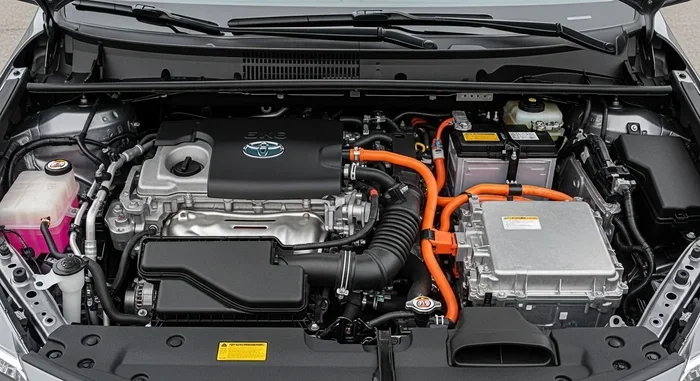
How Does the Toyota Hybrid System Work Inside the Tech
The Toyota Hybrid System combines a gasoline engine and electric motor to deliver smooth power and exceptional fuel economy. It uses a clever power split device, regenerative braking, and a hybrid battery pack to work smarter, not harder. Understanding this technology helps owners drive more efficiently and get the most from their Toyota hybrid vehicle.
The Toyota Hybrid System is one of the most proven and reliable powertrain technologies on the road today. Millions of drivers around the world trust Toyota hybrids to deliver excellent fuel economy, smooth acceleration, and lower emissions. But how does it all work under the hood? The answer lies in a brilliant combination of electric motors, gasoline engines, and smart computer controls.
If you have ever wondered what makes your Toyota hum so quietly at stoplights or why the gas gauge barely moves, you are in the right place. This article breaks down the Toyota Hybrid System in plain language. You will learn about every major component, how they work together, and why this technology has become a benchmark for the entire auto industry.
The Toyota hybrid powertrain is not magic. It is engineering. And once you understand the basics, you will appreciate your car on a whole new level.
Key Takeaways
- Dual Power Sources: The Toyota Hybrid System uses both a gasoline engine and an electric motor to power the car efficiently.
- Regenerative Braking: This smart feature captures energy during braking and stores it in the hybrid battery for later use.
- Power Split Device: A planetary gear set seamlessly blends electric and gas power without needing a traditional transmission.
- Multiple Drive Modes: EV mode, Eco mode, and Power mode let drivers choose how they want the car to perform.
- Low Maintenance: Toyota hybrids often require less maintenance than conventional vehicles thanks to regenerative braking and smart engine use.
- Self-Charging Design: The hybrid battery charges itself while driving, so you never need to plug in the car.
📑 Table of Contents
What Is the Toyota Hybrid System?
The Toyota Hybrid System is a type of hybrid powertrain that uses two power sources. The first is a traditional gasoline engine. The second is one or more electric motors. Together, they share the job of moving the car forward. This setup allows the vehicle to use less fuel and produce fewer emissions than a conventional car.
Toyota developed this system over decades of research and real-world testing. The first generation appeared in the 1997 Toyota Prius. Since then, the technology has evolved significantly. Modern Toyota hybrids include advanced features like regenerative braking and smart drive modes that adapt to your driving style.
One of the biggest advantages of the Toyota Hybrid Synergy Drive is its simplicity. Unlike plug-in hybrids or fully electric vehicles, a standard Toyota hybrid charges itself. You never need to find an outlet or worry about running out of electric charge. The system handles everything automatically.
Why Does the Toyota Hybrid System Matter?
Fuel prices keep rising. Emissions regulations keep tightening. Drivers want cars that are both practical and environmentally friendly. The Toyota Hybrid System answers all three concerns. It delivers the range of a gasoline car with the efficiency of an electric motor. This makes it a perfect choice for daily commuting, road trips, and everything in between.
If you want to understand how a hybrid car works step by step, you are already on the right track. The Toyota system is the gold standard that many other manufacturers try to replicate.
The Core Components of the Toyota Hybrid System
Every Toyota hybrid relies on several key parts working in harmony. Let us look at each component and understand what it does.
The Gasoline Engine
The gasoline engine in a Toyota hybrid works much like the one in a conventional car. It burns fuel to create power. However, in a hybrid setup, the engine does not work alone. It turns on and off automatically based on driving conditions. When you are cruising at a steady speed, the engine might shut off completely. When you need extra power, it kicks right back in.
Toyota uses highly efficient Atkinson-cycle engines in most hybrids. These engines prioritize fuel economy over raw power. They extract more energy from each drop of fuel compared to traditional Otto-cycle engines.
The Electric Motor(s)
The electric motor is the heart of the Toyota Hybrid System. In most Toyota hybrids, there are two motors. One motor acts as a generator. The other motor drives the wheels. Together, they handle acceleration, cruising, and even low-speed driving.
Electric motors deliver instant torque. This means your Toyota hybrid feels responsive and smooth from a standstill. The quiet electric-only mode also makes city driving more pleasant and fuel-efficient.
The Hybrid Battery Pack
The hybrid battery stores energy for the electric motors. Unlike the small 12-volt battery in a conventional car, the hybrid battery is much larger and more powerful. It typically uses nickel-metal hydride or lithium-ion technology.
The battery self-charges through regenerative braking and excess engine power. You never need to plug it in. As long as you drive, the battery stays topped up. If you are curious about battery health, you might wonder can you drive a Prius without the hybrid battery. The short answer is no. The hybrid battery is essential for the system to function properly.
The Power Split Device
This is where the Toyota Hybrid System truly shines. The power split device is a planetary gear set that acts like a smart traffic controller. It decides how much power comes from the engine, the electric motor, or both. It blends these power sources seamlessly, so you never feel a jarring shift.
The power split device is why Toyota hybrids do not need a traditional multi-speed transmission. It simplifies the drivetrain and improves reliability. Fewer moving parts means fewer things to go wrong over time.
How the Hybrid Powertrain Delivers Power
Now that you know the parts, let us see how they work together. The Toyota Hybrid System operates in several distinct ways depending on driving conditions. Understanding these modes helps you get the most out of your vehicle.
Electric-Only Mode
At low speeds, such as when pulling out of a parking space or crawling in traffic, the Toyota hybrid runs on electric power only. The gasoline engine stays off. This saves fuel and reduces noise. Electric-only mode works well for short distances at low speeds.
The range in electric-only mode depends on the battery charge level and driving conditions. Under light load, you might glide silently for a short distance before the engine needs to start up.
Combined Power Mode
When you accelerate hard or climb a hill, both the gasoline engine and electric motor work together. The system combines their power output to deliver strong acceleration. This is when the Toyota Hybrid System proves its strength. You get the burst of an electric motor with the sustained power of a gasoline engine.
During combined power mode, the engine also generates electricity. Some of this electricity powers the electric motor while the rest charges the battery. This smart energy management keeps everything running efficiently.
Cruising Mode
On the highway at a steady speed, the Toyota Hybrid System often uses just the gasoline engine. The engine runs at its most efficient RPM. The electric motor may assist or act as a generator depending on the load. This is when fuel economy reaches its peak.
Toyota engineers have tuned the system to minimize fuel consumption during cruising. The result is a car that sips gas on long road trips while still delivering a comfortable ride.
Regenerative Braking Mode
Every time you lift off the accelerator or press the brake pedal gently, the electric motor reverses its role. It becomes a generator. It captures kinetic energy and converts it back into electricity. This electricity flows into the hybrid battery for later use.
This process is called regenerative braking. It is one of the most innovative features of the Toyota Hybrid System. Instead of wasting energy as heat (like traditional brakes do), the system recycles it. This is a key reason why Toyota hybrids achieve such impressive fuel economy.
Toyota Hybrid Synergy Drive Explained
Toyota Hybrid Synergy Drive is the official name for Toyota’s hybrid technology platform. It is not just one part. It is the entire system working as one unified unit. The name reflects the seamless synergy between the engine, motors, and battery.
The Synergy Drive system uses a planetary gear set to split and combine power flows. This gear set connects the engine, the motor-generator, and the drive wheels. It allows the system to operate in any combination of power sources without any input from the driver.
You do not need to shift gears. You do not need to select a power source. The system does all of this automatically. It constantly monitors driving conditions and adjusts power delivery in real time. The result is a driving experience that feels natural and effortless.
How the Synergy Drive Differs from Other Hybrid Systems
Some hybrid systems use a parallel configuration where the engine and motor work independently. The Toyota system uses a series-parallel configuration. This gives it more flexibility. It can operate in electric-only, engine-only, or combined modes depending on what is most efficient at any given moment.
This flexibility is why the Toyota Hybrid System has remained the benchmark for over two decades. Competitors have tried to match it, but Toyota’s decades of refinement give it a clear edge.
The Role of the Inverter
The inverter is a crucial part of the Synergy Drive. It converts direct current (DC) from the hybrid battery into alternating current (AC) for the electric motor. It also converts AC back to DC during regenerative braking to recharge the battery.
Without the inverter, the electric motor and battery could not communicate. The inverter acts as the bridge between these components, ensuring smooth and efficient energy flow.
Hybrid Modes and Driving Modes
Toyota hybrids offer several driving modes that let you customize how the car responds. These modes adjust the balance between the electric motor and gasoline engine. They also change how the hybrid battery is used.
EV Mode
EV mode forces the car to run on electric power only. This is great for short trips around the neighborhood or in parking garages where silence matters. The gasoline engine stays completely off.
EV mode works best when the battery has a sufficient charge. If the battery gets low, the system will automatically switch to a hybrid mode to protect battery health.
Eco Mode
Eco mode prioritizes fuel economy above all else. It limits engine power, softens the throttle response, and encourages gentle driving habits. If you want to maximize your miles per gallon, Eco mode is your best friend.
Many Toyota hybrid owners notice a noticeable improvement in fuel economy when they use Eco mode regularly. It is a simple switch that makes a real difference over time.
Power Mode
Power mode is the opposite of Eco mode. It unlocks more acceleration and keeps the engine ready for quick responses. This mode is useful when you need to merge onto a highway or pass a slower vehicle.
Power mode uses more fuel because it relies more heavily on the gasoline engine. But it gives you the performance boost when you need it most.
Normal Mode
Normal mode is the default setting. It balances fuel economy and performance automatically. For most daily driving situations, Normal mode provides the best all-around experience. The system makes smart decisions about when to use electric power and when to use the engine.
Maintaining Your Toyota Hybrid System
One of the best things about the Toyota Hybrid System is its low maintenance cost. The regenerative braking system reduces wear on traditional brake pads. The gasoline engine runs less often, which means less wear on engine oil and other fluids.
However, the hybrid battery does have a lifespan. Most Toyota hybrid batteries last between 150,000 and 200,000 miles under normal driving conditions. Some batteries last even longer with proper care.
Tips for Extending Hybrid Battery Life
- Avoid deep discharges: Try not to let the battery level drop too low for extended periods.
- Drive regularly: Regular use keeps the battery cells balanced and healthy.
- Monitor the hybrid battery: Keep an eye on the battery indicator on your dashboard.
- Follow the maintenance schedule: Stick to Toyota’s recommended service intervals for hybrid-specific checks.
If you are planning a long trip or your car will sit parked for a while, keep in mind that how long a hybrid can sit without being driven matters. Toyota hybrids can sit for a few weeks without issues, but extended periods of inactivity can affect battery health. If you know your car will sit for a month or more, consider having someone start it and drive it periodically.
Common Hybrid System Warning Signs
Toyota hybrids are designed to alert you when something is off. A warning light on the dashboard is your first clue. Some common signs of hybrid system issues include unusual noises, reduced fuel economy, or the check engine light coming on.
If you notice any of these signs, it is best to visit a Toyota dealership or a qualified mechanic. Hybrid systems contain high-voltage components that require specialized knowledge to service safely.
Why the Toyota Hybrid System Stands Out
The Toyota Hybrid System has been refined over more than 25 years. It is the most tested and proven hybrid technology available. Here is why it continues to lead the industry.
First, reliability. Toyota hybrids are known for lasting well beyond 200,000 miles with minimal major repairs. The simple design of the power split device means fewer parts that can fail.
Second, efficiency. The combination of regenerative braking, smart power management, and efficient Atkinson-cycle engines delivers class-leading fuel economy. Many Toyota hybrids achieve 50 miles per gallon or more in mixed driving.
Third, simplicity. Unlike plug-in hybrids or fully electric vehicles, a standard Toyota hybrid requires no lifestyle changes. You fill up the gas tank just like any other car. The hybrid system handles the rest.
Fourth, resale value. Toyota hybrids hold their value exceptionally well. Buyers know they are getting a proven, reliable powertrain that will save them money on fuel for years to come.
The Toyota Hybrid System is more than just a powertrain. It is a complete approach to smarter driving. Every component is designed to work together seamlessly, extracting maximum efficiency from every drop of fuel and every watt of electricity.
Whether you drive a Toyota Prius, a Camry Hybrid, an RAV4 Hybrid, or any other Toyota hybrid model, you are benefiting from the same brilliant engineering. The system adapts to your driving habits, adjusts to road conditions, and always strives to use the most efficient power source available.
Understanding how your hybrid system works empowers you to drive better. You will naturally gravitate toward smoother acceleration, gentler braking, and more efficient routes. These small changes add up to significant fuel savings over the life of your vehicle.
The Toyota Hybrid System represents the best of both worlds. It gives you the convenience and range of a gasoline car with the efficiency and quietness of an electric motor. It is no wonder that Toyota remains the global leader in hybrid technology.
Next time you drive your Toyota hybrid, take a moment to appreciate the engineering happening under the hood. The seamless blend of electric and gasoline power is a marvel of modern technology. And with proper care and smart driving habits, your Toyota Hybrid System will keep delivering excellent performance for many years to come.
Frequently Asked Questions
How long does a Toyota hybrid battery last?
Most Toyota hybrid batteries last between 150,000 and 200,000 miles. Some batteries last even longer with proper care and regular driving. The battery is designed to outlast many other components of the vehicle.
Do you need to plug in a Toyota hybrid?
No. Standard Toyota hybrids are self-charging. The Toyota Hybrid System uses regenerative braking and excess engine power to keep the battery charged. You never need to find a charging station or plug in your car.
Can you jump-start a Toyota hybrid car?
Yes, you can jump-start a Toyota hybrid, but the process is slightly different from a conventional car. The 12-volt auxiliary battery is used for jump-starting. Always follow the owner’s manual for the correct procedure to avoid damaging the hybrid system.
What is the difference between a Toyota hybrid and a plug-in hybrid?
A standard Toyota hybrid self-charges its battery while driving. A plug-in hybrid has a larger battery that you charge from an external outlet. Plug-in hybrids can travel farther on electric power alone but require access to a charger.
Does the Toyota Hybrid System require special maintenance?
Toyota hybrids require the same basic maintenance as conventional cars, such as oil changes and tire rotations. However, the hybrid battery and high-voltage components should be inspected by a qualified technician. The regenerative braking system reduces brake wear significantly.
Is it safe to drive a Toyota hybrid in the rain or through water?
Yes. Toyota hybrid systems are sealed and waterproofed to meet strict safety standards. The high-voltage components are insulated and protected. You can safely drive your Toyota hybrid through normal rain and shallow water just like any other vehicle.