How Do You Reset the Tire Pressure Light 2015 Toyota Corolla
Resetting the tire pressure light on a 2015 Toyota Corolla is a straightforward process you can do at home in minutes. This guide walks you through every method, from using the reset button under the steering column to checking for slow leaks. You will learn why the light comes on, how to properly check your tire pressure, and when to seek professional help.
Dealing with a flashing tire pressure light on your dashboard can feel stressful. You are driving your 2015 Toyota Corolla, and suddenly that little yellow horseshoe icon pops up. The good news is that resetting the tire pressure light on a 2015 Toyota Corolla is something you can handle yourself at home.
Most drivers panic when they see a warning light, but the tire pressure monitoring system (TPMS) light is one of the simplest to address. Whether it came on because of a temperature drop, a slow leak, or you just rotated your tires, this guide has you covered. You will learn exactly how to reset the light, why it activates, and how to keep your tires in great shape.
This article breaks down every method step by step. We also cover common mistakes and expert tips that save you time and money. By the end, you will feel confident tackling this common Toyota maintenance task on your own.
Key Takeaways
- Simple Reset Process: The 2015 Toyota Corolla has a dedicated reset button that makes TPMS light reset quick and easy.
- Check Pressure First: Always verify and adjust tire pressure before resetting the light to avoid the warning returning.
- Multiple Methods Available: You can reset using the button, the vehicle settings menu, or by disconnecting the battery.
- Common Triggers Exist: Temperature changes, slow leaks, and faulty sensors are the top reasons the light stays on.
- Safety Matters: Proper tire pressure improves fuel economy, handling, and road safety for your Corolla.
📑 Table of Contents
- Understanding the Tire Pressure Monitoring System on the 2015 Corolla
- How to Reset the Tire Pressure Light on a 2015 Toyota Corolla
- Common Reasons the Tire Pressure Light Won’t Turn Off
- How to Check Your Tire Pressure Properly
- When to See a Professional Mechanic
- Quick Tips to Keep Your TPMS Working Properly
- Expert Insights on TPMS Maintenance
- Key Takeaways
- Conclusion
Understanding the Tire Pressure Monitoring System on the 2015 Corolla
What Is the TPMS and How Does It Work?
The Tire Pressure Monitoring System is a safety feature built into your 2015 Toyota Corolla. It uses small sensors inside each wheel to measure air pressure in real time. When pressure drops below the recommended level, the system sends a signal to your dashboard.
The warning light looks like a horseshoe with an exclamation point in the center. Resetting the tire pressure light 2015 Toyota Corolla becomes necessary anytime the system detects an issue or after you have fixed the problem. The TPMS is designed to protect you. Underinflated tires can reduce fuel efficiency, cause uneven wear, and increase the risk of a blowout.
Your Corolla uses a direct TPMS system. This means each wheel has its own physical sensor. These sensors are reliable, but they can fail over time. Understanding how the system works helps you troubleshoot more effectively.
Why Does the Tire Pressure Light Come On?
Several things can trigger the TPMS warning light. Here are the most common reasons:
- Low tire pressure: One or more tires have lost air, either from a puncture or natural slow leakage.
- Temperature changes: Cold weather causes air inside tires to contract, lowering pressure temporarily.
- Recent tire changes: After rotating tires, replacing a tire, or adding air, the system needs to be recalibrated.
- Faulty TPMS sensor: A sensor battery may be dead or the sensor itself may be damaged.
- Rapid air loss: A sudden deflation from a nail or sharp object triggers immediate warning.
Knowing the cause helps you decide the best approach to reset the tire pressure light on your 2015 Toyota Corolla. If the light came on after a cold morning, it may resolve itself once tires warm up. If it stays on, you need to take action.
How to Reset the Tire Pressure Light on a 2015 Toyota Corolla
There are three main methods to reset the TPMS light. Resetting the tire pressure light 2015 Toyota Corolla is quick with any of these approaches. Before you begin, make sure your tires are inflated to the correct pressure. The recommended PSI for a 2015 Corolla is typically 32 PSI for all four tires, but you can confirm this on the sticker inside the driver’s door frame.
Method 1: Using the Reset Button Under the Steering Column
This is the most common and fastest method. Here is exactly what to do:
- Start your 2015 Toyota Corolla and let the engine run for a few minutes.
- Locate the TPMS reset button. It sits under the steering column, to the left of the steering wheel. You may need to feel around with your fingers to find the small recessed button.
- Press and hold the reset button until the TPMS warning light on the dashboard blinks three times.
- Release the button and turn the ignition off.
- Restart the engine and drive for about 20 minutes. The light should turn off once the system recalibrates.
This method works in most cases. If the light comes back after a few days, there may be an underlying tire pressure issue you need to address first.
Method 2: Resetting Through the Vehicle Settings Menu
The 2015 Corolla also allows you to reset the TPMS through the information display screen. This method works well if the physical reset button is hard to reach:
- Turn the ignition to the “ON” position without starting the engine.
- Use the steering wheel arrows to navigate to the “Menu” or “Settings” option on the dashboard display.
- Scroll to the “Vehicle Settings” section.
- Look for the “TPMS” or “Tire Pressure” option.
- Select “Reset” and confirm your choice.
- Start driving. The system will relearn the tire pressure levels within a few miles.
This digital reset method is just as effective as the button method. Resetting the tire pressure light 2015 Toyota Corolla through the settings menu is especially helpful if you have trouble reaching the physical button.
Method 3: Disconnecting the Battery
If neither of the first two methods works, you can try disconnecting the car battery. This resets all electronic systems, including the TPMS:
- Turn off the engine and remove the key from the ignition.
- Open the hood and locate the negative battery terminal (marked with a minus sign).
- Use a wrench to loosen the cable clamp on the negative terminal.
- Remove the cable and wait for at least 10 minutes.
- Reconnect the cable and tighten it securely.
- Start the car and check if the TPMS light has turned off.
Note: Disconnecting the battery may also reset other settings like your radio presets and clock. You will need to reprogram those after reconnecting. This method should be your last resort. If the light persists after a battery reset, visit a mechanic to check for faulty sensors.
Common Reasons the Tire Pressure Light Won’t Turn Off
Sometimes you reset the light, but it comes right back. This is frustrating, but it usually points to a specific issue. Understanding these common problems helps you fix the root cause instead of just masking the symptom.
Slow Leaks and Small Punctures
A slow leak is the number one reason the TPMS light returns after a reset. You might not even see the nail or screw causing the leak. Over days or weeks, air seeps out gradually until the pressure drops enough to trigger the warning.
To check for slow leaks, apply soapy water to each tire valve and look for bubbles. You can also visit any auto parts store and ask them to check your tires with a professional air gauge. Fixing the leak and then resetting the tire pressure light 2015 Toyota Corolla should keep the warning off for good.
Temperature Changes and Seasonal Shifts
Cold weather is a sneaky trigger for the TPMS light. When temperatures drop, the air inside your tires contracts, reducing pressure by about 1 PSI for every 10-degree Fahrenheit decrease. This is completely normal and does not mean you have a leak.
If the light comes on during winter, simply add air to bring the pressure back to the recommended level. Then reset the system. The light should stay off once the tires warm up from driving.
Faulty or Dead TPMS Sensors
TPMS sensors have batteries that typically last 5 to 10 years. When the battery dies, the sensor cannot send accurate readings to your car’s computer. A dead sensor will cause the TPMS light to stay on even when your tires are perfectly inflated.
If you have checked all four tires and they hold pressure correctly, a faulty sensor is likely the culprit. Replacing a TPMS sensor costs between $50 and $100 per sensor. Many tire shops can do this quickly for you.
How to Check Your Tire Pressure Properly
Before you reset any warning light, always check your tire pressure first. Guessing will not solve the problem, and you will end up resetting the light only to see it return hours later.
Using a Tire Pressure Gauge
A tire pressure gauge is a small, inexpensive tool every driver should own. Here is how to use one correctly:
- Remove the valve cap from the tire stem.
- Press the gauge firmly onto the valve stem.
- Read the PSI number displayed on the gauge.
- Compare the reading to the recommended pressure listed on the driver’s door sticker.
- Add air if the pressure is low. Release air if it is too high.
Digital gauges give the most accurate readings, but a simple pencil-style gauge works perfectly fine for daily checks. Make it a habit to check your tire pressure at least once a month. Resetting the tire pressure light 2015 Toyota Corolla is much easier when you know your tires are in good condition.
Recommended Tire Pressure Levels for the 2015 Corolla
The 2015 Toyota Corolla recommends 32 PSI for all four tires. However, this number can vary slightly depending on your trim level and whether you have aftermarket tires. Always refer to the sticker on the driver’s side door jamb for the exact specification.
Do not rely on the maximum pressure printed on the tire sidewall. That number represents the tire’s maximum capacity, not the pressure recommended for your specific vehicle. Using the wrong pressure affects ride quality, handling, and fuel economy.
When to See a Professional Mechanic
Most TPMS issues are simple to fix. But there are times when professional help is the right call. If you have tried all three reset methods and the light keeps coming back, something deeper is going on.
You should see a mechanic if:
- The TPMS light flashes for more than 60 seconds after startup. This often indicates a malfunctioning sensor.
- One tire consistently loses air faster than the others, even after multiple repairs.
- You notice physical damage to a tire sidewall or wheel rim.
- The TPMS reset button or settings menu does not respond.
- You are unsure whether your tires hold the correct pressure.
A professional mechanic has diagnostic tools that can read each individual TPMS sensor. They can identify exactly which sensor is failing and replace it quickly. Resetting the tire pressure light 2015 Toyota Corolla is simple when the tires are healthy. When they are not, a mechanic can address the real problem.
Quick Tips to Keep Your TPMS Working Properly
Prevention is always better than repair. Here are some quick tips to keep your tire pressure monitoring system running smoothly:
- Check tire pressure monthly: A few minutes each month prevents most TPMS warnings.
- Keep a tire pressure gauge in your trunk: You never know when you will need it.
- Reset after every tire service: Whether you rotated tires, replaced a tire, or just added air, reset the TPMS system afterward.
- Replace TPMS sensor batteries on schedule: Most sensors last 5 to 7 years before the battery needs replacement.
- Do not ignore the light: Driving on underinflated tires reduces fuel economy and increases tire wear.
These small habits go a long way. Your 2015 Corolla will run safer and more efficiently when you stay on top of tire pressure.
Expert Insights on TPMS Maintenance
Many drivers treat the TPMS light as an annoyance and simply reset it without checking the tires. This approach works temporarily but ignores the underlying issue. Experienced Toyota mechanics recommend a two-step process: check the pressure first, then reset the system.
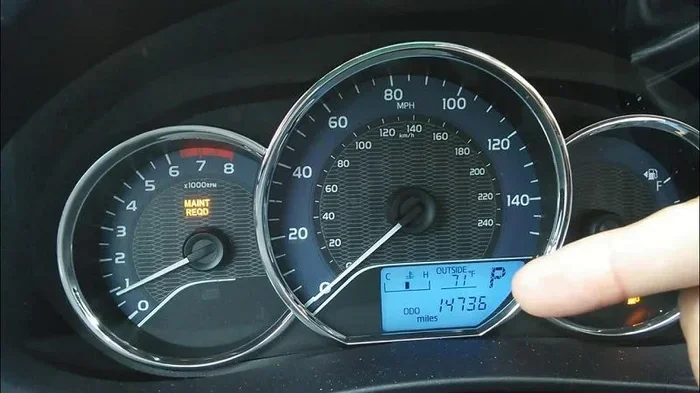
If you are someone who regularly drives in areas with big temperature swings, you may see the TPMS light seasonally. This is normal and does not indicate a problem. Simply adjust the pressure and reset the light. If you recently changed your oil and noticed the maintenance light is also on, you can learn more about resetting maintenance indicators by checking how the maintenance light behaves in your Toyota.
Proper tire care also extends the life of your tires and improves your overall driving experience. Underinflated tires wear out the outer edges of the tread, while overinflated tires wear the center. Keeping pressure balanced means even tire wear and a smoother ride.
One thing many Corolla owners overlook is the importance of checking the spare tire. If your 2015 Corolla came with a compact spare, it also has a sensor that can trigger the TPMS light. Always check the spare when you are doing a full tire pressure inspection.
Key Takeaways
- Simple Reset Process: The 2015 Toyota Corolla has a dedicated reset button that makes TPMS light reset quick and easy.
- Check Pressure First: Always verify and adjust tire pressure before resetting the light to avoid the warning returning.
- Multiple Methods Available: You can reset using the physical button, the vehicle settings menu, or by disconnecting the battery.
- Common Triggers Exist: Temperature changes, slow leaks, and faulty sensors are the top reasons the light stays on.
- Safety Matters: Proper tire pressure improves fuel economy, handling, and road safety for your Corolla.
- Professional Help When Needed: If the light persists after all reset methods, a mechanic can diagnose faulty sensors.
Conclusion
Resetting the tire pressure light on a 2015 Toyota Corolla is one of the simplest maintenance tasks you can do. Whether you use the reset button under the steering column, the vehicle settings menu, or the battery disconnect method, the process takes just a few minutes. The key is to always check your tire pressure first and make sure your tires are at the correct PSI before resetting the system.
Most TPMS warnings are caused by simple issues like temperature changes or slow leaks. Once you fix the root cause and reset the light, you can get back to driving with confidence. Remember to check your tires monthly, keep a gauge in your trunk, and do not ignore the warning light when it appears.
Taking care of your tires is one of the best things you can do for your 2015 Corolla. Properly inflated tires save you money on fuel, keep you safe on the road, and extend the life of your tires. Resetting the tire pressure light 2015 Toyota Corolla is just the beginning of good tire maintenance habits that will serve you well for years to come.
Stay proactive with your vehicle care. A little attention goes a long way. And if you ever find yourself unsure about any warning light or maintenance task, do not hesitate to consult a trusted mechanic. Your Toyota Corolla is a reliable car that rewards regular, simple maintenance with years of dependable service.
Frequently Asked Questions
Can I drive my 2015 Toyota Corolla with the tire pressure light on?
You can drive short distances, but it is not recommended. The TPMS light means at least one tire is underinflated, which affects handling and safety. Check your tire pressure as soon as possible and add air before driving long distances.
How much does it cost to replace a TPMS sensor on a 2015 Corolla?
Replacing a single TPMS sensor typically costs between $50 and $100 for the part and labor combined. Some shops charge more if the sensor needs to be programmed to your vehicle’s system. It is a quick repair that most tire shops can handle.
Why does my tire pressure light come on in cold weather?
Cold air causes the air inside your tires to contract, reducing pressure. A 10-degree drop in temperature can lower tire pressure by about 1 PSI. This is normal and usually resolves once the tires warm up from driving or the temperature rises.
How long does the TPMS reset take to complete on a 2015 Corolla?
The reset process itself takes about 30 seconds. However, the system needs 10 to 20 minutes of driving to fully recalibrate. The light should turn off after you drive for this period following the reset.
Will the tire pressure light reset itself after I add air?
In some cases, yes. If the pressure has been low for only a short time and you add air to the correct level, driving for a few minutes may cause the light to turn off. If it does not, you need to manually reset the system using the button or settings menu.
How often should I check the tire pressure on my 2015 Corolla?
You should check your tire pressure at least once a month and before any long trips. Regular checks help you catch slow leaks early and keep your tires performing at their best. This simple habit also prevents the TPMS light from coming on unexpectedly.