How Do You Clear the Code on Your Toyota Highlander
Clearing the code on a Toyota Highlander is a straightforward process you can do at home with an OBD-II scanner or by disconnecting the battery. Whether your check engine light is flashing or your maintenance light stays on, this guide walks you through every method safely. You will learn the difference between clearing fault codes, resetting the maintenance light, and when to seek professional help.
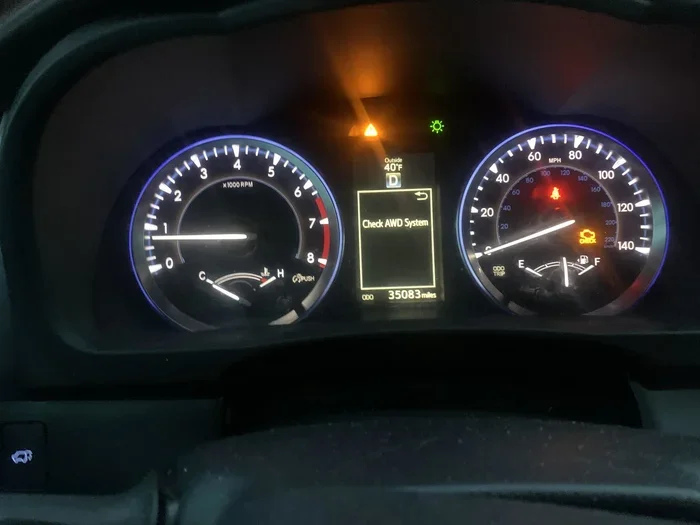
Have you ever glanced at your dashboard and seen that little engine light turn on in your Toyota Highlander? It is one of those moments that makes your stomach drop a little. You wonder what went wrong, whether it is something serious, and most importantly, how do you clear the code on your Toyota Highlander and make that light go away?
The good news is that clearing a code on a Toyota Highlander is something most car owners can do themselves. You do not need to be a mechanic or spend hundreds of dollars at a shop. Whether you are dealing with a check engine light, a maintenance required light, or a specific Toyota Highlander error code, there is a simple method that works.
This guide covers every way to clear codes on a Toyota Highlander. We will walk you through using an OBD-II scanner, the battery disconnect trick, and what to do when the maintenance light stays on. We will also cover when you should not clear a code and what to do if the light comes back.
By the end of this article, you will know exactly how to handle warning lights on your Toyota Highlander with confidence. Let us get into it.
Key Takeaways
- Use an OBD-II Scanner: This is the fastest and most reliable way to clear the code on a Toyota Highlander.
- Battery Disconnect Method Works Too: Disconnecting the negative terminal for 15 minutes can reset codes and clear the check engine light.
- Know When Not to Clear Codes: If your Highlander has a serious problem, clearing the code without fixing it can cause bigger issues.
- Maintenance Light Is Different: The maintenance required light needs a different reset process than the check engine light.
- Toyota Has Specific Procedures: Some Toyota Highlander models have unique reset steps depending on the year.
- Drive Cycle Matters: After clearing codes, you may need to complete a drive cycle to verify the repair.
📑 Table of Contents
- Understanding Toyota Highlander Diagnostic Codes
- How to Clear the Code on a Toyota Highlander Using an OBD-II Scanner
- Clearing Codes by Disconnecting the Battery
- Resetting the Maintenance Required Light on a Toyota Highlander
- When Should You NOT Clear the Code
- What to Do After Clearing the Code
- Expert Tips for Toyota Highlander Code Clearing
- Common Mistakes People Make When Clearing Codes
- Conclusion
Understanding Toyota Highlander Diagnostic Codes
Before you learn how to clear the code on a Toyota Highlander, it helps to understand what those codes actually mean. Your Highlander has a built-in computer system that monitors everything from the engine to the emissions system. When something goes wrong, the computer stores a diagnostic trouble code, also known as a DTC.
What Are OBD-II Codes?
OBD-II stands for On-Board Diagnostics II. It is the standard system used in all Toyota vehicles sold in the United States since 1996. When your Highlander detects a problem, the OBD-II system generates a code that tells you what went wrong. These codes range from minor issues like a loose gas cap to serious problems like a failing catalytic converter.
You can read these codes with a simple code reader for Toyota or a full diagnostic scanner. The code will look something like P0301 or P0420. Each letter and number combination tells you which system is affected and what the specific issue is.
Common Toyota Highlander Codes
Some codes show up more often on Toyota Highlanders than others. Here are a few you might encounter:
- P0300: Random misfire detected
- P0420: Catalyst system efficiency below threshold
- P0171: System too lean (bank 1)
- P0446: Evaporative emission control system malfunction
- P0128: Coolant thermostat (coolant temperature below thermostat regulating temperature)
These codes do not always mean you need expensive repairs. Sometimes a loose fuel cap or a faulty sensor triggers them. That is why it is smart to read the code before panicking.
How to Clear the Code on a Toyota Highlander Using an OBD-II Scanner
The most popular and effective way to clear the code on a Toyota Highlander is with an OBD-II scanner. This tool plugs directly into your vehicle’s diagnostic port and communicates with the onboard computer. You can read the current codes, clear them, and even monitor live data in real time.
Step-by-Step: Using an OBD-II Scanner
Follow these steps to clear codes on your Toyota Highlander:
- Locate the OBD-II Port: On a Toyota Highlander, the port is usually under the dashboard on the driver’s side. It is near the steering column, below the fuse box area. You might need to look closely because it can be tucked away.
- Plug in the Scanner: Connect your OBD-II scanner to the port. The port has a specific shape, so the connector only fits one way. Do not force it.
- Turn the Ignition to On: Do not start the engine. Just turn the key to the “ON” position or press the start button without pressing the brake pedal.
- Read the Codes: Follow the scanner’s instructions to read the stored codes. Write them down or take a photo. This helps you track what the issue was before you clear it.
- Clear the Codes: Select the option to clear or erase codes on the scanner menu. The check engine light should turn off after a few seconds.
- Turn Off and Restart: Turn the ignition off, wait a few seconds, then restart the engine. Check if the light stays off.
Best OBD-II Scanners for Toyota Highlanders
Not all scanners are created equal. Here is what to look for when buying one:
- Basic Code Readers: These are affordable and do one job well. They read and clear codes. Great for everyday use.
- Mid-Range Scanners: These offer live data streaming, freeze frame data, and enhanced Toyota-specific codes.
- Professional-Grade Tools: These are what mechanics use. They cost more but offer deep diagnostic capabilities.
If you are not sure which scanner to buy, a basic OBD-II reader works perfectly for clearing codes on a Toyota Highlander. You can find them for under $30 at most auto parts stores or online.
For more information on clearing codes manually without a scanner, check out how to manually clear car codes.
Clearing Codes by Disconnecting the Battery
If you do not have an OBD-II scanner, you can still clear the code on your Toyota Highlander by disconnecting the battery. This method resets the vehicle’s computer and erases stored fault codes. It also resets the maintenance required light in many cases.
How to Disconnect the Battery Safely
Here is the step-by-step process:
- Turn Off the Engine: Make sure your Toyota Highlander is completely off and parked in a safe, flat area.
- Open the Hood: Locate the battery. On most Highlanders, it is in the engine bay on the front passenger side.
- Find the Negative Terminal: The negative terminal is marked with a minus sign (-) and usually has a black cable. This is the one you want to disconnect.
- Loosen the Nut: Use a wrench to loosen the nut on the negative terminal clamp. Once loose, carefully remove the cable from the terminal.
- Wait 15 to 30 Minutes: This is the most important step. The vehicle needs time to fully discharge its short-term memory. Fifteen minutes is the minimum, but waiting 30 minutes ensures a complete reset.
- Reconnect the Cable: Place the negative cable back on the terminal and tighten the nut securely.
- Start the Engine: Turn the key or press the start button. The check engine light may stay on for a few seconds before turning off. This is normal.
Things to Keep in Mind
Disconnecting the battery is not without its drawbacks. Here are a few things to be aware of:
- Radio Presets Will Reset: You will need to reprogram your radio stations after reconnecting the battery.
- Power Windows May Need Recalibration: Some Toyota Highlanders require you to reset the power window auto-up/down feature.
- Clock Will Reset: The time and date will go back to default.
- It Does Not Fix the Problem: Disconnecting the battery erases the code but does not repair whatever caused it in the first place.
If the check engine light comes back after disconnecting the battery, you have an ongoing issue that needs attention. In that case, it is worth learning more about whether you can safely drive with the check engine light on in a Toyota. The same general advice applies to the Highlander.
Resetting the Maintenance Required Light on a Toyota Highlander
The maintenance required light is different from the check engine light. The check engine light signals a problem detected by the OBD-II system. The maintenance required light is simply a reminder that it is time for an oil change or scheduled service. Clearing one does not automatically clear the other.
How to Reset the Maintenance Light
Follow these steps to reset the maintenance required light on your Toyota Highlander:
- Turn the Ignition to On: Press the start button or turn the key to the “ON” position without starting the engine.
- Press the Trip Meter Reset Button: Use the steering wheel controls or the button near the instrument cluster to access the trip meter display.
- Navigate to the Maintenance Menu: On most Toyota models, you hold the trip reset button for several seconds until the maintenance menu appears on the dashboard display.
- Select Reset: Use the arrow buttons to select “Reset” and confirm your selection.
- Turn the Ignition Off and Back On: This confirms the reset. The maintenance light should now be off.
Keep in mind that the exact steps can vary slightly depending on your Highlander model year. If the maintenance light stays on after following these steps, you may need a scanner to clear it or there could be an underlying issue. Some owners have found that the light returns if the oil life system has not been properly calibrated after an oil change.
If you are unsure about the maintenance light, you can read more about whether it is normal for the maintenance light to stay on and what it means for your Toyota.
When Should You NOT Clear the Code
Here is where many car owners make a mistake. It can be tempting to simply clear the code and forget about it. But there are times when clearing the code without addressing the root cause can make things worse or even be dangerous.
Do Not Clear Codes If:
- The Check Engine Light Is Flashing: A flashing check engine light usually indicates a serious engine misfire that can damage your catalytic converter. Clearing this code and ignoring it could lead to expensive repairs.
- Your Highlander Is Running Rough: If you notice hesitation, stalling, or unusual sounds, clearing the code will not fix the mechanical problem.
- You Have Recently Had Work Done: If you just got a repair and the light is still on, clearing the code will erase valuable diagnostic information your mechanic needs.
- You Are Planning an Emissions Test: In many states, the OBD-II system needs to run a complete drive cycle before it is ready for testing. Clearing the code right before an emissions test will likely result in a fail.
The Right Approach
The smart approach is to read the code first, understand what it means, and then decide whether to clear it. If the code points to something minor like a loose gas cap, tightening the cap and driving for a few days may clear the code on its own. If it points to something serious, take your Toyota Highlander to a trusted mechanic before clearing anything.
For advice on driving with warning lights on in Toyota vehicles, check out can I drive with a maintenance required light on in a Toyota.
What to Do After Clearing the Code
Clearing the code is only half the battle. After you clear the code on your Toyota Highlander, you need to monitor the vehicle to make sure the problem is resolved. Here is what to do next.
Complete a Drive Cycle
A drive cycle is a series of driving conditions that allow the OBD-II system to run its self-tests. After clearing a code, your Toyota Highlander needs to go through a complete drive cycle to verify that the repair was successful. The system monitors various parameters and will set the code again if the problem persists.
A typical drive cycle includes:
- Cold start and idle for a few minutes
- Driving at moderate speeds (30 to 50 mph) for several miles
- Highway driving at 50 to 65 mph for about 10 minutes
- Deceleration and coasting
- Final idle period after parking
If the check engine light does not return after completing the drive cycle, your repair was likely successful. If it comes back, you have an ongoing issue that needs further diagnosis.
Monitor Your Toyota Highlander
Keep an eye on your Highlander for the next few days after clearing a code. Watch for:
- The check engine light returning
- Unusual sounds or vibrations
- Changes in fuel economy
- Performance issues like stalling or hesitation
- Any new warning lights on the dashboard
If you notice any of these symptoms, do not ignore them. Use your OBD-II scanner to read the code again and take appropriate action.
Expert Tips for Toyota Highlander Code Clearing
Here are some expert insights that will save you time and money when dealing with codes on your Toyota Highlander:
Tip 1: Always Write Down the Code First
Before you clear any code, write it down or take a photo of it. This is your diagnostic record. If the problem returns, the code gives you and your mechanic a starting point for diagnosis. Without it, you are guessing.
Tip 2: Use a Quality Scanner
A cheap code reader might read basic codes, but it may not read enhanced Toyota-specific codes. Investing in a mid-range scanner that supports Toyota protocols gives you much more detailed information about what is happening under the hood.
Tip 3: Check the Gas Cap First
This sounds silly, but a loose or faulty gas cap is one of the most common reasons for a check engine light on a Toyota Highlander. Before you do anything else, tighten the gas cap and drive for a few days. The light may go away on its own.
Tip 4: Do Not Clear Codes Before an Emissions Test
Clearing codes right before an emissions test can actually cause you to fail. The OBD-II system needs to complete its readiness monitors, and a recently cleared code means those monitors have not run yet. Wait at least a week of normal driving before any emissions testing.
Tip 5: Know Your Toyota Highlander Year
Different model years of the Toyota Highlander may have slightly different procedures for resetting lights and clearing codes. Always consult your owner’s manual for model-specific instructions. The manual is your best friend when it comes to understanding your specific vehicle.
Common Mistakes People Make When Clearing Codes
Avoid these common mistakes to save yourself frustration and money:
- Clearing Codes Without Fixing the Problem: This is the number one mistake. The code will return, and you will be right back where you started.
- Using the Wrong Scanner: Not all scanners work with all vehicles. Make sure your scanner supports Toyota OBD-II protocols.
- Disconnecting the Battery Without Knowing the Consequences: You will lose radio presets, clock settings, and in some cases, adaptive learning data that helps your engine run smoothly.
- Ignoring a Flashing Check Engine Light: A flashing light is an emergency. Do not clear it and keep driving. Pull over safely and get your vehicle inspected.
- Assuming All Codes Are the Same: A P0300 code means something completely different from a P0446 code. Always read and research the specific code before taking action.
These mistakes can lead to wasted time, unnecessary parts purchases, and in some cases, further damage to your Toyota Highlander. Take your time, read the codes carefully, and address the root cause.
For more Toyota-specific guidance, you might also find it helpful to check out information about driving a Toyota with the check engine light on since many Toyota models share similar diagnostic systems.
Conclusion
Clearing the code on your Toyota Highlander does not have to be complicated or expensive. With an OBD-II scanner, a simple battery disconnect, or by following the maintenance light reset procedure, you can handle most warning lights yourself. The key is understanding what the code means before you clear it and making sure you address the underlying issue.
Always write down your codes first, use the right tools, and know when to seek professional help. Whether you are dealing with a minor sensor issue or a more serious engine concern, the steps in this guide will help you navigate the process with confidence.
Your Toyota Highlander is a reliable and well-built vehicle. With the right knowledge and a little patience, you can keep it running smoothly for years to come. The next time that check engine light or maintenance light comes on, you will know exactly what to do.
Frequently Asked Questions
Can I drive my Toyota Highlander with the check engine light on?
If the light is solid and not flashing, you can usually drive a short distance to get the vehicle inspected. However, if the light is flashing, you should pull over safely and avoid driving. A flashing check engine light often indicates a serious issue like an engine misfire that can cause catalytic converter damage.
How much does it cost to clear a code at a mechanic?
Many mechanics will read and clear codes for free or charge a small diagnostic fee, typically between $50 and $100. If you buy a basic OBD-II scanner for under $30, you can do it yourself at home and save money.
Why did my check engine light come back after I cleared it?
If the check engine light returns after clearing, it means the underlying problem has not been fixed. The OBD-II system detected the same issue again during its self-tests. You need to diagnose and repair the actual cause of the code.
How long does it take for the check engine light to go off after fixing the problem?
After fixing the problem, the check engine light may turn off immediately or take a few days of normal driving. The OBD-II system needs to run a complete drive cycle and confirm the repair before it turns the light off permanently.
Will clearing codes on my Toyota Highlander void the warranty?
No, clearing codes does not void your Toyota warranty. However, if you clear codes to hide a problem that is still occurring, it could complicate a warranty claim. Always be honest with your dealer about any issues your vehicle is experiencing.
What is the difference between the check engine light and the maintenance required light on a Toyota Highlander?
The check engine light is a warning from the OBD-II system about a detected problem in the engine or emissions system. The maintenance required light is simply a service reminder that tells you it is time for an oil change or scheduled maintenance. They have different causes and different reset procedures.