Do Toyota SUVs Hold Their Value And Why You Should Care
Do Toyota SUVs hold their value? Yes, and they consistently outperform most competitors in resale. Toyota SUVs like the RAV4 and Sequoia rank among the best for value retention thanks to reliability, brand trust, and strong demand. Understanding why they hold value helps you make a smarter buying decision.
Do Toyota SUVs hold their value? The short answer is yes. And when you look at the numbers, the difference is remarkable. Most vehicles lose nearly half their worth within five years. Toyota SUVs? They often keep significantly more. This is not a coincidence. It comes down to engineering, reputation, and what buyers want on the used market.
If you are shopping for a Toyota SUV or already own one, understanding Toyota SUV resale value matters. It affects your wallet every single day. Whether you plan to trade in, sell privately, or just want peace of mind, knowing how Toyota SUVs hold their value gives you an edge. Let us break down exactly why this happens and what you need to know.
The concept of vehicle depreciation rate scares most car buyers. Nobody wants to watch their hard-earned money melt away. But Toyota SUVs handle depreciation better than nearly every other brand. This makes them one of the smartest purchases in the automotive world. Let us explore why.
Key Takeaways
- Toyota SUVs hold value exceptionally well compared to most brands, often losing less than 30% of value in five years.
- Reliability is the #1 reason Toyota SUVs retain their worth over time.
- Models like the RAV4, 4Runner, and Sequoia lead the pack in resale value.
- Brand reputation and consumer trust play a huge role in Toyota SUV depreciation rates.
- Regular maintenance and care can further boost your Toyota SUV’s resale price.
- Used Toyota SUV prices remain strong, making them a smart investment for buyers.
📑 Table of Contents
Why Toyota SUVs Are Known For Holding Value
Toyota has built a reputation that few brands can match. When people think Toyota SUV reliability, they think long-term durability. This reputation does not happen overnight. It is built over decades of consistent quality. Let us look at the main reasons Toyota SUVs hold their value so well.
Reliability Is The Foundation
Toyota builds vehicles that last. This is not marketing fluff. It is a proven track record. Consumer Reports and J.D. Power consistently rank Toyota at or near the top for reliability. When a vehicle is known to run for 200,000 miles or more, buyers are willing to pay more for it used.
Think about it this way. Would you rather buy a five-year-old SUV with a questionable repair history, or one with a known reputation for lasting forever? The answer is obvious. This is why Toyota SUV longevity directly impacts resale value. Buyers trust what they get.
Brand Reputation And Consumer Trust
Toyota has earned something money cannot easily buy. Trust. When you buy a Toyota, you know it will start every morning. It will not leave you stranded. This trust translates directly into Toyota brand loyalty, which keeps demand high in the used market.
Strong demand means strong prices. Even during economic downturns, Toyota SUVs maintain their worth better than most competitors. This is the power of a brand that has delivered for millions of owners worldwide.
Strong Used Market Demand
Used Toyota SUVs fly off lots. Dealerships know this. That is why they often price them competitively from the start. High demand for used Toyota SUV prices keeps values stable. The law of supply and demand works in Toyota’s favor here.
Popular models like the RAV4 and 4Runner have waiting lists even in the used market. When demand exceeds supply, prices stay high. This cycle benefits both current owners and future buyers.
The Depreciation Curve Of Toyota SUVs
Every vehicle depreciates. That is just the reality of car ownership. But the rate at which it happens varies wildly. Understanding the Toyota SUV depreciation rate helps you make informed decisions. Let us walk through what to expect.
Year-By-Year Depreciation Breakdown
Most vehicles lose about 15% to 20% of their value in the first year. Toyota SUVs typically lose closer to 10% to 15%. By year three, the gap widens further. A typical SUV might lose 40% of its value. A Toyota SUV? Often closer to 25% to 30%.
By year five, the difference becomes substantial. A non-Toyota SUV might be worth half of what you paid. A Toyota SUV could still be worth 65% or more. Over time, this adds up to thousands of dollars in retained value.
How Toyota Compares To Other Brands
Let us put this into perspective. When you compare Toyota SUV resale value to competitors, the gap is clear. Brands like Hyundai and Kia have improved, but they still fall behind Toyota in value retention. Even some luxury brands struggle to match Toyota’s used market performance.
This does not mean every Toyota model wins. But the SUV lineup consistently delivers. The numbers speak for themselves when you look at annual Toyota SUV market value reports from sources like Kelley Blue Book and Edmunds.
Which Toyota SUVs Hold Value Best
Not all Toyota SUVs are created equal when it comes to holding value. Some models stand out significantly. Here are the Toyota SUVs that best retain their worth over time.
Toyota RAV4
The RAV4 is the best-selling SUV in America for good reason. It offers a perfect blend of size, efficiency, and reliability. The average weight of Toyota RAV4 and its efficient design make it appealing to a wide range of buyers. Used RAV4 prices remain remarkably stable.
Whether you choose the gas, hybrid, or Prime plug-in version, the RAV4 holds its value. The hybrid model in particular has seen surging demand in recent years. This pushes resale prices even higher.
Toyota 4Runner
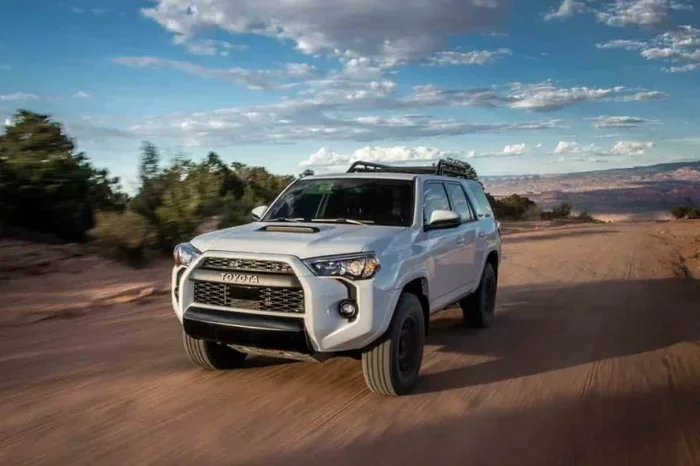
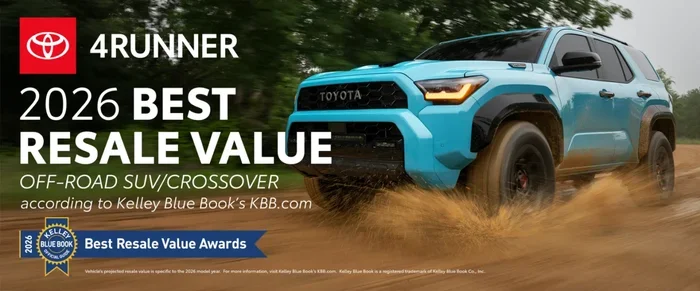
The 4Runner is a legend. It is simple, rugged, and built to last. Few modern SUVs match its off-road credibility. This cult following means used 4Runner prices stay incredibly strong. Some years even appreciate in value.
The 4Runner’s body-on-frame construction gives it an edge in durability. Buyers know this truck-based SUV will keep going forever. That reputation drives Toyota SUV worth up with every passing year.
Toyota Sequoia
For families who need serious space, the Sequoia delivers. Its average life of a Toyota Sequoia often exceeds 200,000 miles with proper care. This full-size SUV holds value remarkably well for its class.
The Sequoia’s combination of towing capability, seating for eight, and Toyota reliability makes it a hot commodity on the used market. If you are considering a large family SUV, the Sequoia is a standout choice for long-term value.
Toyota Highlander
The Highlander fills the mid-size SUV slot perfectly. It offers a smooth ride, modern tech, and the reliability Toyota is known for. Used Highlander prices hold steady, especially for hybrid versions.
The Highlander competes directly with the RAV4 but in a larger package. Both models share the same strong value retention DNA. Buyers looking for a family-friendly SUV without breaking the bank find the Highlander compelling.
Toyota 4Runner vs Other Mid-Size SUVs
When you compare the 4Runner side by side with similar models, the value advantage is clear. Vehicles like the Ford Explorer and Chevrolet Tahoe depreciate faster. The 4Runner’s simplicity and proven durability give it a unique edge.
While other SUVs add complexity with new tech each year, the 4Runner keeps it straightforward. This approach pays off handsomely when it comes time to sell or trade in.
Factors That Affect Toyota SUV Value Retention
Even the best Toyota SUV will lose value if certain factors work against it. Understanding what influences Toyota SUV value retention helps you protect your investment. Here are the key factors that matter most.
Mileage And Usage
Mileage is the single biggest factor in depreciation. Lower mileage means higher resale value. A Toyota SUV with 40,000 miles will always fetch more than one with 100,000 miles. But even high-mileage Toyotas hold value better than low-mileage competitors.
If you use your SUV for daily commuting, consider a hybrid model. The reduced wear on the engine and drivetrain can help preserve value over time. Toyota SUV fuel economy also appeals to a broader pool of used buyers.
Maintenance History
A complete service record is gold when selling a Toyota SUV. Buyers want proof that the vehicle was cared for. Regular oil changes, tire rotations, and scheduled maintenance all add up to a stronger resale price.
Keeping your Toyota SUV maintenance costs low through proper care is a win-win. You save money during ownership and earn it back when you sell. Never skip service appointments if you plan to sell later.
Condition And Appearance
First impressions matter enormously. A clean, well-maintained exterior and interior command higher prices. Small dents, scratches, and worn upholstery all drag value down.
Invest in quality floor mats and a sunshade. These simple steps protect your interior from wear. When it comes time to sell, the difference is noticeable. Buyers are willing to pay a premium for a vehicle that looks and feels cared for.
Trim Level And Options
Not all trims hold value equally. Limited and Platinum trims often retain more value than base models. This is because they come with desirable features buyers want.
However, popular options like all-wheel drive, leather seats, and advanced safety features also boost resale. When choosing a Toyota SUV, consider what buyers will want in the used market. The right options can significantly slow Toyota SUV depreciation.
Color And Exterior Preferences
Believe it or not, color affects resale value. Neutral colors like white, black, and silver sell faster and often for more money. Bold colors might be fun but they narrow your buyer pool.
This is a small detail that many people overlook. When shopping for a new Toyota SUV, keep resale in mind. A popular color choice today protects your value tomorrow.
How To Maximize Your Toyota SUV’s Resale Value
You do not have to sit back and accept whatever depreciation throws at you. There are real steps you can take to protect your Toyota SUV resale value. Here is how to get the most money back when it is time to move on.
Keep Detailed Records
Every oil change, every tire rotation, every repair. Keep the receipts and log them in a folder or app. When a buyer asks for service history, you want to hand over a complete binder. This builds confidence and justifies a higher price.
Address Issues Promptly
Small problems become big problems fast. A rattling sound today could signal a serious issue tomorrow. Fix things early. This keeps your Toyota SUV running smoothly and prevents buyers from using maintenance needs as a negotiating tool.
Keep It Clean Inside And Out
Regular washing, waxing, and interior cleaning go a long way. Consider professional detailing before selling. The investment pays for itself many times over in a higher sale price. First impressions are everything in the used car market.
Know Your Market Value
Before you list your SUV for sale, research its current Toyota SUV market value. Use tools like Kelley Blue Book and Edmunds to understand what similar vehicles sell for in your area. Pricing competitively gets you sold faster and closer to your target price.
Also consider timing. Selling in spring or early summer often yields better prices. Families are shopping for summer road trips, and demand rises accordingly.
Consider Selling Privately
Private sales almost always net more money than trading in at a dealership. Yes, it takes more effort. But the extra hundreds or even thousands of dollars make it worthwhile for most owners.
Take good photos, write a detailed description, and be honest about the vehicle’s condition. Transparency builds trust with buyers and leads to smoother negotiations.
The Bottom Line On Toyota SUV Value
So, do Toyota SUVs hold their value? Absolutely. The evidence is overwhelming. From the compact RAV4 to the full-size Sequoia, Toyota SUVs consistently outperform competitors in resale value. This is not a fluke. It is the result of decades of excellence in engineering, reliability, and brand building.
When you buy a Toyota SUV, you are not just buying transportation. You are making a smart financial decision. The Toyota SUV cost of ownership is lower because you lose less money to depreciation. You pay less over time, and you get more back when you sell.
If you are in the market for a new or used SUV, a Toyota should be at the top of your list. The numbers do not lie. Toyota SUVs deliver value that lasts. And that is something every car buyer can appreciate.
Before you make any final decision, take time to understand the fair market value of a car in your specific situation. This ensures you are getting the best deal whether you are buying or selling. A little research goes a long way toward protecting your investment.
Ultimately, the best Toyota SUV for you depends on your needs, budget, and lifestyle. But one thing is certain. Whatever you choose from the Toyota lineup, you are picking a vehicle that will hold its value better than almost anything else on the road. That peace of mind is priceless.
Frequently Asked Questions
Why do Toyota SUVs hold their value better than other brands?
Toyota SUVs hold their value because of proven reliability, strong brand reputation, and high consumer trust. Buyers know a used Toyota will last, which keeps demand strong and prices stable in the resale market.
Which Toyota SUV has the best resale value?
The Toyota 4Runner consistently ranks as one of the best for resale value. The RAV4 and Sequoia also perform exceptionally well. These models combine reliability, desirability, and strong used market demand.
How much does a Toyota SUV depreciate in five years?
Most Toyota SUVs lose about 25% to 35% of their value in five years. This is significantly less than the industry average of 40% to 50%. The exact rate depends on the model, mileage, and condition.
Do hybrid Toyota SUVs hold value better than gas models?
Generally yes. Hybrid Toyota SUVs like the RAV4 Hybrid and Highlander Hybrid hold value slightly better. Rising fuel prices and environmental awareness drive higher demand for hybrid models in the used market.
Can I check my Toyota SUV’s current market value online?
Yes. Websites like Kelley Blue Book, Edmunds, and NADA Guides provide instant estimates. You can also visit a local dealership for a free appraisal. Understanding your SUV’s current worth helps you make smarter selling or trading decisions.
Is buying a used Toyota SUV a good investment?
Buying used is one of the best ways to maximize value. You avoid the steep first-year depreciation and still get a reliable vehicle. A well-maintained used Toyota SUV offers excellent long-term value and lower ownership costs.
=== INTERNAL LINKS ===
Understanding the fair market value of a car is essential when buying or selling any vehicle, and Toyota SUVs are no exception.
The Toyota RAV4 remains one of the most popular choices for buyers seeking a reliable and value-retaining SUV.
For families needing more space, the Toyota Sequoia offers exceptional longevity and strong resale performance.