Harley Freewheeler Problems: Common Complaints and Fixes
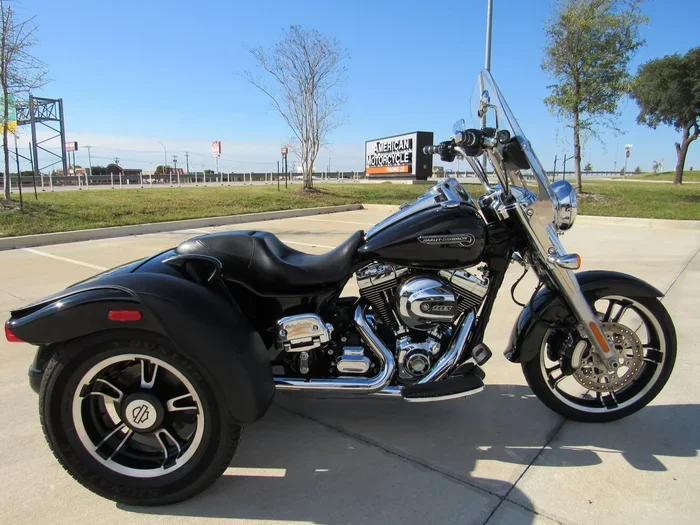
The Harley Freewheeler is a popular trike, but owners face real issues like transmission glitches, electrical faults, and engine trouble. This guide covers the most frequent Harley Freewheeler Problems and offers clear, practical fixes you can do yourself or have a mechanic handle. Learn what to watch for, how to prevent costly repairs, and keep your ride running strong.
Owning a Harley Davidson Freewheeler is a dream for many riders. That classic cruiser look with the added stability of a trike is hard to beat. But let us be honest. These machines are not perfect. Harley Freewheeler Problems pop up more often than most owners expect. From transmission hiccups to electrical gremlins, the complaints are real and widespread.
If you own a Freewheeler or are thinking about buying one, you need to know what can go wrong. This article breaks down the most common issues riders face every day. We will cover what causes these problems, how to spot them early, and the best ways to fix them. By the end, you will feel confident about keeping your trike in top shape.
Understanding Harley Freewheeler Problems before they become big expenses is the smartest thing a trike owner can do. Prevention and timely repairs save hundreds, sometimes thousands of dollars. So let us dive into the details and give you the full picture.
Key Takeaways
- Transmission issues are the most common Harley Freewheeler Problems, especially rough shifting and reverse gear failures.
- Electrical faults like faulty wiring and battery drain can cause frustrating starting and lighting problems.
- Engine overheating and fuel system leaks are serious concerns that need immediate attention.
- Regular maintenance and early detection of problems save money and keep your trike safe.
- Knowing your warranty coverage helps you avoid paying for repairs that should be free.
- Common owner complaints include suspension stiffness, brake issues, and poor fuel economy.
- Proactive troubleshooting and following the service schedule prevent most major breakdowns.
📑 Table of Contents
Transmission and Shifting Issues
The transmission is the heart of any motorcycle, and the Freewheeler is no different. Many riders report rough shifting, hesitation, or outright refusal to engage gears. These Harley Freewheeler Problems with the transmission can turn a smooth ride into a frustrating experience fast.
Rough or Jerky Shifting
One of the most frequent complaints involves the gear shift feeling harsh or clunky. Riders describe a sudden jolt when moving from first to second or second to third. This often happens because the clutch cable needs adjustment. Over time, the cable stretches and wears. A loose cable means the clutch does not fully disengage, causing grinding and rough shifts.
Another cause is worn clutch plates. The clutch plates inside the transmission handle the engagement between gears. When they wear down, they cannot grip properly. The result is a sloppy, unpredictable shift. Replacing clutch plates is not cheap, but it is far cheaper than letting the problem worsen.
Quick Tip: Check your clutch cable free play every 3,000 miles. A simple adjustment at home with basic tools can solve many shifting issues. Use your owner manual for the exact specs.
Reverse Gear Failures
The reverse gear is a great feature on the Freewheeler, but it also causes trouble. Some owners report the reverse gear not engaging at all. Others say it slips or makes grinding noises. The reverse gear mechanism relies on a small set of gears and a solenoid. When the solenoid fails or the gears wear, reverse stops working.
Moisture can also get into the reverse gear housing, especially if you ride in wet conditions. This causes rust and corrosion on internal parts. Keeping the trike dry and inspecting the reverse gear area regularly helps prevent this issue.
Neutral Finder Problems
Finding neutral between first and second gear can be tricky on the Freewheeler. Some riders struggle to locate neutral, especially when the bike is cold. The neutral finder mechanism uses a small detent that can wear over time. Adjusting the neutral finder or replacing the detent spring often fixes this problem.
If you find yourself constantly fighting to find neutral, do not ignore it. A proper neutral finder adjustment takes minutes but saves a lot of stress at stops and during startup.
Electrical System Complaints
Electrical issues top the list of Harley Freewheeler Problems that owners bring up in forums and reviews. The trike has a complex web of wiring, connectors, and electronic components. When one part fails, it can cause a chain reaction of problems.
Battery Drain and Starting Issues
A dead battery is the number one electrical complaint. Some Freewheelers drain the battery even when the trike is sitting unused. This happens because of parasitic draw from accessories or faulty wiring. Common culprits include aftermarket LED lights, GPS units, and USB chargers that draw power even when the ignition is off.
To fix this, disconnect all aftermarket accessories and test the battery drain with a multimeter. If the draw is still too high, you may need to trace the wiring for a short circuit. Harley dealerships can run a parasitic draw test for you if you are not comfortable doing it yourself.
Hard starting is another related issue. A weak battery, corroded terminals, or a failing starter motor can all make starting your Freewheeler a battle. Clean your terminals regularly and replace the battery every 3 to 5 years, even if it seems fine.
Faulty Wiring and Connector Corrosion
The Freewheeler has many connectors under the seat and near the battery. These connectors can corrode over time, especially in humid or coastal areas. Corroded connectors cause intermittent electrical failures. You might lose your tail lights, dashboard lights, or even the fuel gauge randomly.
The fix is straightforward. Inspect all connectors for green or white buildup. Clean them with electrical contact cleaner and a small brush. Applying dielectric grease after cleaning helps prevent future corrosion.
Dashboard Warning Lights
Dashboard warning lights on the Freewheeler can be confusing. The check engine light, oil pressure light, and battery light all share the same cluster. Sometimes a single faulty sensor triggers multiple warnings. Other times, the issue is real and needs immediate attention.
Do not ignore warning lights. Even if the trike seems to run fine, the underlying problem could get worse. Use a diagnostic scanner compatible with Harley Davidson to read the error codes. Many auto parts stores offer free scanning for Harley models.
Engine and Fuel System Issues
The Freewheeler uses a powerful Milwaukee-Eight engine, but it is not immune to problems. Harley Freewheeler Problems with the engine and fuel system can affect performance, fuel economy, and reliability.
Engine Overheating
Engine overheating is a serious concern, especially during summer rides or heavy traffic. The Milwaukee-Eight engine runs hot by design, but some Freewheelers overheat more than they should. Common causes include a faulty thermostat, low coolant levels, or a clogged radiator.
Riders who haul heavy loads or tow accessories are more prone to overheating. The extra weight puts more stress on the cooling system. If your temperature gauge climbs into the red zone, pull over safely and let the engine cool down. Continuing to ride while overheating can cause permanent engine damage.
Expert Insight: Many experienced Freewheeler owners recommend installing an aftermarket cooling fan or upgrading the radiator. These small changes can make a big difference in hot weather riding.
Fuel Leaks and Carburetor Issues
Fuel leaks are never a good sign. Some Freewheelers develop leaks from the fuel lines or the carburetor bowl gasket. The carburetor mixes fuel and air for combustion. Over time, the gaskets wear out and fuel starts to seep out. You might notice a strong fuel smell, wet spots under the trike, or poor engine performance.
Fixing a fuel leak usually means replacing the gasket or the fuel line. Always address fuel leaks immediately. Fuel is flammable, and a leak near the hot engine creates a serious fire hazard.
Poor Fuel Economy
Many Freewheeler owners complain about disappointing fuel economy. The trike is heavy, and the Milwaukee-Eight engine is not designed for efficiency. However, poor fuel economy can also signal underlying Harley Freewheeler Problems. A dirty air filter, clogged fuel injectors, or incorrect tire pressure all reduce your miles per gallon.
Keeping up with basic maintenance helps maintain the best possible fuel economy. Replace your air filter regularly, use clean fuel, and check your tire pressure before every ride.
Suspension and Ride Quality Complaints
The Freewheeler offers a comfortable ride, but the suspension system has its share of issues. Riders who clock up high miles often report a stiffer, harsher ride over time.
Rear Suspension Sagging
The rear suspension on the Freewheeler uses a swingarm and shock absorbers. Over time, the shocks lose their damping ability. The rear end starts to sag, which changes the ride geometry and handling. A sagging rear suspension also puts extra strain on the chain and wheels.
Replacing the rear shocks is the most common fix. Many owners upgrade to aftermarket shocks for a smoother ride. Brands like Progressive and Bilstein offer suspension upgrades designed specifically for the Freewheeler.
Front Fork Issues
The front forks absorb a lot of road impact. Some riders report the forks leaking oil or bottoming out too easily. Fork seals wear out and allow oil to escape. This not only affects ride quality but also damages the fork internals if left unchecked.
Replacing fork seals is a job you can do at home with the right tools. However, if you are not comfortable working on the front end, a qualified mechanic can handle it quickly and affordably.
Trike Stability at Speed
Some owners feel the Freewheeler becomes unstable at higher speeds. This can be caused by misaligned wheels, worn tires, or incorrect suspension settings. Always have your wheel alignment checked after any suspension work or if you notice pulling to one side.
Using the correct tire pressure and replacing worn tires promptly also improves stability. Check your tire tread depth regularly and replace tires before they reach the wear bars.
Brake System Problems
Brakes are critical for safety, and Harley Freewheeler Problems with the braking system should never be ignored. The trike uses a combination of disc brakes and drum brakes depending on the model year.
Brake Noise and Vibration
Squealing or grinding brakes are a common complaint. This usually means the brake pads are worn down and need replacement. Worn pads expose the metal backing plate, which grinds against the rotor or drum. Not only is this noisy, but it also reduces braking power.
Vibration during braking often points to warped rotors. Rotors can warp from excessive heat or improper torquing of the wheel nuts. Resurfacing or replacing the rotors solves this problem. Always have your brakes inspected during every oil change.
Brake Fluid Leaks
Brake fluid leaks are dangerous and need immediate attention. The brake lines on the Freewheeler run along the frame and can rub against other components over time. This causes the protective coating to wear through and the lines to crack. A small leak can lead to a complete brake failure if not fixed.
Check your brake fluid level regularly. If it drops frequently, you have a leak somewhere in the system. Have a mechanic trace and repair the leak right away. Never ride with low or contaminated brake fluid.
Common Owner Complaints and Recalls
Beyond mechanical issues, many Harley Freewheeler Problems fall into the category of owner frustrations. These include comfort complaints, fit and finish issues, and factory recalls.
Comfort and Ergonomics
Some riders find the stock seat uncomfortable on long rides. The seating position on the Freewheeler is more upright than a traditional cruiser, which some people love and others hate. Aftermarket seats with better cushioning and lumbar support are popular upgrades.
Wind protection is another common complaint. The stock windshield on some models does not do enough to deflect wind at highway speeds. A taller or adjustable windshield makes a noticeable difference in comfort during long trips.
Known Recalls and Service Bulletins
Harley Davidson has issued recalls and service bulletins for certain Freewheeler model years. Common recall reasons include fuel pump failures, electrical wiring issues, and brake system defects. Always check if your specific trike has any outstanding recalls by using the VIN lookup tool on the Harley Davidson website.
Staying on top of recalls protects you and keeps your trike running safely. Dealerships perform recall repairs for free, so there is no reason to delay.
Warranty and Repair Costs
Understanding your warranty coverage is essential when dealing with Harley Freewheeler Problems. The standard warranty covers manufacturing defects for a set period or mileage. Extended warranty plans are available and can save you money on major repairs.
However, not all issues are covered. Wear items like brake pads, tires, and clutch plates are typically excluded. Knowing what is and is not covered helps you budget for repairs and avoid surprise bills.
Prevention and Maintenance Tips
The best way to deal with Harley Freewheeler Problems is to prevent them from happening in the first place. A solid maintenance routine keeps your trike running smoothly and catches small issues before they become big problems.
Follow the Service Schedule
Harley Davidson provides a detailed service schedule for every model. Follow it closely. Change your oil, replace filters, and check fluids at the recommended intervals. Skipping services is the fastest way to invite trouble.
Keep a Maintenance Log
Maintain a written or digital log of all repairs, services, and inspections. This helps you track what has been done and what is due next. It also adds value if you ever decide to sell the trike.
Use Quality Parts and Fluids
Never cheap out on parts and fluids. Use Harley Davidson genuine parts or high-quality aftermarket alternatives. Cheap oil, filters, and brake fluid can cause premature wear and expensive repairs down the road.
Ride Responsibly
How you ride affects how long your trike lasts. Avoid revving the engine in cold weather, do not overload the trike beyond its capacity, and give yourself time to warm up before pushing the speed limit. Gentle, informed riding extends the life of every component.
When to See a Professional
Many Harley Freewheeler Problems can be fixed at home with basic tools and some mechanical skill. But some issues require a professional touch. Transmission internals, engine work, and complex electrical diagnostics are best left to experienced technicians.
Find a mechanic who specializes in Harley Davidson trikes. General motorcycle shops may not have the specific knowledge and tools needed for the Freewheeler. A specialist will diagnose problems faster and often at a lower cost.
If your trike is still under warranty, always start with the dealership. Warranty repairs are free, and going to an independent shop first could void your coverage. Once the warranty expires, you have more flexibility in choosing where to get service.
Conclusion
Harley Freewheeler Problems are real, but they are manageable with the right knowledge and approach. From transmission hiccups to electrical gremlins, engine issues to brake concerns, every problem has a solution. The key is staying informed, performing regular maintenance, and addressing issues early before they snowball into expensive repairs.
Your Freewheeler is a significant investment. Taking care of it properly ensures you enjoy many miles of comfortable, reliable riding. Keep up with the service schedule, listen to your trike when it tells you something is wrong, and do not be afraid to seek professional help when needed.
Every rider will face some Harley Freewheeler Problems along the way. But a prepared owner is a confident owner. Use the tips and insights in this guide to keep your trike in excellent shape and enjoy the open road with peace of mind.
Frequently Asked Questions
What are the most common Harley Freewheeler Problems owners face?
The most common issues include rough or jerky transmission shifting, reverse gear failures, battery drain, engine overheating, fuel leaks, and brake noise. Electrical problems like faulty wiring and dashboard warning lights are also very frequent. Regular maintenance and early detection can prevent most of these issues from becoming serious.
How much does it cost to fix common Harley Freewheeler Problems?
Repair costs vary widely depending on the issue. A clutch cable adjustment might cost under $50, while replacing clutch plates can run $500 to $1,000. Transmission work and engine repairs can cost $1,500 or more. Electrical diagnostics typically range from $100 to $300. Always get a detailed estimate before authorizing any major repair work.
Are Harley Freewheeler Problems covered under warranty?
Manufacturing defects and premature wear caused by faulty parts are typically covered under the standard warranty. However, wear items like brake pads, tires, clutch plates, and filters are usually excluded. Extended warranty plans can provide broader coverage. Always check your specific warranty terms and contact your dealer to confirm what is covered.
Can I fix Harley Freewheeler Problems myself?
Yes, many common issues like clutch cable adjustment, air filter replacement, and battery maintenance can be done at home with basic tools. More complex repairs involving the transmission, engine internals, or electrical systems are best handled by a professional mechanic. Always refer to your owner manual and follow proper safety procedures.
How often should I service my Harley Freewheeler to prevent problems?
Follow the service schedule in your owner manual, which typically recommends oil changes every 5,000 miles and major inspections annually. Check tire pressure before every ride and inspect brakes, fluids, and electrical connections monthly. Keeping a consistent maintenance schedule is the single best way to prevent most Harley Freewheeler Problems.
Is the Harley Freewheeler reliable for long-distance touring?
The Freewheeler is a solid touring trike with a comfortable riding position and good storage capacity. However, long-distance riders should be prepared for occasional mechanical issues. Plan regular rest stops for inspections, carry basic tools and spare parts, and know the location of Harley dealerships along your route. Proper preparation makes long rides much more enjoyable and stress-free.