Does the Toyota Sienna Hold Its Value in the Long Run
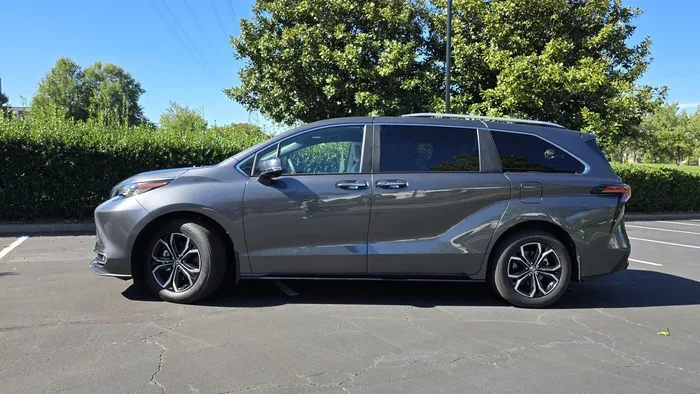
The Toyota Sienna is one of the most reliable minivans on the road, and it does a surprisingly good job of holding its value. While all vehicles lose some value over time, the Sienna’s strong reputation for durability and low maintenance costs helps it depreciate slower than many competitors. Understanding what drives Toyota Sienna depreciation can help you make a smarter buying or selling decision.
When you buy a Toyota Sienna, you are not just buying a minivan. You are buying peace of mind, family-friendly space, and a vehicle that has earned a reputation for lasting for years. But one question keeps coming up among buyers and sellers alike: does the Toyota Sienna hold its value over time?
The short answer is yes, and it holds up better than most minivans on the market today. But the full picture is more interesting than a simple yes or no. Your Sienna’s value depends on several factors, including how well you maintain it, which trim you choose, and what the used car market looks like when you are ready to sell. In this article, we will walk through everything you need to know about Toyota Sienna depreciation and value retention.
Whether you are buying a new Sienna today or thinking about selling yours in a few years, understanding how this minivan holds its worth can save you thousands of dollars. Let us dive into the numbers, the factors, and the smart moves you can make to protect your investment.
Key Takeaways
- Strong Resale Reputation: The Toyota Sienna consistently ranks among the best minivans for retaining value thanks to its reliability and demand.
- Depreciation Slows After Year 3: Most value loss happens in the first few years, but the Sienna holds steady compared to rival models.
- Hybrid Models Add Value: The Toyota Sienna hybrid tends to retain more value because of fuel savings and growing consumer interest in electrified vehicles.
- Maintenance Matters: Keeping up with regular service, using the right oil type, and addressing issues early all protect your investment.
- Trim Level and Options Affect Price: Higher trims and popular features like seating for eight help the Sienna stay desirable on the used market.
- Market Demand Is Steady: Families continue to seek out the Sienna, which supports stronger long-term value compared to less popular minivans.
📑 Table of Contents
Understanding Toyota Sienna Depreciation
Every new car loses value the moment you drive it off the lot. This is called depreciation, and it is the biggest hidden cost of owning any vehicle. The Toyota Sienna is no exception, but it depreciates at a slower rate than many of its competitors. On average, a new Sienna loses about 15% to 20% of its value in the first year. By year five, total depreciation usually lands around 45% to 50%. Compare that to some other minivans that can lose 55% or more in the same timeframe, and the Sienna starts to look like a smart financial choice.
What does this mean in real dollars? If you buy a Sienna for $40,000, you might see it worth around $32,000 after the first year and roughly $20,000 after five years. These numbers vary based on mileage, condition, and location, but the trend is clear. The Sienna holds its value better than the average minivan.
Why Depreciation Matters for Minivan Buyers
Depreciation is not just a number on a chart. It directly affects your wallet every time you buy, sell, or trade in a vehicle. A Toyota Sienna resale value that stays strong means less money lost over time. For families who replace vehicles every five to seven years, slower depreciation can mean thousands of dollars saved. It also makes the Sienna a better option if you plan to use it as a long-term family hauler rather than a short-term purchase.
If you are curious about how your current vehicle’s worth stacks up, checking the fair market value of your car is a great first step. This gives you a baseline to compare against what dealers are asking and what private buyers are offering.
What Affects the Toyota Sienna’s Resale Value
Not all Siennas hold their value equally. Several key factors determine how much your minivan will be worth when it is time to sell or trade in. Understanding these factors can help you make smarter decisions from day one.
Mileage and Usage Patterns
Mileage is one of the biggest drivers of depreciation. A Sienna with 30,000 miles after five years will hold its value much better than one with 80,000 miles. Low-mileage Siennas are especially attractive to used car buyers because they promise more years of reliable service ahead. If you use your Sienna primarily for short weekend trips rather than a daily long commute, you will likely see stronger value retention.
Maintenance History
Buyers pay more for vehicles with a documented maintenance history. Regular oil changes, tire rotations, and timely repairs all signal to potential buyers that the vehicle has been well cared for. Using the right fluids and parts from the start makes a real difference. For instance, using the correct oil for your engine helps prevent premature wear and keeps the powertrain running smoothly for years.
Here are some maintenance habits that directly protect your Sienna’s value:
- Keep all service records in a binder or digital folder.
- Address small issues before they become expensive repairs.
- Wash and wax the exterior regularly to prevent rust and paint damage.
- Clean the interior thoroughly, especially the seating for eight configuration, which can show wear quickly.
- Replace worn tires and brakes proactively rather than waiting for failure.
Trim Level and Optional Features
Higher trims like the XSE and Limited tend to hold their value better than base models. Features such as leather seating, power sliding doors, a panoramic roof, and advanced driver-assistance systems all add appeal on the used market. Buyers often look for Siennas that already come equipped with these comforts, which means you can command a higher price when selling.
Color and Exterior Appeal
Do not underestimate the power of color. Neutral shades like white, black, and silver tend to sell faster and hold value better than bold or unusual colors. While this may seem minor, it does influence buyer perception and can affect how quickly your Sienna moves off your lot.
Toyota Sienna vs. Other Minivans: Value Comparison
To truly understand how well the Sienna holds its value, it helps to compare it against the competition. The minivan segment includes several well-known models, and each has its own depreciation story.
| Vehicle | 5-Year Depreciation (Avg.) | Reliability Rating | Used Market Demand |
|---|---|---|---|
| Toyota Sienna | 45% – 50% | Excellent | High |
| Honda Odyssey | 48% – 55% | Very Good | High |
| Kia Carnival | 50% – 58% | Good | Moderate |
| Chrysler Pacifica | 52% – 60% | Average | Moderate |
| Nissan NV3500 | 55% – 62% | Average | Lower |
As you can see from the comparison, the Toyota Sienna sits near the top when it comes to value retention. Its Toyota Sienna reliability rating plays a huge role here. Buyers trust Toyota to deliver vehicles that last, and that trust translates directly into stronger resale prices. The Sienna also benefits from strong brand loyalty and a reputation for being a family-friendly workhorse that does not break the bank on repairs.
The Kia Carnival is a rising competitor and offers great features at a lower price point. However, its minivan resale market presence is still growing, and that affects how much value it keeps. The Chrysler Pacifica, while stylish and feature-rich, tends to depreciate faster due to higher repair costs and mixed reliability reviews.
Tips to Keep Your Toyota Sienna’s Value High
You cannot stop depreciation entirely, but you can slow it down significantly with the right approach. Here are practical steps every Sienna owner should take to protect their investment.
1. Stay on Top of Scheduled Maintenance
Follow the Toyota maintenance schedule to the letter. Change your oil every 5,000 to 10,000 miles, rotate your tires, and replace filters on time. A well-documented service history is one of the strongest selling points on the used market. It tells buyers exactly what they are getting and builds confidence in the vehicle’s long-term health.
2. Keep Mileage Reasonable
If you have a second vehicle for daily commuting, use it instead of the Sienna whenever possible. Lower annual mileage directly translates to slower depreciation. Even reducing your yearly driving by 5,000 miles can make a noticeable difference in resale value.
3. Address Issues Early
Do not ignore warning lights or unusual sounds. A small repair today can prevent a costly breakdown tomorrow, and it keeps the vehicle in top condition for future buyers. Regularly checking your tire pressure, brake pads, and fluid levels goes a long way toward preventing bigger problems down the road.
4. Keep the Interior and Exterior Clean
First impressions matter when selling a car. A clean, well-maintained interior and a scratch-free exterior make buyers willing to pay more. Vacuum regularly, condition the leather seats, and wash the exterior at least once a week during harsh weather months.
5. Sell at the Right Time
Timing your sale can have a big impact on the price you get. Selling in late spring or early summer, when families are shopping for vehicles before the school year, often yields better results. Avoid selling during months when the used car market is flooded with similar models.
The Hybrid Factor and Long-Term Value
The Toyota Sienna hybrid has changed the minivan game. Since its introduction, the hybrid Sienna has gained popularity for its impressive fuel economy and eco-friendly credentials. But does going hybrid actually help your vehicle hold its value better?
The answer is yes, in most cases. Hybrid vehicles tend to depreciate more slowly than their gas-only counterparts, especially as fuel prices rise and consumers become more environmentally conscious. The Sienna hybrid delivers around 36 miles per gallon in combined driving, which is exceptional for a three-row minivan. This fuel efficiency appeals to budget-conscious families who want to save on gas without sacrificing space or comfort.
Looking at the MPG and age relationship, hybrid powertrains tend to maintain their efficiency better over time than traditional engines. This adds another layer of value for used car buyers who want a vehicle that will continue to save them money at the pump.
The Sienna hybrid also benefits from Toyota’s strong hybrid reputation. When buyers see the Toyota hybrid badge, they think of proven technology, reliability, and long-term savings. That perception alone helps support stronger resale prices. As more families look for ways to reduce their carbon footprint, the demand for hybrid minivans like the Sienna is only expected to grow.
Fuel Savings Add Up Over Time
While the upfront cost of a hybrid Sienna is higher than the gas version, the fuel savings over several years can offset that difference. Buyers on the used market recognize this and are often willing to pay a premium for a hybrid model with lower lifetime operating costs. If you are interested in how much you could save, looking at eco mode mileage savings gives you a sense of how driving habits and powertrain choices affect your overall fuel expenses.
Is the Toyota Sienna Worth the Investment?
After looking at all the factors, the Toyota Sienna stands out as a strong choice for anyone who cares about long-term value. It depreciates slower than most competitors, it costs less to maintain, and it continues to attract buyers on the used market thanks to Toyota’s rock-solid reputation.
If you are buying new, you are making a smart financial decision. If you are buying used, a well-maintained Sienna with a clean history report can give you years of reliable service without the steep depreciation hit that new owners face in the first few years.
The key takeaway is simple: the Toyota Sienna holds its value better than almost any other minivan in its class. Combine that with its spacious interior, family-friendly features, and proven reliability, and you have a vehicle that makes sense from both a practical and financial perspective.
Before you make your next move, take the time to research the current market, get your vehicle inspected, and understand what your Sienna is truly worth. A little preparation goes a long way toward getting the best deal possible.
Conclusion
So, does the Toyota Sienna hold its value? The evidence says yes. From its slower depreciation rate to its strong reliability reputation, the Sienna proves that a well-chosen minivan can be both a practical family vehicle and a smart financial investment. By staying on top of maintenance, keeping mileage reasonable, and selling at the right time, you can maximize the value of your Sienna for years to come. Whether you are buying or selling, the Toyota Sienna remains one of the wisest choices in the minivan segment.
Frequently Asked Questions
How fast does a Toyota Sienna depreciate?
On average, a Toyota Sienna loses about 15% to 20% of its value in the first year and around 45% to 50% after five years. This is slower than many competing minivans, making the Sienna one of the better choices for value-conscious buyers.
Which Toyota Sienna trim holds its value best?
Higher trims like the XSE and Limited tend to retain more value because they come with desirable features such as leather seating, advanced safety systems, and premium audio. The hybrid trims also hold value well due to their fuel efficiency and growing consumer demand.
Does the Toyota Sienna hybrid hold value better than the gas version?
Yes, the Sienna hybrid typically holds its value better. Buyers are willing to pay more for hybrid models because of their superior fuel economy and lower long-term operating costs. The hybrid powertrain also benefits from Toyota’s strong reputation for hybrid reliability.
Can regular maintenance really improve my Sienna’s resale value?
Absolutely. A complete maintenance history gives buyers confidence in the vehicle’s condition. Regular oil changes, tire rotations, and timely repairs prevent major issues and keep the Sienna running smoothly, which directly supports a higher resale price.
What is the average used Toyota Sienna price?
Used Toyota Sienna prices vary by year, trim, and mileage. A five-year-old Sienna in good condition typically ranges from $18,000 to $28,000. Checking the fair market value for your specific model year gives you the most accurate estimate.
Is the Toyota Sienna a good family car for long-term ownership?
Yes, the Sienna is one of the best family minivans for long-term ownership. Its spacious interior, reliable powertrain, and low maintenance costs make it ideal for families who plan to keep their vehicle for many years. The ability to seat up to eight passengers comfortably adds to its practical appeal.