Does the 2017 Toyota Corolla Have a Timing Belt or Chain
The 2017 Toyota Corolla uses a timing chain, not a belt, in its standard 1.8L engine. This chain is designed for durability and typically lasts the life of the engine with proper maintenance. Understanding its function helps you spot early warning signs and avoid expensive repairs.
The 2017 Toyota Corolla remains one of the most popular compact sedans on the road. Its reputation for reliability draws countless buyers each year. Yet one question often surfaces in forums and repair shops: does the 2017 Toyota Corolla have a timing belt or chain? The answer is straightforward, but the details matter for every owner.
Timing components are the heartbeat of your engine. They synchronize the crankshaft and camshaft so valves open and close at the right moment. A worn or broken timing component can cause catastrophic engine damage. That’s why understanding what your Corolla uses is essential. This guide breaks down everything you need to know about the 2017 Toyota Corolla timing chain, from its design to replacement signs and costs.
Whether you’re a DIY enthusiast or a first-time car owner, this article will give you clear, actionable information. You’ll learn how the system works, what to watch for, and how to keep your engine running smoothly for years.
Key Takeaways
- Timing Chain Design: The 2017 Corolla uses a metal timing chain, which is more durable than a rubber belt.
- Long Lifespan: With regular oil changes, the chain can last well over 100,000 miles without replacement.
- Replacement Symptoms: Listen for rattling noises, check for rough idle, and watch the maintenance light.
- Cost Range: A timing chain replacement typically costs between $1,200 and $2,000, depending on labor rates.
- Preventive Care: Using the correct oil and sticking to the service schedule greatly extends chain life.
- DIY Caution: This repair requires advanced mechanical skill and specialized tools, so professional service is recommended.
📑 Table of Contents
Does the 2017 Toyota Corolla Use a Timing Belt or Chain?
The 2017 Toyota Corolla uses a timing chain. This is true for the standard 1.8L 2ZR-FE engine that powers the base and SE trims. Toyota made the switch from a belt to a chain in earlier models, and the 2017 version continues that design. The chain sits inside the engine and is lubricated by engine oil, which helps it last a long time.
Some people assume all older cars use belts, but modern Toyota engines favor chains. The chain is made of metal links that wrap around the crankshaft and camshaft sprockets. It operates silently under normal conditions. However, like any internal part, it can stretch or wear over time. Knowing that your Corolla has a chain means you can focus on oil quality and change intervals instead of worrying about a belt snap.
Why Toyota Chose a Chain
Toyota uses timing chains because they offer several advantages over rubber belts. A chain is more durable and doesn’t need regular replacement like a belt. The 1.8L engine in the 2017 Corolla was designed with this longevity in mind. Chains also handle the higher torque of modern engines better. They reduce maintenance intervals and give owners peace of mind.
That said, a chain isn’t indestructible. Neglecting oil changes can lead to premature wear. Dirty oil causes the chain to stretch and the tensioner to fail. So while the chain itself is robust, your maintenance habits play a big role.
Understanding the Timing Chain in the 2017 Corolla
How the Timing Chain Works
The timing chain connects the crankshaft at the bottom of the engine to the camshaft at the top. As the crankshaft spins, the chain rotates the camshafts. This opens and closes the intake and exhaust valves in perfect sync with the pistons. The 2017 Corolla’s chain runs inside a cover that’s filled with engine oil.
Chain tensioners keep the chain tight. A hydraulic tensioner uses oil pressure to maintain proper slack. If the oil pressure drops or the tensioner wears, the chain can become loose. A loose chain will skip teeth on the sprockets. This throws off the engine timing and causes serious problems.
The 1.8L 2ZR-FE Engine
The standard engine in the 2017 Corolla is the 2ZR-FE. It’s a 1.8-liter four-cylinder that produces 140 horsepower. This engine uses a single timing chain that drives both camshafts through a ladder-style design. The chain is located at the front of the engine and is accessible after removing the cover.
This engine design has been around for years and is known for reliability. Many owners reach 200,000 miles without ever needing a chain replacement. The key is consistent oil changes with the correct spec oil. Toyota recommends 0W-20 synthetic oil for the 2ZR-FE engine. Using the right oil keeps the chain and tensioner in good condition.
Some owners ask about common problems with the 2009 Toyota Corolla. While the 2009 model had some timing chain stretch issues on certain engines, the 2017 version benefited from design improvements. Toyota updated the chain and tensioner to address earlier concerns. So the 2017 model is generally very reliable in this area.
Timing Chain vs. Timing Belt: Key Differences
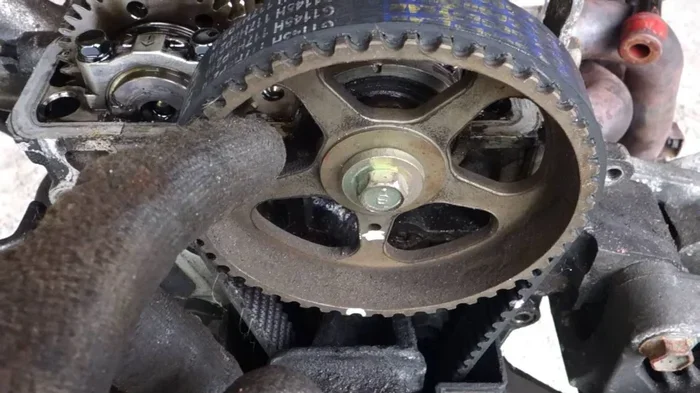
It helps to understand the difference between a chain and a belt. Many cars use a timing belt, which is a rubber-based component with teeth. Belts are quieter and cheaper to replace, but they wear out. A timing chain is metal and lasts much longer. Here’s a quick comparison.
| Feature | Timing Chain | Timing Belt |
|---|---|---|
| Material | Metal links | Rubber with fiber reinforcement |
| Location | Inside engine (oil bath) | Outside engine (dry) |
| Lifespan | 100,000–200,000+ miles | 60,000–100,000 miles |
| Replacement Cost | Higher labor cost | Lower labor cost |
| Maintenance | Oil changes keep it healthy | Must be replaced at intervals |
| Noise | Generally silent | Quiet, but can whine |
The 2017 Toyota Corolla uses the chain design, which means you won’t need to budget for a belt replacement every 60,000 miles. However, if the chain does fail, the repair cost is higher because of the labor involved. Keeping up with oil changes is the best way to avoid that scenario.
Signs Your Timing Chain Needs Replacement
A timing chain doesn’t usually fail without warning. There are several symptoms that tell you something is wrong. Catching these signs early can prevent a full engine rebuild.
Common Symptoms of a Worn Chain
- Rattling Noise on Startup: A metallic rattling or clattering sound when you first turn the key is a classic sign. The chain has excess slack and is hitting the guides or cover.
- Rough Idle: If the engine idles unevenly or shakes, the chain may have stretched enough to throw off valve timing.
- Check Engine Light: A stretched chain can trigger error codes like P0008 or P0016. These codes relate to camshaft position correlation. If your maintenance light stays on, it’s worth getting a diagnostic scan to check for timing-related codes.
- Engine Misfires: Poor acceleration or hesitation can occur if the valves are not opening at the right time.
- Oil Leaks: A worn chain tensioner or guide can cause oil to seep past the timing cover gasket.
When to Inspect the Chain
You should inspect the timing chain if you notice any of the above symptoms. Also, consider an inspection if your Corolla has over 100,000 miles and you’ve had inconsistent oil change habits. A mechanic can check the chain stretch with a dial indicator. They’ll also inspect the tensioner and guides for wear.
If you’re driving with a maintenance required light on, don’t ignore it. While a maintenance light doesn’t always mean a chain problem, it’s a reminder that your service is overdue. Driving with a maintenance required light on in a Toyota won’t immediately damage the chain, but neglecting oil changes will.
Replacement Cost and Maintenance Schedule
Average Cost Breakdown
The cost to replace a timing chain on a 2017 Corolla varies by region and shop. On average, you can expect to pay between $1,200 and $2,000 for parts and labor. The chain kit itself costs around $200 to $400. The rest goes to labor because the job requires removing the front engine cover, the belt, and sometimes the water pump.
If the chain has damaged the tensioner or guides, the cost rises. In rare cases, a failed chain can bend valves and require a head rebuild. That’s why early detection is so important. A full car diagnostic can confirm the issue before it escalates. If you’ve been wondering how long a full car diagnostic takes, it’s usually under an hour for a timing-related check.
Service Intervals
Toyota does not list a specific replacement interval for the timing chain. They consider it a lifetime component under normal conditions. That means you don’t need to replace it on a schedule like a belt. However, the chain relies on clean oil. Toyota recommends an oil change every 5,000 to 10,000 miles depending on driving conditions.
Using synthetic oil and sticking to the service schedule will keep the chain in great shape. If you frequently drive in stop-and-go traffic or extreme temperatures, you might want to shorten the interval. Short trips don’t allow the oil to fully heat up and can cause sludge buildup, which affects the chain.
Quick Tips for Maintaining Your Timing Chain
Expert Insights
Experienced Toyota technicians agree that oil quality is the biggest factor in timing chain longevity. Here are a few tips they recommend:
- Use Toyota Genuine Oil or equivalent full synthetic 0W-20. Avoid conventional blends that break down faster.
- Change the oil filter every time you change the oil. A clogged filter allows contaminants to circulate and wear the chain.
- Check for leaks regularly. Oil leaks around the timing cover can starve the chain of lubrication.
- Listen to your engine. A new rattle on cold starts should be investigated promptly.
Common Mistakes to Avoid
- Ignoring Oil Change Alerts: Skipping oil changes is the fastest way to shorten chain life.
- Using Wrong Oil Weight: 5W-30 or 10W-30 oils are too thick for the 2ZR-FE engine and can cause poor lubrication.
- Delaying Repairs: If you notice a rattle, don’t wait. A loose chain can jump teeth and cause valve damage.
- Overlooking the Tensioner: The tensioner is often replaced as a precaution during a chain job. Don’t reuse an old one.
Following these simple steps can help your 2017 Corolla’s timing chain last well beyond 200,000 miles. The chain is a robust component, but it still needs your care.
Conclusion
The 2017 Toyota Corolla uses a timing chain, not a belt. This design offers long life and reduced maintenance, as long as you keep up with oil changes. The chain is built to last the life of the engine under normal driving conditions. However, wear can occur if the oil is neglected or if the car has high mileage.
Watch for rattling noises, rough idle, and check engine lights. These are your early warning signs. A timely inspection can save you from a costly engine repair. If you’re ever unsure, a professional diagnostic can put your mind at ease.
Owning a 2017 Corolla is a great experience. It’s efficient, reliable, and fun to drive. By understanding its timing chain and how to care for it, you’re setting yourself up for years of worry-free driving. Keep your oil clean, listen to your engine, and enjoy the ride.
Frequently Asked Questions
Can I drive my 2017 Toyota Corolla if the timing chain is stretched?
Driving with a stretched chain is risky. It can cause the engine to run poorly and eventually lead to valve damage. If you notice a rattle or rough idle, have the car inspected immediately. Continuing to drive could turn a simple repair into a major engine job.
How often does the 2017 Toyota Corolla timing chain need to be replaced?
The chain is designed to last the life of the engine, which means no scheduled replacement is required. With proper oil changes, many owners never need a chain replacement. However, high-mileage vehicles or those with poor oil maintenance may need it after 150,000 miles or more.
What is the difference between a timing belt and a timing chain?
A timing belt is made of rubber and needs replacement every 60,000 to 100,000 miles. A timing chain is made of metal and is lubricated by engine oil, so it lasts much longer. The 2017 Corolla uses a chain, which reduces maintenance but requires clean oil to function properly.
How much does it cost to replace the timing chain on a 2017 Corolla?
Expect to pay between $1,200 and $2,000 for a complete timing chain replacement. The cost includes the chain, tensioner, guides, and gasket, plus labor. Prices vary depending on your location and whether any additional parts like the water pump need to be replaced at the same time.
What causes a timing chain to stretch prematurely?
The most common cause is poor oil maintenance. Dirty or low-quality oil causes friction and wear on the chain links and tensioner. Other causes include a faulty tensioner, worn chain guides, or prolonged exposure to extreme driving conditions. Sticking to the oil change schedule prevents most of these issues.
Can I replace the timing chain myself?
This repair requires advanced mechanical skills and a full set of specialized tools. You’ll need to remove the front engine cover, the serpentine belt, and possibly the water pump. If you’re not experienced with engine internals, it’s best to leave the job to a qualified technician. A mistake can lead to improper timing and severe engine damage.