Does EVAP Use Vacuum Here Is What You Really Need to Know
Yes, the EVAP system uses vacuum to capture and recycle fuel vapors from your gas tank. Understanding how does EVAP use vacuum helps you diagnose emissions problems, save money on repairs, and keep your car running smoothly. This guide breaks down every component, symptom, and fix you need to know.
You might not think about your car’s EVAP system every day. But when something goes wrong, you will definitely notice it. A lit check engine light, a strange fuel smell, or a rough idle can all point back to one question. Does EVAP use vacuum? The answer is yes, and understanding how it works can save you time, money, and a lot of frustration.
The EVAP system is one of the most important emission control systems in your vehicle. It captures fuel vapors before they escape into the atmosphere. It then redirects them into the engine to be burned during combustion. This process keeps harmful hydrocarbons out of the air and helps your car pass emissions inspections. But none of it works without vacuum.
In this article, we will dive deep into how the EVAP system uses vacuum. We will cover every component, common problems, diagnostic steps, and practical fixes. Whether you are a DIY mechanic or just curious about your car, this guide has you covered.
Key Takeaways
- The EVAP system does use vacuum: It relies on engine vacuum to move fuel vapors from the charcoal canister to the intake manifold.
- Common vacuum problems include: faulty purge valves, leaking fuel caps, cracked hoses, and bad vent valves.
- Watch for these symptoms: check engine light, rough idle, fuel smell, and failed emissions tests.
- Diagnosis is straightforward: Use an OBD2 scanner, perform a smoke test, or check the fuel cap first.
- Prevention is simple: Tighten your fuel cap, inspect hoses regularly, and address small issues before they grow.
📑 Table of Contents
- What Is the EVAP System and Why Does It Matter?
- Does EVAP Use Vacuum — The Short Answer
- How the EVAP System Creates and Uses Vacuum
- Common EVAP Vacuum Problems and Symptoms
- How to Diagnose EVAP Vacuum Issues
- How to Fix and Prevent EVAP Vacuum Problems
- Why Proper EVAP Vacuum Function Matters for Your Vehicle
- Conclusion
What Is the EVAP System and Why Does It Matter?
The EVAP system stands for Evaporative Emission Control system. Its job is simple but critical. It prevents fuel vapors from your gas tank from escaping into the atmosphere. Instead, it stores those vapors temporarily and then burns them in the engine.
Modern cars have been required to use EVAP systems since the 1970s. The Environmental Protection Agency set strict rules to reduce harmful emissions. Since then, every vehicle sold in the United States has relied on this system to meet emission standards.
How Fuel Vapors Form
Fuel in your gas tank naturally produces vapors, especially in hot weather. These vapors contain volatile organic compounds that are harmful to the environment. Without an EVAP system, those vapors would simply escape through the fuel tank vent. That would contribute to smog and air pollution.
The EVAP system captures these vapors and holds them in a charcoal canister. When conditions are right, the system draws those vapors into the engine using vacuum pressure. This is where the question of does EVAP use vacuum becomes central to everything.
Key Components of the EVAP System
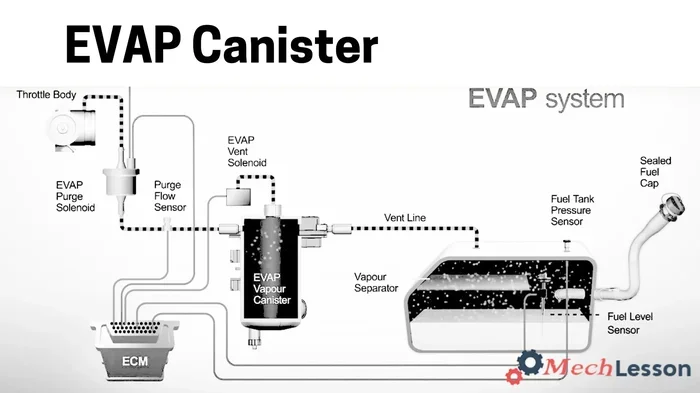
Several parts work together to make the EVAP system function properly. Here are the main components you should know:
- Fuel tank: Stores gasoline and produces fuel vapors as a natural byproduct.
- Charcoal canister: Absorbs and stores fuel vapors until they can be purged into the engine.
- Purge valve: Controls when fuel vapors flow from the canister into the intake manifold.
- Vent valve: Allows fresh air into the canister to help push vapors toward the engine.
- Fuel tank pressure sensor: Monitors pressure inside the fuel tank and sends data to the ECU.
- Fuel cap: Seals the fuel system to maintain proper pressure and prevent vapor leaks.
- Hoses and lines: Connect all components and allow vapor and air to flow through the system.
Each of these parts plays a role in maintaining the vacuum balance needed for the system to work. If even one part fails, the entire EVAP system can malfunction.
Does EVAP Use Vacuum — The Short Answer
The short answer is yes. The EVAP system absolutely depends on vacuum to operate. Engine vacuum is the driving force that moves fuel vapors from the charcoal canister into the combustion chambers. Without adequate vacuum, the system cannot purge vapors properly.
Here is how it works in simple terms. When your engine is running, it creates a vacuum in the intake manifold. This vacuum pulls air and fuel vapors through the purge valve and into the intake manifold. The vapors then mix with the air-fuel mixture and get burned during combustion. This cycle repeats continuously while the engine runs.
But vacuum is not just used during normal operation. The system also uses vacuum to self-test. Most modern vehicles perform an EVAP leak check when the engine is off. The system seals itself and monitors for pressure changes. If the pressure drops, it means there is a leak. This is how your car detects a loose fuel cap or a cracked hose.
Why Vacuum Is Essential for EVAP Operation
Vacuum serves two main purposes in the EVAP system. First, it moves fuel vapors where they need to go. Second, it helps the system detect leaks. Both functions are equally important for proper operation.
Without vacuum, fuel vapors would accumulate in the charcoal canister with nowhere to go. Over time, this could cause pressure buildup in the fuel tank. It could also lead to a strong fuel smell around your vehicle. In worst-case scenarios, it could even cause vapor leaks that release harmful pollutants into the air.
The next time someone asks you, does EVAP use vacuum, you can confidently say yes. It is not just a small part of the system. Vacuum is the core mechanism that makes the entire EVAP system work.
How the EVAP System Creates and Uses Vacuum
Understanding the vacuum process in the EVAP system helps you appreciate how cleverly your car is designed. Let us walk through the vacuum cycle step by step.
The Vacuum Purge Cycle
The purge cycle is the most common way the EVAP system uses vacuum. Here is what happens:
- The engine runs and creates vacuum in the intake manifold.
- The engine control unit opens the purge valve.
- Vacuum pulls fuel vapors from the charcoal canister.
- The vapors travel through the purge line into the intake manifold.
- The vapors mix with air and fuel before entering the combustion chamber.
- The combustion process burns the vapors, converting harmful hydrocarbons into less harmful emissions.
This cycle happens repeatedly during normal driving. The ECU controls the timing and duration of each purge event based on engine load, temperature, and operating conditions.
The Vacuum Leak Detection Cycle
Modern EVAP systems also perform self-diagnostic checks. These checks use vacuum to test for leaks. Here is how it works:
- The engine is turned off after reaching operating temperature.
- The ECU closes the vent valve and purge valve.
- The system seals itself and creates a closed vacuum environment.
- The fuel tank pressure sensor monitors pressure over time.
- If pressure drops, the system detects a leak.
- The ECU stores a fault code and illuminates the check engine light.
This leak detection cycle is why your check engine light might come on after you forget to tighten your fuel cap. The system detects that vacuum is not being held properly. It then flags the issue for your attention.
Factors That Affect EVAP Vacuum Levels
Not all vacuum levels are the same. Several factors can influence how much vacuum the EVAP system generates and maintains:
- Engine speed: Higher RPM generally produces more vacuum in the intake manifold.
- Engine condition: Worn piston rings or valve issues can reduce vacuum output.
- Altitude: Higher altitudes have lower atmospheric pressure, which affects vacuum readings.
- Temperature: Hot weather increases fuel vapor production, putting more demand on the system.
- Fuel level: A nearly empty tank can create more vapor space and affect pressure readings.
All of these factors play a role in how effectively does EVAP use vacuum during real-world driving conditions.
Common EVAP Vacuum Problems and Symptoms
EVAP vacuum problems are more common than most people realize. They can range from minor annoyances to serious issues that affect drivability. Knowing the symptoms helps you catch problems early.
Symptoms of EVAP Vacuum Issues
Watch out for these warning signs that your EVAP system may have a vacuum problem:
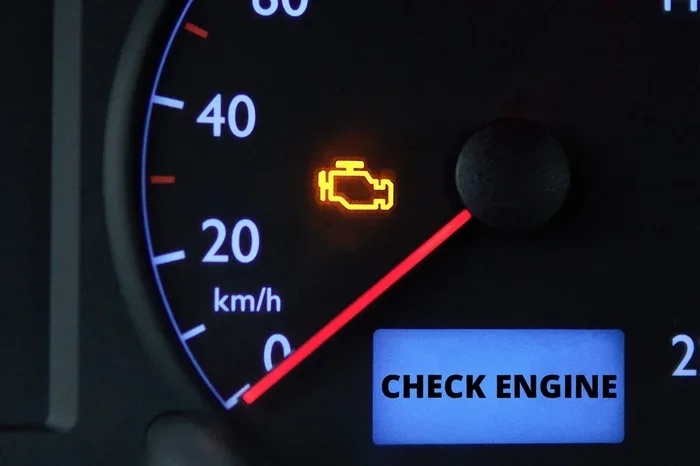
- Check engine light: This is the most common symptom. The ECU detects a vacuum or pressure issue and triggers a fault code.
- Fuel smell near the vehicle: A strong gasoline odor, especially after parking, suggests vapors are not being properly contained.
- Rough idle: If the purge valve is stuck open, it can allow too many vapors into the intake, causing an unstable idle.
- Difficulty starting: A rich fuel mixture from excessive vapor purge can make the engine hard to start.
- Failed emissions test: A malfunctioning EVAP system will almost certainly cause you to fail an inspection.
- Fuel cap warning on the dashboard: Many modern cars display a specific message when the fuel system cannot maintain vacuum.
Common Causes of EVAP Vacuum Failures
Several things can cause the EVAP system to lose vacuum or fail to operate correctly:
- Loose or damaged fuel cap: This is the number one cause of EVAP-related check engine lights. A simple fix that costs nothing.
- Faulty purge valve: A stuck-open or stuck-closed purge valve disrupts the vacuum flow.
- Cracked or damaged hoses: Age, heat, and vibration can cause EVAP lines to crack and leak.
- Bad vent valve: If the vent valve fails, the system cannot properly vent air or maintain pressure.
- Failed charcoal canister: A saturated or damaged canister cannot absorb vapors effectively.
- Malfunctioning fuel tank pressure sensor: Incorrect readings can cause the ECU to misinterpret system performance.
Expert Insight: According to ASE-certified technicians, the fuel cap is responsible for nearly 30% of all EVAP-related check engine lights. Before spending money on diagnostics, always check your fuel cap first. It costs nothing and takes five seconds.
Quick Tips for Identifying EVAP Vacuum Problems
- Always tighten your fuel cap until you hear three clicks after refueling.
- Inspect EVAP hoses visually during oil changes or undercarriage checks.
- Pay attention to when the check engine light appears. Did it start after you filled up?
- Use a scan tool to read fault codes before replacing expensive parts.
How to Diagnose EVAP Vacuum Issues
Diagnosing EVAP vacuum problems does not have to be complicated. With the right tools and a systematic approach, you can narrow down the issue quickly.
Step 1: Check the Fuel Cap
Start with the simplest and most common cause. Remove the fuel cap and inspect the seal for cracks or damage. Clean any debris from the seal surface. Reinstall the cap and tighten it firmly. Then clear the fault code with an OBD2 scanner and drive for a few days to see if the light returns.
Step 2: Scan for Fault Codes
An OBD2 scanner is an essential tool for any car owner. Plug it into the diagnostic port and read the stored codes. Common EVAP-related codes include:
- P0440: EVAP system malfunction
- P0441: EVAP incorrect purge flow
- P0442: EVAP small leak detected
- P0446: EVAP vent control circuit
- P0455: EVAP large leak detected
- P0456: EVAP very small leak detected
Each code gives you a clue about where to look next. A leak code points to a physical breach in the system. A flow code points to a faulty valve or sensor.
Step 3: Perform a Visual Inspection
Look under your vehicle for any cracked, disconnected, or damaged hoses. Check the charcoal canister for damage or saturation. Inspect the purge valve and vent valve connections for vacuum leaks. A visual inspection can reveal obvious problems that might not show up in a scan.
Step 4: Use a Smoke Test
A smoke test is the gold standard for finding EVAP leaks. A smoke machine introduces low-pressure smoke into the EVAP system. Any leaks will produce visible smoke, making them easy to identify. Many auto parts stores offer smoke testing services for a reasonable fee.
Step 5: Test the Purge Valve
The purge valve is a common failure point. You can test it with a handheld vacuum pump. Apply vacuum to the valve and see if it holds. If vacuum drops quickly, the valve is faulty and needs replacement. A working purge valve should hold vacuum for at least 30 seconds.
Comparison: DIY Diagnosis vs Professional Diagnosis
| Factor | DIY Diagnosis | Professional Diagnosis |
|---|---|---|
| Cost | Low (OBD2 scanner $20-$50) | Moderate ($75-$150 for diagnostic fee) |
| Accuracy | Good for basic codes | Excellent with advanced tools |
| Time | 30 minutes to a few hours | 1-2 hours typically |
| Equipment | OBD2 scanner, basic hand tools | Smoke machine, advanced scan tools |
| Best For | Simple codes and fuel cap issues | Complex leaks and intermittent problems |
Both approaches have value. Starting with a basic OBD2 scan at home can save you money. If the issue is complex or intermittent, a professional diagnosis with a smoke test is worth the investment.
How to Fix and Prevent EVAP Vacuum Problems
Once you have identified the problem, fixing it is usually straightforward. Prevention is even easier and can save you from future headaches.
Common Fixes for EVAP Vacuum Issues
- Replace the fuel cap: If the seal is damaged or the cap is loose, a new fuel cap costs under $20 and solves the problem in most cases.
- Replace the purge valve: A faulty purge valve typically costs $50-$150 for parts and labor. It is a common repair that many DIYers can handle.
- Replace the vent valve: Similar in cost to the purge valve and follows a similar replacement process.
- Repair or replace damaged hoses: EVAP hoses are readily available and inexpensive. Replacing them usually takes 15-30 minutes.
- Replace the charcoal canister: This is a more expensive repair, typically $150-$400, but it is necessary if the canister is saturated or physically damaged.
- Replace the fuel tank pressure sensor: Usually costs $50-$100 for parts and is a relatively simple replacement.
Prevention Tips to Keep Your EVAP System Healthy
- Always tighten your fuel cap properly: This one habit prevents the majority of EVAP issues.
- Replace your fuel cap every 5 years: Rubber seals degrade over time and lose their effectiveness.
- Avoid overfilling your gas tank: Topping off can flood the charcoal canister with liquid fuel, damaging it permanently.
- Inspect EVAP lines during regular maintenance: Catching a cracked hose early prevents it from becoming a bigger problem.
- Address check engine lights promptly: Ignoring an EVAP code can lead to more serious and expensive problems over time.
Quick Tip: If your check engine light comes on right after filling up, pull over and check your fuel cap. Nine times out of ten, it is simply loose or not seated properly. Tighten it, clear the code, and continue driving.
Common Mistakes to Avoid
- Ignoring the check engine light: Even if the light is intermittent, it means something is wrong. Address it early.
- Replacing parts without diagnosing first: Do not guess which EVAP component is bad. Use a scanner and systematic diagnosis.
- Using cheap aftermarket parts: Low-quality purge valves or fuel caps may not seal properly and will cause the same problem to return.
- Over-tightening the fuel cap: While you should tighten it properly, excessive force can damage the seal or the cap threads.
Expert Insights on EVAP Vacuum Maintenance
Seasoned automotive technicians emphasize that the EVAP system is often overlooked until something goes wrong. Regular attention to simple maintenance tasks can keep the system running smoothly for the life of the vehicle.
“The EVAP system is designed to be maintenance-free, but it is not indestructible,” says certified master technician Mark Sullivan. “The fuel cap, purge valve, and hoses are the three most common failure points. Keeping an eye on these parts and addressing small issues immediately can prevent costly repairs down the road.”
Another expert tip from ASE-certified professionals: if you live in a hot climate, your EVAP system works harder. Fuel vapors form more quickly in high temperatures, putting extra demand on the charcoal canister and purge valve. Consider inspecting these components more frequently if you live in a warm region.
Why Proper EVAP Vacuum Function Matters for Your Vehicle
The EVAP system does more than just pass emissions tests. It plays an important role in your vehicle’s overall performance and environmental impact.
When the EVAP system works correctly, your engine receives the right air-fuel mixture. This means better fuel economy, smoother operation, and lower emissions. When it fails, you may experience drivability issues alongside the obvious emissions problem.
Beyond performance, a properly functioning EVAP system protects the environment. Fuel vapors are a significant source of volatile organic compounds that contribute to smog and ground-level ozone. By keeping your EVAP system in good working order, you are doing your part to reduce air pollution.
There is also a financial benefit. A well-maintained EVAP system helps your car achieve optimal fuel efficiency. While the savings are modest, they add up over time. More importantly, addressing small EVAP issues early prevents them from developing into expensive repairs that could have been avoided.
So the next time you wonder, does EVAP use vacuum, remember that vacuum is not just a technical detail. It is the lifeblood of a system that protects your engine, your wallet, and the environment.
Conclusion
Does EVAP use vacuum? Absolutely. The entire EVAP system relies on vacuum to capture, store, and burn fuel vapors before they can harm the environment. From the purge cycle that moves vapors into the engine to the leak detection cycle that monitors system integrity, vacuum is the driving force behind every function.
Understanding how your EVAP system works empowers you as a car owner. You can diagnose problems faster, make smarter repair decisions, and prevent issues before they become expensive. Start with simple checks like the fuel cap and work your way up to more advanced diagnostics like smoke tests and component testing.
Keep your EVAP system healthy by practicing good fuel habits. Tighten your cap, avoid overfilling the tank, and address warning signs promptly. These small efforts go a long way in keeping your car running cleanly and efficiently for years to come.
The EVAP vacuum system is one of those automotive features that quietly does its job every day. Give it the attention it deserves, and it will keep working hard for you.
Frequently Asked Questions
What happens if the EVAP system loses vacuum?
If the EVAP system loses vacuum, fuel vapors cannot be properly purged into the engine. This leads to a check engine light, rough idle, and potentially failed emissions testing. The most common cause is a loose fuel cap or a cracked EVAP hose that breaks the vacuum seal.
Can I drive with an EVAP vacuum leak?
Yes, you can usually drive with a small EVAP vacuum leak, but it is not recommended long-term. A leak can cause your vehicle to fail emissions tests and may lead to fuel smell issues. Over time, small leaks can worsen and cause more serious problems.
How do I know if my purge valve is bad?
Common signs of a bad purge valve include a rough idle, difficulty starting, a strong fuel smell, and a check engine light. You can test the valve with a vacuum pump to see if it holds vacuum. If it does not hold vacuum, the purge valve needs to be replaced.
How much does it cost to fix an EVAP vacuum problem?
Costs vary depending on the root cause. A loose fuel cap fix costs under $20. Replacing a purge valve typically runs $50-$150. A charcoal canister replacement can cost $150-$400. A professional smoke test and full EVAP diagnosis usually costs $75-$150 at a shop.
Can a bad fuel cap cause EVAP vacuum codes?
Yes, a bad or loose fuel cap is the single most common cause of EVAP vacuum codes. The fuel cap seals the fuel system, and if it is not tight or the seal is damaged, the system cannot maintain proper vacuum. This triggers codes like P0455 or P0456.
How often should the EVAP system be inspected?
The EVAP system does not require regular scheduled maintenance. However, it is a good idea to inspect EVAP hoses and the fuel cap every 2-3 years or during routine services. If you notice any symptoms like a fuel smell or check engine light, inspect the system immediately.