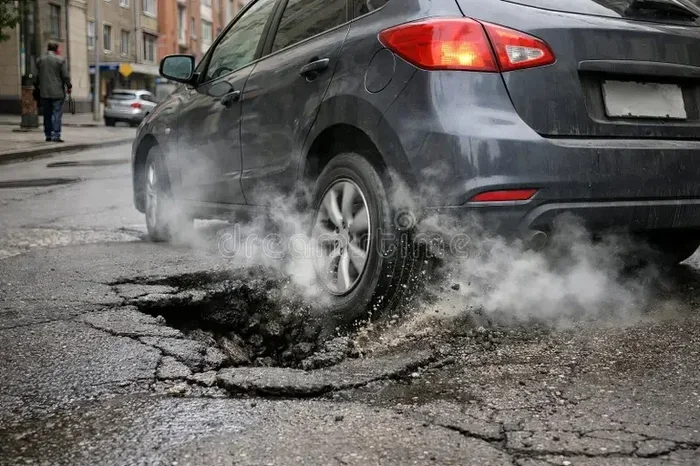
Does Car Insurance Cover Damage From Hitting Potholes
Yes, car insurance can cover pothole damage, but it depends on your policy type. Collision coverage typically pays for pothole-related damage to your car, while comprehensive coverage handles other incidents. Understanding your insurance policy and filing a claim correctly can save you hundreds in pothole repair costs.
We’ve all been there. You’re driving down a familiar road, minding your own business, when suddenly—bang. Your car drops into a deep pothole. Your stomach lurches. You pull over and wonder, does car insurance cover damage from hitting potholes?
The answer isn’t as simple as yes or no. It depends on your auto insurance policy, the type of coverage you carry, and the extent of the damage. Potholes are a fact of life on many roads, especially after winter. They can wreck your tires, bend your rims, and even cause serious suspension damage.
In this guide, we’ll break down exactly what car insurance covers when it comes to pothole damage. We’ll walk you through the claims process, help you understand when it’s worth filing, and share tips to avoid costly repairs. Let’s get into it.
## What Kind of Damage Can Potholes Cause?
Potholes might look like minor annoyances, but they can cause serious harm to your vehicle. The damage depends on your speed, tire pressure, and the depth of the pothole. Let’s look at the most common types of pothole damage.
### Tire Damage
This is the most obvious and most common result of hitting a pothole. You might get a flat tire, a bulge in the sidewall, or even a blown-out tire. Tire damage from potholes is one of the most frequent reasons drivers visit repair shops after a rough commute.
If you want to know whether your policy covers tire replacements, check out our guide on does car insurance cover tires. It breaks down the details clearly.
### Rim and Wheel Damage
Hard potholes can bend or crack your alloy wheels. Even steel rims can take a beating. Damaged rims lead to poor wheel alignment and uneven tire wear. Sometimes the damage isn’t visible right away, but it affects how your car handles.
### Suspension and Steering Damage
Your car’s suspension system absorbs shocks from the road. When you hit a deep pothole at speed, the impact can damage your shock absorbers, struts, and control arms. This type of suspension damage can be expensive to repair and dangerous if left unchecked.
### Undercarriage and Exhaust Damage
Deep potholes can cause your car’s undercarriage to scrape the ground. This can damage the exhaust system, the fuel tank, or other low-hanging components. In some cases, the damage isn’t visible until you notice strange noises or fluid leaks.
### Alignment Issues
Even a minor pothole hit can knock your wheels out of alignment. Signs include your car pulling to one side, uneven tire wear, or a steering wheel that sits crooked. Getting a wheel alignment fixed early prevents further tire damage.
## Does Car Insurance Cover Pothole Damage?
Now for the big question. Does your auto insurance cover pothole damage? The short answer is: it depends on your coverage type.
### Collision Coverage and Pothole Damage
Collision coverage is the primary type of insurance that covers pothole damage. If you hit a pothole and damage your car, collision coverage pays for the repairs minus your insurance deductible.
Collision coverage applies regardless of who caused the pothole. Since potholes are a road hazard and no one is “at fault,” collision coverage is your best bet for getting repairs paid for.
Here’s what collision coverage typically handles:
- Tire and rim damage from potholes
- Suspension damage caused by impact
- Alignment repair costs
- Undercarriage damage from scraping
### Comprehensive Coverage and Potholes
Comprehensive coverage does not cover pothole damage. Comprehensive coverage handles non-collision events like theft, vandalism, flooding, and falling objects. Since hitting a pothole is considered a collision event, comprehensive coverage won’t kick in.
If you’re wondering about other types of coverage, it’s worth understanding what each policy includes. Every insurance policy is different, so read your fine print carefully.
### Liability Coverage
Liability coverage pays for damage you cause to other people or their property. It does not cover damage to your own vehicle from potholes. If you only carry liability coverage, pothole repairs come out of your pocket.
### No Insurance? What Are Your Options?
If you don’t have collision or comprehensive coverage, you’ll need to pay for pothole repairs yourself. Some drivers wonder if they can get quick coverage after an incident. Check out our article on can I get temporary car insurance for options if you need short-term protection.
## How to File a Claim for Pothole Damage
Filing a claim for pothole damage follows a similar process to other collision claims. Here’s how to do it step by step.
### Step 1: Document the Damage
Before you do anything else, document everything. Take clear photos of the pothole, your damaged tires, rims, and any other affected areas. Capture multiple angles and close-ups. This evidence is crucial for your car insurance claim.
### Step 2: Check Your Policy
Review your insurance policy to confirm you have collision coverage. Check your deductible amount. If the repair cost is close to or below your deductible, filing a claim might not be worth it.
### Step 3: Get Repair Estimates
Visit a trusted mechanic or dealership for a repair estimate. Get a written estimate that details all the damage and the cost of repairs. This gives you a clear picture of whether a claim makes financial sense.
### Step 4: File the Claim
Contact your insurance provider to file the claim. Provide your photos, the repair estimate, and details about the pothole. Your insurer will assign an adjuster to evaluate the claim.
### Step 5: Get Repairs Done
Once the claim is approved, you can proceed with repairs. Your insurer may direct you to an approved repair shop, or you may have the freedom to choose your own mechanic.
### Does Filing a Pothole Claim Raise Your Rates?
This is a common concern. Filing a claim for pothole damage can affect your rates, but not always. Many insurers treat pothole claims as at-fault collisions, which could lead to a premium increase. However, some providers offer accident forgiveness or may not raise rates for single claims.
If you’re worried about rising costs, you might want to explore whether car insurance rates are going up in your area. Our article on are car insurance rates going up covers current trends and what drives premium increases.
## When Should You File a Claim vs. Pay Out of Pocket?
Not every pothole damage situation warrants a claim. Here’s a simple way to decide.
### File a Claim When:
- The repair cost exceeds your insurance deductible
- The damage is severe, such as suspension damage or rim replacement
- You have a low deductible that makes claiming worthwhile
- The damage affects safety, like steering or alignment issues
### Pay Out of Pocket When:
- The repair cost is below your deductible
- The damage is minor, like a small tire puncture
- You have a history of claims that could raise your premiums significantly
- You only carry liability coverage and lack collision protection
A good rule of thumb: if the repair cost is more than twice your deductible, filing a claim usually makes sense. For example, if your deductible is $500 and the repair costs $1,500, a claim is likely worth it.
## How to Avoid Pothole Damage
Prevention is always better than cure. While you can’t avoid every pothole, these tips can reduce your risk.
### 1. Keep Your Tires Properly Inflated
Underinflated tires absorb less impact and are more prone to damage. Check your tire pressure regularly and keep it at the manufacturer’s recommended level. This simple habit can save you from costly tire damage.
### 2. Slow Down When You See a Pothole
Speed makes pothole damage worse. If you see a pothole ahead, slow down and brake gently. Avoid swerving suddenly, as this can cause loss of control or hit another vehicle.
### 3. Maintain Safe Following Distance
Keeping distance from the car ahead gives you more time to spot potholes. You’ll also avoid driving in the pothole tracks that the car in front of you has already worn into the road.
### 4. Check Your Suspension Regularly
A well-maintained suspension system handles impacts better. Regular inspections of your shock absorbers and struts help ensure your car is ready for rough roads.
### 5. Report Potholes to Your Local Government
Many cities have systems for reporting potholes. Reporting them not only helps your community but can also create a record that supports your insurance claim if you later experience damage.
## Quick Tips for Handling Pothole Damage
Quick Tips:
- Always photograph the pothole and the damage before moving your car.
- Check your tire pressure after hitting a pothole, even if you don’t see visible damage.
- Listen for unusual sounds after impact—rattling or scraping can signal undercarriage damage.
- Get a wheel alignment checked if you notice your car pulling to one side.
- Keep your insurer’s claims hotline number saved in your phone for quick access.
## Common Mistakes Drivers Make After Pothole Damage
Avoid these common pitfalls when dealing with pothole damage.
### Waiting Too Long to File a Claim
Many policies have time limits for filing claims. Delaying too long can result in a denied claim. Report the damage as soon as possible.
### Not Documenting the Pothole
Without evidence of the pothole, your insurer may question the cause of the damage. Photos and, if possible, a police report go a long way.
### Ignoring Minor Damage
A small tire bulge or slight alignment issue might seem minor, but it can worsen over time. Addressing small problems early prevents expensive repairs later.
### Assuming All Damage Is Covered
Not every type of damage is covered by every policy. Read your insurance policy carefully and ask your agent questions before you need to file a claim.
## Expert Insights: What Insurance Adjusters Want You to Know
Insurance adjusters see thousands of pothole claims every year. Here’s what they want drivers to understand.
Be honest and thorough. Adjusters appreciate detailed documentation. The more evidence you provide, the smoother the claims process goes.
Don’t exaggerate the damage. Overstating your claim can lead to denial or even policy cancellation. Stick to what’s actually damaged and get honest repair estimates.
Understand your deductible. Your deductible is your responsibility. Make sure you know exactly what you’ll pay out of pocket before filing.
Ask about your state’s road conditions. Some states have better-maintained roads than others. If your area has particularly bad potholes, your insurer may see more claims from that region, which can affect insurance rates overall.
## How Pothole Damage Compares to Other Road Hazards
Potholes aren’t the only road hazard that can damage your car. Let’s compare pothole damage to a few other common issues.
| Hazard | Typical Damage | Covered by Collision? | Covered by Comprehensive? |
|——–|—————|———————-|————————–|
| Potholes | Tire, rim, suspension, alignment | Yes | No |
| Falling debris | Dents, cracked windshield | Yes | Yes |
| Flooding | Engine, interior, electrical | No | Yes |
| Animal collisions | Bumper, radiator damage | Yes | Yes |
| Hail damage | Dents, windshield cracks | No | Yes |
As you can see, collision coverage is the most relevant policy type for pothole damage. Understanding what each coverage type handles helps you make informed decisions about your auto insurance.
## Frequently Asked Questions
Will filing a pothole claim raise my insurance rates?
It depends on your insurer and your claim history. Some providers treat pothole claims as at-fault accidents and may raise your rates. Others offer accident forgiveness programs that protect your premiums. Check with your insurance provider to understand their specific policies.
What type of insurance covers pothole damage?
Collision coverage is the primary type of insurance that covers pothole damage. Comprehensive coverage does not cover pothole damage since it’s considered a collision event. If you only carry liability coverage, you’ll need to pay for repairs yourself.
How much does pothole damage repair typically cost?
The cost varies widely based on the damage. Tire repairs can range from $50 to $300. Rim replacement may cost $200 to $500 per wheel. Suspension repairs can range from $300 to $1,500 or more. Severe undercarriage or alignment damage can push costs even higher.
Should I report potholes to my city or municipality?
Yes, reporting potholes helps your community and can support your insurance claim. Many cities have online reporting systems or phone hotlines. A record of the pothole can serve as evidence if you need to prove the cause of your vehicle damage.
Can I get reimbursed by the city for pothole damage?
Some municipalities accept claims for damage caused by unrepaired potholes. However, these claims are often difficult to prove and can take months to process. Your auto insurance is usually the faster and more reliable route for getting repairs paid for.
How can I tell if pothole damage is serious?
Signs of serious damage include vibrations while driving, the car pulling to one side, visible tire bulges, uneven tire wear, or unusual noises from the undercarriage. If you notice any of these symptoms after hitting a pothole, get your vehicle inspected by a mechanic right away.
## Final Thoughts
So, does car insurance cover damage from hitting potholes? Yes—if you have collision coverage. This type of auto insurance is designed to handle exactly these situations. Without it, you’ll be paying for repairs on your own.
Understanding your policy, documenting damage properly, and knowing when to file a claim can make all the difference. Potholes are frustrating, but being prepared helps you handle them with confidence.
Take a few minutes today to review your insurance policy. Check your coverage types, understand your deductible, and save your insurer’s claims number in your phone. A little preparation now can save you a lot of stress—and money—down the road.
Stay safe out there, and watch out for those potholes.
Key Takeaways
- Collision coverage is the key to getting pothole damage paid for by your insurer.
- Comprehensive coverage does not typically cover pothole damage on its own.
- Filing a claim for pothole damage may impact your insurance rates depending on your provider.
- Documenting the damage with photos and police reports strengthens your car insurance claim.
- Common pothole damage includes tire damage, rim damage, and suspension damage.
- You should compare repair costs against your insurance deductible before filing a claim.
- Some drivers opt for road hazard coverage or separate tire protection plans for added peace of mind.
Frequently Asked Questions
What is Does Car Insurance Cover Damage From Potholes?
Does Car Insurance Cover Damage From Potholes is an important topic with many practical applications.