What Are the Disadvantages of a Traction Control System
A traction control system helps keep your vehicle stable, but it comes with real downsides. Drivers often face reduced acceleration, increased tire wear, and higher fuel costs due to its interventions. Understanding these drawbacks helps you make smarter decisions on the road.
Most drivers trust their traction control system without thinking twice. It works quietly in the background, stepping in when wheels start to slip. But here is the thing most people do not realize. That helpful little system has some real disadvantages that can affect how you drive. From annoying interruptions to expensive repairs, the downsides are worth knowing about. Whether you drive a sedan or a truck, understanding these drawbacks can change the way you think about vehicle safety.
Today, we are going deep into the world of traction control and everything that comes with it. You will learn about reduced performance on certain surfaces, increased tire wear, and even higher fuel bills. We will also cover sensor failures, false activations, and the hidden costs of keeping this system running smoothly. By the end, you will have a clear picture of what this technology really means for your daily driving.
Let us be honest. No system is perfect. And while electronic stability control and traction control have saved countless lives, they are not flawless. The goal here is not to scare you away from the technology. It is to give you the full story so you can make informed decisions every time you get behind the wheel.
Key Takeaways
- Reduced Off-Road Performance: Traction control can limit wheel spin, making it harder to navigate loose or uneven terrain.
- Increased Tire Wear: The system’s constant braking of individual wheels can cause uneven tire degradation over time.
- Higher Fuel Consumption: Interruptions in power delivery lead to inefficiency and more trips to the gas station.
- Sensor and Module Failures: Like any electronic system, traction control components can malfunction, triggering warning lights and costly repairs.
- False Activations: The system may intervene unnecessarily on dry roads, interrupting smooth acceleration and frustrating drivers.
- Overreliance on Technology: Drivers may neglect basic driving skills, assuming the system handles everything.
- Added Maintenance Costs: Keeping the system in good working order requires regular diagnostics and occasional part replacements.
📑 Table of Contents
- How a Traction Control System Works
- Key Disadvantages of a Traction Control System
- When Disabling Traction Control Makes Sense
- Traction Control System vs. Other Safety Features
- Common Mistakes Drivers Make with Traction Control
- Expert Insights on Traction Control Limitations
- Key Takeaways
- Final Thoughts
How a Traction Control System Works
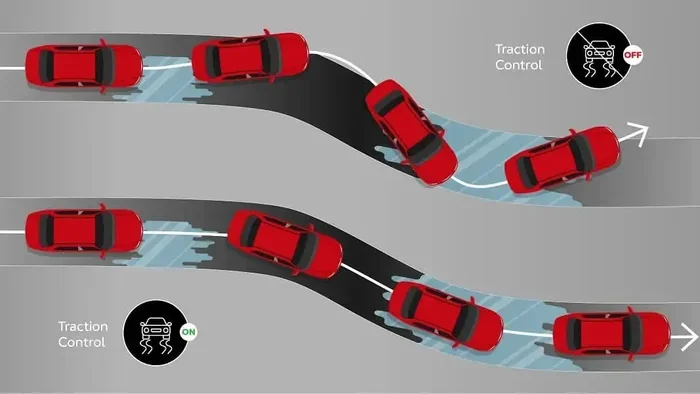
Before we dive into the disadvantages, it helps to understand what the system actually does. A traction control system uses sensors on each wheel to monitor speed. When one wheel spins faster than the others, the system kicks in. It reduces engine power or applies the brakes to that specific wheel. This helps maintain grip, especially on slippery surfaces like ice and snow.
The system works closely with your vehicle’s anti-lock braking system and electronic stability control. Together, these features create a safety net that most modern cars rely on heavily. The traction control module processes data in milliseconds, making adjustments before you even notice a problem. It is impressive technology, no doubt about that.
But here is where things get interesting. All that monitoring and intervention comes with trade-offs. The very features that make traction control helpful can also create problems in certain situations. Let us explore those problems in detail.
Key Disadvantages of a Traction Control System
Reduced Performance on Certain Surfaces
One of the biggest complaints about traction control systems is how they limit performance. On loose surfaces like gravel, sand, or mud, you actually need some wheel spin to move forward. The system fights against that natural need. It brakes spinning wheels and cuts engine power, which can leave you stuck.
Off-road enthusiasts know this frustration well. When you are trying to climb a rocky hill or cross a muddy trail, traction control can work against you. The system sees wheel slip and immediately intervenes, even when that slip is helping your tires find grip. Many experienced drivers choose to disable traction control in these situations for exactly this reason.
Even on regular roads, the system can cause issues. Driving on wet pavement or light ice, the traction control system may reduce your acceleration too aggressively. You might press the gas pedal and feel like your car is limping instead of moving. This reduced power delivery can be annoying, especially when you need to merge onto a highway quickly.
Increased Tire Wear
Here is a disadvantage that catches many drivers off guard. A traction control system applies brakes to individual wheels to prevent slipping. That constant braking action creates extra friction on your tires. Over time, this leads to uneven and accelerated tire wear.
You may notice that your front tires wear out faster than usual if the system activates frequently. The brakes that the system uses are shared with your regular braking system. So every time traction control intervenes, it adds wear to your brake pads and rotors too. This means more frequent replacements and higher maintenance costs.
Drivers in cold climates face this problem even more. On icy roads and snowy streets, the system activates constantly. All that intervention adds up. Your tires may not last as long as they should, and you could find yourself replacing them sooner than expected. This is one of the hidden costs of owning a vehicle with an active traction control system.
Higher Fuel Consumption
You might not connect traction control with your gas mileage, but the two are closely linked. When the system reduces engine power or applies brakes unnecessarily, your engine works harder. That extra effort burns more fuel. Over time, the difference can add up at the pump.
Studies have shown that vehicles with active traction control can use slightly more fuel than those without. The difference may not be huge on a single trip. But over thousands of miles, it becomes noticeable. If you drive a lot, those extra gallons can cost you real money.
The system also affects your driving style indirectly. When traction control constantly intervenes, you may develop habits that reduce efficiency. You might avoid pressing the accelerator fully, or you might brake more often than necessary. These small changes in behavior can hurt your fuel economy over the long run.
Sensor and Module Failures
Like any electronic system, a traction control system depends on sensors and a control module to function properly. These components can fail. When they do, the system either stops working entirely or starts causing problems you did not have before.
Wheel speed sensors are the most common point of failure. They sit near the wheels and are exposed to dirt, moisture, and road debris. Over time, they can become dirty or damaged. A faulty sensor sends incorrect data to the traction control module, which then makes wrong decisions about when to intervene.
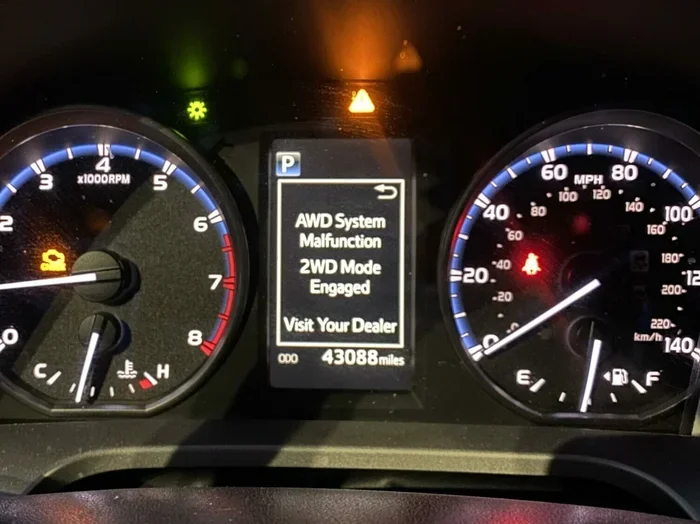
When a sensor fails, your dashboard warning light usually comes on. You might see the traction control light or the check engine light illuminate. Ignoring these warnings is not a good idea. A malfunctioning system can either fail to help you when you need it most or interfere with your driving when it should not.
Replacing these sensors is not cheap. Depending on your vehicle, a single wheel speed sensor can cost anywhere from $50 to $250. And if the traction control module itself fails, the repair bill can climb into the hundreds or even thousands of dollars. These are costs that many drivers do not budget for.
False Activations and Annoying Interventions
Sometimes the system activates when it should not. This is called a false activation, and it can be incredibly frustrating. You might be driving on a dry road at a steady speed, and suddenly the system kicks in. You feel a lurch or a loss of power that makes no sense.
False activations happen for several reasons. A dirty wheel speed sensor, a software glitch, or even a temporary road surface change can trigger the system. The traction control system is designed to be sensitive, which is good for safety but bad for smooth driving.
Many drivers report that these interruptions make them distrust the system. Instead of feeling safer, they feel like the car is fighting them. This is especially common in performance vehicles where drivers expect smooth power delivery. The system can feel intrusive and overly cautious, taking away the joy of driving.
Overreliance on Technology
This is a subtle but serious disadvantage. When drivers know their vehicle has a traction control system, they may stop paying as much attention to road conditions. They assume the technology will handle everything. This overreliance can be dangerous.
Traction control is a helpful tool, not a replacement for good driving skills. Experienced drivers know how to read the road, adjust their speed, and respond to changing conditions. When they lean too heavily on electronics, those skills can fade. And when the system fails or is not enough for a particular situation, the driver is caught off guard.
There is also the issue of drivers not understanding when to turn the system off. Many vehicles have a traction control off button, but few drivers know how or when to use it. This lack of knowledge means they miss out on better performance in certain driving scenarios.
When Disabling Traction Control Makes Sense
Not every situation calls for an active traction control system. There are times when turning it off actually improves your driving experience. Knowing when to do so is an important part of understanding the system’s limitations.
Off-road driving is the most obvious example. When you are on a dirt trail or navigating through deep snow, you want your wheels to spin freely. Traction control prevents that, which can leave you stranded. Most modern vehicles have a way to turn the system off, either through a dashboard button or a drive mode selector.
Another situation is when you are stuck in snow or mud. The system’s constant braking of spinning wheels can dig you deeper instead of helping you move forward. Turning it off allows the wheels to spin and find traction. Many drivers have gotten unstuck simply by switching off their traction control system.
Performance driving is yet another scenario. If you enjoy spirited driving on open roads or tracks, traction control can feel limiting. You want full control over how much power reaches the wheels. Professional drivers often disable these systems to get the most out of their vehicles. For everyday drivers, this might not apply, but it is worth knowing that the option exists.
Traction Control System vs. Other Safety Features
To truly understand the disadvantages, it helps to compare traction control with similar systems. Electronic stability control (ESC) is closely related and often works alongside traction control. While ESC focuses on keeping the vehicle on its intended path, traction control focuses specifically on preventing wheel spin. Both have advantages and disadvantages.
Compared to anti-lock braking systems (ABS), traction control is more proactive. ABS prevents wheels from locking up during braking. Traction control prevents wheels from spinning during acceleration. They share sensors and components but serve different purposes. When both systems work together, they create a comprehensive safety package.
However, having more systems also means more potential points of failure. Each additional electronic feature adds complexity. More complexity means more things that can go wrong. This is an important consideration for drivers who prefer simpler, more mechanical vehicles.
The table below compares key features and their drawbacks:
- Traction Control System: Reduces wheel spin during acceleration, but can limit performance on loose surfaces and increase tire wear.
- Electronic Stability Control: Prevents skidding and loss of direction, but may interfere with sharp cornering at high speeds.
- Anti-Lock Braking System: Prevents wheel lockup during braking, but can increase stopping distances on loose surfaces.
- All of the Above: Work together for maximum safety, but add complexity, cost, and potential failure points.
Common Mistakes Drivers Make with Traction Control
Many drivers unknowingly make mistakes that amplify the disadvantages of their traction control system. The first mistake is never turning the system off when conditions call for it. If you are driving on a loose gravel road or trying to get unstuck in snow, leaving traction control on will only make things harder.
The second mistake is ignoring warning lights. When the traction control warning light stays on, it means something is wrong. Some drivers get used to the light and simply ignore it. This is a bad habit. A persistent warning light could indicate a sensor failure or a module issue that needs immediate attention.
The third mistake is assuming the system works perfectly in all conditions. Traction control is designed for specific scenarios. It does not replace common sense or defensive driving. Drivers who treat it as a magic solution often find themselves in situations the system cannot handle.
Another common mistake is not maintaining the system. Just like any other vehicle component, the traction control system needs attention. Keeping sensors clean, replacing worn brake components, and staying on top of diagnostics all help the system perform at its best. Neglecting maintenance leads to more frequent failures and higher repair costs.
Expert Insights on Traction Control Limitations
Automotive experts generally agree that traction control is a valuable safety feature. But they also acknowledge its limitations. According to many driving instructors, the system works best as a supplement to good driving habits, not a replacement for them.
Experienced mechanics point out that the system’s effectiveness depends heavily on the condition of your tires. Worn tires or tires with insufficient tread reduce the system’s ability to maintain grip. Even the best traction control system cannot compensate for poor tire condition. This is why regular tire maintenance is so important for drivers who rely on electronic safety features.
Driving instructors also emphasize the importance of understanding how the system interacts with road conditions. On black ice, for example, even the most advanced traction control may not prevent a slide. The system can only work within the limits of physics. No electronic feature can create grip where none exists.
Automotive engineers have also noted that software updates can improve traction control performance over time. Manufacturers occasionally release updates that refine how the system responds. Keeping your vehicle’s software up to date is one simple way to minimize false activations and improve overall system reliability.
Key Takeaways
- Reduced Off-Road Performance: Traction control can limit wheel spin, making it harder to navigate loose or uneven terrain.
- Increased Tire Wear: The system’s constant braking of individual wheels can cause uneven tire degradation over time.
- Higher Fuel Consumption: Interruptions in power delivery lead to inefficiency and more trips to the gas station.
- Sensor and Module Failures: Like any electronic system, traction control components can malfunction, triggering warning lights and costly repairs.
- False Activations: The system may intervene unnecessarily on dry roads, interrupting smooth acceleration and frustrating drivers.
- Overreliance on Technology: Drivers may neglect basic driving skills, assuming the system handles everything.
- Added Maintenance Costs: Keeping the system in good working order requires regular diagnostics and occasional part replacements.
Final Thoughts
The traction control system is one of the most important safety features in modern vehicles. It has prevented countless accidents and helped drivers maintain control in dangerous conditions. But it is not perfect. The disadvantages we have discussed are real and worth understanding.
From reduced performance on loose surfaces to increased tire wear and higher fuel costs, the trade-offs are significant. Sensor failures, false activations, and the risk of overreliance on technology add to the list of concerns. These are not reasons to avoid traction control entirely. They are reasons to understand what the system can and cannot do.
The best approach is to stay informed. Know when to use the system and when to turn it off. Keep your sensors clean and your tires in good condition. Pay attention to warning lights and address issues promptly. And never forget that no electronic system replaces attentive, skilled driving.
Understanding the disadvantages of your traction control system makes you a smarter, safer driver. You will be better prepared for the moments when the system helps you and the moments when it does not. That knowledge is invaluable, and it stays with you every time you turn the key.
So the next time you feel that subtle intervention from your traction control, you will know exactly what is happening. You will know the benefits and the trade-offs. And you will be in a better position to make the right call for your driving situation. Stay safe, stay informed, and keep learning about the technology that keeps you moving.
Frequently Asked Questions
Can I drive with the traction control light on?
You can drive short distances with the light on, but it is not recommended. The light usually indicates a problem with the traction control system or one of its sensors. Continuing to drive without addressing the issue means you lose an important safety feature. Have the system diagnosed and repaired as soon as possible.
Does turning off traction control improve fuel economy?
It can help slightly. When traction control is off, the system is not constantly intervening and cutting engine power. This reduces unnecessary braking and power adjustments, which can lead to marginally better fuel economy. However, the difference is usually small and should not be a primary reason to disable the system.
How often should I have my traction control system checked?
A routine check during regular vehicle maintenance is usually sufficient. Most mechanics will inspect the system during oil changes or annual service appointments. If you notice the warning light coming on frequently or feel unusual interventions, get the system checked immediately. Regular diagnostics help catch sensor issues before they become expensive repairs.
Is it safe to drive with traction control off in the rain?
In heavy rain or standing water, traction control actually helps keep your vehicle stable. Driving with it off in wet conditions can increase the risk of hydroplaning or wheel spin. However, if you are stuck and need wheel spin to gain traction, turning it off temporarily can help. Use your judgment based on the specific road conditions.
What causes a traction control system to malfunction?
Common causes include dirty or damaged wheel speed sensors, a faulty traction control module, blown fuses, or wiring issues. Worn brake components can also trigger the system to behave erratically. Regular maintenance and keeping sensors clean can help prevent many of these issues from occurring.
Does traction control work the same way in all vehicles?
Not exactly. Different manufacturers tune their systems differently. Some vehicles have more aggressive traction control that intervenes early, while others are more lenient. Performance vehicles often have adjustable systems that allow drivers to choose how much intervention they want. The basic principle remains the same, but the feel and responsiveness can vary significantly from one car to another.
=== CONCLUSION ===
The traction control system is a remarkable piece of automotive technology. It keeps millions of drivers safe every day by preventing wheel slip and maintaining vehicle stability. But it is not without its flaws. The disadvantages we explored in this article are real and affect real drivers every day.
Reduced performance on loose surfaces, increased tire wear, higher fuel costs, sensor failures, false activations, and the risk of overreliance on technology all deserve your attention. These are not reasons to fear or avoid the system. They are reasons to understand it fully and use it wisely.
Stay proactive about maintenance. Keep your tires in great condition. Pay attention to warning lights. And never let technology replace your own driving awareness. When you balance the benefits of traction control with a clear understanding of its limitations, you become a better, more confident driver.
Take what you have learned here and apply it on the road. Your vehicle is a complex machine with many systems working together. Understanding each one, even the ones that sometimes get in your way, makes you a smarter driver. And that is a benefit that lasts a lifetime.