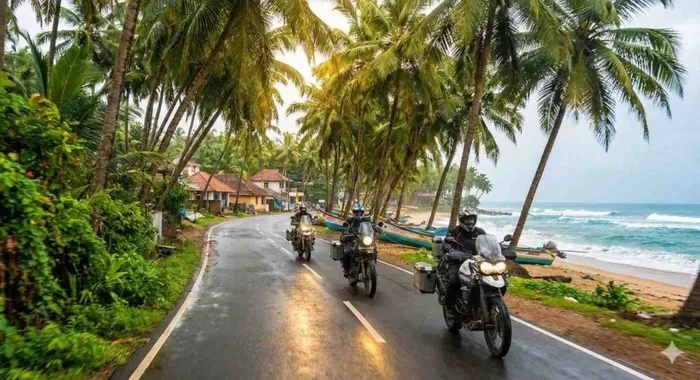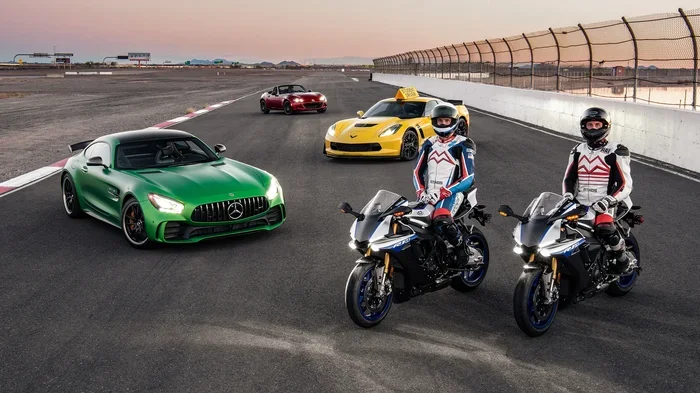
Stunning Car and Bike Images for Your Next Project
Car and bike images are more than just pictures—they are powerful visual tools for designers, marketers, and enthusiasts alike. Whether you need high-resolution vehicle photography for a website, social media, or a personal project, this guide covers everything you need. You will learn where to find the best automotive images, how to capture them yourself, and tips for making them stand out.
Key Takeaways
- Quality matters: High-resolution car and bike images make your project look professional and trustworthy.
- Multiple sources: You can find great vehicle images through stock sites, photographers, or by taking your own photos.
- Lighting is key: Natural light and proper composition dramatically improve automotive photography results.
- Know your audience: Car enthusiasts and bike lovers respond differently to visual content, so tailor your choices accordingly.
- Legal usage: Always check licensing rights before using any car and bike images in commercial projects.
- Editing helps: Simple post-processing can turn a good vehicle photo into a stunning automotive visual.
- Trending styles: Dark backgrounds, dynamic angles, and minimalist compositions are popular in modern automotive design imagery.
📑 Table of Contents
- Why Car and Bike Images Matter for Your Project
- Where to Find the Best Car and Bike Images
- How to Capture Stunning Car and Bike Images Yourself
- Creative Ideas for Using Car and Bike Images
- Editing and Enhancing Your Vehicle Images
- Common Mistakes to Avoid with Car and Bike Images
- Expert Insights for Better Automotive Photography
- Key Takeaways
- Conclusion
Why Car and Bike Images Matter for Your Project
Visual content drives engagement. In fact, posts with great images get up to 94% more views than those without. That is why car and bike images are so valuable. Whether you are building a website, designing a poster, or running a social media campaign, the right vehicle photo makes a huge difference.
Car lovers and bike enthusiasts connect deeply with visuals. A single high-resolution car image can spark emotion. It can tell a story. It can sell a product. The automotive photography you choose shapes how your audience feels about your brand or project before they read a single word.
Think about it. When you scroll through your feed, what catches your eye? Usually, it is a striking car photo or a sleek motorcycle picture. That is the power of visual storytelling. And it is why so many creators invest time in finding or creating the perfect automotive visuals.
The Power of Visual Content in Automotive Projects
Our brains process images 60,000 times faster than text. This means the right vehicle imagery delivers your message almost instantly. A well-shot bike photography image can communicate speed, freedom, and style without saying a word.
For designers and marketers, this is gold. Using compelling digital car images in your layouts boosts click-through rates. It increases time on page. And it builds stronger emotional connections with your audience. Never underestimate what a great automotive visual can do for your project.
Where to Find the Best Car and Bike Images
Finding quality car and bike images is easier than you think. But not all sources are equal. Some offer free images. Others provide premium, exclusive shots. Let us break down your best options.
Free Stock Photo Sites
Free stock sites are a great starting point. You can find thousands of car wallpaper and bike wallpaper images without spending a dime. Here are some popular options:
- Unsplash — Offers high-quality automotive photography with a clean, modern look.
- Pexels — Has a solid collection of vehicle images, including action shots and portraits.
- Pixabay — Good for both car and bike images in various styles and resolutions.
Just remember to check the license. Most free images allow personal and commercial use. But always double-check before publishing.
Premium Stock Platforms
If you need exclusive or editorial vehicle photography, premium platforms are worth the investment. Sites like Shutterstock, Adobe Stock, and Getty Images offer vast libraries. You can find everything from classic car showcases to modern superbike close-ups.
Premium images usually come with better resolution and more licensing flexibility. This makes them ideal for commercial automotive visuals and professional campaigns.
Social Media and Community Sources
Car culture and bike culture thrive online. Platforms like Instagram, Flickr, and Pinterest host millions of user-submitted car photos and motorcycle pictures. Many professional automotive photographers share their work freely or for small fees.
Reaching out directly to photographers can also yield unique results. You might get a custom shoot that no stock site can offer. This approach works especially well for custom bike images and modified car showcases.
How to Capture Stunning Car and Bike Images Yourself
Taking your own automotive photography can be incredibly rewarding. It gives you full creative control. Plus, it can save money in the long run. Here is how to get started.
Essential Gear for Vehicle Photography
You do not need a fancy studio to shoot great car and bike images. But having the right gear helps. Here is what you should have:
- A DSLR or mirrorless camera with manual controls
- A wide-angle lens (24mm to 35mm) for full vehicle shots
- A telephoto lens (70mm to 200mm) for detail and compression
- A tripod for steady, sharp images
- A polarizing filter to reduce glare and enhance colors
Even a modern smartphone can work in a pinch. Just make sure the resolution is high enough for your needs. Many phones now shoot 4K images that look fantastic as high-resolution car images.
Lighting Tips for Automotive Shoots
Lighting makes or breaks a vehicle photo. The best time to shoot is during golden hour. That is the hour after sunrise or before sunset. The soft, warm light makes cars and bikes look absolutely beautiful.
Avoid harsh midday sun. It creates unflattering shadows. If you must shoot during the day, find open shade. Overcast days are also great. The clouds act like a giant softbox, giving you even, diffused light for your bike photography sessions.
For night shots, use light painting techniques. Park your vehicle near interesting urban lights. Use a long exposure to capture dynamic streaks. The result? Eye-catching automotive design imagery that pops.
Composition and Angle Guide
Angle changes everything. A low front shot makes a car look aggressive and powerful. A high overhead shot shows off the full shape and paint job. Here are some composition rules to follow:
- Rule of thirds: Place the vehicle off-center for a more dynamic look.
- Leading lines: Use roads, railings, or architectural lines to guide the eye.
- Clean background: Remove distractions that take attention from the vehicle.
- Fill the frame: Get close to capture details like wheels, headlights, and engine parts.
These tips apply whether you are shooting a sports car or a classic café racer. Great composition turns a snapshot into a showcase piece.
Creative Ideas for Using Car and Bike Images
Once you have great car and bike images, the question is: what do you do with them? The possibilities are huge. Let us explore some creative uses.
Website and Blog Headers
A bold car photo as a website hero image immediately sets the tone. It tells visitors what your site is about. For automotive blogs, a striking vehicle image in the header builds credibility and visual appeal.
Use full-width images for maximum impact. Pair them with clean typography. The combination creates a sleek, modern look that keeps visitors engaged. Make sure your images load fast by compressing them without losing quality.
Social Media Content
Social media is visual-first. Platforms like Instagram and TikTok reward great imagery. Using eye-catching motorcycle pictures or car showcase photos can boost your engagement significantly.
Create carousel posts featuring different angles of the same vehicle. Use before-and-after edits to show transformation. Or post time-lapse videos of your photography process. Car enthusiasts and bike lovers love behind-the-scenes content.
Print and Merchandise
High-quality automotive images look amazing on posters, t-shirts, and phone cases. Many car and bike lovers love displaying their passion through merchandise. A well-designed print can become a best-seller.
Make sure your images are high-resolution. For print, aim for at least 300 DPI. This ensures the bike wallpaper or car poster looks crisp and professional, even at large sizes.
Video Thumbnails and YouTube Content
If you create video content, custom thumbnails with vivid car and bike images get more clicks. Use bright colors, bold text, and a dynamic vehicle shot. This simple formula works across all automotive niches.
Editing and Enhancing Your Vehicle Images
Post-processing can elevate your car and bike images from good to extraordinary. You do not need complex software. Even simple edits make a noticeable difference.
Basic Edits Everyone Should Try
Start with these fundamental adjustments:
- Crop and straighten: Fix any tilted horizons and improve framing.
- Adjust exposure: Brighten or darken to get the perfect balance.
- Boost saturation: Make colors pop without overdoing it.
- Sharpen details: Enhance edges for a crisper look.
Tools like Adobe Lightroom, Snapseed, and Canva are great for these edits. They are user-friendly and produce professional results.
Advanced Techniques for Automotive Visuals
Once you master the basics, try these advanced moves:
- Dodge and burn: Add depth by selectively brightening and darkening areas.
- Color grading: Create a consistent mood across your vehicle photography portfolio.
- Background replacement: Swap dull backgrounds for dramatic landscapes or studio settings.
- Retouching: Remove minor blemishes, reflections, or distractions from the vehicle surface.
These techniques take more practice. But they can truly transform your automotive imagery into gallery-worthy pieces.
Recommended Editing Software
Here is a quick comparison of popular editing tools for automotive photography:
| Software | Best For | Price | Skill Level |
|---|---|---|---|
| Adobe Lightroom | Batch editing, color grading | Subscription | Intermediate |
| Adobe Photoshop | Advanced retouching, compositing | Subscription | Advanced |
| Snapseed | Mobile editing, quick fixes | Free | Beginner |
| Canva | Simple edits, social media graphics | Free / Pro | Beginner |
| GIMP | Free Photoshop alternative | Free | Intermediate |
Pick the tool that fits your needs and budget. Many professionals use a combination of these for the best results.
Common Mistakes to Avoid with Car and Bike Images
Even experienced creators make mistakes. Here are common pitfalls to watch out for when working with car and bike images.
Using Low-Resolution Images
Blurry, pixelated images look unprofessional. Always choose the highest resolution available. For web use, aim for images that load quickly but still look sharp. For print, never go below 300 DPI. A great high-resolution car image is always better than a blurry close-up.
Ignoring Copyright and Licensing
This is a big one. Just because an image is online does not mean you can use it. Always check the licensing terms. Some images are for personal use only. Others require attribution. Commercial use often needs a separate license.
Protecting your own work matters too. Watermark your custom bike images before sharing them online. Use reverse image search to find unauthorized uses of your photography.
Over-Editing Photos
It is tempting to push edits to the extreme. But over-saturated colors, over-sharpened details, and heavy filters can ruin a perfectly good vehicle image. Aim for natural-looking results. Your editing should enhance the photo, not overpower it.
Choosing the Wrong Image for the Context
A flashy sports car photo may not fit a classic car restoration blog. A rugged adventure bike image might not suit a streetfighter review. Always match your car and bike images to the tone and topic of your project. Relevance matters as much as quality.
Neglecting Background and Environment
The background can make or break a vehicle photo. A cluttered, distracting background pulls focus from the car or bike. Before finalizing any image, scan the surroundings. Remove or minimize anything that competes with your main subject. Clean backgrounds let the vehicle shine.
Expert Insights for Better Automotive Photography
Let us hear from the pros. Here are some tips shared by experienced automotive photographers that can take your car and bike images to the next level.
Patience Pays Off
Great automotive shots rarely happen in a rush. Many pros spend hours waiting for the right light, the perfect angle, or the ideal location. Patience is one of the most underrated skills in vehicle photography. Do not chase quick results. Invest time in planning your shoot.
Tell a Story
The best automotive images tell a story. They show the car in its natural habitat. A vintage muscle car on a desert road. A sportbike leaning into a curve on a mountain pass. These contextual shots create emotional depth that studio portraits cannot match. Think about the narrative before you press the shutter.
Focus on Details
Close-up shots of badges, wheels, exhaust pipes, and interiors add variety to your automotive visuals. These detail shots work beautifully in galleries, websites, and print layouts. They show craftsmanship and invite the viewer to appreciate the design on a deeper level.
Build a Consistent Style
Having a signature look helps you stand out. Whether it is moody tones, high contrast, or minimalist framing, consistency builds recognition. Car enthusiasts and bike lovers start to associate your style with quality. This is especially important if you share your car photos on social media or sell prints.
Keep Learning and Experimenting
The world of automotive photography keeps evolving. New editing techniques emerge. New styles gain popularity. Stay curious. Follow other photographers. Try new angles, locations, and editing styles. The more you experiment with bike photography and car shooting, the better your results will become.
Key Takeaways
- Quality visuals drive engagement: Great car and bike images significantly boost views and clicks.
- Multiple sourcing options exist: Use free stock sites, premium platforms, or create your own vehicle photography.
- Lighting and composition matter: Golden hour, clean backgrounds, and proper angles make a huge impact.
- Editing enhances results: Even simple adjustments can transform a basic automotive image into something stunning.
- Avoid common mistakes: Watch out for low resolution, over-editing, and licensing issues.
- Tell a story through your shots: Contextual car showcase and bike photos connect emotionally with viewers.
- Stay consistent and keep learning: Build your style and keep experimenting with new techniques.
Conclusion
Car and bike images are an essential part of any automotive project. They capture attention, tell stories, and create lasting impressions. Whether you are a designer, marketer, blogger, or passionate enthusiast, the right vehicle photography can elevate your work to a whole new level.
You now know where to find great high-resolution car images and motorcycle pictures. You know how to shoot your own automotive photography, how to edit for impact, and what mistakes to avoid. You have expert tips to guide your creative journey.
The key is to start. Pick a project. Find or create your best car and bike images. Apply these techniques. See the difference it makes. Great visuals are not just decoration. They are a powerful way to connect, inspire, and engage your audience.
So go ahead. Explore the world of automotive imagery. Your next great project is waiting for the perfect shot.
Frequently Asked Questions
Where can I find free high-quality car and bike images?
You can find excellent free vehicle images on sites like Unsplash, Pexels, and Pixabay. These platforms offer thousands of automotive photography shots in high resolution. Just check the license before using them for commercial purposes.
What camera settings work best for automotive photography?
Use a low aperture (f/8 to f/16) for sharp focus across the entire vehicle. Keep your ISO low to avoid noise. Use a tripod for stability. Shoot in RAW format for maximum editing flexibility with your car and bike images.
How do I use car and bike images for commercial projects legally?
Always check the licensing terms. Free stock images may allow commercial use, but some require attribution. Premium stock platforms sell commercial licenses. For custom shoots, get a written agreement from the photographer granting usage rights.
What is the best resolution for printing car and bike images?
For high-quality prints, use images with at least 300 DPI (dots per inch). A standard poster size needs around 3000 x 2400 pixels. Always choose the highest resolution available to ensure crisp, clear automotive visuals on any printed material.
How can I make my car photos look more professional?
Focus on clean backgrounds, proper lighting, and sharp focus. Shoot during golden hour for the best natural light. Edit with subtle enhancements like exposure adjustment, color correction, and sharpening. Practice consistently to develop your own style of vehicle photography.
Are drone shots effective for vehicle photography?
Yes, drone shots are very effective for showcasing vehicles in landscapes or open environments. They provide unique top-down and aerial perspectives that ground-level photography cannot achieve. Just check local drone regulations before flying near vehicles or public areas.