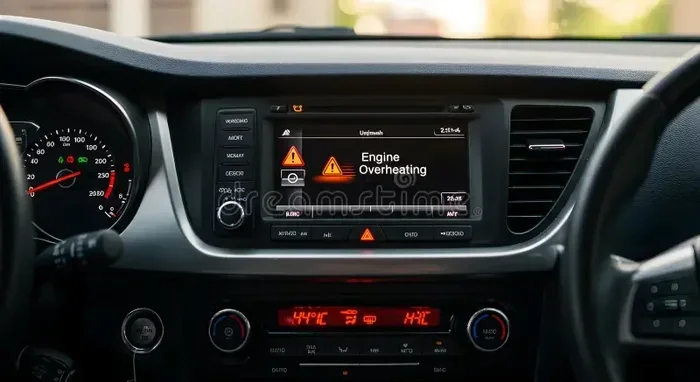
What to Do When Your Car Overheats and Shuts Off Now
When your car overheats and shuts off, staying calm and taking the right steps can save your engine from serious damage. This guide walks you through exactly what to do in the moment, why your car overheated in the first place, and how to prevent it from happening again. You will learn practical safety tips, common causes, and expert-backed advice to handle this stressful situation like a pro.
You are driving down the road, and suddenly your temperature gauge spikes into the red. Then your car starts sputtering, and before you know it, the engine dies. Your car overheats and shuts off, and you are standing on the side of the road wondering what just happened. It is a scary moment, but you are not alone. Millions of drivers face this exact situation every year.
Understanding what to do when your car overheats and shuts off can make the difference between a small repair bill and a completely blown engine. This guide covers everything you need to know in plain, simple language. You will learn the immediate steps to take, the most common reasons this happens, and how to keep it from happening again. Let us get into it.
Key Takeaways
- Turn off the AC and turn on the heat: This simple trick helps pull heat away from the engine fast.
- Never open the radiator cap right away: Pressurized steam can cause severe burns.
- Know the common causes: Low coolant, a broken thermostat, or a failing water pump are top culprits.
- Pull over safely and turn off the engine: Continuing to drive can warp the engine block and cause thousands in repairs.
- Call a tow truck if needed: Driving an overheated car can turn a small fix into a major engine replacement.
- Regular maintenance prevents overheating: Check coolant levels, hoses, and belts often to catch problems early.
📑 Table of Contents
Why Cars Overheat and Shut Off
Your car engine runs hot. Really hot. The cooling system is designed to keep temperatures in a safe range while you drive. When something goes wrong with that system, heat builds up fast. Once the engine reaches a critical temperature, it will shut itself off to prevent catastrophic damage. This is actually a safety feature, not a malfunction.
Several parts work together to keep your engine cool. The radiator, water pump, thermostat, coolant hoses, and cooling fan all play a role. If even one of these fails, the whole system suffers. Understanding this helps you figure out what went wrong and how to fix it.
How the Cooling System Works
Here is a quick look at how your car stays cool. Coolant flows through the engine block, absorbing heat. The water pump pushes that heated coolant to the radiator, where air flowing through the radiator fins cools it down. The thermostat opens and closes to regulate the flow based on engine temperature. When all of these parts work together, your engine stays at the right temperature. When one part fails, overheating follows quickly.
Common Overheating Symptoms to Watch For
Overheating rarely happens out of nowhere. Most of the time, your car gives you warning signs before it shuts off completely. Watch for these signals:
- Temperature gauge climbing into the red zone on your dashboard
- Steam or smoke coming from under the hood
- Strange smells, like a sweet coolant odor or burning rubber
- Coolant leaks under your parked car
- Weak airflow from the heater, which means the coolant is not flowing properly
- Bubbling sounds from the radiator or overflow tank
If you notice any of these signs, pull over safely and turn off the engine as soon as possible. Ignoring these warning signals is one of the biggest mistakes drivers make.
Immediate Steps to Take When Your Car Overheats
Your car just overheated and shut off. Now what? The next few minutes matter a lot. Here is exactly what you should do, step by step.
Step 1: Pull Over Safely
Turn on your hazard lights and find a safe spot to stop. Move to the right shoulder or a parking lot. Do not stop on a bridge or in a traffic lane. Your safety comes first. Once you are stopped, put the car in park and keep your foot on the brake.
Step 2: Turn Off the AC and Turn On the Heat
This might sound counterintuitive, but it works. Turning off the air conditioning reduces the load on the engine. Then, turning the heater to full blast pulls excess heat away from the engine and into the cabin. It will make you hot, but it can help cool the engine down a few degrees while you figure out your next move.
Step 3: Let the Engine Cool Down
Do not try to open the hood right away. The cooling system is under pressure, and hot coolant can spray out and cause serious burns. Wait at least 15 to 20 minutes. Use this time to breathe, assess the situation, and call for help if needed.
Step 4: Check the Coolant Level
Once the engine is cool, carefully open the radiator cap by turning it slowly with a cloth or rag. This releases any remaining pressure. Look at the coolant reservoir. If the level is very low or empty, you have found a likely cause. You can add a small amount of coolant or water to get you to a nearby repair shop. But do not open the cap if the engine is still hot.
Step 5: Call for Help
If you cannot identify the problem or the car will not restart, call a tow truck. Trying to drive an overheated car can cause even more damage. It is always better to be safe than sorry. Have your roadside assistance number handy, or use a phone app to request a tow.
Common Causes of Engine Overheating
Now that you know what to do in the moment, let us talk about why this happens in the first place. Understanding the root cause helps you avoid repeat problems and costly repairs down the road.
Low or Leaking Coolant
This is the number one reason cars overheat. Coolant, also called antifreeze, circulates through the engine and absorbs heat. If you have a coolant leak from a cracked hose, a loose radiator cap, or a damaged water pump, the level drops and the engine cannot stay cool. Check your parking spot for green, orange, or pink puddles. That is a telltale sign of a coolant leak.
Broken Thermostat
The thermostat controls the flow of coolant through the engine. When it gets stuck closed, coolant cannot reach the radiator, and heat builds up fast. A stuck thermostat is a common and relatively inexpensive fix, but ignoring it can lead to severe engine overheating.
Failing Water Pump
The water pump is the heart of your cooling system. It pushes coolant through the engine block and hoses. When the water pump fails, coolant stops flowing, and the engine overheats within minutes. Signs of a failing water pump include coolant leaks near the front of the engine, whining noises, and steam from the hood.
Radiator Problems
Your radiator releases heat from the coolant into the air. If the radiator fins are clogged with debris, or if there is a leak, it cannot do its job properly. A damaged radiator fan can also cause overheating, especially when you are stuck in traffic or idling for long periods.
Blown Head Gasket
A head gasket sits between the engine block and the cylinder head. It keeps coolant and oil from mixing while maintaining compression. When a head gasket blows, coolant can leak into the combustion chambers, causing overheating, white smoke from the exhaust, and a loss of power. This is a serious repair that requires immediate attention.
Low Oil Level
Engine oil does more than lubricate moving parts. It also helps absorb and carry away heat. When your oil level is too low, friction increases and heat builds up. This is an often overlooked cause of overheating that many drivers do not think about.
Blocked or Collapsed Hoses
Coolant hoses can become clogged with sediment or collapse from internal damage. This restricts coolant flow and causes the engine to overheat. A visual inspection of your hoses can often reveal cracks, bulges, or soft spots that signal it is time for a replacement.
| Cause | Severity | Average Repair Cost |
|---|---|---|
| Low or Leaking Coolant | Moderate | $100 – $400 |
| Broken Thermostat | Low to Moderate | $150 – $300 |
| Failing Water Pump | High | $300 – $750 |
| Radiator Issues | Moderate to High | $300 – $900 |
| Blown Head Gasket | Very High | $1,000 – $2,500 |
| Low Oil Level | Low | $50 – $100 |
As you can see, the cost of repairs varies widely depending on the cause. Catching the problem early almost always saves you money.
How to Prevent Your Car From Overheating Again
Dealing with an overheating car is stressful enough that you do not want it to happen twice. The good news is that regular maintenance goes a long way toward keeping your engine running cool and trouble-free.
Check Coolant Levels Regularly
Make it a habit to check your coolant reservoir once a month. The fluid should be between the minimum and maximum marks. If you notice the level dropping frequently, you likely have a leak that needs attention. Always use the type of coolant recommended by your car manufacturer.
Inspect Hoses and Belts
Look at your radiator hoses and serpentine belts for cracks, swelling, or soft spots. These rubber parts degrade over time and can fail without warning. Replacing them before they break is much cheaper than dealing with an overheating emergency on the highway.
Flush the Cooling System
Over time, old coolant becomes contaminated and loses its effectiveness. Most manufacturers recommend flushing the cooling system every 30,000 to 50,000 miles. Check your owner manual for the specific interval for your vehicle. Fresh coolant keeps the engine running at the right temperature and prevents corrosion inside the cooling system.
Keep the Radiator Clean
Debris like leaves, dirt, and bugs can block airflow through the radiator fins. Rinse the radiator with a gentle stream of water from the front during your regular car wash. This simple step improves cooling efficiency and helps prevent overheating.
Monitor Your Temperature Gauge
Keep an eye on your temperature gauge while driving. If you notice it creeping higher than normal, pull over and investigate. Many drivers ignore the gauge until it is too late. A few seconds of attention can save you from a major breakdown.
Address Warning Signs Immediately
Do not wait for the problem to get worse. If you see steam, notice a coolant smell, or see a puddle under your car, get it checked right away. Early intervention is the key to avoiding expensive repairs and dangerous breakdowns.
When to Call a Tow Truck Instead of Driving
Sometimes the right decision is to stop driving and call for a tow. But how do you know when that is the case? Here are some clear signs that you should not keep driving:
- The temperature gauge is in the red zone and does not come down after you turn off the AC and turn on the heat
- Steam is pouring from under the hood, making it unsafe to continue driving
- The car shuts off and will not restart, which could indicate severe engine damage
- You hear knocking or pinging sounds from the engine, which suggests internal damage from heat
- Coolant is spraying or leaking heavily, and you cannot safely stop to fix it
Driving an overheated car can cause the engine block to crack, the head gasket to blow, or the pistons to warp. These repairs can easily cost thousands of dollars. A tow truck ride is a small price compared to a new engine.
If you are on a highway or in an unsafe location, call roadside assistance immediately. Many insurance policies and car warranties include towing coverage. Keep that number saved in your phone so you can access it quickly when you need it most.
Repair Costs You Might Face After Overheating
The cost of fixing an overheated engine depends entirely on what caused the problem and how long you drove while it was overheating. Here is a realistic look at what you might face.
A simple coolant top-off or thermostat replacement might cost you between $150 and $300. A water pump replacement runs $300 to $750 depending on your vehicle. A radiator repair or replacement can range from $300 to $900. But if you drove too long with an overheating engine, you could be looking at a head gasket replacement or even a full engine rebuild, which can cost anywhere from $1,000 to $4,000 or more.
The takeaway is clear. The faster you respond to overheating, the less it costs. Ignoring the problem or trying to push through it is the most expensive choice you can make.
Quick Tips for Emergency Overheating Situations
- Always keep a bottle of coolant in your trunk, especially on long trips
- Carry a basic emergency kit with a flashlight, gloves, and a rag for opening the radiator cap
- Know your route and identify service stations or repair shops along the way
- Never remove the radiator cap while the engine is hot, as pressurized coolant can cause severe burns
- Keep your phone charged so you can call for help when you need it
These small preparations can make a huge difference when you find yourself stranded on the side of the road with an overheating engine.
Final Thoughts
Dealing with a car that overheats and shuts off is stressful, but it does not have to be overwhelming. When you know what to do in the moment, you stay safe and protect your engine from further damage. Remember to pull over, turn off the AC, turn on the heat, let the engine cool, and call for help when needed.
Understanding the common causes of overheating gives you the power to prevent future problems. Regular maintenance, coolant checks, and hose inspections keep your cooling system working the way it should. And when in doubt, always choose a tow truck over risking further damage to your engine.
Take these lessons and put them into action. Check your coolant this week, inspect your hoses, and make sure you have a roadside assistance plan in place. Your car depends on you to take care of it, and a little prevention goes a long way toward keeping you safe on the road.
The next time your car overheats and shuts off, you will know exactly what to do. Stay calm, stay safe, and handle the situation with confidence.
Frequently Asked Questions
Can I keep driving my car after it overheats and shuts off?
No, you should not continue driving an overheated car. The engine may already be damaged, and driving it again can cause cracks in the engine block, a blown head gasket, or warped pistons. Call a tow truck and have the car transported to a repair shop instead.
How long should I wait before opening the hood of an overheated car?
Wait at least 15 to 20 minutes after turning off the engine. The cooling system is under pressure, and hot coolant can spray out and cause serious burns. Use that time to let the engine cool down safely before checking anything.
What should I add to my car if the coolant is low?
If you are stranded and need a temporary fix, you can add plain water to the radiator or coolant reservoir to get to a nearby shop. However, water is not a long-term replacement for proper coolant. Have the system flushed and refilled with the correct coolant type as soon as possible.
How much does it cost to fix an overheated engine?
The cost depends on the cause. Simple fixes like a thermostat replacement or coolant top-off cost $150 to $300. More serious repairs like a water pump or head gasket can run $300 to $2,500. Driving an overheated engine for too long can lead to engine replacement costs of $4,000 or more.
What causes a car to overheat while sitting in traffic?
Low coolant, a broken radiator fan, a clogged radiator, or a failing water pump are common causes of overheating in traffic. The radiator fan pulls air through the radiator when you are not moving fast enough to create natural airflow. If the fan fails, heat builds up quickly at low speeds or while idling.
How can I tell if my head gasket is blown from overheating?
Signs of a blown head gasket include white smoke from the exhaust, a milky residue under the oil cap, coolant loss without visible leaks, and overheating that keeps coming back. If you notice any of these symptoms, have a mechanic inspect the car right away. A blown head gasket will not fix itself and will only get worse over time.