Anti Rodent Spray For Cars Protect Your Engine And Interior
Anti rodent spray for cars is a powerful solution that shields your engine and interior from costly rodent damage. These sprays use natural or chemical repellents to deter mice, rats, and squirrels from chewing wires, insulation, and hoses. Whether you park outdoors or drive in rural areas, a quality rodent deterrent spray can save you hundreds in repairs. In this guide, we cover how these products work, top brands, application tips, and common mistakes to avoid. Learn how to protect your car from rodents before the damage starts.
There is nothing worse than opening your car hood and finding chewed wires, shredded insulation, or droppings everywhere. Rodents love to nest inside cars, and the damage they cause can run into thousands of dollars. This is exactly why anti rodent spray for cars has become a must-have for vehicle owners everywhere.
Whether you live in a rural area, park near fields, or simply deal with mice in your garage, a good rodent repellent spray for car engine can make a huge difference. These products create a barrier that rodents find unpleasant, keeping them away from your engine bay, wiring, and interior. In this article, we will walk you through everything you need to know about choosing and using the best anti rodent spray for cars available today.
Key Takeaways
- Anti rodent spray for cars creates a protective barrier that keeps mice, rats, and squirrels away from your engine and interior.
- Most sprays use natural ingredients like peppermint oil or capsaicin, making them safe for your car’s surfaces and the environment.
- Regular application every 30 to 60 days ensures long-lasting rodent protection for vehicles.
- Parking in clean, dry areas and combining sprays with physical deterrents boosts effectiveness significantly.
- Ignoring early signs of rodent activity can lead to expensive repairs, including wire replacements and engine damage.
- Top brands like Hot Shot, Fresh Cab, and Loraffe offer reliable options for different budgets and needs.
- Applying the spray correctly to high-risk zones like the engine bay, undercarriage, and cabin air intake is essential for full coverage.
📑 Table of Contents
Why Rodents Target Your Car
You might wonder why rodents are so attracted to cars in the first place. The answer is simpler than you think. Cars offer warm, cozy spaces that feel like perfect nesting spots. The engine bay retains heat, and the insulation around wires smells like plant fibers. Rodents chew on these materials to keep their teeth filed down.
Here are some of the main reasons rodents invade cars:
- Warm engine areas attract them during cold months.
- Wiring insulation contains soybean-based materials that smell like food to rodents.
- Dust and debris build up in engine bays, providing nesting material.
- Parked cars sitting idle give rodents undisturbed access.
- Nearby vegetation and fields increase the chance of rodent encounters.
Understanding why they target vehicles helps you see why car engine rodent protection is so important. Without prevention, a single mouse can cause serious harm to your car’s electrical system in just a few weeks.
The Cost of Rodent Damage
Rodent damage is not just annoying. It is expensive. Chewed wires can short out your entire electrical system. Damaged hoses can cause fluid leaks. And nesting material trapped in your cabin air intake can block airflow and create foul odors. Repair costs for rodent chewed car wires can range from a few hundred dollars to over a thousand, depending on the severity.
Some insurance policies cover rodent damage, but many do not. This makes prevention through a quality anti rodent spray for cars one of the smartest investments you can make for your vehicle.
How Anti Rodent Sprays Work
Anti rodent spray for cars works by creating an invisible barrier that rodents find irritating or unbearable. Most sprays use strong scents or tastes that rodents dislike. When they encounter treated surfaces, they avoid the area entirely. Let us break down the two main types of sprays available.
Natural Rodent Repellent Sprays
Natural sprays rely on ingredients like peppermint oil, citronella, clove oil, and capsaicin. These scents are pleasant for humans but overwhelming for rodents. Many car owners prefer natural options because they are safe for car interiors, do not produce harsh fumes, and are environmentally friendly.
Brands like Fresh Cab and Loraffe offer excellent natural rodent deterrent spray for car options. These sprays are easy to apply and typically last for several weeks before needing reapplication.
Chemical-Based Rodent Repellent Sprays
Chemical-based sprays use stronger active ingredients designed to create a more potent and long-lasting barrier. Products like Hot Shot and Bobbex-R use compounds that create a sticky, unpleasant taste on surfaces. Rodents bite once, taste the repellent, and learn to avoid the area.
These sprays tend to last longer than natural options, but they may produce a stronger initial odor. Always apply them in a well-ventilated area and follow the manufacturer’s instructions carefully.
Top Anti Rodent Sprays for Cars
Choosing the right product can feel overwhelming with so many options on the market. Below are some of the most popular and effective anti rodent sprays for cars that car owners trust.
Hot Shot Ultra Rodent Repellent Spray
Hot Shot is one of the most recognized names in car pest control. Their spray uses a combination of capsaicin and other active ingredients to create a powerful rodent barrier. It works well on engine components, undercarriage areas, and even cabin surfaces.
Many users report that one application lasts up to 30 days. The spray dries quickly and does not leave a visible residue. It is a great choice for those looking for a proven, reliable rodent deterrent spray for car engine.
Fresh Cab Botanical Rodent Repellent
Fresh Cab is a top pick for owners who want a plant-based solution. It uses a blend of essential oils that rodents find repulsive but humans find tolerable. The spray is safe to use around pets and children, making it a family-friendly option.
Fresh Cab comes in both spray and granular forms. The spray version works well for targeting specific areas like the engine bay and wiring harnesses. It is an excellent choice for environmentally safe car rodent prevention.
Loraffe Natural Rodent Repellent Spray
Loraffe offers a concentrated formula that is designed specifically for automotive use. It targets the areas rodents love most, including the engine compartment and undercarriage. The spray creates a long-lasting barrier that withstands rain and moisture.
Users appreciate that Loraffe does not damage paint or plastic components. It is a solid option for those seeking a dedicated underhood rodent repellent that delivers real results.
How to Apply Anti Rodent Spray Correctly
Even the best spray will not work if you do not apply it correctly. Proper application ensures full coverage and maximum protection. Follow these steps for the best results with your anti rodent spray for cars.
Step 1: Clean the Engine Bay
Before spraying, remove any debris, leaves, or nesting material from the engine bay. Use a soft brush or compressed air to clear out dust. A clean surface allows the spray to adhere properly and reach all the areas rodents might target.
Step 2: Identify High-Risk Zones
Focus your application on areas where rodents are most likely to enter and nest. These include:
- The engine compartment and wiring harnesses.
- The cabin air intake and filter area.
- Undercarriage components and brake lines.
- Interior spaces like under seats and in the trunk.
- Any gaps or openings where rodents can squeeze through.
Step 3: Spray Evenly and Generously
Hold the can about 6 to 8 inches from the surface. Apply a thin, even coat to all targeted areas. Do not soak the surfaces, but make sure the spray reaches every nook and cranny. Pay special attention to rubber hoses and plastic covers, as these are common chewing targets.
Step 4: Reapply Regularly
Most sprays lose effectiveness over time, especially after exposure to rain and moisture. Reapply every 30 to 60 days for continuous rodent protection for vehicles. Set a reminder on your phone to stay on track.
Quick Tips for Best Results
- Apply the spray in the evening when rodents are most active.
- Wear gloves and work in a ventilated area.
- Reapply after heavy rain or car washes.
- Combine spray use with steel wool or wire mesh for extra protection.
- Check your car regularly for early signs of rodent activity.
Common Mistakes to Avoid
Even experienced car owners make mistakes when using anti rodent spray for cars. Avoid these common errors to get the most out of your product.
Skipping Regular Reapplication
One of the biggest mistakes is applying the spray once and forgetting about it. Most repellent sprays wear off over time, especially in wet conditions. Set a schedule and stick to it. Consistent reapplication is the key to long-term car rodent damage prevention.
Spraying Only the Engine Bay
Rodents do not just stay in the engine. They also invade the cabin, trunk, and undercarriage. Apply the spray to all vulnerable areas, not just the engine compartment. Full coverage gives you complete vehicle pest control peace of mind.
Using Expired Products
Check the expiration date before using any spray. Expired products may have lost their potency and will not repel rodents effectively. Always buy from reputable sellers and store sprays in a cool, dry place.
Ignoring Early Warning Signs
If you notice droppings, gnaw marks, or a strange smell coming from your car, act immediately. Spraying after an infestation has already started is much harder than preventing one. Early detection combined with regular spray use is the best strategy for rodent proof car protection.
Combining Sprays with Other Rodent Prevention Methods
For the best results, do not rely on spray alone. Combine your anti rodent spray for cars with other proven methods to create a multi-layered defense system.
Use Physical Deterrents
Steel wool, copper mesh, and wire mesh can block entry points that rodents use to get inside your car. Stuff these materials into gaps around the engine bay, exhaust openings, and cable passages. Rodents hate chewing through metal and will look for easier targets.
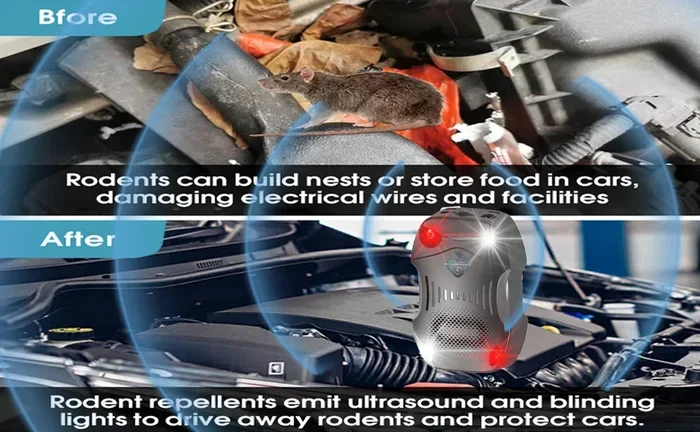
Install an Ultrasonic Repellent Device
Ultrasonic devices emit high-frequency sounds that rodents find disturbing but humans cannot hear. These small devices plug into your car’s 12V outlet and create a protective zone around your vehicle. They work especially well when paired with a quality rodent deterrent spray for car engine.
Keep Your Parking Area Clean
Rodents are attracted to clutter and food sources. Keep your garage or parking area clean and free of food scraps. Remove any nearby bird feeders or compost piles that might draw rodents closer to your car. A clean environment makes car pest control much easier.
When to See a Professional
Sometimes, despite your best efforts, rodents still find their way into your car. If you notice heavy nesting, extensive wire damage, or a persistent infestation, it may be time to call in a professional. Pest control experts can inspect your vehicle thoroughly and treat the problem at its source.
Many auto shops also offer professional car rodent proofing services that include spray application, wire protection, and insulation sealing. This is a great option if you have tried DIY methods without success.
Frequently Asked Questions
How often should I reapply anti rodent spray for cars?
Most sprays need reapplication every 30 to 60 days for optimal protection. If you live in a rainy area or wash your car frequently, you may need to reapply more often. Check the product label for specific guidance on reapplication intervals.
Is anti rodent spray safe for car paint and plastic?
Yes, most reputable brands are formulated to be safe for car surfaces including paint, plastic, and rubber. Always test a small hidden area first and follow the manufacturer’s instructions to avoid any potential damage.
Can I use household rodent spray on my car?
It is best to use sprays specifically designed for automotive use. Household sprays may contain ingredients that can damage car surfaces or leave residues that affect air quality inside the cabin. Choose a product labeled for car or vehicle use.
How long does the smell of rodent repellent spray last?
The initial scent usually fades within a few hours to a day. However, the repellent effect remains active on surfaces for weeks. The smell is typically mild and fades quickly, especially with natural formulations.
Can anti rodent spray prevent all rodent damage?
While sprays are highly effective, no product offers 100% protection. Combining spray use with physical barriers like mesh and good parking habits gives you the best chance of preventing rodent damage to your car.
Are natural rodent sprays as effective as chemical ones?
Natural sprays work well for mild to moderate rodent activity. Chemical-based sprays tend to be stronger and last longer in harsh conditions. Choose based on your rodent problem severity and personal preference for natural or synthetic ingredients.
Final Thoughts
Protecting your car from rodents does not have to be complicated or expensive. A quality anti rodent spray for cars is one of the simplest and most cost-effective ways to prevent damage to your engine, wiring, and interior. By understanding how these sprays work, applying them correctly, and combining them with other prevention methods, you can keep your vehicle rodent-free all year long.
Do not wait until the damage is done. Take action today and give your car the rodent protection it deserves. Whether you choose a natural formula or a chemical-based spray, the key is consistency and thorough application. Your car will thank you with years of reliable, damage-free performance.
Start with the tips and product recommendations in this guide, and you will be well on your way to a rodent-free vehicle. Stay proactive, stay protected, and enjoy the peace of mind that comes with knowing your car is safe from unwanted pests.