How Many Miles Can a 2018 Toyota Camry Realistically Last
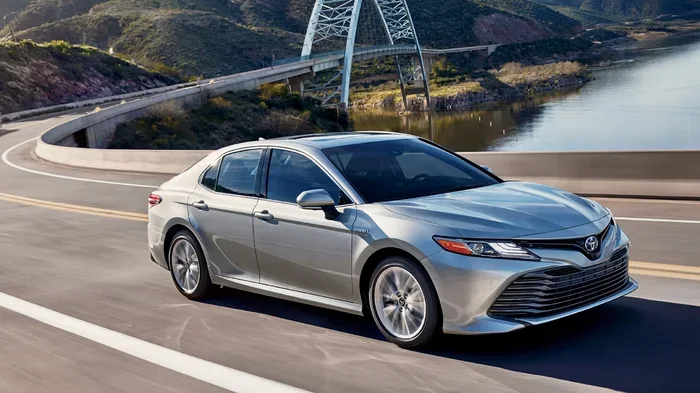
A well-maintained 2018 Toyota Camry can realistically last between 200,000 and 300,000 miles. This popular sedan is known for its Toyota Camry reliability, strong engine durability, and affordable maintenance costs. Regular upkeep, quality parts, and smart driving habits play a huge role in how long your Camry will keep running strong.
When you buy a car, one of the biggest questions you probably ask is simple: how long will it last? For many shoppers, the 2018 Toyota Camry stands out as a smart choice. This sedan has earned a reputation for being dependable, comfortable, and surprisingly long-lasting. But what does that mean in real terms?
How many miles can a 2018 Toyota Camry realistically last? The short answer is impressive. With regular care, most Camrys from 2018 can comfortably reach 200,000 to 300,000 miles. Some owners have even pushed past that mark. But the exact number depends on several factors you should know about.
In this guide, we will break down everything you need to know about the lifespan of the 2018 Toyota Camry. We will cover engine reliability, maintenance schedules, common issues, and what you can do to maximize your miles. Whether you are buying used or already own one, this article will give you the full picture.
Key Takeaways
- Long Lifespan: A 2018 Toyota Camry can easily surpass 200,000 miles with proper maintenance and care.
- Reliable Engine: The 2.5L four-cylinder and hybrid powertrains are designed for longevity and efficiency.
- Maintenance Matters: Staying on top of oil changes, fluid flushes, and timing belt replacements dramatically extends vehicle life.
- Strong Resale Value: Even high-mileage 2018 Camrys hold their value well due to Toyota’s reputation for durability.
- Common Issues Are Manageable: Most problems found on aging Camrys are minor and affordable to fix.
- Driving Habits Count: Gentle driving, regular short trips, and proper storage all contribute to a longer vehicle life.
📑 Table of Contents
- Understanding the 2018 Toyota Camry Engine and Powertrain
- Factors That Affect How Long a 2018 Camry Lasts
- Common Issues That Affect Camry Longevity
- Maintenance Schedule for Maximum Longevity
- How the 2018 Camry Compares to Other Toyota Models
- Maximizing Your 2018 Camry’s Mileage: Practical Tips
- What Is the Resale Value of a High-Mileage 2018 Camry?
- Conclusion
Understanding the 2018 Toyota Camry Engine and Powertrain
The heart of any vehicle determines how long it will run. The 2018 Toyota Camry offers two main engine options. Both are well-regarded and built with durability in mind. Understanding these engines helps you predict what kind of mileage you can expect.
The 2.5L Four-Cylinder Engine
The standard engine in the 2018 Camry is a 2.5-liter four-cylinder. It produces around 203 horsepower and 184 pound-feet of torque. This engine has been a staple in the Camry lineup for years. Toyota engineers designed it with longevity as a top priority.
Most mechanics agree that a well-maintained 2.5L engine can easily handle 250,000 miles or more. The key is sticking to the recommended maintenance schedule. This engine does not have any major known weaknesses. It is simple, proven, and reliable.
The 3.5L V6 Engine Option
For those who want more power, the 2018 Camry also offered a 3.5-liter V6. This engine produces 301 horsepower. It is a stronger motor, but it also has more moving parts. More parts can mean more things that need attention over time.
That said, the V6 Camry still has a strong track record. With proper care, you can expect the V6 to last well beyond 200,000 miles. The V6 may need slightly more expensive maintenance, but the Toyota Camry reliability remains high across both engine options.
The Hybrid Powertrain
The 2018 Camry Hybrid combines a 2.5-liter engine with an electric motor. Together, they produce 208 horsepower. The hybrid system adds complexity, but Toyota has refined this technology over many years.
Hybrid batteries are designed to last the life of the vehicle. In most cases, the hybrid battery will outlast the gas engine. The miles per gallon rating for the hybrid model is also excellent, which helps reduce overall wear on the engine. Fewer miles on the engine means less strain over time.
Factors That Affect How Long a 2018 Camry Lasts
Not every 2018 Camry will reach the same mileage. Several factors influence how many miles you can realistically get out of your vehicle. Understanding these factors helps you make better decisions about maintenance and ownership.
Maintenance History
This is the single biggest factor. A Camry that has had regular oil changes, fluid replacements, and filter swaps will last far longer than one that has been neglected. Preventive maintenance is the secret weapon of long-lasting vehicles.
Here are the most important maintenance items for a 2018 Camry:
- Oil changes: Every 5,000 to 7,500 miles using quality synthetic oil
- Transmission fluid: Replace every 60,000 to 100,000 miles
- Coolant flush: Every 30,000 to 50,000 miles
- Brake fluid: Replace every 20,000 to 45,000 miles
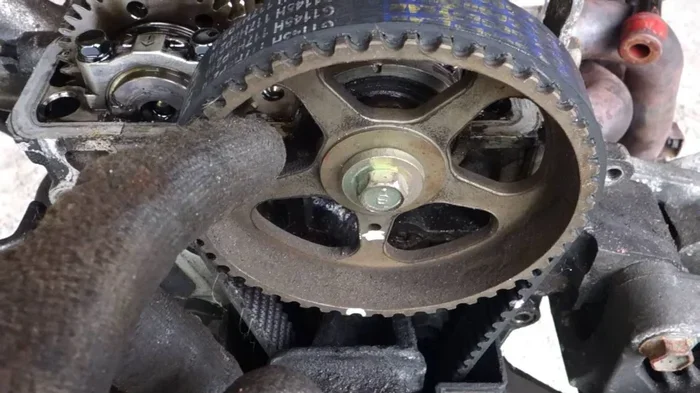
- Timing belt: Replace around 100,000 miles (check your specific model)
- Spark plugs: Replace every 60,000 to 100,000 miles
Driving Habits
How you drive matters more than you might think. Aggressive acceleration, hard braking, and frequent redlining all put extra stress on engine components. Gentle, steady driving is much easier on your vehicle.
Short trips can also be tough. When you only drive a few miles, the engine does not fully warm up. This can cause moisture to build up in the oil. If possible, take longer drives occasionally to let everything reach proper operating temperature.
Climate and Storage Conditions
Where you live and how you store your car also play a role. Extreme heat and extreme cold both accelerate wear. Cars parked outdoors year-round tend to deteriorate faster than those kept in garages.
In hot climates, coolant systems work harder. In cold climates, engine oil thickens and takes longer to circulate properly. If you live in an area with harsh weather, consider using a car cover and parking in a garage whenever possible.
Fuel Quality
Using quality fuel matters more than many people realize. Cheap gas can contain impurities that build up in your engine over time. Toyota recommends using regular unleaded fuel for the 2.5L engine. The V6 model also runs fine on regular fuel. Using top-tier gasoline can help keep your engine cleaner and running smoother for longer.
Common Issues That Affect Camry Longevity
No car is perfect, and the 2018 Camry is no exception. Most of the issues that affect long-term durability are minor and well-documented. Knowing what to watch for helps you address problems before they become serious.
Transmission Concerns
The 2018 Camry uses an eight-speed automatic transmission. This transmission is generally reliable, but some owners have reported occasional rough shifting. Regular fluid changes go a long way in preventing transmission problems.
If you notice any hesitation or roughness when shifting gears, get it checked early. Catching transmission issues early can save you from expensive repairs later. A well-maintained transmission should easily last 200,000 miles or more.
Suspension Wear
The Camry rides smoothly, but the suspension components do wear out over time. Shock absorbers and struts typically need replacement between 60,000 and 100,000 miles. Control arms and bushings also degrade with age.
Replacing suspension parts is not cheap, but it is not catastrophic either. Keeping up with suspension maintenance ensures your Camry rides well and handles safely even at high mileage. This is a normal part of the car lifespan for any vehicle.
Electrical Gremlins
As cars age, electrical issues can pop up. The 2018 Camry has a lot of electronic features, and some owners have reported occasional glitches with the infotainment system or power accessories. These issues are usually minor and inexpensive to fix.
Corroded ground wires and aging connectors are common culprits. A good mechanic can identify and fix most electrical issues quickly. These problems rarely affect the core drivetrain, which is the main determinant of how long your car will last.
Rust and Body Wear
Rust is one of the biggest threats to any vehicle’s longevity. The 2018 Camry has decent corrosion protection, but it is not immune. Cars driven in snowy regions or near coastal areas are more prone to rust.
Regular washing, especially undercarriage rinses in winter, can help prevent rust. Addressing any paint chips or scratches quickly also protects the body. A rust-free Camry will last significantly longer than one with untreated corrosion.
Maintenance Schedule for Maximum Longevity
Sticking to a maintenance schedule is the best thing you can do for your 2018 Camry. Toyota provides a detailed maintenance guide for every model year. Following it closely gives your car the best chance of reaching high mileage.
Daily and Weekly Checks
You do not need to be a mechanic to keep your Camry healthy. Simple daily and weekly checks make a big difference. Check your tire pressure every week. Look at your fluid levels monthly. Listen for any unusual sounds when driving.
These small habits take only a few minutes but help you catch issues early. Early detection almost always means cheaper repairs.
Scheduled Maintenance Intervals
Toyota recommends specific service intervals for the 2018 Camry. Here is a simplified overview of what to expect:
- Every 5,000 miles: Oil change and tire rotation
- Every 15,000 miles: Replace engine air filter and cabin air filter
- Every 30,000 miles: Replace spark plugs and inspect brake pads
- Every 60,000 miles: Replace drive belt and inspect suspension components
- Every 100,000 miles: Replace timing belt and coolant
Staying on top of these intervals keeps your Camry running smoothly. It also helps maintain the vehicle’s resale value. A well-documented service history makes a big difference when it is time to sell.
DIY vs. Professional Maintenance
Some maintenance tasks are easy to do yourself. Oil changes, air filter replacements, and windshield wiper swaps are all DIY-friendly jobs. Other tasks, like transmission fluid changes and timing belt replacements, are best left to professionals.
You can save money by handling simple tasks yourself. Just make sure you use quality parts and follow the correct procedures. When in doubt, consult a trusted mechanic. Building a good relationship with a local shop pays off over the long haul.
How the 2018 Camry Compares to Other Toyota Models
The 2018 Camry is not the only long-lasting Toyota on the road. Toyota builds some of the most durable vehicles in the industry. How does the Camry stack up against other popular models?
Compared to the Toyota Sequoia SUV, the Camry typically requires less maintenance over its lifespan. Larger vehicles like the Sequoia have more components that can wear out. The average life of a Toyota Sequoia is also strong, but the Camry’s simpler drivetrain gives it an edge in long-term reliability.
When compared to the Toyota Corolla, the Camry offers a slightly more robust build. The Corolla is also very reliable, but the Camry’s larger engine and sturdier frame give it a slight advantage in high-mileage durability. Both models are excellent choices if longevity matters to you.
For those interested in how long is 200000 miles on a car, the Camry handles this milestone exceptionally well. Many owners report that their Camrys feel just as strong at 200,000 miles as they did when new. This is a testament to Toyota’s engineering and build quality.
Maximizing Your 2018 Camry’s Mileage: Practical Tips
Want to push your 2018 Camry past the 250,000-mile mark? Here are some practical tips that real Camry owners swear by. These strategies help you get the most out of your vehicle.
Drive Smoothly and Predictably
Avoid sudden acceleration and hard braking whenever possible. Smooth driving reduces wear on your engine, transmission, and brakes. It also improves fuel economy, which saves you money at the pump.
Try to anticipate stops and starts. Coasting to red lights instead of braking hard at the last second reduces stress on your braking system. Over thousands of miles, this adds up to significant savings in repair costs.
Keep Up with Fluid Changes
Fluids are the lifeblood of your vehicle. Engine oil, transmission fluid, coolant, and brake fluid all degrade over time. Fresh fluids keep everything running smoothly and protect internal components from wear.
Do not skip fluid changes just because your car seems fine. By the time you notice a problem, the damage may already be done. Staying ahead of fluid maintenance is one of the easiest ways to extend your car’s life.
Address Problems Early
Small noises, vibrations, or warning lights should never be ignored. What starts as a minor issue can become a major repair if left unchecked. A small squeak today could mean a costly fix tomorrow.
When something feels off, get it checked. Most repair shops will inspect your vehicle for a reasonable fee. Catching problems early saves money and keeps your Camry on the road longer.
Keep Records of Everything
Maintain a detailed log of every service, repair, and inspection. This record-keeping serves multiple purposes. It helps you stay on top of maintenance schedules, and it provides proof of care when you sell or trade in your vehicle.
Buyers are willing to pay more for a vehicle with a documented service history. Good records also help you identify patterns if recurring issues arise. They are a small investment that pays big dividends over time.
Use Quality Parts and Fluids
It can be tempting to choose the cheapest option for parts and fluids. But cheaper is not always better. Low-quality oil or aftermarket parts can cause problems that cost more in the long run.
Stick with OEM (Original Equipment Manufacturer) parts or high-quality aftermarket alternatives. Use manufacturer-recommended fluids. Your Camry was engineered with specific specifications in mind. Meeting those specifications helps ensure maximum longevity.
What Is the Resale Value of a High-Mileage 2018 Camry?
Even at high mileage, the 2018 Camry holds its value surprisingly well. Toyota’s reputation for durability means buyers trust used Camrys. A Camry with 150,000 miles is still a desirable vehicle in the used car market.
To understand what your high-mileage Camry is worth, you can find out fair market value of a car using online valuation tools and local listings. Factors like trim level, condition, service history, and mileage all affect the final price.
Generally, a well-maintained 2018 Camry with 150,000 to 200,000 miles will still be worth a respectable amount. The Toyota Camry reliability reputation keeps demand strong, even for higher-mileage examples. This makes the Camry a smart choice for buyers who want long-term value.
Compared to many competitors in the midsize sedan segment, the Camry depreciates more slowly. Brands that are less reliable tend to lose value faster. The Camry’s strong resale numbers speak to its quality and durability.
Conclusion
The 2018 Toyota Camry is one of the most reliable sedans you can buy. With proper care and maintenance, it can realistically last between 200,000 and 300,000 miles. Some owners push well beyond that, reaching 350,000 miles or more.
The key factors are simple: follow the maintenance schedule, drive carefully, use quality parts, and address issues early. These habits apply to any vehicle, but they matter even more for a car you want to keep for a long time.
If you are considering buying a used 2018 Camry, you are making a smart choice. This car has proven itself over many years. It offers comfort, reliability, and excellent fuel economy. With the right care, your Camry will keep serving you well for many years to come. The miles you put on it are a testament to how well you maintain your vehicle, not a limitation of the car itself.
Whether you are driving a Camry with 50,000 miles or 200,000 miles, the principles remain the same. Take care of your car, and it will take care of you. That is the Toyota promise, and the 2018 Camry delivers on it every single day.
Frequently Asked Questions
What is the average lifespan of a 2018 Toyota Camry?
The average lifespan of a 2018 Toyota Camry is between 200,000 and 300,000 miles. With regular maintenance and careful driving, many owners exceed 250,000 miles. The exact lifespan depends on how well you maintain the vehicle and your driving habits.
Is the 2018 Toyota Camry reliable for long-distance driving?
Yes, the 2018 Camry is very reliable for long-distance driving. The engines are built for durability, and the transmission is well-suited for highway use. Just make sure to stay on top of fluid changes and scheduled maintenance, especially before long trips.
How often should I change the oil in my 2018 Toyota Camry?
Toyota recommends changing the oil every 5,000 to 7,500 miles for the 2018 Camry. Using synthetic oil can help extend engine life. If you drive in severe conditions, such as extreme heat or heavy traffic, consider shortening the interval.
Can a 2018 Camry last 300,000 miles?
Yes, a 2018 Camry can last 300,000 miles or more with proper care. Many owners have reported reaching this milestone. The key factors are consistent maintenance, quality fluids and parts, and gentle driving habits.
What is the most common problem with the 2018 Toyota Camry?
The most common issues reported for the 2018 Camry involve the transmission and suspension. Some owners experience occasional rough shifting or suspension wear around the 60,000 to 100,000-mile mark. These problems are generally manageable and not expensive to fix.
Should I buy a used 2018 Toyota Camry with over 150,000 miles?
Buying a used 2018 Camry with over 150,000 miles can be a great deal if the vehicle has a clean maintenance history. Request service records and have a pre-purchase inspection done. A well-documented Camry at this mileage can still provide many years of reliable service.