Is Volvo a Luxury Brand The Truth Will Surprise You
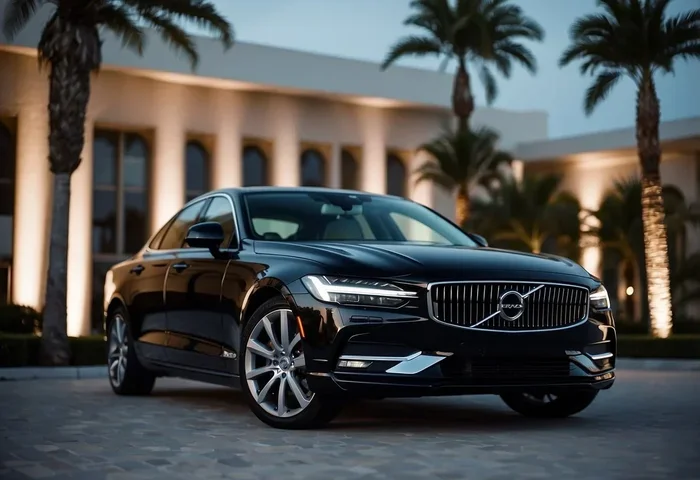
So, is Volvo a luxury brand? The short answer is yes, but with a twist. Volvo sits in the premium segment with top-tier safety, Scandinavian design, and refined interiors that rival traditional luxury names. However, its focus on practicality and value keeps it just below the ultra-luxury tier, which is exactly what makes it so appealing to smart buyers.
When you think about luxury car brands, names like BMW, Mercedes-Benz, and Audi probably come to mind first. But what about Volvo? For years, this Swedish automaker has been quietly building vehicles that blend safety, elegance, and practicality in ways that challenge the traditional luxury hierarchy. So, is Volvo a luxury brand? The answer might surprise you more than you expect.
Volvo has always been a bit of an outsider in the car world. While other brands chase speed and flashiness, Volvo focuses on what really matters: keeping you safe, comfortable, and confident behind the wheel. Over the decades, the company has built a reputation for quality that speaks for itself. Today, Volvo competes in the premium segment, offering vehicles that deliver a genuine luxury experience without the sky-high price tags of ultra-luxury marques.
In this article, we will break down everything you need to know about Volvo’s luxury status. We will look at its history, compare it to traditional luxury brands, explore ownership costs, and examine why more drivers are choosing Volvo as their premium vehicle of choice. Whether you are already a Volvo fan or just curious about the brand, this guide will give you a clear and honest picture of where Volvo stands in the luxury car world.
Key Takeaways
- Volvo is a premium brand that offers luxury-level features without the ultra-luxury price tag.
- Scandinavian design and safety engineering set Volvo apart from traditional luxury competitors like BMW and Mercedes.
- Volvo maintenance costs are reasonable compared to German luxury brands, making ownership more affordable.
- Models like the XC90 and S60 deliver a genuine luxury driving experience with modern technology.
- Volvo’s resale value holds steady, which adds long-term value for buyers considering a premium vehicle.
- The brand is transitioning to electric, positioning itself as a forward-thinking luxury choice.
- You get luxury without the flash — Volvo appeals to those who value substance over showiness.
📑 Table of Contents
- What Makes a Brand a Luxury Brand?
- The History of Volvo and Its Brand Positioning
- Is Volvo a Luxury Brand? Here Is What the Evidence Shows
- Volvo vs. Traditional Luxury Brands
- The Cost of Owning a Volvo: Maintenance and Upkeep
- Why Volvo Deserves More Recognition as a Luxury Brand
- Common Mistakes People Make About Volvo’s Luxury Status
- Final Thoughts: Is Volvo a Luxury Brand?
What Makes a Brand a Luxury Brand?
Before we dive into Volvo specifically, let us talk about what actually makes a car brand qualify as “luxury.” The term luxury means different things to different people. For some, it is about price. For others, it is about features, materials, or the overall driving experience. Understanding these factors helps us place Volvo in the right context.
Premium Materials and Craftsmanship
A luxury brand uses high-quality materials inside and out. We are talking about soft leather, real wood trim, metal accents, and meticulous attention to detail. Volvo excels in this area. The interiors of models like the XC90 and S60 feel refined and expensive. The surfaces you touch are smooth, the stitching is clean, and the overall ambiance is calm and sophisticated.
Advanced Technology and Features
Luxury brands usually lead the way in technology. Think adaptive cruise control, premium sound systems, panoramic roofs, and advanced driver assistance features. Volvo has been a pioneer in safety technology, introducing features like City Safety and Pilot Assist long before many competitors. These systems are not just nice extras — they are core to the Volvo driving experience.
Price Positioning
Let us be real. Price matters when defining luxury. Volvo vehicles typically sit above mainstream brands like Toyota and Honda but below ultra-luxury names like Rolls-Royce and Bentley. The starting price for a new Volvo usually ranges from around $40,000 to $70,000, which places the brand firmly in the premium luxury segment.
Brand Image and Exclusivity
Traditional luxury brands often sell prestige and status. Volvo takes a different approach. The brand appeals to thoughtful buyers who value substance over flash. This is not a brand that wants to shout your wealth from the rooftops. Instead, it quietly delivers a refined experience that discerning drivers appreciate.
The History of Volvo and Its Brand Positioning
Volvo was founded in 1927 in Gothenburg, Sweden. From the very beginning, the company’s mission centered on safety. While other automakers focused on performance or style, Volvo asked a different question: how do we build cars that protect people? This mission has shaped every vehicle the brand has ever produced.
From Safety Pioneer to Premium Player
For most of its history, Volvo was known primarily as a safe, reliable family car brand. The Volvo 240 and 740 series became iconic for their durability and crashworthiness. But over the past two decades, the company has evolved significantly. Under the ownership of Geely (a Chinese automotive giant), Volvo has invested heavily in design, technology, and luxury features.
Today, Volvo positions itself as a premium brand with luxury aspirations. The company has moved upmarket, introducing vehicles that compete directly with established luxury names. The SPA platform (Scalable Product Architecture) underpins models like the XC90, XC60, and S90, and it is engineered to deliver a world-class driving experience.
The Scandinavian Design Philosophy
One of Volvo’s biggest strengths is its design language. Scandinavian design is known for being clean, minimal, and functional. Volvo applies this philosophy to every vehicle. The interiors are uncluttered yet luxurious. The exterior lines are elegant without being flashy. This design approach resonates with buyers who appreciate understated elegance over ostentatious displays of wealth.
Is Volvo a Luxury Brand? Here Is What the Evidence Shows
Now let us get to the heart of the matter. Is Volvo a luxury brand? The evidence strongly suggests yes, with some important nuances. Volvo checks nearly every box that defines a luxury automaker, but it does so in its own distinctive way.
Build Quality and Attention to Detail
Volvo vehicles are built with a level of precision that matches or exceeds many traditional luxury brands. The fit and finish of the panels, the quality of the paint, and the feel of the switches and knobs all reflect a commitment to excellence. When you sit inside a Volvo, you notice the difference immediately. The materials feel substantial, the assembly is tight, and there are no cheap shortcuts.
Safety as a Luxury Feature
Here is something that sets Volvo apart: safety is its luxury differentiator. While other brands compete on horsepower or flashy tech, Volvo competes on peace of mind. The brand consistently earns top safety ratings from organizations like IIHS and Euro NCAP. For many buyers, knowing your family is protected is the ultimate luxury.
Driving Experience and Comfort
Volvo vehicles offer a smooth, composed ride that feels genuinely luxurious. The suspension is tuned for comfort, the cabins are quiet, and the seats are incredibly supportive. Whether you are driving the XC90 SUV or the S60 sedan, the experience is refined and pleasant. Volvo may not be the sportiest brand on the road, but it delivers a calm, confident drive that many luxury buyers prefer.
The Electric Revolution
Volvo has committed to going fully electric by 2030. The introduction of the EX90 electric SUV marks a major step in the brand’s luxury evolution. Electric vehicles naturally lend themselves to a premium experience — instant torque, silent operation, and cutting-edge technology. Volvo’s electric push reinforces its claim to luxury status in the modern automotive landscape.
Volvo vs. Traditional Luxury Brands
To truly understand Volvo’s position, it helps to compare it directly with established luxury brands. The table below breaks down key factors that buyers typically consider.
| Factor | Volvo | BMW | Mercedes-Benz |
|---|---|---|---|
| Starting Price | $40,000 – $70,000 | $45,000 – $80,000 | $45,000 – $85,000 |
| Safety Rating | Top-tier (Industry leader) | Excellent | Excellent |
| Interior Quality | Premium Scandinavian | Sporty Luxury | Elegant Luxury |
| Maintenance Cost | Moderate | Higher | Higher |
| Driving Feel | Calm and Comfortable | Sporty and Engaging | Smooth and Refined |
| Brand Prestige | Growing Premium | Established Luxury | Established Luxury |
| Electric Lineup | Strong (EX90, EX30) | Growing | Growing |
As you can see, Volvo holds its own against the big names. The brand may not carry the same historical prestige as BMW or Mercedes, but it delivers a comparable luxury experience at a more accessible price point. For many buyers, that is a smarter choice.
Where Volvo Leads
Volvo’s strongest advantage is safety. No other luxury brand matches Volvo’s dedication to crash prevention and occupant protection. The brand also wins on interior tranquility and minimalist design. If you value a serene cabin environment, Volvo is hard to beat.
Where Traditional Luxury Brands Lead
BMW and Mercedes still dominate in brand recognition and driving dynamics. If you want a sportier feel and more brand cachet, the German options have an edge. However, Volvo is closing the gap rapidly, especially in the electric vehicle segment.
The Cost of Owning a Volvo: Maintenance and Upkeep
One of the biggest concerns for anyone considering a luxury vehicle is the cost of ownership. Volvo has a significant advantage here: maintenance and repair costs are generally lower than those of traditional German luxury brands. But what does ownership actually look like day to day?
Routine Maintenance
Volvo vehicles require standard maintenance like oil changes, tire rotations, and brake inspections. The good news is that Volvo’s maintenance schedule is straightforward and not overly aggressive. You will not need frequent, expensive service visits just to keep the car running well. That said, staying on top of the recommended service intervals is important. Ignoring maintenance alerts can lead to bigger problems down the road.
If you ever wonder whether you can still drive safely when a warning light comes on, the answer depends on the light. For example, if your maintenance required light is on, you can usually drive a short distance, but you should get the car serviced soon.
Common Maintenance Tasks for Volvo Owners
- Oil changes every 7,500 to 10,000 miles (depending on the model and engine).
- Tire rotations every 5,000 to 7,500 miles to ensure even wear.
- Brake pad replacement typically every 30,000 to 50,000 miles.
- Battery replacement every 4 to 5 years on average.
- Key fob battery replacement — you can replace the key fob battery yourself in most Volvo models, saving a trip to the dealer.
- Coolant flush every 60,000 to 100,000 miles.
Diagnostic and Warning Systems
Volvo vehicles come equipped with sophisticated diagnostic systems. If a warning light appears on your dashboard, it is important to address it promptly. Sometimes a check engine light may turn off on its own, but that does not always mean the problem is resolved. Using proper diagnostic tools can help you identify hidden issues before they become expensive repairs. You can run diagnostics even without a check engine light using OBD-II scanners, which is helpful for proactive maintenance.
Insurance and Depreciation
Volvo insurance costs tend to be moderate compared to German luxury brands. The brand’s strong safety ratings often help lower insurance premiums. Additionally, Volvo vehicles hold their value reasonably well. While they do depreciate like any car, the rate of depreciation is generally more favorable than many established luxury competitors. This means lower depreciation hits if you decide to sell or trade in your vehicle later.
Quick Tip: Always keep up with your Volvo’s recommended maintenance schedule. Regular upkeep not only prevents costly repairs but also preserves the vehicle’s luxury feel and resale value over time.
Why Volvo Deserves More Recognition as a Luxury Brand
Volvo has earned its place in the luxury conversation, and here is why more buyers should take the brand seriously.
Substance Over Status
In a world where luxury brands often rely on logos and badge prestige, Volvo offers something refreshingly different. The brand does not need a flashy grille or aggressive styling to make a statement. Instead, Volvo lets the quality of the vehicle speak for itself. For buyers who are tired of brand posturing, this approach is incredibly appealing.
Real-World Luxury Benefits
When you drive a Volvo, you notice the small things that add up to a big experience. The seats are comfortable for long drives. The noise insulation keeps the cabin quiet at highway speeds. The infotainment system is intuitive and responsive. These are the details that define a true luxury experience, and Volvo delivers them consistently across its lineup.
A Brand Built for Real Life
Unlike some luxury brands that prioritize form over function, Volvo designs vehicles for real-world living. The spacious interiors, clever storage solutions, and family-friendly features make Volvo cars practical without sacrificing luxury. Whether you are commuting to work or heading out on a road trip, a Volvo handles both scenarios with grace.
The Electric Future
Volvo’s commitment to electrification positions the brand at the forefront of the luxury automotive shift. The EX90 and EX30 are not just electric vehicles — they are statements about where luxury is heading. Silent operation, instant performance, and cutting-edge software define the electric Volvo experience. As the industry moves toward electrification, Volvo is already there.
Common Mistakes People Make About Volvo’s Luxury Status
There are several misconceptions about Volvo that prevent people from recognizing it as a true luxury brand. Let us clear some of those up.
Mistake 1: Assuming Volvo Is Just a Safe Family Car
While safety is Volvo’s core strength, the brand has evolved far beyond the family station wagon image. Today’s Volvos are sleek, powerful, and technologically advanced. The XC90, S90, and V60 all deliver a luxury experience that rivals anything from the German big three.
Mistake 2: Thinking Volvo Cannot Compete with German Brands
This is perhaps the biggest misconception. Volvo may not have the same brand history as BMW or Mercedes, but it offers a comparable — and in some ways superior — ownership experience. Lower maintenance costs, excellent safety, and refined interiors give Volvo a strong competitive edge.
Mistake 3: Overlooking the Resale Value
Many buyers assume that luxury cars lose value quickly. While this is true for some brands, Volvo holds its value better than expected. The combination of reasonable pricing and strong demand means that Volvo owners often get more money back when it is time to sell.
Final Thoughts: Is Volvo a Luxury Brand?
The answer is a clear and confident yes. Volvo is a luxury brand — a premium, sophisticated automaker that delivers a genuine luxury experience without the pretension. The brand combines Scandinavian elegance, class-leading safety, and modern technology to create vehicles that appeal to thoughtful, discerning buyers.
Volvo may not be the flashiest name in the luxury world, but it is one of the smartest choices you can make. Whether you are looking for a luxury SUV like the XC90, a refined sedan like the S60, or a stylish wagon like the V60, Volvo offers a compelling package that balances luxury, practicality, and value.
If you have been on the fence about Volvo, we hope this guide has given you the clarity you need. The truth about Volvo’s luxury status is not hidden — it is built into every vehicle the brand produces. From the materials on the dashboard to the advanced safety systems under the bodywork, Volvo proves that luxury does not need to be loud. Sometimes, the quietest cars say the most.
So the next time someone asks you, is Volvo a luxury brand, you can confidently say yes. And now you know exactly why.
Frequently Asked Questions
Is Volvo considered a luxury brand or a premium brand?
Volvo is widely considered a premium luxury brand. It sits above mainstream manufacturers but below ultra-luxury names like Rolls-Royce. The brand offers luxury-level features, materials, and craftsmanship at a more accessible price point than traditional German luxury competitors.
What makes Volvo different from BMW and Mercedes?
Volvo differentiates itself through its focus on safety, Scandinavian design, and understated elegance. While BMW emphasizes sportiness and Mercedes focuses on elegance, Volvo prioritizes comfort, practicality, and peace of mind. The brand also tends to have lower maintenance costs than its German rivals.
Are Volvo cars expensive to maintain?
Volvo maintenance costs are moderate compared to traditional luxury brands. Routine services like oil changes and brake repairs are reasonably priced. However, major repairs can still be costly, especially if the vehicle is out of warranty. Staying on top of regular maintenance helps keep long-term costs manageable.
Which Volvo model is the most luxurious?
The Volvo XC90 is widely regarded as the brand’s most luxurious model. It offers a spacious, premium interior with high-quality materials, advanced technology, and exceptional comfort. The S90 sedan and EX90 electric SUV are also top contenders in the luxury category.
Does Volvo hold its value better than other luxury brands?
Volvo holds its value reasonably well compared to many luxury brands. The combination of competitive pricing and strong demand helps the brand maintain resale value. While it may not match the retention rates of the most established luxury names, Volvo depreciates at a moderate and predictable rate.
Is Volvo going fully electric?
Yes. Volvo has committed to becoming a fully electric car brand by 2030. The company has already launched electric models like the EX90 and EX30, and it plans to phase out combustion engines entirely. This electric focus positions Volvo as a forward-thinking luxury brand for the future.