How Long Can a Toyota Tacoma Engine Last and What Affects It
A Toyota Tacoma engine can last between 250,000 and 400,000 miles with proper care. The Tacoma is one of the most reliable trucks on the road, and many owners report crossing the 300,000-mile mark without major issues. Regular maintenance, driving habits, and climate all play a big role in how long your Tacoma engine will run strong.
A Toyota Tacoma has earned a reputation as one of the toughest and most reliable trucks ever built. People buy Tacomas expecting them to last for years, and many are not disappointed. But how long can a Toyota Tacoma engine actually last? The answer depends on several factors, including how you maintain it, how you drive, and what conditions you expose it to. In this article, we will break down everything you need to know about Tacoma engine lifespan. You will learn what affects it, what common problems to watch for, and how to get the most miles out of your truck.
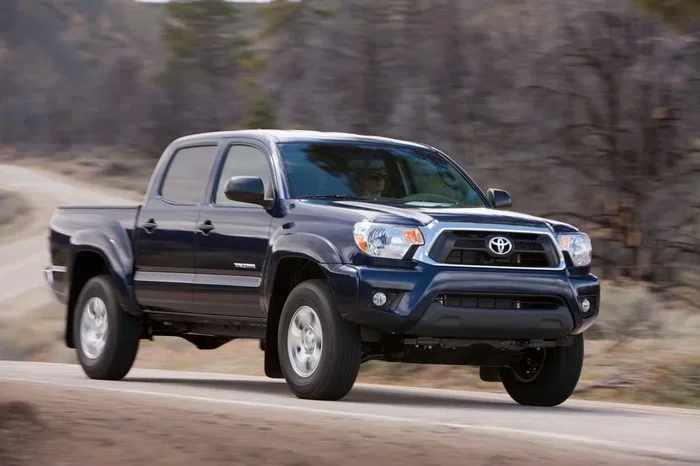
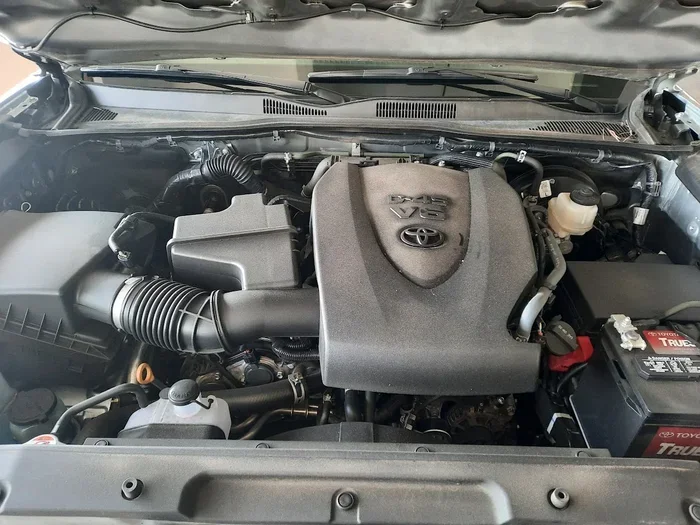
The Toyota Tacoma has been around since 1995, and each generation has improved on the last. Early models from the mid-1990s came with a 2.4-liter four-cylinder or a 3.4-liter V6. Today, the latest Tacomas offer a 2.7-liter four-cylinder or a powerful 3.5-liter V6 twin-turbo engine. No matter which engine you have, the Tacoma is built to endure. The Toyota Tacoma engine is designed with durability in mind, using forged internals and robust cooling systems. Many owners have logged over 300,000 miles on their original engines without a major rebuild. That is impressive for any vehicle, let alone a truck that is often used for work and towing.
What makes the Tacoma stand out is its simple, proven engineering. Toyota did not overcomplicate the design. There are fewer electronic systems to fail, and the mechanical parts are straightforward to maintain. This simplicity is a huge advantage when it comes to long-term reliability. When you compare the Tacoma to other trucks in its class, it consistently ranks at or near the top for dependability. Whether you use your Tacoma for daily commuting or heavy-duty hauling, the engine is up to the task.
Key Takeaways
- Long engine life: A well-maintained Toyota Tacoma engine can last 250,000 to 400,000 miles or more.
- Maintenance matters most: Regular oil changes, coolant flushes, and timing belt replacements dramatically extend engine life.
- Driving habits count: Aggressive driving, towing beyond limits, and idling for long periods wear the engine faster.
- Climate plays a role: Extreme heat and cold both put extra stress on the engine and its components.
- Common problems exist: Oil consumption, coolant leaks, and timing belt wear are the most frequent Tacoma engine issues.
- Rebuild vs. replace: A rebuilt Tacoma engine costs less than a new one but still requires quality parts and skilled labor.
📑 Table of Contents
How Long Can a Toyota Tacoma Engine Last
The average lifespan of a Toyota Tacoma engine ranges from 250,000 to 400,000 miles. Some well-cared-for Tacomas have even surpassed 500,000 miles. However, these numbers assume consistent maintenance and reasonable driving conditions. If you neglect oil changes or ignore warning signs, the engine may not reach these milestones.
The 3.5-liter V6 twin-turbo engine, found in newer Tacoma models, is a modern powerhouse. It uses advanced materials and precision engineering to deliver both power and longevity. Toyota designed this engine to handle tough conditions, including towing heavy loads and operating in extreme temperatures. The 2.7-liter four-cylinder, while less powerful, is also remarkably durable. It may not have the same towing capacity, but it can still deliver a long service life with proper care.
Older Tacoma models, particularly those from the first and second generations, are known for their bulletproof reliability. The 3.4-liter V6 was a workhorse that many owners still rely on today. These engines were simple by design, which made them easy to maintain and hard to break. Even after two decades, many of these older engines still run strong.
What the Numbers Say
Let us look at some real-world data. According to owner surveys and mechanic reports, the average Tacoma engine lasts about 200,000 miles before needing significant repairs. However, with a strict maintenance schedule, many Tacomas push well past 300,000 miles. The key is staying ahead of wear and tear. Here are some general milestones to keep in mind:
- 100,000 miles: The engine should be in excellent shape if maintained properly. Minor issues like fluid leaks may start to appear.
- 200,000 miles: This is a common point where some owners notice increased oil consumption or minor timing chain wear.
- 300,000 miles: A well-maintained Tacoma engine can still run strong at this point, though some components may need replacement.
- 400,000+ miles: These high-mileage Tacomas are rare but do exist. They require diligent care and sometimes multiple rebuilds over the years.
Factors That Affect Toyota Tacoma Engine Life
Many things influence how long your Tacoma engine will last. Some factors are within your control, while others are not. Understanding these factors can help you make better decisions about maintenance and driving habits.
Maintenance Schedule
This is the single biggest factor. A Tacoma that receives regular oil changes, coolant flushes, and timely belt replacements will last far longer than one that does not. Oil is the lifeblood of your engine. It lubricates moving parts, reduces friction, and carries heat away from critical components. Over time, oil breaks down and loses its effectiveness. Dirty oil causes increased wear on engine bearings and internal surfaces.
Toyota recommends changing the oil every 5,000 to 10,000 miles, depending on driving conditions. If you tow frequently or drive in dusty areas, you should shorten this interval. Using the right grade of oil is also important. Check your owner manual for the manufacturer’s recommendation.
Driving Habits
How you drive has a direct impact on engine longevity. Aggressive acceleration, hard braking, and sustained high-speed driving all increase engine stress. If you constantly rev the engine to the redline, you wear out internal components faster. On the other hand, smooth and steady driving reduces strain on the engine.
Towing is another major factor. The Tacoma is a capable tow truck, but exceeding its rated towing capacity puts excessive load on the engine. This can lead to overheating, increased wear, and premature failure. Always stay within the manufacturer’s towing limits. If you need to tow heavy loads regularly, consider upgrading to a Tacoma model with a stronger towing package.
Climate and Environment
Where you live matters. Extreme heat causes coolant to break down faster and can lead to overheating. Cold climates put extra stress on the engine during startup because oil thickens in low temperatures. If you live in an area with harsh winters, using a winter-grade oil can help protect your engine during cold starts.
Dusty or off-road environments also take a toll. Dirt and debris can enter the engine through the air filter, causing abrasive wear on internal components. Regularly checking and replacing your air filter is a simple but effective way to protect your engine.
Fuel Quality
Using low-quality fuel can cause long-term damage to your Tacoma engine. Poor fuel contains impurities that can clog injectors and leave deposits on combustion chamber surfaces. Over time, this reduces engine efficiency and can lead to knocking or pinging. Always try to use fuel from reputable stations and follow the octane rating recommended by Toyota.
How Long Can a Hybrid Sit Without Being Driven
While the Tacoma is not a hybrid, the question of how long any vehicle can sit without being driven is relevant to engine health. When a car sits for extended periods, fluids settle, seals dry out, and the battery loses charge. If you have a Tacoma that sits unused for weeks or months, start it regularly and let it run long enough to circulate fluids. This keeps seals lubricated and prevents moisture buildup in the engine.
Common Toyota Tacoma Engine Problems
No engine is perfect, and the Tacoma is no exception. Knowing the common problems can help you catch issues early before they become expensive repairs.
Oil Consumption
Some Tacoma models, particularly those with the 3.5-liter V6, are known to consume oil at higher rates than expected. This is not unusual for modern turbocharged engines, but it can be concerning for owners. If you notice your oil level dropping between changes, check for leaks and consider switching to a high-mileage oil formula. Regular oil level checks can help you stay on top of this issue.
Coolant Leaks
Coolant leaks are one of the most common Tacoma engine problems. They can occur at the water pump, radiator hoses, or heater core. A small leak may not seem serious at first, but low coolant levels can lead to overheating, which can cause major engine damage. Inspect your cooling system regularly and address any leaks promptly.
Timing Belt and Chain Wear
The Tacoma uses a timing chain in most models, which is designed to last the life of the engine. However, timing chains can stretch over time, especially in high-mileage vehicles. A stretched chain can cause rough idling, reduced power, and in severe cases, engine damage. Replacing the timing chain at the recommended interval is a smart preventive measure.
Overheating Issues
Overheating is a serious concern for any truck engine. The Tacoma’s cooling system is robust, but it can fail if not properly maintained. A malfunctioning thermostat, a failing water pump, or a clogged radiator can all cause overheating. If your temperature gauge starts climbing, pull over safely and let the engine cool down. Continuing to drive an overheating engine can result in catastrophic damage.
Check Engine Light and Diagnostic Issues
The check engine light can come on for many reasons, from a loose gas cap to a serious engine problem. If your Toyota Tacoma check engine light stays on, do not ignore it. Getting a full car diagnostic can reveal the root cause before it becomes a bigger issue. Early detection saves money and prevents further engine damage.
How to Extend Your Tacoma Engine Life
Taking care of your Tacoma engine does not have to be complicated. A few simple habits can add thousands of miles to your engine’s life.
Follow the Maintenance Schedule
Toyota provides a detailed maintenance schedule in the owner manual. Follow it closely. Do not skip oil changes, and do not postpone scheduled services. Think of maintenance as an investment in your truck’s future. A few hundred dollars spent on regular services can save you thousands in engine repairs down the road.
Monitor Fluid Levels
Make it a habit to check your engine fluids regularly. This includes oil, coolant, transmission fluid, and brake fluid. Low fluid levels can lead to poor performance and accelerated wear. Keep a bottle of engine oil and coolant in your truck so you can top off fluids when needed.
Address Problems Early
Do not ignore warning signs. Unusual noises, vibrations, or changes in performance are your engine telling you something is wrong. The sooner you address a problem, the less expensive the repair will be. Ignoring small issues can lead to cascading failures that damage multiple engine components.
Keep It Clean
A clean engine runs cooler and lasts longer. Dirt and grime can trap heat against engine components, causing them to degrade faster. Regularly washing the underside of your truck also helps remove salt, mud, and debris that can cause corrosion.
Drive with Care
Smooth driving habits go a long way. Avoid rapid acceleration from a stop, and do not lug the engine at low RPMs under heavy load. Let the engine warm up for a minute or two before driving hard, especially in cold weather.
How Far Can You Drive an Overheating Car
If your Tacoma engine starts to overheat, the answer to how far you can drive is very short. Continuing to drive an overheating engine can cause the head gasket to blow, warp the cylinder head, or crack the engine block. If you notice signs of overheating, pull over immediately and turn off the engine. Call for roadside assistance if needed. Driving even a few more miles on an overheating engine can turn a small repair into a major engine replacement.
When to Rebuild or Replace Your Tacoma Engine
At some point, even the most well-maintained Tacoma engine may need significant work. Knowing when to rebuild versus replace can save you time and money.
Signs You Need Engine Work
Watch for these warning signs that your Tacoma engine may need professional attention:
- Persistent knocking or ticking sounds from the engine
- Excessive blue or white smoke from the exhaust
- Significant loss of power or acceleration
- Oil pressure warning light staying on
- Coolant mixing with oil or appearing in the exhaust
- Engine running rough or misfiring consistently
Rebuild vs. Replacement
A rebuilt engine involves disassembling the engine, replacing worn parts, and reassembling it to factory specifications. This is usually less expensive than a full replacement and can extend your engine life by another 100,000 miles or more. A new engine replacement is more costly but comes with the warranty of a fresh start.
The cost of a Tacoma engine rebuild typically ranges from $3,000 to $5,000, while a new engine can cost $7,000 to $12,000 or more, depending on the model year and engine type. Labor costs vary by location and shop. Always get multiple quotes from reputable mechanics before committing to a major engine repair.
Toyota Tacoma Maintenance Required Light
If your Tacoma’s maintenance required light comes on, do not ignore it. This light is a reminder that your truck is due for scheduled service. Addressing maintenance promptly helps keep your engine running smoothly and can prevent costly repairs. You can find guidance on how to handle the maintenance light in our article on driving with a maintenance required light on a Toyota.
How Long Is a Long Bed Truck and Why It Matters for Engine Performance
The Tacoma comes in different bed lengths, including the long bed, which offers more cargo capacity. The long bed truck design affects the overall weight distribution and can influence how the engine performs under load. A long bed Tacoma may weigh more when fully loaded, which means the engine works harder during towing and hauling. Understanding your truck’s configuration helps you set realistic expectations for engine performance and longevity.
Conclusion
The Toyota Tacoma is a truck built to last, and its engine is no exception. With proper maintenance, careful driving, and attention to warning signs, your Tacoma engine can easily last 250,000 to 400,000 miles. The key is staying proactive about service and not ignoring the small issues that can snowball into major problems. Whether you drive a first-generation Tacoma or the latest model, the principles of engine longevity remain the same. Take care of your truck, and it will take care of you for years to come. A well-maintained Tacoma engine is one of the best investments you can make for long-term reliability and peace of mind on the road.
Frequently Asked Questions
How many miles can a Toyota Tacoma engine last?
A well-maintained Toyota Tacoma engine can last between 250,000 and 400,000 miles, and some owners have reported exceeding 500,000 miles. Regular oil changes, timely belt replacements, and proper driving habits all contribute to reaching these high mileage milestones.
What is the most common Tacoma engine problem?
Oil consumption is one of the most common issues reported by Tacoma owners, especially in models with the 3.5-liter V6 twin-turbo engine. Coolant leaks and timing chain stretch are also frequently reported problems that can affect engine performance over time.
How often should I change the oil in my Toyota Tacoma?
Toyota recommends changing the oil every 5,000 to 10,000 miles, but this interval should be shortened if you tow frequently, drive in dusty conditions, or use your truck for heavy-duty work. Always use the oil grade recommended in your owner manual.
Is it worth rebuilding a Tacoma engine?
Yes, a Tacoma engine rebuild is generally worth it if the rest of the truck is in good condition. A rebuild typically costs between $3,000 and $5,000 and can add another 100,000 miles or more to your engine’s life, making it a cost-effective alternative to a full engine replacement.
Can I still drive my Tacoma if the check engine light is on?
You can usually drive a short distance if the check engine light is on, but you should not ignore it. The light could indicate anything from a minor issue like a loose gas cap to a serious engine problem. Getting a diagnostic check as soon as possible is the safest approach.
What engine does the latest Toyota Tacoma have?
The latest Toyota Tacoma models come with either a 2.7-liter four-cylinder or a 3.5-liter V6 twin-turbo engine. The 3.5-liter V6 is the more powerful option, offering strong towing capacity and impressive performance, while the 2.7-liter four-cylinder provides reliable everyday driving with better fuel efficiency.