How Many Miles Can A Prius Go Without An Oil Change
How Many Miles Can A Prius Go Without An Oil Change depends on your model year, driving habits, and the type of oil you use. Most Toyota Prius models can go between 5,000 and 10,000 miles before needing an oil change. Hybrid vehicles like the Prius have unique engines that mix gas and electric power, which affects how often you need to change the oil.
Owning a Toyota Prius comes with many perks. Great fuel economy. Low emissions. A reputation for reliability that just keeps going and going. But one question Prius owners always ask is this: how many miles can a Prius go without an oil change. The answer is not as simple as you might think. It depends on several factors including your model year, the type of oil you use, and how you drive. In this guide, we break it all down so you can keep your hybrid engine in top shape without spending more than you need to.
The Toyota Prius is one of the most popular hybrid cars on the road. Millions of drivers trust it to get them where they need to go. And part of that trust comes from the fact that Prius engines are designed to be low maintenance. But low maintenance does not mean no maintenance. Skipping oil changes entirely is a bad idea. Even hybrid engines need fresh oil to keep everything running smoothly. So let us dive into the details of Prius oil change intervals and what you need to know.
Key Takeaways
- Longer Intervals: Modern Prius models can often go 10,000 miles between oil changes thanks to synthetic oil and efficient hybrid engines.
- Check Your Manual: Always refer to your owner’s manual for the official maintenance schedule and oil type recommendations.
- Oil Life Monitor: Many Prius models have an oil life monitoring system that tells you exactly when it is time for a change.
- Hybrid Oil Matters: Using the right oil viscosity and type protects the hybrid system and keeps the engine running smoothly.
- DIY Is Possible: Changing your own Prius oil is straightforward and can save you money on service costs.
- Skip With Caution: Going too long without an oil change can cause engine wear, even in a reliable hybrid like the Prius.
📑 Table of Contents
- Understanding Your Prius Oil Change Interval
- What Happens If You Skip an Oil Change on Your Prius
- How to Know When Your Prius Needs an Oil Change
- What Type of Oil Should You Use in Your Prius
- Can You Change Your Prius Oil Yourself
- Common Mistakes Prius Owners Make With Oil Changes
- How Far Can You Push Your Prius Between Oil Changes
- Expert Tips for Maximizing Your Prius Engine Life
- Conclusion
Understanding Your Prius Oil Change Interval
When it comes to how often to change oil in a Prius, the general rule has changed over the years. Older Prius models from the early 2000s needed oil changes more frequently. Newer models with synthetic oil can go much longer. Here is what you need to know about different generations of the Prius.
Oil Change Intervals by Model Year
Toyota has updated its maintenance recommendations over the years. Here is a quick look at what to expect based on your Prius generation:
- First Generation (2001-2003): These early Prius models needed an oil change every 5,000 to 6,000 miles. The engines were simpler but still needed regular care.
- Second Generation (2004-2009): Toyota extended the interval to about 7,500 miles for most driving conditions.
- Third Generation (2010-2015): With improved synthetic oils, many owners could stretch to 10,000-mile intervals.
- Fourth Generation (2016-Present): The latest Prius models use advanced synthetic oils and can often go 10,000 miles or more between changes.
These numbers are general guidelines. Your actual interval may vary based on driving conditions, climate, and how hard you push the engine. If you drive in stop-and-go traffic a lot or live in a very hot or cold climate, you may need to change your oil more often.
Why Hybrid Engines Can Go Longer
One reason the Prius can go longer between oil changes is the hybrid system itself. The electric motor handles a lot of the work at low speeds. This means the gas engine does not run as hard or as often as it would in a traditional car. Less engine stress means less oil breakdown. That is great news for your wallet and your maintenance schedule.
However, this does not mean you can ignore the oil completely. The gas engine still needs lubrication. And the oil still degrades over time, even if you do not drive many miles. In fact, time-based intervals matter just as much as mileage-based ones for hybrid owners who drive infrequently.
What Happens If You Skip an Oil Change on Your Prius
It is tempting to push the next oil change a little further when your Prius seems to be running fine. But skipping oil changes can lead to real problems over time. Here is what can happen if you go too long without fresh oil.
Engine Wear and Tear
Oil lubricates the moving parts inside your engine. Over time, it breaks down and loses its ability to protect metal surfaces. When oil gets old, it becomes gritty and less effective. This can cause increased friction between engine components. In a hybrid engine, this wear can be subtle but cumulative. You might not notice it at first, but over thousands of miles, it adds up.
Reduced Fuel Efficiency
The Prius is famous for its fuel economy. Old oil can reduce engine efficiency, which means your gas mileage drops. If you notice your miles per gallon going down, dirty oil might be the culprit. Fresh oil helps the engine run smoothly and use fuel more efficiently.
Potential Hybrid System Issues
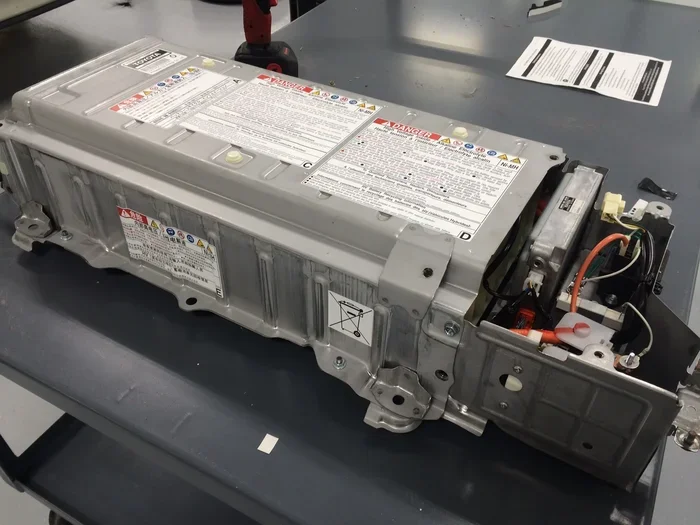
While the hybrid battery and electric motor are separate from the engine oil, they all work together as a system. A poorly maintained gas engine puts extra strain on the hybrid system. The electric motor may need to compensate more, which can affect overall performance and longevity.
If you are curious about how the hybrid battery affects your ability to drive, check out this guide on driving a Prius without the hybrid battery for more details.
How to Know When Your Prius Needs an Oil Change
Modern Prius models have built-in systems that help you know when it is time for an oil change. You do not always have to guess or count miles on the odometer.
The Oil Life Monitor System
Most Toyota Prius models come with an oil life monitor. This is a smart system that tracks your driving habits and engine conditions. It uses factors like engine temperature, driving time, and mileage to calculate when the oil needs to be replaced. When the system detects that the oil is degrading, it will display a maintenance reminder on your dashboard.
The oil life monitor is a helpful tool, but it is not perfect. It is still a good idea to check your oil level manually every few weeks. You can do this by pulling out the dipstick and looking at the color and consistency of the oil. If it looks dark brown or black and feels gritty, it is time for a change regardless of what the monitor says.
Visual and Smell Clues
Fresh oil is typically amber or light brown in color. As it ages, it darkens. Here are some signs your Prius might need an oil change soon:
- Dark brown or black oil on the dipstick
- A burnt or gritty smell coming from the engine area
- Reduced fuel economy
- Unusual engine noise or knocking
- The maintenance reminder light is on
Do not ignore these warning signs. Catching oil problems early can save you from expensive engine repairs down the road.
Does Your Car Tell You When You Need an Oil Change
Many modern cars including the Prius have systems that alert you when maintenance is needed. If you want to understand how these systems work across different vehicles, check out this article on how your car signals when it needs an oil change. The principles are similar for hybrid and non-hybrid vehicles alike.
What Type of Oil Should You Use in Your Prius
Choosing the right oil for your Prius is just as important as knowing when to change it. The wrong oil can reduce engine performance and even void your warranty.
Synthetic vs Conventional Oil
Most Toyota Prius models work best with synthetic oil. Synthetic oil is engineered to last longer and protect engines better than conventional oil. It handles temperature extremes more effectively and breaks down more slowly. For Prius owners, synthetic oil means you can stretch your oil change intervals further without sacrificing engine protection.
Conventional oil is cheaper upfront but needs to be changed more often. Over time, the cost difference between synthetic and conventional oil is minimal when you factor in fewer oil changes and better engine protection.
Recommended Oil Viscosity
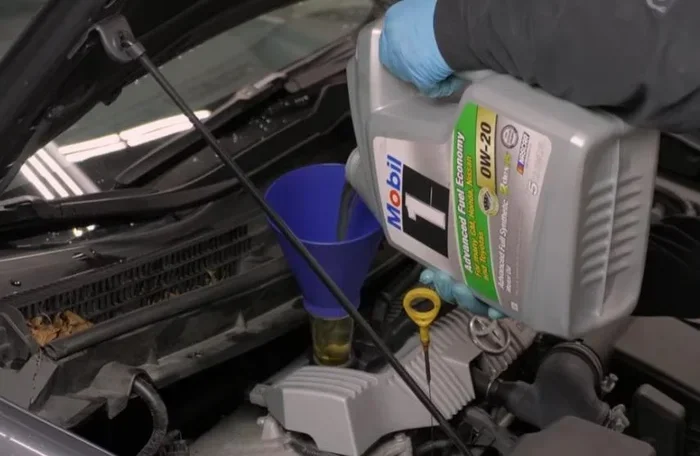
Toyota typically recommends 0W-20 or 5W-30 viscosity oil for Prius models. Always check your owner’s manual to confirm the right viscosity for your specific model year. Using the wrong viscosity can affect engine performance and fuel economy.
Here is a quick reference for common Prius oil types:
- 0W-20: Recommended for most newer Prius models. Excellent for cold starts and fuel efficiency.
- 5W-30: Used in some older Prius models or in warmer climates.
- 0W-16: Some newer Toyota models use this ultra-thin oil for maximum fuel economy.
Oil Capacity and Filter Replacement
The Prius oil system holds a specific amount of oil. Most models take between 3.5 and 4.5 quarts including the filter. Always replace the oil filter every time you change the oil. A clean filter keeps contaminants out of your engine and extends the life of your fresh oil.
If you want to learn more about oil capacities for different vehicles, check out this guide on how many quarts a GR86 takes for a comparison with another popular Toyota model.
Can You Change Your Prius Oil Yourself
Yes, you can change the oil in your Prius at home. It is one of the more straightforward maintenance tasks for Toyota owners. With the right tools and a little patience, you can save money and learn more about your vehicle at the same time.
What You Will Need
- Toyota-recommended synthetic oil (check your owner’s manual for the correct amount)
- A new oil filter compatible with your Prius model
- An oil drain pan
- A wrench set (usually a 14mm or 17mm for the drain plug)
- A funnel
- Jack and jack stands or a ramp
Step-by-Step Process
- Warm up the engine for a few minutes. This helps the oil flow more easily.
- Lift the car using a jack and secure it with jack stands, or drive onto a ramp.
- Locate the oil drain plug underneath the engine. Place your drain pan beneath it.
- Remove the drain plug and let the old oil drain completely.
- Remove the old oil filter and replace it with a new one. Apply a thin layer of fresh oil to the rubber gasket on the new filter.
- Reinstall the drain plug and tighten it securely.
- Pour in the new oil through the oil fill cap on top of the engine.
- Check the oil level with the dipstick and add more if needed.
- Start the engine and let it run for a minute. Check for leaks underneath.
- Reset the oil life monitor if your Prius has one.
Resetting the oil life monitor is an important step many people forget. If you are not sure how to do it, check out this guide on resetting after an oil change for detailed instructions.
When to Stick With a Professional
While DIY oil changes are great, there are times when it makes sense to visit a professional. If you do not have a garage or the right tools, a quick lube shop or Toyota dealership can handle the job. Many Toyota dealerships also offer multi-point inspections during oil changes, which can catch other issues early.
Common Mistakes Prius Owners Make With Oil Changes
Even the best Prius owners make mistakes when it comes to oil maintenance. Here are some common errors to avoid.
- Ignoring Time-Based Intervals: If you do not drive many miles, the oil still degrades over time. Most manufacturers recommend changing oil at least once a year, even if you have not hit the mileage interval.
- Using the Wrong Oil: Not all oils are created equal. Using conventional oil in a car that requires synthetic can lead to premature breakdown and engine wear.
- Forgetting the Oil Filter: Always replace the oil filter with every oil change. Reusing an old filter defeats the purpose of fresh oil.
- Overfilling or Underfilling: Too much oil can cause foaming and reduced lubrication. Too little oil can lead to engine damage. Always check the level after pouring.
- Relying Only on the Monitor: The oil life monitor is helpful but not infallible. Use it as a guide, not a replacement for regular checks.
Another mistake is assuming that because the Prius is a hybrid, it needs special oil. Regular synthetic oil is perfectly fine for most Prius models. You do not need a special hybrid-specific oil product. Just use the grade and type recommended by Toyota.
How Far Can You Push Your Prius Between Oil Changes
The honest answer to how many miles can a Prius go without an oil change is that it varies. In ideal conditions with synthetic oil and moderate driving, you might stretch to 10,000 or even 12,000 miles. But this is pushing it. Most experts and Toyota themselves recommend staying closer to the 7,500 to 10,000-mile range for most Prius models.
If you are planning a long road trip, it is a good idea to have the oil checked or changed before you go. Long highway drives are actually easier on the engine than short trips, but old oil on a long journey can still cause problems. If you are curious about how far you can drive an overheating car, check out this article on driving distances with car problems for related guidance.
Also keep in mind that if you plan to sell your Prius, a well-documented maintenance history including regular oil changes can significantly boost your resale value. Buyers and dealerships look for proof that the vehicle has been properly maintained. Skipping oil changes can hurt both the engine and the sale price.
If you are thinking about selling, you might also wonder about other aspects of your Prius. For instance, can you sell a Prius with a dead battery is another common question among owners considering a sale.
Expert Tips for Maximizing Your Prius Engine Life
Want to get the most out of your Prius engine? Here are some expert-backed tips that go beyond just oil changes.
1. Follow the Maintenance Schedule
Toyota provides a detailed maintenance schedule in the owner’s manual. Follow it closely. The schedule covers not just oil changes but also tire rotations, brake inspections, and transmission fluid checks. Staying on top of all maintenance items keeps your Prius running at its best.
2. Monitor Your Driving Habits
How you drive affects how often you need an oil change. Aggressive driving, frequent short trips, and stop-and-go traffic all cause more engine stress. If your driving style falls into these categories, consider shortening your oil change intervals.
3. Keep Records
Every time you change your oil, write down the date, mileage, and type of oil used. This creates a maintenance history that is invaluable for troubleshooting issues and proving care when selling the vehicle.
4. Use Genuine Toyota Parts
When it comes to oil filters and other components, genuine Toyota parts are designed specifically for your model. They may cost a bit more than aftermarket alternatives, but they offer the best fit and reliability.
5. Do Not Ignore the Check Engine Light
If the check engine light comes on, do not ignore it. It could be something minor, or it could be a sign that your engine is struggling. Getting it checked early can prevent bigger problems and save you money in the long run.
Conclusion
So, how many miles can a Prius go without an oil change. The answer is typically between 5,000 and 10,000 miles depending on your model year, the type of oil you use, and your driving conditions. Most modern Prius models can comfortably go about 10,000 miles between oil changes when using synthetic oil and following the recommended maintenance schedule.
The key takeaway is that every Prius is different. Your owner’s manual is your best resource for finding the exact interval and oil type for your specific vehicle. Do not rely solely on the oil life monitor. Check your oil regularly, watch for warning signs, and change your oil on time. A well-maintained Prius engine can last well over 200,000 miles with proper care.
Whether you change your own oil or visit a service center, staying consistent with your maintenance routine is the best thing you can do for your hybrid vehicle. The Prius is built to last, and a little regular care goes a long way toward keeping it on the road for many years to come.
And remember, proper maintenance is not just about oil. From understanding whether your Prius can run on gas only to knowing how to handle hybrid battery issues, every aspect of your Prius deserves attention. Stay informed, stay proactive, and your Prius will reward you with years of reliable, efficient driving.
Frequently Asked Questions
Can I go 15,000 miles without an oil change in my Prius?
It is not recommended to go 15,000 miles without an oil change in a Prius. While some modern synthetic oils can last longer, most experts and Toyota recommend changing the oil every 10,000 miles at most. Going beyond that can lead to engine wear and reduced performance.
What happens if I never change the oil in my Prius?
If you never change the oil, it will break down and become contaminated. Old oil loses its lubricating properties, which causes increased friction and heat inside the engine. Over time, this leads to accelerated engine wear, reduced fuel efficiency, and potentially costly repairs.
Does the Prius hybrid system affect the oil change interval?
Yes, the hybrid system does affect the oil change interval. Because the electric motor handles much of the low-speed driving, the gas engine runs less frequently. This means the oil experiences less stress and can last longer than in a traditional gasoline-only car. However, time-based degradation still occurs, so regular changes are important.
Can I use conventional oil instead of synthetic in my Prius?
You can use conventional oil, but synthetic oil is strongly recommended for most Prius models. Synthetic oil lasts longer, provides better protection, and allows for extended oil change intervals. Check your owner’s manual to confirm what Toyota recommends for your specific model year.
How do I reset the oil change reminder on my Prius?
The reset process varies by model year. In most Prius models, you can reset the oil life monitor by navigating to the maintenance menu on the dashboard display. If you are unsure, check your owner’s manual or search online for a model-specific guide. You can also visit this resource on resetting after an oil change for more detailed steps.
Is the oil change cost for a Prius higher than a regular car?
No, the oil change cost for a Prius is generally lower than for a regular car. Prius models use less oil and the engines are simpler in some ways. Plus, because you can go longer between changes, you save on both parts and labor over time. DIY oil changes can bring the cost down even further.