How Many Catalytic Converters Are in a Toyota Corolla
A Toyota Corolla typically has one or two catalytic converters, depending on the model year and engine type. Understanding your Corolla’s exhaust setup helps with maintenance, emissions testing, and avoiding costly repairs. This guide breaks down everything you need to know about catalytic converter count, location, and care.
When you think about keeping your Toyota Corolla running smoothly, the catalytic converter might not be the first thing that comes to mind. But this small, unassuming part plays a huge role in your car’s performance, fuel efficiency, and environmental impact. If you have ever wondered exactly how many catalytic converters are in a Toyota Corolla, you are not alone. This is a question that comes up a lot among Corolla owners, especially those dealing with check engine lights or planning for emissions testing.
The answer depends on several factors, including the model year, engine type, and trim level of your Corolla. Most standard Toyota Corollas come with one catalytic converter. However, certain newer models, dual-exhaust setups, and higher-performance trims may include two. Understanding the specifics of your vehicle helps you maintain it properly and avoid unexpected repair bills.
In this guide, we will walk through everything you need to know. We will cover how catalytic converters work, the exact count for different Corolla generations, warning signs of a failing converter, replacement costs, and tips to protect your investment. Whether you drive a 1998 Corolla or a 2024 model, this article has you covered.
Key Takeaways
- Most Toyota Corollas have one catalytic converter: Standard setups use a single unit in the exhaust system.
- Some newer models and trims use two catalytic converters: Dual exhaust configurations may include an additional converter near the exhaust manifold.
- Generation matters: Older Corollas from the 1990s and 2000s often have a different converter setup than 2010s and newer models.
- Catalytic converter theft is rising: Knowing how many converters your Corolla has helps you assess theft risk and take preventive steps.
- Replacement costs vary widely: Expect to pay between $500 and $2,500 depending on the part and labor.
- Regular maintenance helps extend converter life: Keeping up with oil changes and using the right fuel reduces strain on the exhaust system.
📑 Table of Contents
- What Is a Catalytic Converter and Why Does It Matter
- How Many Catalytic Converters Are in a Toyota Corolla
- Toyota Corolla Generations and Their Catalytic Converter Setup
- Signs That Your Toyota Corolla Catalytic Converter Needs Attention
- Catalytic Converter Replacement Cost and Maintenance Tips
- Protecting Your Toyota Corolla Catalytic Converter From Theft
- Common Mistakes People Make With Catalytic Converters
- Expert Insights on Toyota Corolla Catalytic Converters
- Conclusion
What Is a Catalytic Converter and Why Does It Matter
A catalytic converter is part of your car’s exhaust system. Its job is to reduce harmful emissions before they exit the tailpipe. Inside the converter, chemical reactions break down toxic gases like carbon monoxide, nitrogen oxides, and hydrocarbons into less harmful substances like carbon dioxide and water vapor.
Without a working catalytic converter, your Toyota Corolla would release significantly more pollution into the air. It would also likely fail any emissions test required for vehicle registration in most states. Beyond environmental benefits, a healthy converter supports better fuel efficiency and smoother engine performance.
Think of the catalytic converter as a filter for your car’s exhaust fumes. Just like you change your oil filter regularly, the converter works hard over thousands of miles. Eventually, it can wear out or become damaged. That is why knowing how many converters your Corolla has matters so much.
How Many Catalytic Converters Are in a Toyota Corolla
The standard answer is one catalytic converter for most Toyota Corolla models. However, the full picture is a bit more nuanced. Let us break it down by generation and configuration so you know exactly what to expect for your specific vehicle.
Single Catalytic Converter Setup
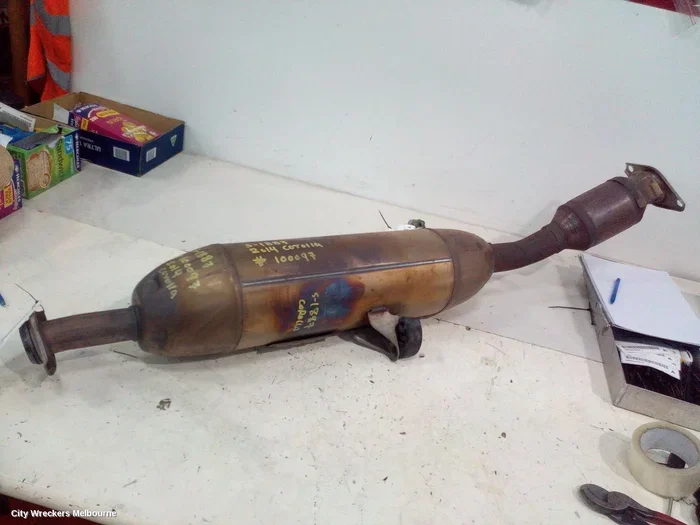
The vast majority of Toyota Corollas use a single catalytic converter. This includes most models from the 1990s through the mid-2010s. The converter sits between the exhaust manifold and the muffler, connected by exhaust pipes. In a single converter setup, the exhaust gases flow through one unit where the chemical cleaning process takes place.
If you drive a base-model Corolla with a four-cylinder engine, there is a very strong chance you have just one converter. This is the most common configuration across all Corolla generations. The single converter design is simple, cost-effective, and reliable for daily driving.
Dual Catalytic Converter Setup
Some Toyota Corolla models, particularly those with dual exhaust systems, come equipped with two catalytic converters. This setup is more common in newer generations and certain trims that feature a dual exhaust layout. The second converter is usually located closer to the engine, near the exhaust manifold.
Dual converter setups are designed to handle higher exhaust flow rates. They are also found in some Corolla models that were built with a focus on performance or stricter emissions standards. If your Corolla has a dual exhaust system with two tailpipes, there is a good chance it has two catalytic converters.
When you are unsure about your specific setup, you can look underneath the vehicle. You will typically see one or two oval or cylindrical-shaped components in the exhaust line. A trusted mechanic can also confirm the exact configuration for your model year.
Toyota Corolla Generations and Their Catalytic Converter Setup
The number of catalytic converters in your Corolla can vary depending on the generation. Toyota made significant changes to the Corolla’s exhaust system over the decades. Here is a general breakdown by era.
1990s Corollas
Most Corollas from the 1990s have a single catalytic converter. This was the standard configuration across the E100, E110, and E120 generations. These models were built with simpler exhaust systems that prioritized reliability over complexity.
One thing to keep in mind is that older Corollas from this era may have converters that are more susceptible to rust and corrosion. If you own a classic Corolla from the 90s, regular inspections of the exhaust system are essential.
2000s Corollas
The 2000s Corolla generation continued the single converter trend. Models like the E120 and E130 generally used one converter. Toyota refined the design during this period, making converters more durable and efficient.
Some owners of 2000s Corollas have reported issues related to the 2009 Toyota Corolla specifically, including exhaust and emissions-related concerns. If you own a model from this era, staying on top of routine maintenance can help prevent converter problems.
2010s and Newer Corollas
Starting around 2014, Toyota introduced more advanced exhaust systems in the Corolla. Some newer models, especially those with dual exhaust configurations, may include two catalytic converters. The 2014 Corolla and later generations also incorporated more sophisticated emissions technology.
Toyota also began using different converter materials and designs to meet stricter federal and state emissions standards. If you drive a recent Corolla model, checking your owner’s manual is the best way to confirm the exact converter setup.
Signs That Your Toyota Corolla Catalytic Converter Needs Attention
A failing catalytic converter can cause a range of problems. Catching the warning signs early can save you from more expensive repairs down the road. Here are the most common symptoms to watch for.
Check Engine Light
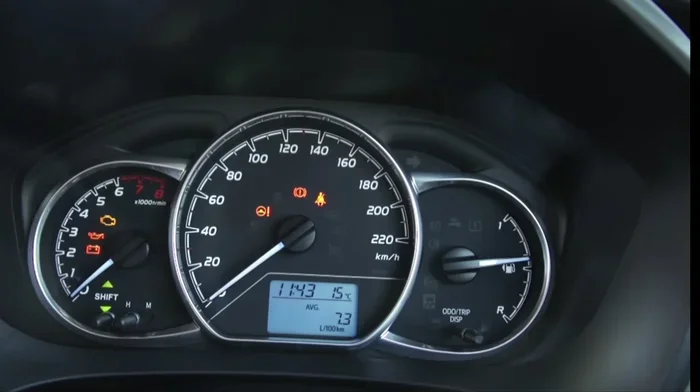
The check engine light is often the first indicator that something is wrong with your catalytic converter. Modern Toyota Corollas use oxygen sensors that monitor converter efficiency. When the system detects a problem, it triggers the light. If your check engine light is on, it is worth getting a diagnostic scan done as soon as possible.
Reduced Fuel Efficiency
A clogged or failing converter can restrict exhaust flow. This forces your engine to work harder, which burns more fuel. If you notice you are visiting the pump more often than usual, a faulty converter could be to blame. You might also want to check how many gallons to fill up a car to compare your current fuel usage with normal levels.
Rotten Egg Smell
A healthy catalytic converter converts hydrogen sulfide into odorless sulfur dioxide. When the converter fails, that conversion does not happen properly. You may notice a strong rotten egg smell coming from under your car or from the exhaust area.
Rattling Noise
A damaged or deteriorating converter can produce a rattling sound, especially when starting the car or idling. This noise comes from broken ceramic pieces inside the converter. If you hear this sound, do not ignore it. Continued driving with a damaged converter can lead to more serious exhaust system issues.
Failed Emissions Test
If your Toyota Corolla fails an emissions test, a bad catalytic converter is a common culprit. The converter is responsible for cleaning exhaust gases, and a failing unit will release higher levels of pollutants. This is one of the most direct signs that your converter needs inspection or replacement.
Catalytic Converter Replacement Cost and Maintenance Tips
Replacing a catalytic converter can be one of the more expensive repairs on a Toyota Corolla. Understanding the costs and how to maintain your converter can help you plan ahead and potentially avoid a replacement altogether.
Average Replacement Costs
The cost to replace a Toyota Corolla catalytic converter typically ranges from $500 to $2,500. The wide range depends on several factors:
- OEM vs aftermarket parts: Original Equipment Manufacturer converters cost more but are designed specifically for your vehicle. Aftermarket options are cheaper but may not last as long.
- Labor costs: Depending on where you live, labor rates vary. Some converters are easy to access, while others require more拆卸 work.
- Number of converters: If your Corolla has two converters, the cost doubles since you need to replace both units.
- Model year: Newer Corollas may use more advanced converter designs that cost more to replace.
It is always a good idea to get multiple quotes from reputable mechanics before committing to a replacement. Ask whether they recommend an OEM or aftermarket part for your specific Corolla model.
Maintenance Tips to Extend Converter Life
A catalytic converter can last the lifetime of your vehicle with proper care. Here are some practical tips to keep it healthy:
- Use the recommended fuel: Always use the octane rating specified in your Corolla’s owner manual. Using the wrong fuel can cause engine misfires that damage the converter over time.
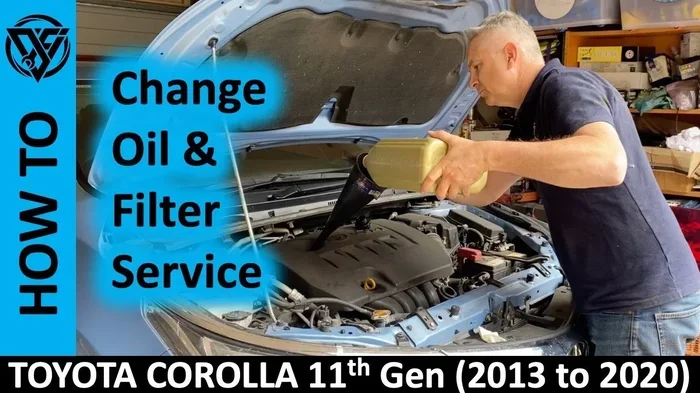
- Keep up with oil changes: Dirty engine oil can contain contaminants that eventually reach the exhaust system and clog the converter.
- Fix engine problems promptly: Misfires, rich fuel mixtures, and other engine issues put extra strain on the catalytic converter. Addressing these quickly prevents secondary damage.
- Avoid short trips when possible: The converter needs to reach a certain operating temperature to function properly. Frequent short trips that never allow it to warm up can cause buildup inside the unit.
- Inspect the exhaust system regularly: Have a mechanic check your exhaust system during routine oil changes or tire rotations. Catching small issues early prevents bigger problems later.
Can You Drive Without a Catalytic Converter
Technically, yes. You can drive a Toyota Corolla without a catalytic converter, but it is not recommended. Without the converter, your car will release unfiltered exhaust gases, which is harmful to the environment. It will also likely cause your vehicle to fail emissions testing, which is required in most states for registration and inspection.
Some owners remove the converter for performance gains, but this is illegal in many areas and can result in fines. If you are considering this option, it is worth checking local regulations first. You can also learn more about driving a Toyota without a functioning converter by checking our guide on whether you can drive a Toyota Tacoma without a catalytic converter.
Protecting Your Toyota Corolla Catalytic Converter From Theft
Catalytic converter theft has become a serious problem across the United States. Thieves target these parts because they contain precious metals like platinum, palladium, and rhodium. The scrap value of a stolen converter can range from $50 to $300 or more on the black market.
Toyota Corollas are not the most commonly targeted vehicles, but theft can still happen. Here are some steps to protect your converter:
- Park in well-lit areas: Thieves prefer to work in dark, secluded spots. Parking in a garage or well-lit driveway reduces your risk.
- Install an anti-theft device: Converter protection plates and cages are available for purchase. These make it much harder for thieves to quickly remove your converter.
- Engrave your VIN on the converter: Some owners have their vehicle identification number etched onto the converter. This makes it easier for law enforcement to recover stolen parts.
- Use a car alarm with vibration sensors: An alarm that triggers when someone is working under your car can scare off potential thieves.
If your converter is stolen, you will likely notice a loud rattling noise from the exhaust and a significant drop in performance. Report the theft to local law enforcement and contact your insurance provider right away. Knowing the fair market value of your car can also help you understand the full financial impact of such a theft.
Common Mistakes People Make With Catalytic Converters
Avoiding these common mistakes can help you get more life out of your Toyota Corolla’s catalytic converter:
- Ignoring the check engine light: Many people ignore this warning, but it can signal a converter problem that gets worse over time.
- Using cheap fuel: Low-quality fuel can cause engine deposits that eventually clog the converter.
- Delaying engine repairs: A small misfire today can lead to a converter replacement tomorrow if left unaddressed.
- Skipping emissions testing: Regular testing helps catch converter issues early before they become expensive problems.
- Assuming all converters are the same: Not every converter fits every Corolla model. Always use the correct part for your specific year and trim.
Expert Insights on Toyota Corolla Catalytic Converters
Automotive experts agree that preventive maintenance is the best way to protect your Toyota Corolla’s catalytic converter. Regular oil changes, quality fuel, and prompt attention to engine warning lights go a long way. Experts also recommend familiarizing yourself with your specific model’s exhaust configuration so you know exactly what to watch for during inspections.
If you are ever unsure about the number of converters in your Corolla, a simple undercarriage inspection by a trusted mechanic can clear things up. They can also check the oxygen sensors and exhaust pipes to make sure everything is in good working order. Taking a proactive approach saves money and keeps your Corolla running cleanly for years to come.
For those interested in broader Toyota maintenance topics, understanding how your vehicle’s systems work together is key. The catalytic converter is just one part of a complex exhaust and emissions system that keeps your Corolla compliant and efficient on the road.
Conclusion
So, how many catalytic converters are in a Toyota Corolla? The answer is most often one, but some models and configurations use two. The exact count depends on your Corolla’s generation, engine type, and exhaust setup. Whether you have a single or dual converter, understanding your vehicle’s exhaust system helps you maintain it properly and catch problems early.
Regular maintenance, quality fuel, and prompt attention to warning signs can extend the life of your catalytic converter significantly. And if theft is a concern in your area, taking preventive measures adds an extra layer of protection for your investment. Your Toyota Corolla is a reliable daily driver, and keeping its catalytic converter in good shape is one of the best things you can do for long-term performance.
Take a few minutes to learn about your specific Corolla model. Check the owner’s manual, talk to a trusted mechanic, and stay proactive about exhaust system health. A well-maintained catalytic converter means a cleaner ride, better fuel economy, and peace of mind every time you hit the road.
Frequently Asked Questions
Can a Toyota Corolla run with only one catalytic converter?
Yes, most Toyota Corolla models are designed with a single catalytic converter. This is the standard setup across the majority of Corolla generations. A single converter is sufficient for the exhaust flow of a typical four-cylinder Corolla engine.
How do I know if my Toyota Corolla has one or two catalytic converters?
You can check by looking underneath your vehicle at the exhaust system. A single converter setup has one oval-shaped component in the exhaust line between the manifold and the muffler. Dual converter setups have two. Your owner’s manual or a quick look from a mechanic can confirm the exact count for your model.
What happens if I drive my Toyota Corolla with a bad catalytic converter?
Driving with a bad converter can cause reduced fuel efficiency, a rotten egg smell, and a rattling noise. Your vehicle may also fail emissions testing. In severe cases, a completely clogged converter can cause engine stalling or starting problems.
Is catalytic converter theft common on Toyota Corollas?
While Corollas are not the most targeted vehicles, catalytic converter theft has increased across all car types in recent years. Older models with higher ground clearance and easily accessible converters are at slightly higher risk. Taking preventive steps like parking in well-lit areas can help reduce the risk.
How long does a Toyota Corolla catalytic converter last?
A well-maintained catalytic converter can last 100,000 miles or more. However, factors like fuel quality, engine health, and driving habits can affect its lifespan. Regular maintenance and prompt attention to engine issues help maximize converter longevity.
Can I replace my Toyota Corolla catalytic converter with an aftermarket part?
Yes, aftermarket catalytic converters are available and typically cost less than OEM parts. However, aftermarket converters may not meet the same durability or emissions standards. Always check local regulations and consult a trusted mechanic before choosing a replacement part.