Does the Toyota 4Runner Qualify for Section 179 Deduction
The Toyota 4Runner may qualify for a Section 179 deduction if it meets IRS vehicle weight and business-use requirements. This popular SUV offers strong tax benefits for small business owners, but the rules are specific. Understanding the eligibility criteria, depreciation limits, and IRS guidelines can help you maximize your tax savings and avoid costly mistakes.
Buying a Toyota 4Runner for your business feels great. You get a tough, reliable SUV that handles everything from daily commutes to off-road adventures. But the real question is whether this purchase can save you money on taxes. The answer lies in something called the Section 179 deduction.
Section 179 is a powerful tax tool that lets small business owners deduct the full cost of qualifying equipment and vehicles in the year they are placed in service. This means you might not have to wait years for depreciation benefits. Instead, you could write off a significant chunk of your 4Runner purchase right away. But not every vehicle qualifies, and the rules have specific requirements you need to know.
In this guide, we will walk through everything you need to know about whether the Toyota 4Runner qualifies for a Section 179 deduction. We will cover IRS rules, weight limits, business-use requirements, and practical tips to help you make the most of your tax situation. Let us get into it.
Key Takeaways
- The Toyota 4Runner can qualify for Section 179 if it meets IRS vehicle classification and weight requirements.
- Business use is mandatory — the vehicle must be used more than 50% for business purposes.
- The Section 179 deduction limit for 2024 is $1,220,000, but vehicle-specific caps apply to SUVs and trucks.
- Vehicle weight matters — the 4Runner’s gross vehicle weight rating (GVWR) determines whether it qualifies as a light truck or SUV.
- Misclassifying your vehicle or failing to document business use can trigger IRS audits and disallowed deductions.
- Consulting a tax professional ensures you claim the correct deduction and stay compliant with current tax laws.
- Combining Section 179 with bonus depreciation can maximize your tax savings on a Toyota 4Runner purchase.
📑 Table of Contents
- What Is Section 179 and How Does It Work?
- Does the Toyota 4Runner Qualify for Section 179?
- Vehicle Weight and IRS Requirements
- Business Use Requirements for Section 179
- How Much Can You Deduct for a Toyota 4Runner?
- Common Mistakes to Avoid with Section 179 Deductions
- Toyota 4Runner vs. Other Toyota Vehicles for Section 179
- Final Thoughts on the Toyota 4Runner and Section 179
What Is Section 179 and How Does It Work?
Section 179 is a section of the U.S. Internal Revenue Code that allows businesses to deduct the full purchase price of qualifying assets in the year they are bought. Instead of spreading the deduction over several years through depreciation, you take it all at once. This can be a huge benefit for small business owners looking to reduce their taxable income quickly.
The IRS sets a maximum deduction limit each year. For 2024, the Section 179 deduction limit is $1,220,000. However, there is also a spending cap. If your total qualifying purchases exceed $3,050,000, the deduction begins to phase out dollar for dollar. This means you need to keep your total equipment and vehicle spending below that threshold to get the full benefit.
How Section 179 Differs from Regular Depreciation
Regular depreciation spreads the cost of an asset over its useful life. For most passenger vehicles, this means deducting a portion over five years. Section 179 skips that waiting period. You get the deduction immediately, which improves your cash flow and reduces your tax bill for the current year.
Think of it this way. Regular depreciation is like paying off a loan slowly. Section 179 is like paying it all at once and getting the relief right away. For business owners who need tax relief fast, this can make a real difference.
Does the Toyota 4Runner Qualify for Section 179?
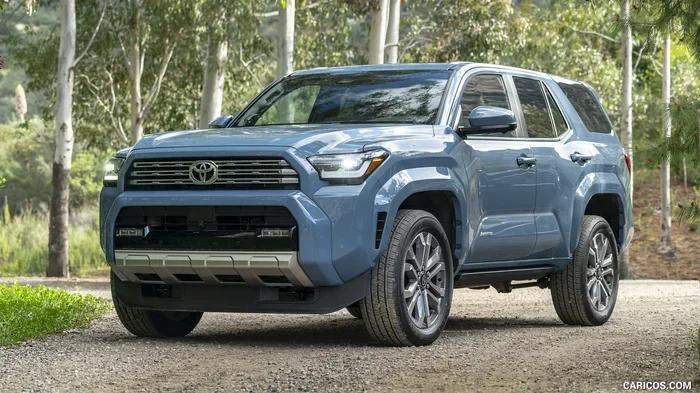
The short answer is yes, but with conditions. The Toyota 4Runner is classified as a SUV by the IRS, and SUVs can qualify for Section 179 deductions. However, the IRS places strict limits on how much you can deduct for passenger vehicles, including SUVs. The key factors are the vehicle’s gross vehicle weight rating (GVWR), its business use, and the specific IRS caps that apply.
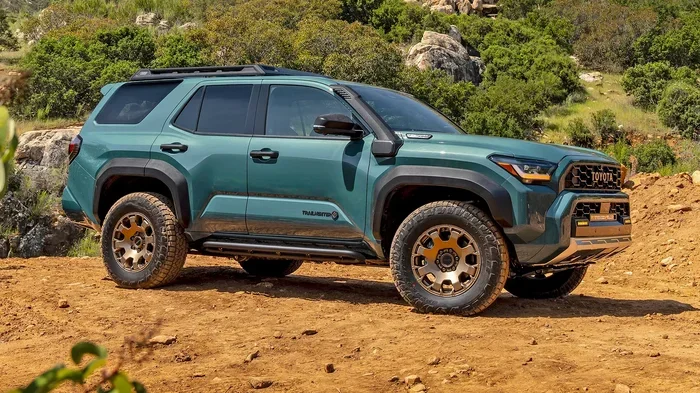
The 4Runner is a popular choice among business owners. It is rugged, dependable, and practical for work-related tasks. But the IRS does not care how tough your truck looks. It cares about the numbers. Specifically, the GVWR and the percentage of business use.
IRS Vehicle Classification for the 4Runner
The IRS classifies vehicles into different categories for tax purposes. Passenger cars, SUVs, trucks, and vans each have different rules. The Toyota 4Runner typically falls into the SUV category. The IRS defines an SUV as a vehicle with a GVWR between 6,000 and 14,000 pounds.
The 4Runner’s GVWR varies by model year and trim, but most versions fall within this range. This is important because vehicles in this weight class are subject to specific SUV caps under Section 179. These caps limit how much you can deduct in the first year. For the 2024 tax year, the SUV Section 179 deduction limit is $31,600 for passenger automobiles, including SUVs that fall within the IRS weight thresholds.
If the 4Runner’s GVWR exceeds 6,000 pounds, you may qualify for a higher deduction under certain IRS rules. This is where things get interesting for business owners who use heavier-duty 4Runner configurations.
Vehicle Weight and IRS Requirements
The gross vehicle weight rating is the single most important number when determining Section 179 eligibility. The IRS uses GVWR to decide whether a vehicle qualifies as a passenger car or a light truck. The distinction matters a lot for your deduction.
Passenger cars have strict deduction caps. SUVs and light trucks with a GVWR over 6,000 pounds may qualify for higher limits. The Toyota 4Runner’s GVWR typically ranges from around 5,500 to 6,000 pounds depending on the trim and model year. You need to check the exact GVWR on the vehicle’s door jamb sticker or owner’s manual.
Why GVWR Matters for Your Deduction
If the 4Runner’s GVWR is under 6,000 pounds, it is classified as a passenger car by the IRS. This means the Section 179 deduction is capped at $31,600 for the 2024 tax year. If the GVWR is over 6,000 pounds, it may qualify as a light truck, which opens up different deduction possibilities.
Here is a quick comparison to help you understand the difference:
- Passenger Car (GVWR under 6,000 lbs): Section 179 deduction limited to $31,600 in 2024.
- Light Truck (GVWR over 6,000 lbs): May qualify for higher deduction limits depending on the specific IRS rules and vehicle classification.
Always verify the exact GVWR before claiming your deduction. The number on the sticker matters more than what the salesperson tells you. If you are unsure, consult your vehicle documentation or a tax advisor.
Business Use Requirements for Section 179
Owning a Toyota 4Runner is not enough. You must actually use it for business purposes to claim the Section 179 deduction. The IRS requires that the vehicle be used more than 50% of the time for legitimate business activities. This is a hard rule with no exceptions.
What counts as business use? Here are some common examples:
- Traveling to job sites or client meetings
- Transporting tools, equipment, or supplies for work
- Making deliveries or running business errands
- Visiting multiple work locations in a single day
- Contractor or service work that requires a vehicle
Commuting from home to your regular workplace does not count as business use. The IRS views that as personal travel. However, traveling from your home office to a client site or job location does qualify. Keep this distinction in mind when tracking your mileage and usage.
How to Document Business Use
The IRS loves documentation. If you claim a Section 179 deduction on your 4Runner, you need to prove how much you used it for business. A mileage log is your best friend. Record the date, destination, purpose, and miles for every business trip.
You can use a simple spreadsheet or a mileage tracking app. The key is consistency. If you get audited, your records need to back up your claim. Without proper documentation, the IRS may disallow your deduction entirely.
How Much Can You Deduct for a Toyota 4Runner?
The amount you can deduct depends on several factors. The Section 179 deduction limit for SUVs and passenger vehicles is capped at $31,600 for the 2024 tax year. This is separate from the overall Section 179 limit of $1,220,000. The vehicle-specific cap applies regardless of how much you spend on other qualifying assets.
However, if the 4Runner qualifies as a light truck due to its GVWR, different rules may apply. Light trucks and vans that are not classified as passenger automobiles may have different deduction limits. This is why checking the GVWR is so important.
Combining Section 179 with Bonus Depreciation
You can also combine Section 179 with bonus depreciation to maximize your savings. Bonus depreciation allows you to deduct a percentage of the vehicle’s cost in the first year. For 2024, the bonus depreciation rate is 60% for qualifying vehicles placed in service during the year.
Here is how it works in practice. Let us say you buy a Toyota 4Runner for $45,000 and it qualifies for Section 179. You could deduct the full $31,600 SUV cap under Section 179. Then, you could apply bonus depreciation to the remaining balance. This strategy can significantly reduce your taxable income in the first year.
However, you should always consult a tax professional before combining deductions. The rules are complex, and making a mistake can lead to penalties or disallowed deductions.
Common Mistakes to Avoid with Section 179 Deductions
Many business owners make avoidable mistakes when claiming Section 179 deductions for vehicles like the Toyota 4Runner. These mistakes can cost you money or trigger an IRS audit. Here are the most common pitfalls to watch out for.
Assuming Every SUV Qualifies
Not every SUV qualifies for the full Section 179 deduction. The IRS places strict limits on passenger vehicles. If the 4Runner’s GVWR falls below 6,000 pounds, you are limited to the SUV cap. Do not assume your deduction will be the full purchase price. Always check the vehicle classification first.
Failing to Track Business Use
As mentioned earlier, the IRS requires more than 50% business use. Many owners forget to track their mileage properly. Without a log, you have no proof of business use. This is one of the fastest ways to get your deduction denied.
Ignoring the Spending Cap
The Section 179 deduction phases out if your total qualifying purchases exceed $3,050,000 in a tax year. If you are buying multiple pieces of equipment or vehicles, keep track of your total spending. Going over the cap reduces your deduction dollar for dollar.
Forgetting About State Tax Implications
Section 179 is a federal tax deduction. Your state may have different rules. Some states do not conform to federal Section 179 rules at all. Check your state tax laws before filing to avoid surprises.
Not Consulting a Tax Professional
Tax laws change every year. The rules for Section 179, bonus depreciation, and vehicle classification are complex. A qualified tax professional can help you navigate these rules and ensure you claim every deduction you deserve. This is not an area where you want to guess.
Toyota 4Runner vs. Other Toyota Vehicles for Section 179
The Toyota 4Runner is not the only Toyota vehicle business owners consider. Other models like the Toyota Tacoma and Toyota Highlander also have their own tax implications. Understanding how these vehicles compare can help you make the best decision for your business.
The Toyota Tacoma, for example, is a pickup truck that many businesses use for towing and hauling. Are Toyota Tacomas Good for Towing? Absolutely. Their GVWR often exceeds the passenger car threshold, which can open up higher deduction limits under Section 179.
Similarly, the Toyota Highlander is a larger SUV that some business owners use for transporting teams or equipment. Are Toyota Highlanders Good for Towing? Yes, and their higher GVWR may also qualify them for better tax treatment compared to smaller passenger vehicles.
Each Toyota model has different GVWR, classification, and deduction limits. When choosing a vehicle for your business, consider not just the purchase price and features but also the tax implications. The right vehicle can save you thousands in taxes over the years.
Final Thoughts on the Toyota 4Runner and Section 179
The Toyota 4Runner is a fantastic vehicle for business owners. It is durable, capable, and practical. And yes, it can qualify for a Section 179 deduction under the right circumstances. The key is understanding the IRS rules around vehicle classification, gross vehicle weight, and business use.
Make sure you verify the 4Runner’s GVWR, track your business mileage diligently, and stay within the IRS deduction limits. If you are unsure about any part of the process, a tax professional can guide you through it. Taking the time to get this right can save you significant money and give you peace of mind during tax season.
Whether you are a contractor, freelancer, or small business owner, the Section 179 deduction is a valuable tool. Use it wisely, and your Toyota 4Runner purchase can work harder for your business than you ever imagined.
Frequently Asked Questions
Can I claim a Section 179 deduction on a Toyota 4Runner I use partially for personal travel?
Yes, but only the business portion qualifies. The IRS requires that the vehicle be used more than 50% for business purposes. You must document your business use and claim only the business-related percentage of the deduction.
What is the Section 179 deduction limit for the Toyota 4Runner in 2024?
If the 4Runner is classified as a passenger SUV, the Section 179 deduction is capped at $31,600 for the 2024 tax year. If it qualifies as a light truck based on GVWR, different limits may apply.
Does the Toyota 4Runner’s gross vehicle weight rating affect Section 179 eligibility?
Yes, absolutely. The GVWR determines whether the IRS classifies the 4Runner as a passenger car or a light truck. This classification directly impacts your deduction limits and eligibility.
Can I combine Section 179 with bonus depreciation on a Toyota 4Runner?
Yes, you can combine Section 179 with bonus depreciation to maximize your tax savings. However, you must follow IRS rules carefully, and the combined deductions cannot exceed the vehicle’s cost basis.
Do I need a special license or registration to claim Section 179 on a 4Runner?
No special license is required. You simply need to use the vehicle for legitimate business purposes and maintain proper documentation of that use throughout the tax year.
What happens if I use my 4Runner for both business and personal purposes?
You can still claim a Section 179 deduction, but only for the business-use percentage. The IRS requires accurate records of business versus personal miles. Failing to maintain these records can result in a disallowed deduction.
=== CONCLUSION ===
The Toyota 4Runner can absolutely qualify for a Section 179 deduction, but the details matter. From verifying the vehicle’s gross vehicle weight rating to documenting your business use, every step counts. The Section 179 deduction offers a powerful way to reduce your taxable income and keep more of your hard-earned money.
Remember to check the IRS limits, avoid common mistakes, and consult a tax professional when needed. With the right approach, your 4Runner purchase becomes more than just a smart investment in a reliable vehicle. It becomes a smart investment in your business’s financial future.