How Many Cars Does Maserati Actually Make Per Year
Maserati produces roughly 30,000 to 75,000 cars per year, depending on the model cycle and market demand. This Italian luxury brand operates at a much smaller scale than mass-market manufacturers. Despite low Maserati production numbers, the brand maintains a strong reputation for hand-built quality and exclusive design.
When you think about luxury car manufacturers, names like Ferrari, Lamborghini, and Porsche often come to mind first. But Maserati holds a special place in the automotive world. This Italian brand has been crafting elegant, high-performance cars for over a century. Yet one question keeps coming up: how many cars does Maserati actually make per year?
The answer might surprise you. Unlike Toyota or Honda, which pump out millions of vehicles annually, Maserati operates on a much smaller scale. The brand focuses on exclusivity, craftsmanship, and performance over sheer volume. In this article, we will dive deep into Maserati production numbers, explore why they keep output so low, and look at how their model lineup shapes annual totals.
Whether you are a car enthusiast dreaming of owning a Maserati or just curious about luxury production, this guide has everything you need. We will cover historical trends, current figures, and what the future might hold for this iconic Italian brand.
Key Takeaways
- Low Production Volume: Maserati makes far fewer cars than brands like BMW or Mercedes, typically between 30,000 and 75,000 units annually.
- Hand-Built Craftsmanship: Many Maserati models are assembled by hand, which limits how many cars can be produced each year.
- Stellantis Ownership: Maserati is part of the Stellantis group, which provides resources but still keeps production modest.
- Model Mix Matters: The Levante SUV and Grecale sedan make up the bulk of annual output, while niche models like the MC20 play a smaller role.
- Luxury Over Volume: Maserati prioritizes exclusivity and premium quality over high sales numbers.
- Global Reach: Maserati sells cars in key markets like North America, Europe, and China, but distribution remains limited.
- Future Growth Plans: Maserati is investing in electrification, which may slowly increase production capacity in the coming years.
📑 Table of Contents
The History of Maserati Production
Maserati was founded in 1914 in Bologna, Italy. From the very beginning, the company aimed to build exceptional cars. But the path from a small workshop to a global luxury brand was not straightforward. Understanding this history helps explain why Maserati production numbers remain low today.
Early Years and Limited Output
In the early decades, Maserati built only a handful of cars each year. The brand focused on racing and bespoke vehicles for wealthy customers. Each car was essentially a custom creation. This hands-on approach meant production was always limited by the skill and time of the craftsmen involved.
By the 1950s and 1960s, Maserati gained fame through racing success. Models like the Maserati 250F became legends on the track. But even during this golden era, annual production stayed well below what mass-market brands achieved. The company sold cars to a very select group of buyers who valued performance and prestige above all else.
Modern Era Production Growth
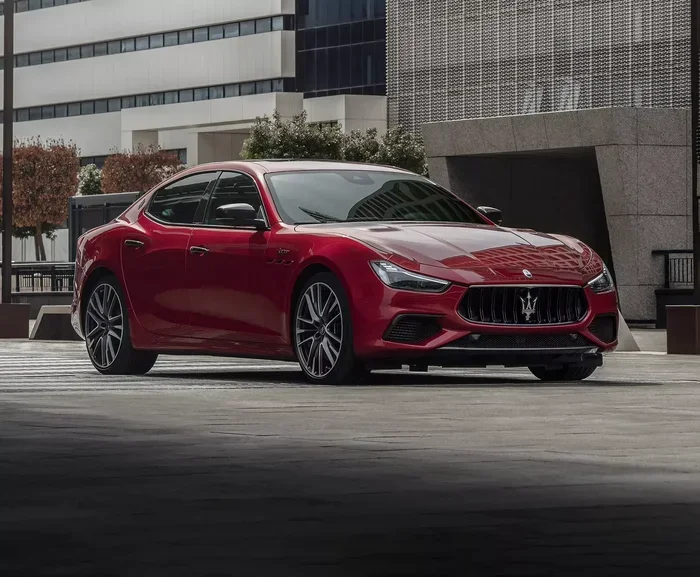
The modern era of Maserati began in the 1990s when Fiat acquired the brand. Under new ownership, Maserati expanded its lineup and aimed for broader appeal. The introduction of models like the Maserati Ghibli and Maserati Levante helped boost annual sales significantly.
Today, Maserati is part of the Stellantis group, which includes brands like Jeep, Peugeot, and Ram. This ownership gives Maserati access to advanced technology and shared platforms. However, the brand still maintains its commitment to low-volume, high-quality production. The result is a company that makes fewer cars than many of its competitors but charges a premium for each one.
How Many Cars Does Maserati Actually Make Per Year
The core question deserves a detailed answer. Maserati production numbers fluctuate based on several factors, including model cycles, market demand, and supply chain conditions. Let us break down the current figures and what drives them.
Recent Annual Production Numbers
In recent years, Maserati has produced between roughly 30,000 and 75,000 vehicles annually. The exact number varies from year to year. For example, during strong sales periods, production might push toward the higher end of that range. During slower years or supply shortages, numbers drop.
To put this in perspective, BMW produces over 2 million cars per year. Mercedes-Benz makes around 2.5 million. Even Porsche, which is also a luxury brand, produces roughly 300,000 to 400,000 vehicles annually. Maserati sits at the very bottom of the luxury production ladder. This low output is by design, not by accident.
The brand’s strategy is simple: make fewer cars, sell them at a higher price, and maintain an aura of exclusivity. This approach works well for a niche luxury market where buyers care more about prestige and craftsmanship than about availability.
Production by Model
Not all Maserati models contribute equally to annual production. The lineup is divided into sedans, SUVs, and sports cars. Each category has a different production volume.
The Maserati Grecale and Maserati Levante are the brand’s best-selling models. Together, they account for the majority of annual output. The Grecale is a compact luxury SUV that competes with the BMW X3 and Mercedes-Benz GLC. The Levante is a larger SUV that goes up against the Porsche Cayenne and Audi Q7. Both models are popular because they combine luxury with everyday practicality.
The Maserati Quattroporte is a full-size luxury sedan. It sells in smaller numbers because it targets a more specific buyer. The Maserati GranTurismo is a grand tourer with a sleek design and powerful engine. It also has a limited production run. The Maserati MC20 is a mid-engine sports car that represents the brand’s performance flagship. It is produced in the smallest quantities of all current models.
Why Maserati Produces So Few Cars
If Maserati has the capability to build more cars, why do they choose not to? The answer lies in a combination of brand philosophy, manufacturing approach, and market strategy.
Luxury Market Positioning
Maserati positions itself as an ultra-luxury brand. In the luxury car market, scarcity drives desirability. When a car is rare, it becomes more appealing to buyers who want something unique. By keeping production low, Maserati maintains its exclusive image.
This strategy is common among luxury brands. Rolls-Royce, for instance, produces only a few thousand cars per year. Aston Martin follows a similar approach. Maserati fits right into this group. The brand understands that its customers do not want a common car. They want something special that sets them apart.
Hand-Built Craftsmanship
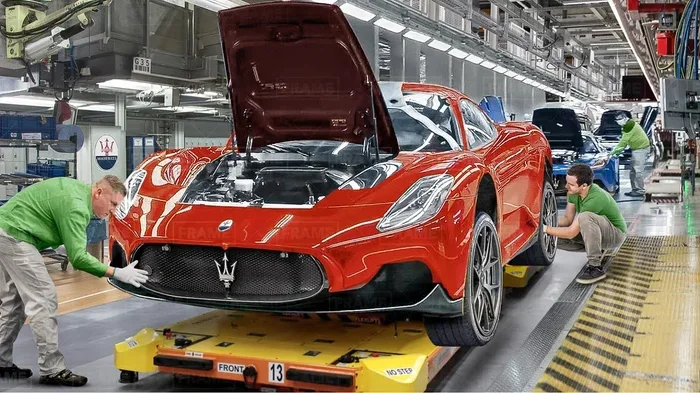
Many Maserati vehicles are assembled by hand or with significant human involvement. This level of craftsmanship takes time and skill. Workers at the Maserati factory in Modena, Italy, carefully build each car with attention to detail that machines alone cannot replicate.
Hand-building limits how many cars can be produced in a given timeframe. A skilled technician might spend several days on a single vehicle. This process ensures quality but also caps production. It is a trade-off that Maserati accepts because the result is a car that feels truly special to own.
Supply Chain and Component Sourcing
Maserati relies on a complex supply chain for parts and components. Unlike mass-market brands that can order millions of identical parts, Maserati needs smaller, often custom quantities. This can slow down production and limit how many cars are completed each year.
Additionally, Maserati shares some components with other Stellantis brands. While this helps reduce costs, it also means production schedules must align with those of the broader group. Any disruption in the supply chain, such as chip shortages or logistics delays, hits Maserati harder because the brand lacks the massive buffer that larger manufacturers maintain.
Maserati Models and Their Production
Understanding which models Maserati produces helps explain the overall annual output. Each model serves a different purpose and attracts a different type of buyer. Let us take a closer look at the current lineup.
Grecale and Levante: The Volume Leaders
The Maserati Grecale and Maserati Levante are the workhorses of the lineup. These SUVs drive the majority of Maserati sales worldwide. The Grecale launched in 2022 and quickly became the brand’s best-selling model. It offers a blend of luxury, performance, and practicality that appeals to a wide range of buyers.
The Levante has been around longer and has helped establish Maserati in the SUV segment. Both models are available with different engine options, including a V6 and a hybrid variant. The Levante also comes in a Trofeo version with a powerful V8 engine. These options give buyers choices while keeping the core production process relatively standardized.
Quattroporte and GranTurismo: The Premium Sedan and Coupe
The Maserati Quattroporte is the brand’s flagship sedan. It has been a symbol of Italian luxury for decades. The latest generation features a sleek design, a spacious interior, and a range of powerful engines. However, it does not sell in the same volume as the Grecale or Levante.
The Maserati GranTurismo is a grand tourer that combines sporty performance with elegant styling. It was recently reintroduced as a pure electric model for the 2024 model year. The GranTurismo has always been a niche product, appealing to buyers who value style and driving pleasure over practicality.
The MC20: A Rare Performance Icon
The Maserati MC20 is the brand’s most performance-oriented car. It is a mid-engine supercar with a twin-turbo V6 engine that produces over 620 horsepower. The MC20 is built to compete with cars like the Porsche 911 Turbo and Ferrari F8 Tributo. However, production numbers for the MC20 are very low. It is a halo car that showcases Maserati’s engineering prowess rather than a volume seller.
Maserati vs Other Luxury Brands
To fully understand Maserati production, it helps to compare the brand with other luxury manufacturers. This context shows where Maserati stands in the broader luxury car landscape.
For instance, if you compare Maserati to brands like Lexus or Acura, the difference in production volume becomes clear. Lexus, which is Toyota’s luxury division, produces over 700,000 cars per year. That is more than ten times what Maserati makes. The reason is simple: Lexus targets a broader luxury market with models designed for higher volume sales.
On the other hand, Maserati is closer to brands like Alfa Romeo in terms of scale. Both brands share Italian heritage and a focus on driving pleasure. If you are curious about how other brands compare in terms of longevity and reliability, you might find it interesting to read about how Toyota Camrys hold up over the years as a benchmark for reliability in the industry.
Maserati also differs from performance-focused brands like Dodge. While Dodge produces high-performance cars like the Charger and Challenger in large numbers, Maserati keeps its output limited. Even when looking at performance, a Dodge Charger can reach impressive speeds but is built for a much wider audience than a Maserati.
Maintaining Your Maserati
Owning a Maserati comes with responsibilities. These cars are complex machines that require proper care to perform at their best. Regular maintenance is essential, and some tasks are unique to luxury and performance vehicles.
Scheduled Service and Inspections
Maserati recommends following a strict service schedule. This includes oil changes, brake inspections, tire rotations, and fluid checks. Because Maserati cars are built with high-performance components, they may need service more frequently than a standard sedan. Staying on top of these appointments helps ensure your car remains reliable and retains its value.
If your Maserati is equipped with all-wheel drive, it is especially important to keep up with AWD service. The AWD system adds complexity and requires regular attention to maintain proper function. Neglecting AWD maintenance can lead to handling issues and reduced performance over time.
Understanding Your Car’s Limits
Every car has limits, and knowing yours is part of being a responsible owner. For Maserati vehicles, this includes understanding weight capacity. If you frequently carry heavy loads or tow, make sure you stay within your car’s recommended limits. Learning how much weight your car can hold is an important step in keeping your Maserati safe and performing well.
Quick Tips for Maserati Owners
- Follow the manufacturer-recommended service schedule without skipping intervals.
- Use only genuine Maserati parts for repairs and replacements.
- Keep your car clean and protected from harsh weather conditions.
- Store your Maserati in a cool, dry place when possible.
- Address unusual sounds or warning lights immediately to prevent bigger problems.
The Future of Maserati Production
Maserati is entering an exciting new chapter. The brand has announced ambitious plans for electrification and product expansion. These changes could reshape production numbers in the coming years.
Maserati has pledged to go fully electric by 2028. This means every new model launched will be an electric or hybrid vehicle. The shift to electrification requires new manufacturing processes and investment in battery technology. It may also open the door to slightly higher production volumes, as electric platforms can be more scalable than traditional combustion engines.
The introduction of the new Maserati GranTurismo Folgore and the upcoming electric Grecale Folgore signal the brand’s commitment to the electric future. These models will be built on dedicated electric platforms, which could improve efficiency and reduce production costs over time.
However, Maserati is unlikely to become a high-volume manufacturer. The brand’s identity is rooted in exclusivity and craftsmanship. Even as production methods evolve, the company will probably maintain its focus on quality over quantity. This balance between tradition and innovation is what makes Maserati so compelling in the luxury car market.
Common Mistakes People Make When Thinking About Maserati Production
- Assuming Maserati makes as many cars as BMW or Mercedes: Maserati produces a fraction of what these brands build annually.
- Overlooking the impact of hand-building: Human craftsmanship limits output in ways that automated factories do not.
- Ignoring model mix: The Grecale and Levante dominate sales, while sports cars and sedans contribute much less to totals.
- Confusing sales with production: Maserati may produce more or fewer cars than it sells, depending on inventory levels.
- Underestimating supply chain effects: Global disruptions can significantly impact low-volume manufacturers more than large ones.
Expert Insight
Industry analysts note that Maserati’s low production volume is both a strength and a weakness. On one hand, it preserves the brand’s exclusive appeal and keeps each car special. On the other hand, it limits revenue potential and makes it harder for Maserati to compete with larger luxury brands that benefit from economies of scale. The brand’s future success will depend on how well it balances exclusivity with growth.
Key Takeaways
Maserati’s production numbers tell a story of a brand that values quality, exclusivity, and craftsmanship over mass-market appeal. Here is a quick recap of what we have covered.
- Maserati produces between 30,000 and 75,000 cars per year, depending on market conditions and model cycles.
- The Grecale and Levante are the brand’s top sellers, driving the majority of annual production.
- Hand-built manufacturing and luxury positioning keep output deliberately low.
- Maserati is part of the Stellantis group, which provides resources while respecting the brand’s low-volume philosophy.
- Electrification plans by 2028 may gradually increase production capacity and introduce new models.
- Comparing Maserati to brands like Toyota or Dodge highlights the vast difference in production scale and brand philosophy.
- Owning a Maserati requires dedicated maintenance to preserve its performance, value, and driving experience.
The world of luxury car manufacturing is fascinating, and Maserati occupies a unique niche within it. The brand proves that you do not need to build millions of cars to command respect and admiration. Every Maserati that rolls off the line represents a commitment to art, engineering, and the joy of driving.
Whether you are researching before a purchase, curious about the automotive industry, or simply a fan of Italian craftsmanship, understanding Maserati production gives you a deeper appreciation for what makes this brand special. The numbers are modest, but the impact is enormous.
As Maserati looks toward an electric future, one thing is certain: the brand will continue to prioritize quality and exclusivity above all else. The cars may change, but the philosophy will remain the same. And that is exactly what makes Maserati worth celebrating.
Frequently Asked Questions
How many cars does Maserati sell per year?
Maserati typically sells between 30,000 and 75,000 cars annually. The exact number depends on the model year, market conditions, and global demand. The Grecale and Levante are the biggest contributors to these sales figures.
Why does Maserati produce so few cars compared to other brands?
Maserati focuses on luxury, exclusivity, and hand-built craftsmanship. The brand deliberately keeps production low to maintain its premium image and appeal to buyers who value rarity. This approach is common among ultra-luxury manufacturers.
What is Maserati’s best-selling model?
The Maserati Grecale and Maserati Levante are the brand’s best-selling models. These SUVs combine luxury, performance, and everyday practicality, making them popular with a broad range of buyers. Together, they account for the majority of annual production.
Will Maserati increase production in the future?
Maserati has announced plans to go fully electric by 2028, which may lead to gradual production increases. However, the brand is unlikely to become a high-volume manufacturer. Its identity is built on exclusivity, and that philosophy will guide its growth strategy.
Where are Maserati cars built?
Maserati vehicles are primarily built at the factory in Modena, Italy. Some models may also be assembled at other Stellantis facilities. The Italian factory is known for its skilled workforce and commitment to handcrafted quality.
How does Maserati production compare to brands like Porsche or Ferrari?
Porsche produces roughly 300,000 to 400,000 cars per year, while Ferrari makes around 10,000 to 15,000. Maserati sits between these two, with annual production of 30,000 to 75,000 units. Each brand has a different strategy, but all prioritize quality over volume.