Who Pays for Vehicle Inspection and Why It Matters
Who pays for vehicle inspection? The answer depends on your situation. Whether you are buying a car, renewing registration, or dealing with a failed safety inspection, the cost can fall on you, the seller, or even your insurance company. This guide breaks down every scenario so you know exactly what to expect and how to avoid surprise bills.
Key Takeaways
- Buyers often pay for inspections: In most cases, the person requesting the inspection foots the bill, whether it is a buyer, seller, or current owner.
- State rules vary widely: Some states require annual vehicle inspections, while others have no requirements at all.
- Dealers sometimes cover the cost: When you buy a new or certified used car, the dealer may include a dealer inspection at no extra charge.
- Insurance may help after accidents: If your car was damaged in a wreck, your auto insurance policy might cover the inspection and repair costs.
- You can save money: Shopping around and doing basic car maintenance before your inspection can lower fees and prevent failed inspections.
- Pre-purchase inspections protect buyers: Spending a little upfront on a pre-purchase inspection can save thousands in future repairs.
📑 Table of Contents
- What Is a Vehicle Inspection and Why Does It Matter?
- Who Pays for Vehicle Inspection in Different Situations?
- State Requirements: Which States Need Vehicle Inspections?
- Understanding Vehicle Inspection Costs
- What Happens When Your Vehicle Fails Inspection?
- Final Thoughts: Making Sense of Inspection Payments
What Is a Vehicle Inspection and Why Does It Matter?
A vehicle inspection is a check-up for your car. Trained technicians look at safety features, emissions levels, and overall roadworthiness. Think of it like a health check for your car. Just like you go to the doctor for a check-up, your car needs regular inspections to make sure it is safe to drive.
So, who pays for vehicle inspection? The short answer is: it depends. The long answer is what this guide is all about. Whether you are a first-time car owner or have been driving for years, understanding inspection costs saves you money and headaches.
Vehicle inspections matter for a few big reasons. First, they keep you and other drivers safe on the road. A car with bad brakes or worn tires is a danger. Second, many states require inspections for vehicle registration. Without a passing result, you cannot legally register your car. Third, inspections catch small problems before they turn into expensive auto repair costs.
Knowing who bears the cost helps you budget and plan. It also helps you make smarter decisions when buying or selling a car. Let us dive into the different situations and break down the costs.
What Happens During a Vehicle Inspection?
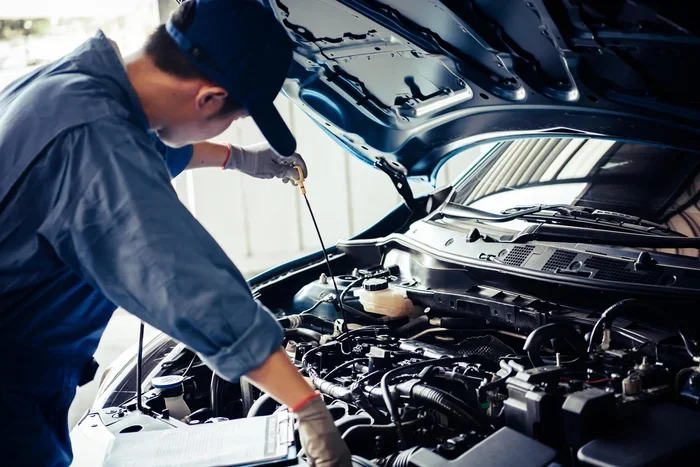
During a typical inspection, a technician checks several things. They look at your brakes, lights, tires, and steering. They also run an emissions test to measure harmful gases coming from your exhaust. In some states, this is called a smog check.
The whole process usually takes 30 to 60 minutes. If your car passes, you get an inspection sticker to display on your windshield. If it fails, you will need to fix the issues and go back for a re-check.
Who Pays for Vehicle Inspection in Different Situations?
The cost of an inspection can land on different people depending on the situation. Let us look at the most common scenarios. Each one has its own rules, and knowing them helps you avoid surprise bills.
When You Buy a New Car from a Dealer
When you buy a brand-new car, the dealer handles most of the paperwork. The dealer inspection is usually part of the delivery process. You do not need to pay extra for this. The dealer also provides the initial vehicle registration and plates.
However, if you need a special inspection for your state, the dealer may pass that fee to you. Always ask about inspection costs before signing the purchase agreement. This way, there are no surprises when you drive off the lot.
When You Buy a Used Car
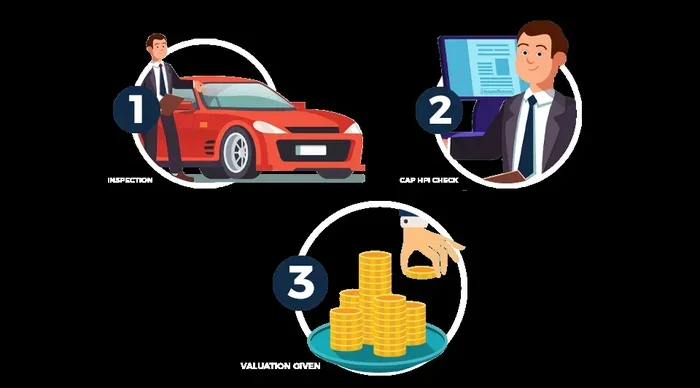
Buying a used car is where things get interesting. In most cases, the buyer pays for the inspection. A pre-purchase inspection is highly recommended before you commit to buying a secondhand car.
This inspection gives you a clear picture of the car’s condition. You can spot hidden problems like engine issues or frame damage. Spending a few hundred dollars on a pre-purchase check can save you thousands in future repairs.
Sometimes, the seller agrees to pay for the inspection as part of the deal. This is more common in a private party sale when the seller wants to prove the car is in good shape. Always clarify who pays before you schedule the inspection.
During a Private Party Sale
In a private party sale, the buyer usually arranges and pays for the inspection. This protects the buyer and gives them leverage in negotiations. If the car fails, the buyer can ask the seller to lower the price or cover the repair costs.
Some sellers offer to pay for a recent inspection report to attract buyers. This is a smart move. A clean inspection report builds trust and can help the car sell faster.
For Routine Annual Inspections
If your state requires annual inspections, you are responsible for the cost. This is your regular annual vehicle check. The fee varies by state and inspection station. On average, expect to pay between $20 and $80 for a standard safety inspection.
An emissions test or smog check may cost extra, typically ranging from $15 to $50. Some stations bundle both tests into one price. It is always worth asking for a total cost upfront.
After an Accident or Insurance Claim
If you were in a car accident, your insurance company may require an inspection. In this case, the insurance company often covers the cost. They want to verify the damage and approve repairs.
However, this depends on your policy and the nature of the claim. Some policies require you to pay a deductible first. Always check with your insurance provider before scheduling a post-accident inspection.
State Requirements: Which States Need Vehicle Inspections?
State inspection requirements vary a lot across the country. Some states have strict rules, while others have dropped inspections altogether. Here is a closer look at how things work in different parts of the US.
States That Require Annual Inspections
Several states still require yearly vehicle inspections. These include states like New York, Massachusetts, Pennsylvania, and Virginia. In these states, you must pass a safety inspection and often an emissions test to renew your registration.
The cost of vehicle inspection in these states can add up over time. For example, New York charges around $21 for a safety inspection plus the emissions fee. Pennsylvania has a similar structure with slightly different pricing.
Some states offer an inspection waiver if your car passes an emissions test and meets certain criteria. This can save you time and money. Check your state’s Department of Motor Vehicles website for the latest rules.
States With No Inspection Requirements
On the other hand, many states have eliminated mandatory inspections. States like Florida, Arizona, and Michigan do not require annual vehicle inspections. If you live in one of these states, you only need an inspection when registering a newly purchased vehicle or transferring ownership.
Even in states without annual requirements, a pre-purchase inspection is still a smart move. It helps you make an informed decision before buying a used car. Safety should never depend on what the law requires.
Understanding Vehicle Inspection Costs
The vehicle inspection cost can vary based on several factors. The type of inspection, your location, and the condition of your car all play a role. Let us break down what you can expect to pay.
| Inspection Type | Average Cost | Who Typically Pays |
|---|---|---|
| Safety Inspection | $20 – $50 | Vehicle owner |
| Emissions / Smog Check | $15 – $50 | Vehicle owner |
| Pre-Purchase Inspection | $100 – $200 | Buyer |
| Dealer Inspection (New Car) | Included in price | Dealer |
| Post-Accident Inspection | Varies | Insurance company |
| Re-Inspection (After Repairs) | $10 – $25 | Vehicle owner |
As you can see, the car inspection fee depends heavily on the situation. A basic safety check is affordable for most people. But a pre-purchase inspection or re-inspection after repairs can add up.
Breakdown of Common Inspection Fees
Let us look at the typical costs in more detail. A standard safety inspection checks lights, brakes, tires, steering, and mirrors. This is the most common type and usually costs between $20 and $50.
An emissions test measures the pollutants coming from your exhaust system. This test is required in many states with strict air quality standards. The fee for a smog check ranges from $15 to $50 depending on the station and your vehicle type.
A pre-purchase inspection is more thorough. A mechanic checks the engine, transmission, suspension, and electrical systems. This comprehensive check costs between $100 and $200. It is money well spent if you are buying a used car.
Quick Tips to Save Money on Inspection Fees
- Shop around: Call multiple inspection stations and compare prices. Fees can vary by $10 or more between locations.
- Do basic car maintenance first: Fix obvious issues like a burnt-out bulb or low tire pressure before your inspection. This reduces the chance of a failed inspection.
- Check for inspection waivers: Some states waive the inspection requirement for newer vehicles or those with low mileage.
- Ask about bundled pricing: Many stations offer a discount when you bundle a safety inspection with an emissions test.
- Keep your car well-maintained: Regular car maintenance keeps your vehicle in good shape and helps it pass inspection on the first try.
- Check your insurance: Some insurance policies cover inspection costs after accidents. Always ask before you pay out of pocket.
Common Mistakes People Make with Vehicle Inspections
One of the biggest mistakes is waiting until the last minute. If your inspection sticker is about to expire, you may rush to a station and pay higher fees. Plan ahead and schedule your inspection a week or two before it expires.
Another common mistake is ignoring warning signs. If your check engine light is on or your car makes strange noises, get it checked before the inspection. These issues can cause a failed inspection and delay your registration.
Some people also skip the pre-purchase inspection when buying a used car. This is a costly mistake. A quick inspection can reveal problems that are not visible on the surface. Always invest in a pre-purchase inspection to protect your investment.
What Happens When Your Vehicle Fails Inspection?
A failed inspection can feel frustrating, but it is not the end of the road. The technician will give you a detailed report of what went wrong. Common issues include worn brake pads, faulty headlights, exhaust leaks, or high emissions levels.
Once you know the problem, you can get the repairs done. After fixing the issues, you can go back to the inspection station for a re-check. Many stations offer a discounted re-inspection fee within a certain time window, usually 30 to 60 days.
If you are unable to afford the repairs, check with your local consumer protection agency. Some areas have programs that help low-income drivers cover auto repair costs. You can also ask the inspection station about payment plans.
Common Reasons for Failed Inspections
- Worn brake pads or rotors: Brakes are the most common reason for failure. They are also the most critical safety feature.
- Faulty headlights or taillights: A single burnt-out bulb can cause your car to fail. This is an easy and cheap fix.
- High emissions levels: Older cars or those with poor maintenance often struggle with emissions tests.
- Worn tires: Tires with low tread depth or visible damage can fail a safety inspection.
- Check engine light: A lit check engine light almost always results in a failed inspection.
- Leaking exhaust system: Exhaust leaks not only fail inspections but also pose health risks.
How to Fix and Re-Inspect
The best approach is to prevent a failed inspection in the first place. Regular car maintenance goes a long way. Change your oil, replace air filters, and keep your tires properly inflated. These simple steps keep your car running smoothly and help it pass inspection.
If your car does fail, do not panic. Read the failure report carefully and prioritize the repairs. Safety-related issues like brakes and lights should be fixed first. Emissions problems may take more time and money to resolve.
After completing the repairs, return to the same inspection station for a re-check. Many stations are required by law to offer a free or discounted re-inspection within a set period. This saves you time and money.
Final Thoughts: Making Sense of Inspection Payments
So, who pays for vehicle inspection? The answer is not one-size-fits-all. In most cases, the person requesting the inspection pays the bill. That means buyers pay for pre-purchase checks, owners pay for annual inspections, and insurance companies sometimes cover post-accident inspections.
Understanding your responsibilities helps you budget and avoid surprises. Whether you are buying a car, renewing registration, or dealing with a failed inspection, knowing the costs upfront puts you in control.
Vehicle inspections are an important part of car ownership. They keep our roads safe and our cars running well. By staying informed and planning ahead, you can handle inspections with confidence and save money along the way.
Take the time to understand your state’s requirements. Keep up with regular car maintenance. And always ask questions before you commit to an inspection. A little knowledge goes a long way in keeping both you and your car safe on the road.
Frequently Asked Questions
Can I drive my car without an inspection sticker?
Driving without a valid inspection sticker is illegal in states that require inspections. You could face fines, points on your license, or even have your car towed. Always keep your inspection sticker current and displayed on your windshield.
How often do I need a vehicle inspection?
This depends on your state. Some states require annual inspections, while others only require an inspection when purchasing or transferring a vehicle. Check with your local Department of Motor Vehicles to know the rules in your area.
What if I can’t afford the inspection fee?
Many inspection stations offer standard rates, and the cost is usually reasonable. If you are struggling financially, look for free or low-cost inspection events in your community. Some states also have assistance programs for low-income drivers to cover auto repair costs related to failed inspections.
Does car insurance cover inspection costs?
Most standard auto insurance policies do not cover routine inspection fees. However, if your car was damaged in an accident, your insurance company may require and cover a post-accident inspection. Always check with your insurance provider to understand what is covered under your specific policy.
How long does a vehicle inspection take?
A standard safety inspection typically takes 30 to 60 minutes. If your car needs an emissions test as well, add another 15 to 30 minutes. A pre-purchase inspection may take longer, sometimes up to two hours, because it is more thorough.
Can I inspect my own vehicle?
In most states, only certified inspection stations and technicians can perform official inspections. You can, however, do a basic self-check before your appointment. Test your lights, check your tire pressure, and listen for unusual sounds. This preparation can help your car pass the official inspection on the first try.
=== CONCLUSION ===
Who pays for vehicle inspection is a question with a practical answer: it depends on your situation. Whether you are a buyer, seller, or current owner, understanding the costs and requirements helps you make smart decisions. From dealer inspections to pre-purchase checks and annual safety tests, each scenario has its own payment rules.
Stay informed about your state’s state inspection requirements. Keep up with regular car maintenance to avoid failed inspections. And always shop around for the best vehicle inspection cost in your area. With the knowledge in this guide, you are well-equipped to handle any inspection situation with confidence and ease.